Jain Ruchit, Jagdhane Nitin, Deshmukh Sameer, Priola Stefano M, Chavda Vishal, Chaurasia Bipin
Department of Surgery, Government Medical College, Miraj.
Department of Neurosurgery, Dr. D.Y. Patil Medical College, Navi Mumbai, Maharashtra, India.
Ann Med Surg (Lond). 2024 Oct 24;86(12):7368-7376. doi: 10.1097/MS9.0000000000002669. eCollection 2024 Dec.
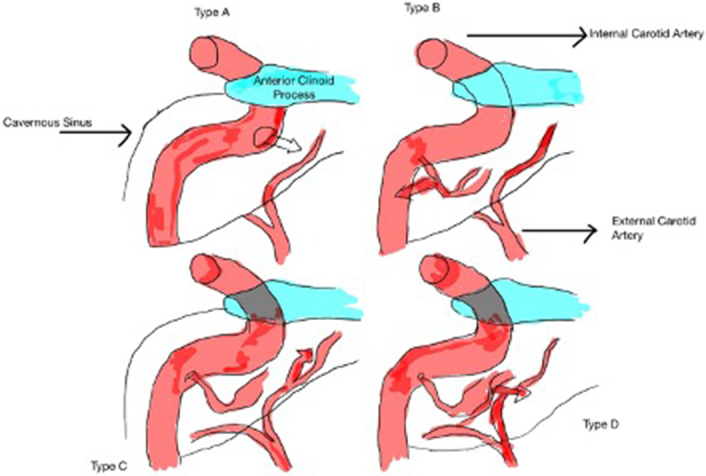
A carotid-cavernous sinus fistula is an abnormal connection between the internal or external carotid artery and the venous system of the cavernous sinus. It represents a rare entity, and it is often misdiagnosed due to its overlapping symptoms with other conditions such as cavernous sinus thrombosis or orbital inflammation. Cerebral angiography continues to be the gold standard for diagnosis and surgical planning in patients with CCF, and the endovascular trans-venous approach still represents the primary line of treatment. Trans-arterial technique has become an excellent treatment option since the advent of embolic agents.
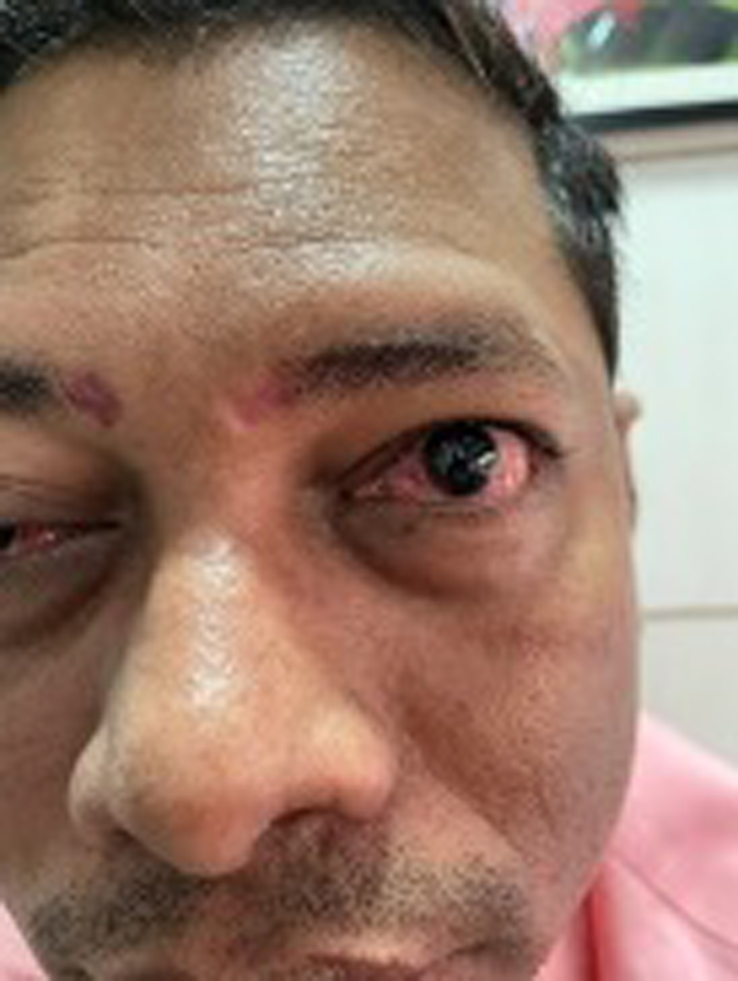
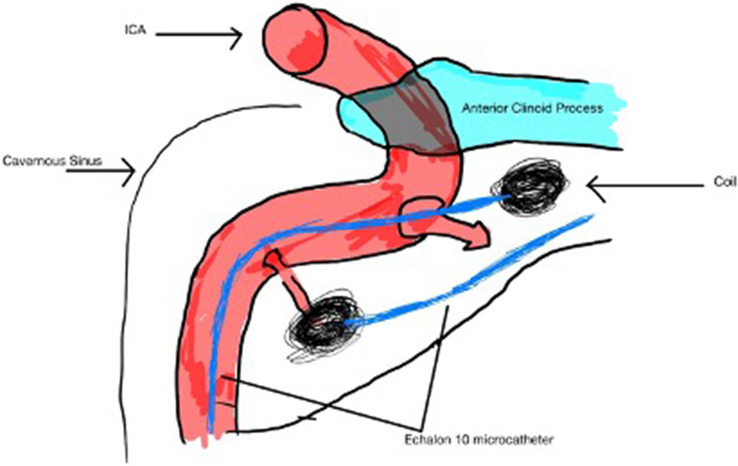
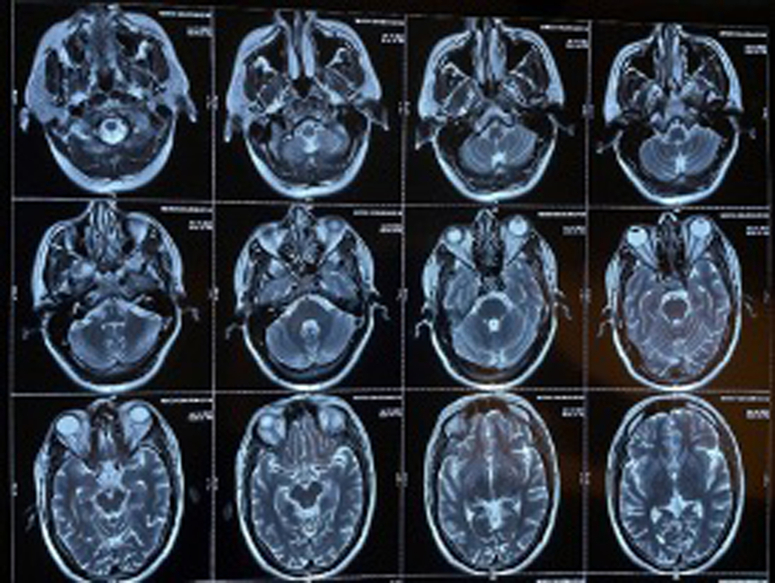
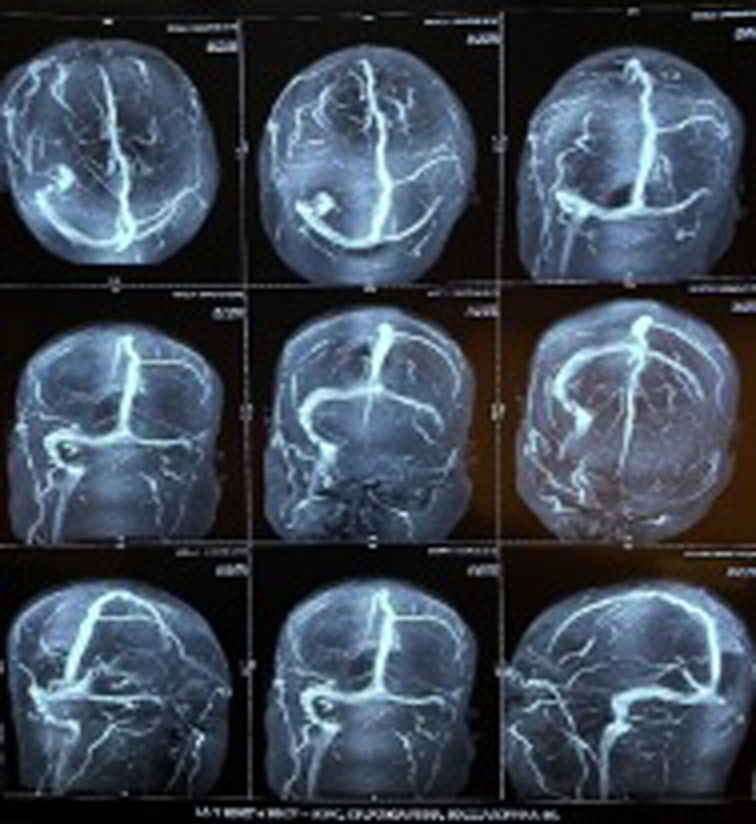
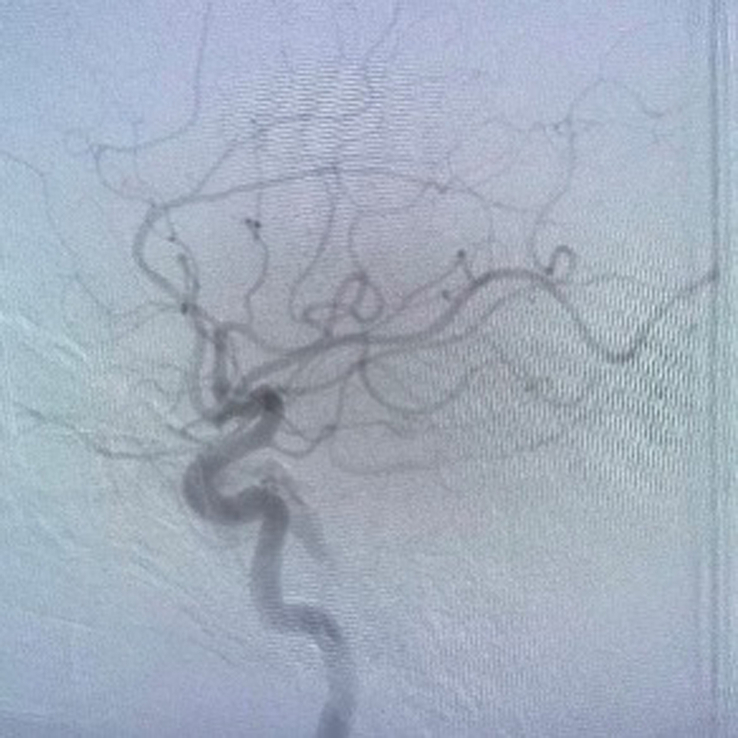
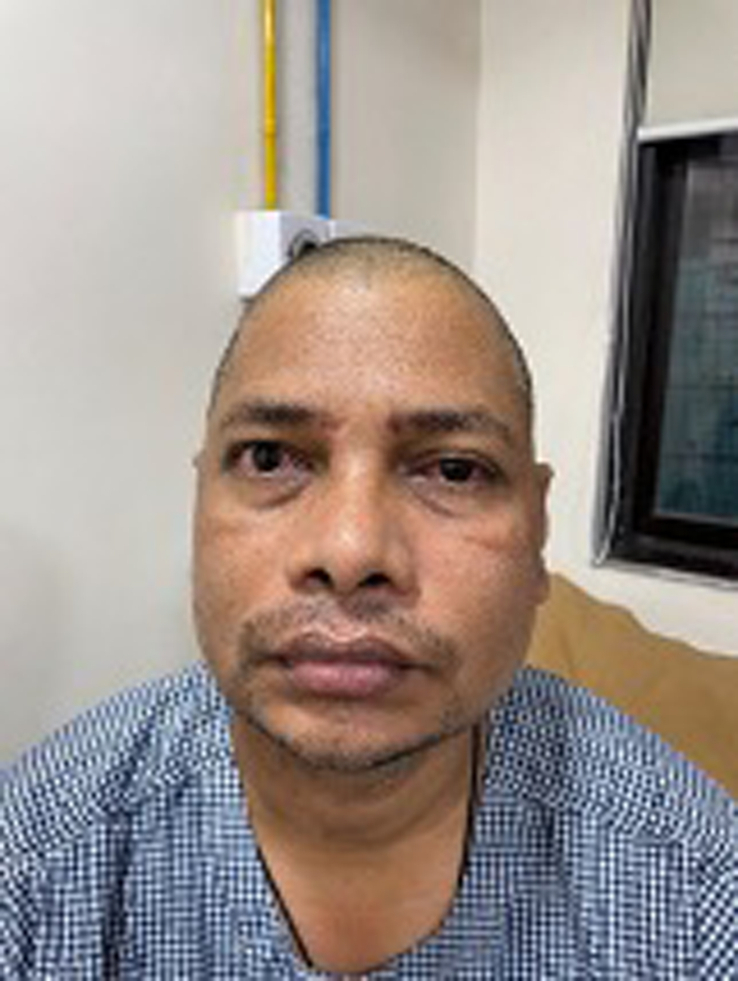
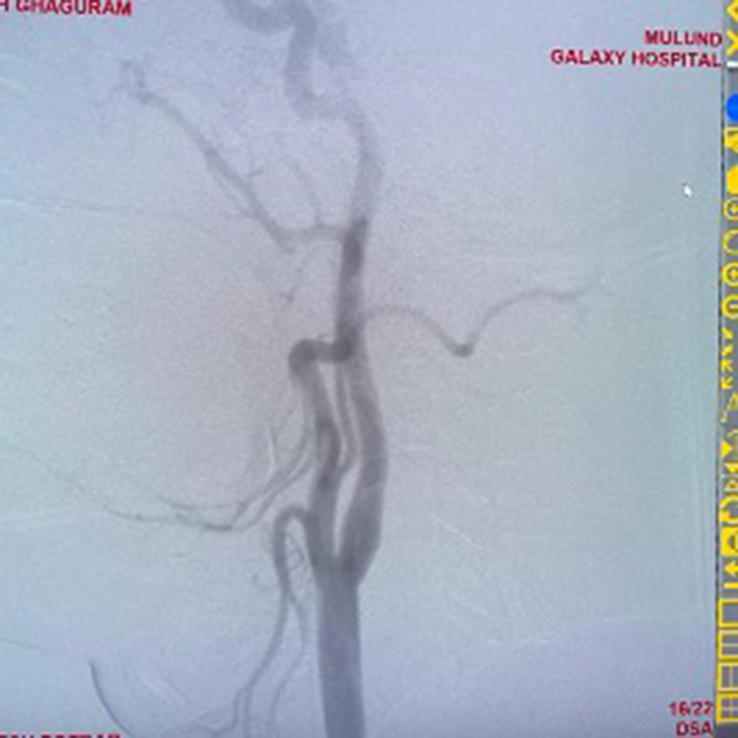
Here, the authors report the case of a 42-year-old male with a one-week history of impaired visual acuity, bilateral eye edema, eye redness, and ophthalmoplegia. A neuro-ophthalmological examination found proptosis, conjunctival chemosis, and sclera injection. Examination using MR venography and digital subtraction angiography (DSA) revealed an abnormal connection between the meningeal branch of the ICA, the ECA, and the cavernous sinus. The patient received endovascular treatment with Onyx injection into the facial vein with thrombosis of the anterior cavernous sinus. The patient presented an uneventful postoperative period and was symptoms-free on postoperative day 1.
CCF are rare and challenging conditions that require a multidisciplinary approach.
The endovascular treatment represents the gold standard and usually allows an effective interruption of the abnormal vascular connection with an almost immediate resolution of the preoperative signs and symptoms.
颈动脉海绵窦瘘是颈内动脉或颈外动脉与海绵窦静脉系统之间的异常连接。它是一种罕见的病症,由于其症状与海绵窦血栓形成或眼眶炎症等其他病症重叠,常被误诊。脑血管造影仍然是CCF患者诊断和手术规划的金标准,血管内经静脉入路仍然是主要的治疗方法。自从栓塞剂出现以来,经动脉技术已成为一种出色的治疗选择。
在此,作者报告了一例42岁男性患者,其有一周的视力受损、双眼水肿、眼红和眼肌麻痹病史。神经眼科检查发现眼球突出、结膜水肿和巩膜充血。使用磁共振静脉造影和数字减影血管造影(DSA)检查发现颈内动脉脑膜支、颈外动脉与海绵窦之间存在异常连接。患者接受了经血管内治疗,通过向面静脉注射Onyx并使海绵窦前部血栓形成。患者术后恢复顺利,术后第1天无症状。
CCF是罕见且具有挑战性的病症,需要多学科方法。
血管内治疗是金标准,通常能有效中断异常血管连接,几乎立即消除术前体征和症状。