Michael Justina, Manivasagam Thenmozhi
Department of Computer Science and Engineering, SRM Institute of Science and Technology, Kattankulathur, Chennai, Tamil Nadu, India.
Department of Networking and Communications, SRM Institute of Science and Technology, Kattankulathur, Chennai, Tamil Nadu, India.
PeerJ Comput Sci. 2024 Nov 22;10:e2518. doi: 10.7717/peerj-cs.2518. eCollection 2024.
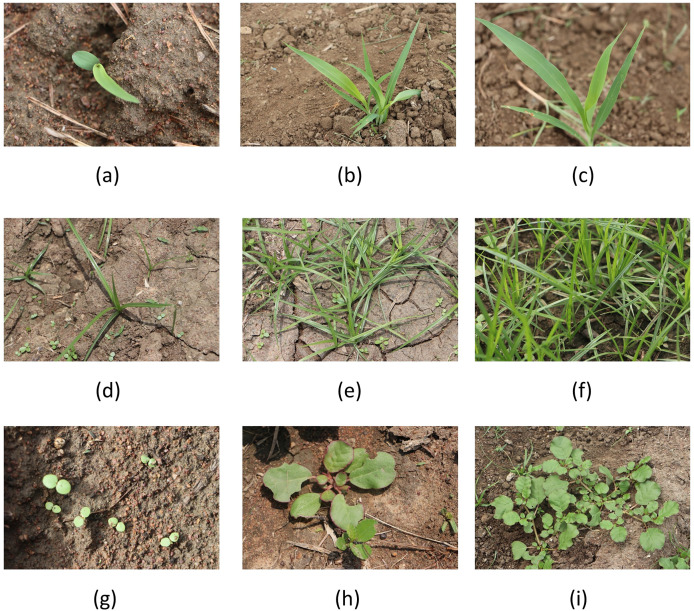
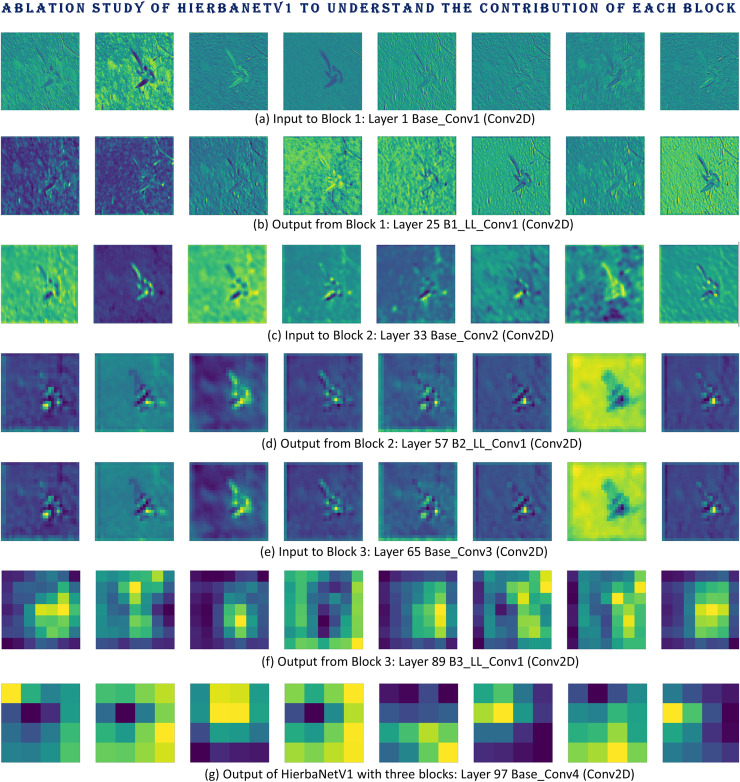
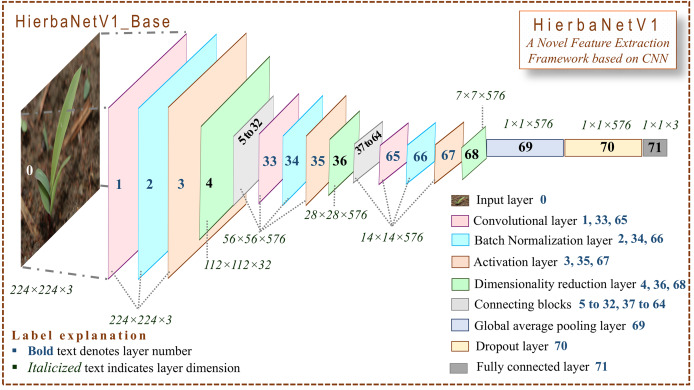
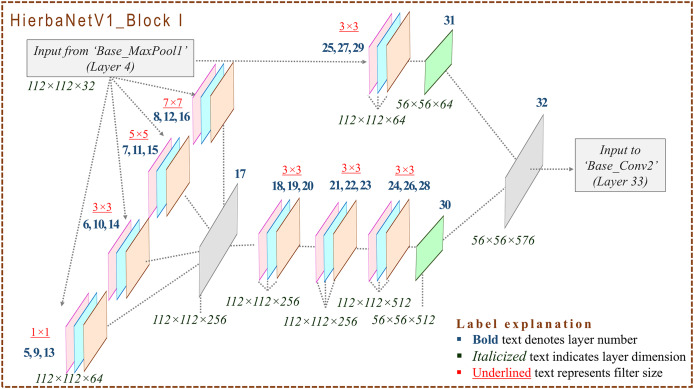
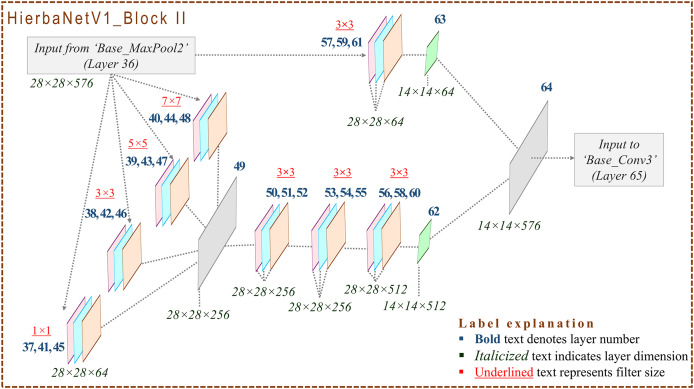
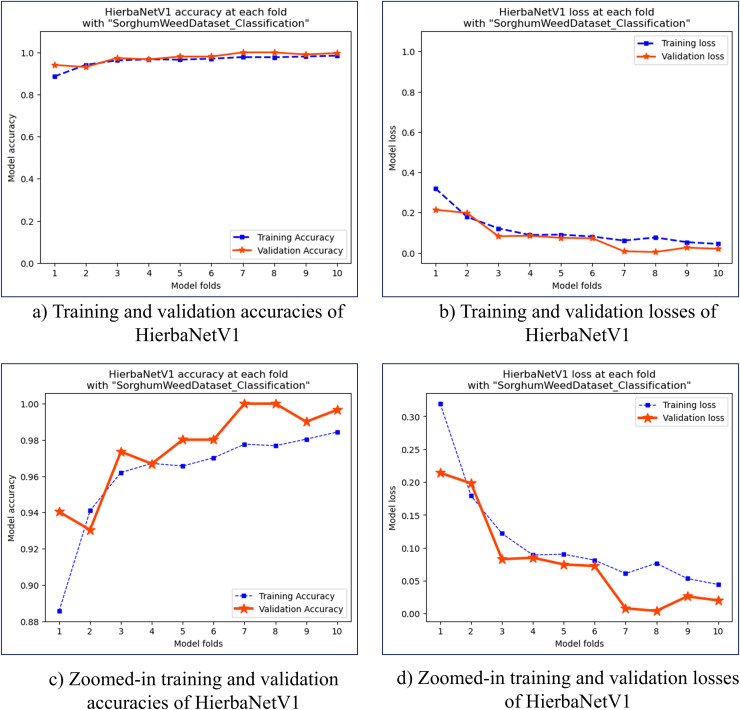
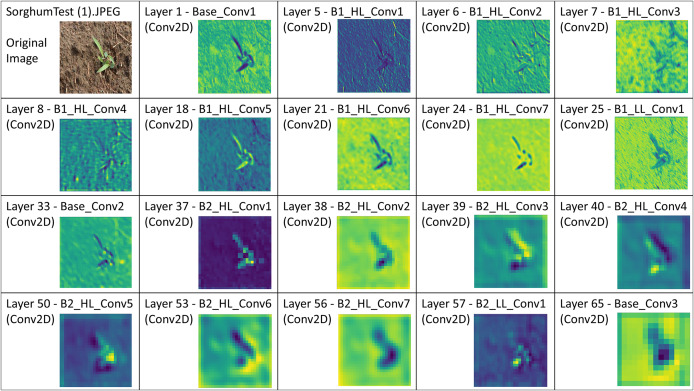
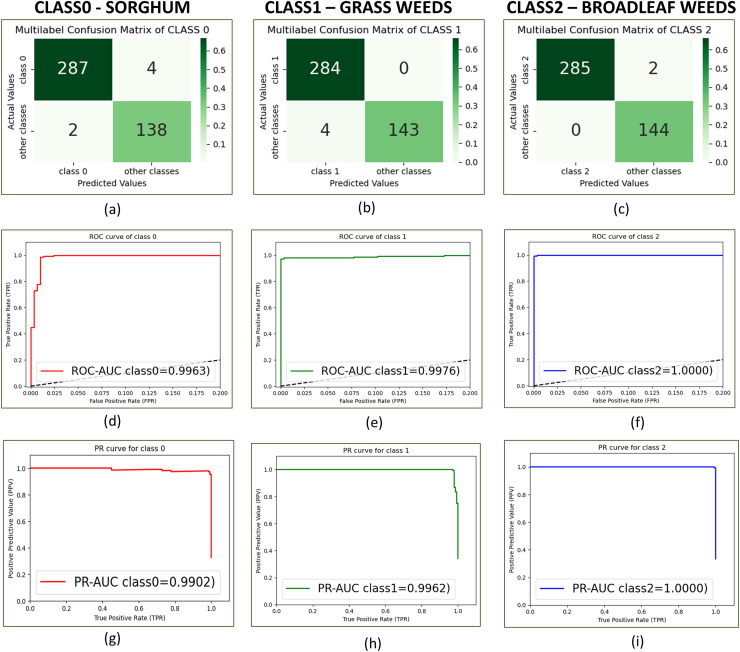
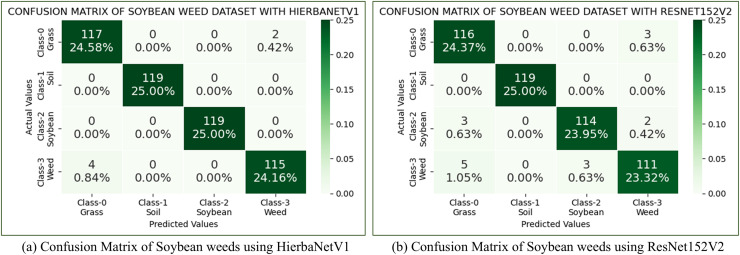
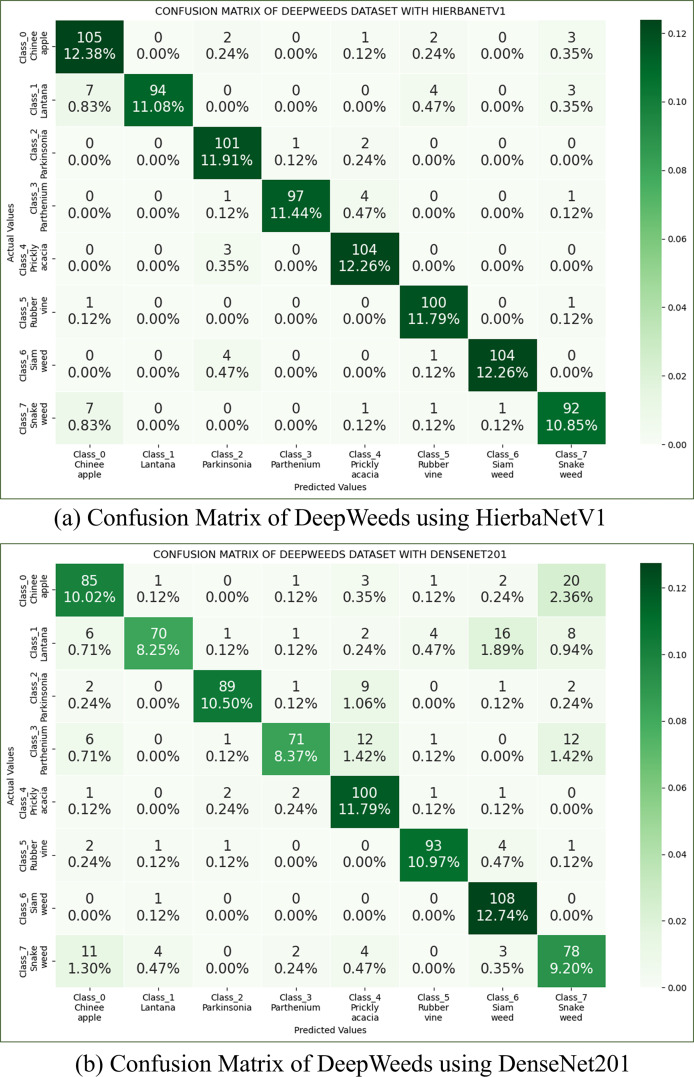
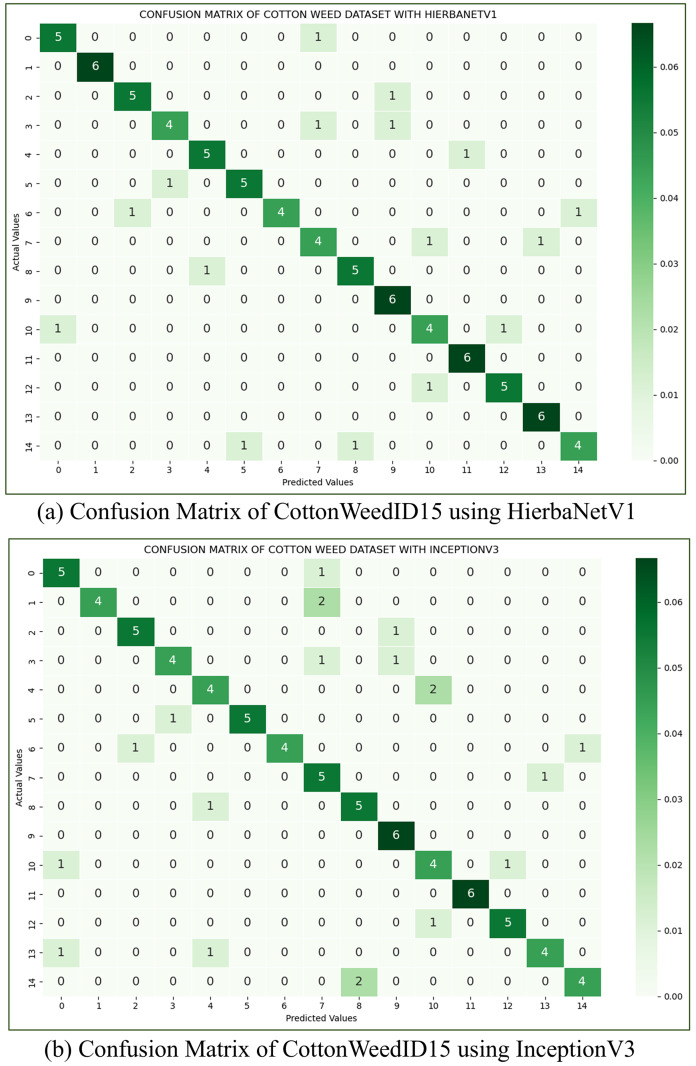
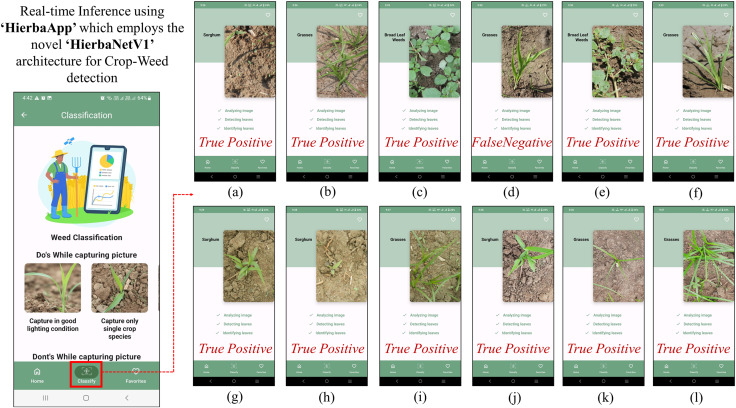
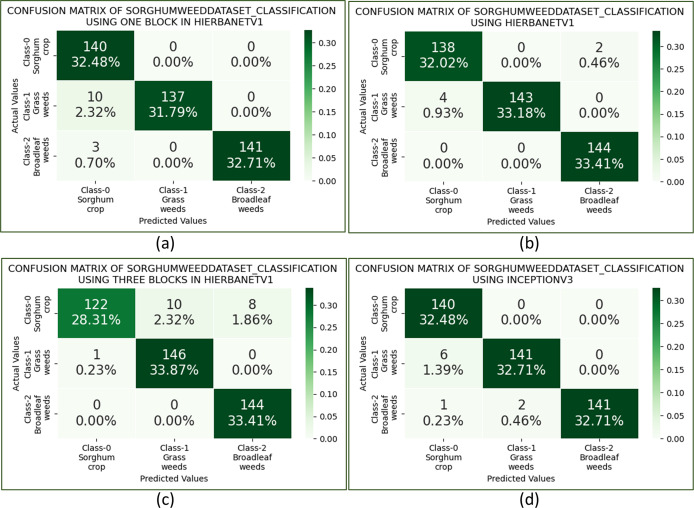
Extracting the essential features and learning the appropriate patterns are the two core character traits of a convolution neural network (CNN). Leveraging the two traits, this research proposes a novel feature extraction framework code-named 'HierbaNetV1' that retrieves and learns effective features from an input image. Originality is brought by addressing the problem of varying-sized region of interest (ROI) in an image by extracting features using diversified filters. For every input sample, 3,872 feature maps are generated with multiple levels of complexity. The proposed method integrates low-level and high-level features thus allowing the model to learn intensive and diversified features. As a follow-up of this research, a crop-weed research dataset termed 'SorghumWeedDataset_Classification' is acquired and created. This dataset is tested on HierbaNetV1 which is compared against pre-trained models and state-of-the-art (SOTA) architectures. Experimental results show HierbaNetV1 outperforms other architectures with an accuracy of 98.06%. An ablation study and component analysis are conducted to demonstrate the effectiveness of HierbaNetV1. Validated against benchmark weed datasets, the study also exhibits that our suggested approach performs well in terms of generalization across a wide variety of crops and weeds. To facilitate further research, HierbaNetV1 weights and implementation are made accessible to the research community on GitHub. To extend the research to practicality, the proposed method is incorporated with a real-time application named HierbaApp that assists farmers in differentiating crops from weeds. Future enhancements for this research are outlined in this article and are currently underway.
提取基本特征并学习合适的模式是卷积神经网络(CNN)的两个核心特征。利用这两个特征,本研究提出了一种名为“HierbaNetV1”的新型特征提取框架,该框架从输入图像中检索并学习有效特征。通过使用多样化的滤波器提取特征来解决图像中不同大小感兴趣区域(ROI)的问题,从而带来了创新性。对于每个输入样本,会生成3872个具有多个复杂程度级别的特征图。所提出的方法整合了低级和高级特征,从而使模型能够学习密集和多样化的特征。作为本研究的后续工作,获取并创建了一个名为“SorghumWeedDataset_Classification”的作物-杂草研究数据集。该数据集在HierbaNetV1上进行了测试,并与预训练模型和最新技术(SOTA)架构进行了比较。实验结果表明,HierbaNetV1的准确率为98.06%,优于其他架构。进行了消融研究和组件分析以证明HierbaNetV1的有效性。针对基准杂草数据集进行验证,该研究还表明我们提出的方法在各种作物和杂草的泛化方面表现良好。为了便于进一步研究,HierbaNetV1的权重和实现已在GitHub上向研究社区公开。为了将研究扩展到实际应用,所提出的方法与一个名为HierbaApp的实时应用程序相结合,该应用程序可协助农民区分作物和杂草。本文概述了该研究未来的改进方向,目前正在进行中。