Aljohani Khalid, Shanab Hanan, Alqarni Ali, Merdad Khalid
Department of Oral Diagnostic Sciences, Faculty of Dentistry, King Abdulaziz University, Jeddah 21589, Saudi Arabia.
Department of Oral and Maxillofacial Surgery and Diagnostic Sciences, College of Dentistry, Majmaah University, Majmaah 11952, Saudi Arabia.
Healthcare (Basel). 2024 Nov 21;12(23):2323. doi: 10.3390/healthcare12232323.
Epidemiological studies have shown varying prevalence rates of dental anomalies worldwide, ranging from 5.2% to 56.9%, with a higher rate of 90.4% in patients with cleft lip and palate. In Saudi Arabia, studies have also reported varied prevalence rates, likely due to genetic differences or sampling variations. However, no research has yet evaluated the quality of these studies or provided an overall prevalence estimate, which is the aim of the present study. This systematic review aims to assess the prevalence and types of dental anomalies across various regions of the Kingdom of Saudi Arabia (KSA).
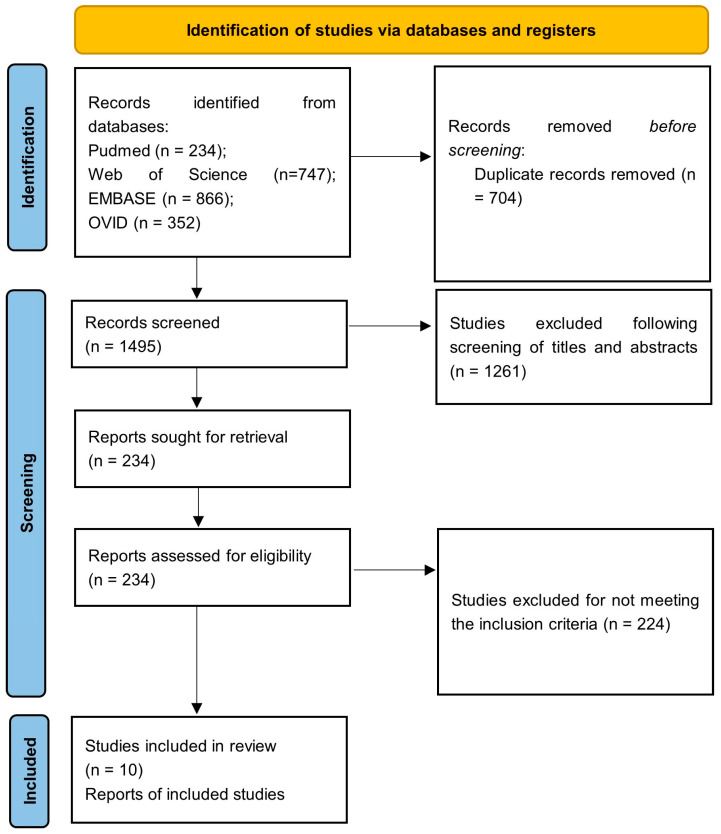
A comprehensive literature search identified 10 relevant studies on different dental anomalies in Saudi Arabia. The quality of the enrolled studies was assessed using the Newcastle-Ottawa Scale (NOS), showing variability in the methodological quality of the included cohort studies, with several studies demonstrating a moderate to high risk of bias.
Common anomalies included hypodontia, hyperdontia, microdontia, and impacted teeth. This study highlights the varying prevalence of dental anomalies in different regions of Saudi Arabia, ranging from 2.6% to 45.1%.
This review highlights the need for early diagnosis and tailored treatment approaches to mitigate the clinical challenges posed by these anomalies, underscoring the importance of standardized diagnostic criteria and further research to understand regional and demographic differences in the prevalence of dental anomalies in Saudi Arabia.
流行病学研究表明,全球范围内牙齿异常的患病率各不相同,从5.2%到56.9%不等,唇腭裂患者的患病率更高,为90.4%。在沙特阿拉伯,研究报告的患病率也各不相同,这可能是由于基因差异或抽样差异所致。然而,尚无研究评估这些研究的质量或提供总体患病率估计,而这正是本研究的目的。本系统评价旨在评估沙特阿拉伯王国(KSA)不同地区牙齿异常的患病率及类型。
全面的文献检索确定了10项关于沙特阿拉伯不同牙齿异常的相关研究。使用纽卡斯尔-渥太华量表(NOS)评估纳入研究的质量,结果显示纳入的队列研究在方法学质量上存在差异,多项研究显示存在中度至高度偏倚风险。
常见的异常包括牙齿缺失、多生牙、过小牙和阻生牙。本研究强调了沙特阿拉伯不同地区牙齿异常患病率的差异,范围从2.6%到45.1%。
本综述强调了早期诊断和量身定制治疗方法的必要性,以应对这些异常带来的临床挑战,突出了标准化诊断标准以及进一步研究以了解沙特阿拉伯牙齿异常患病率的地区和人口差异的重要性。