Li Yanfeng, Gao Pengyu, Luo Yongbiao, Luo Xianghan, Xu Chunmei, Chen Jiecheng, Zhang Yanxi, Lin Genxiang, Xu Wei
School of Automobile and Transportation Engineering, Guangdong Polytechnic Normal University, Guangzhou 510632, China.
Guangdong Provincial Welding Engineering Technology Research Center, Guangdong University of Technology, Guangzhou 510006, China.
Sensors (Basel). 2024 Nov 29;24(23):7649. doi: 10.3390/s24237649.
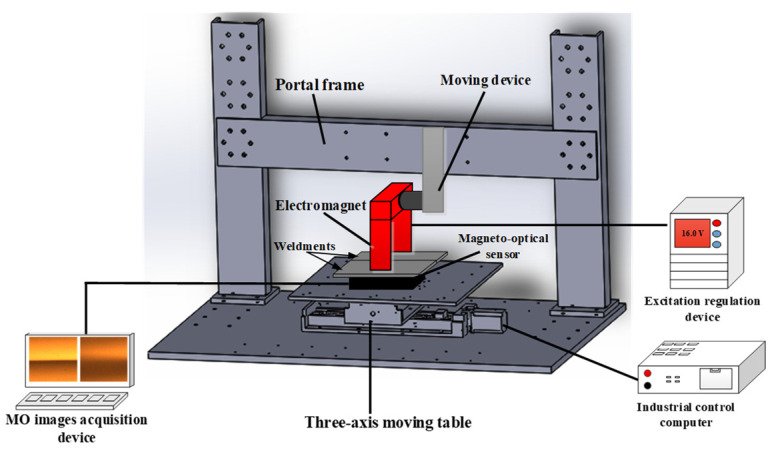
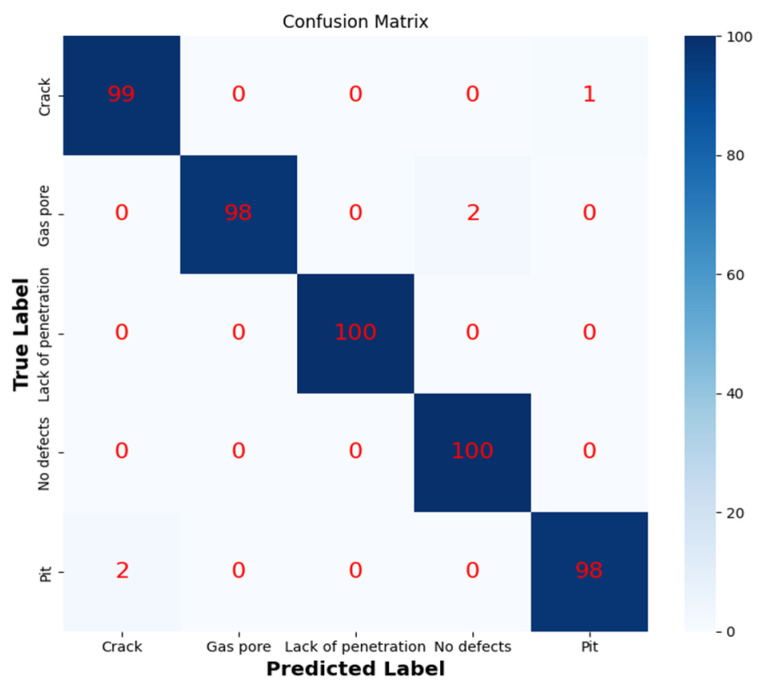
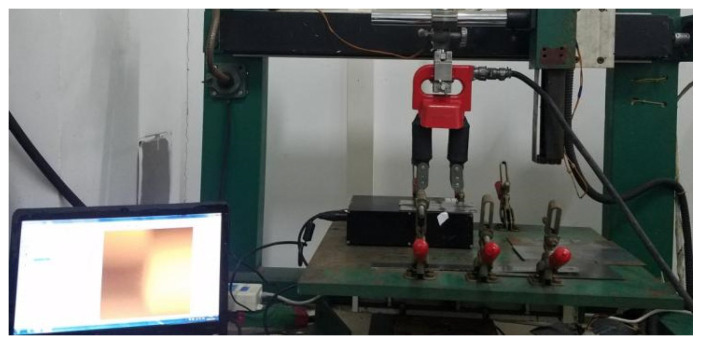
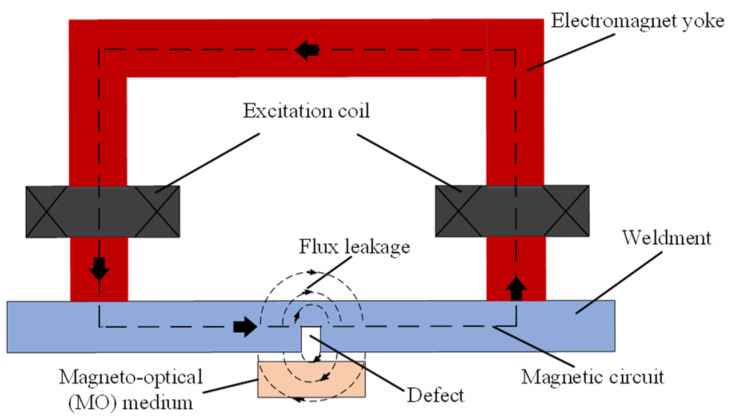
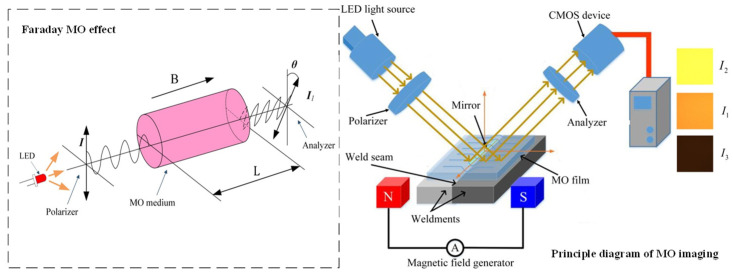
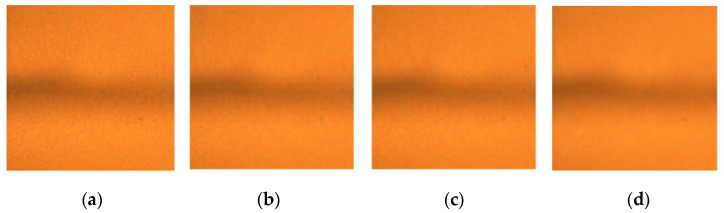
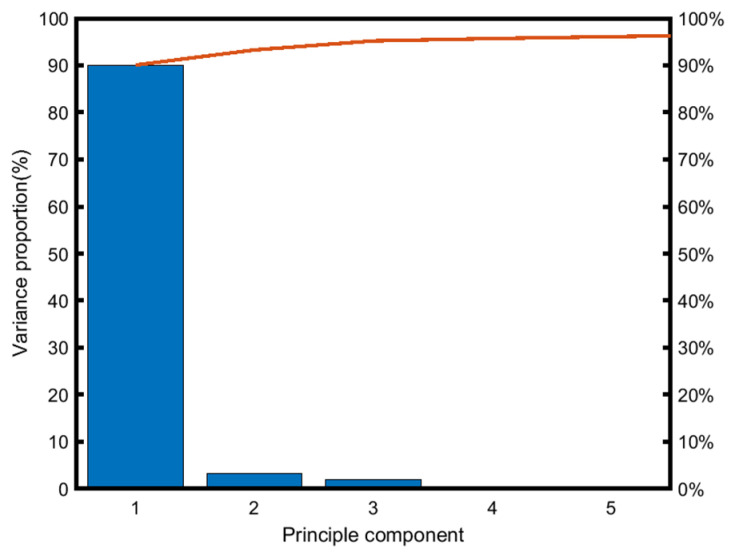
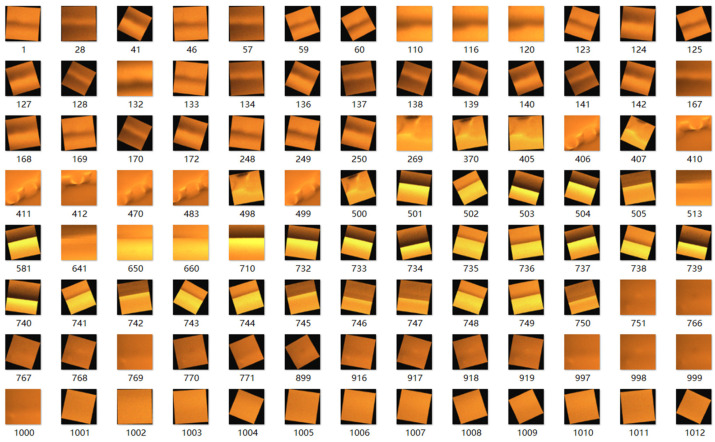
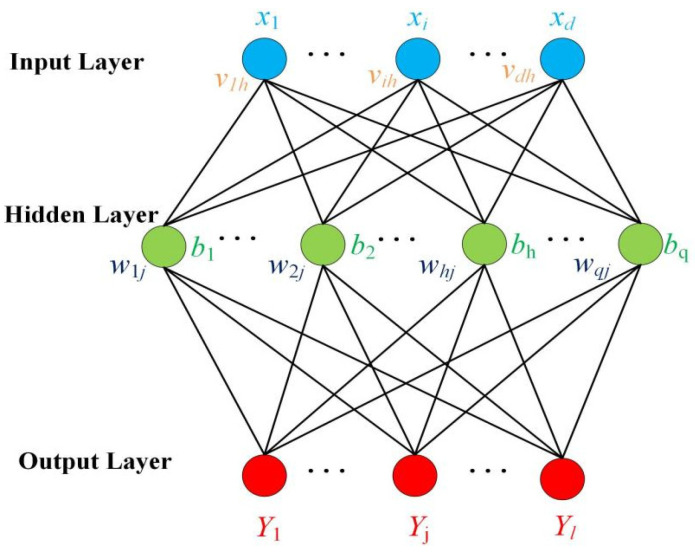
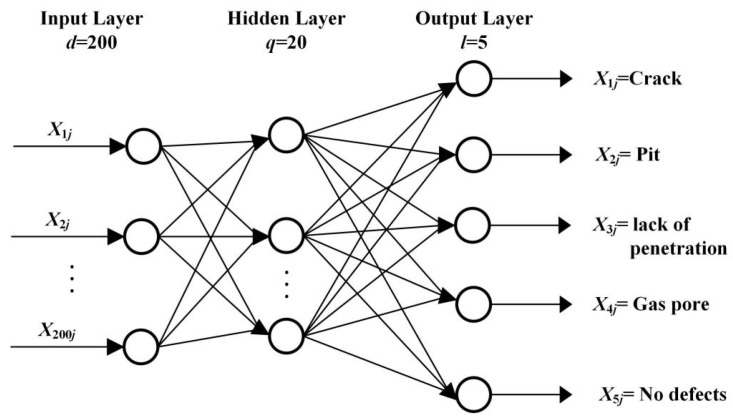
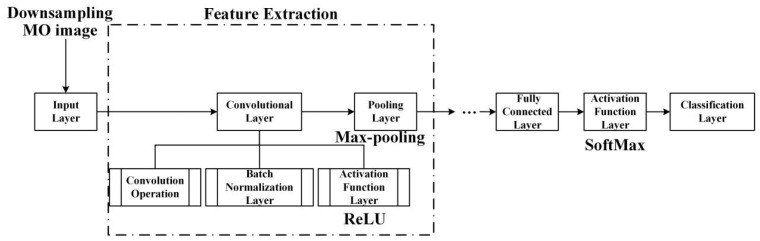
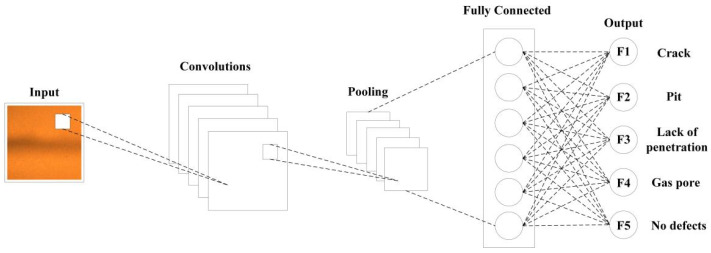
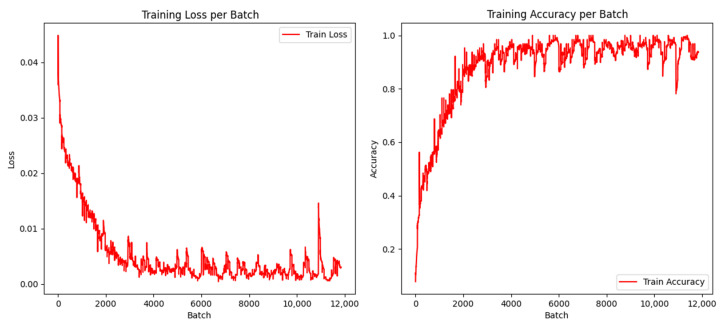
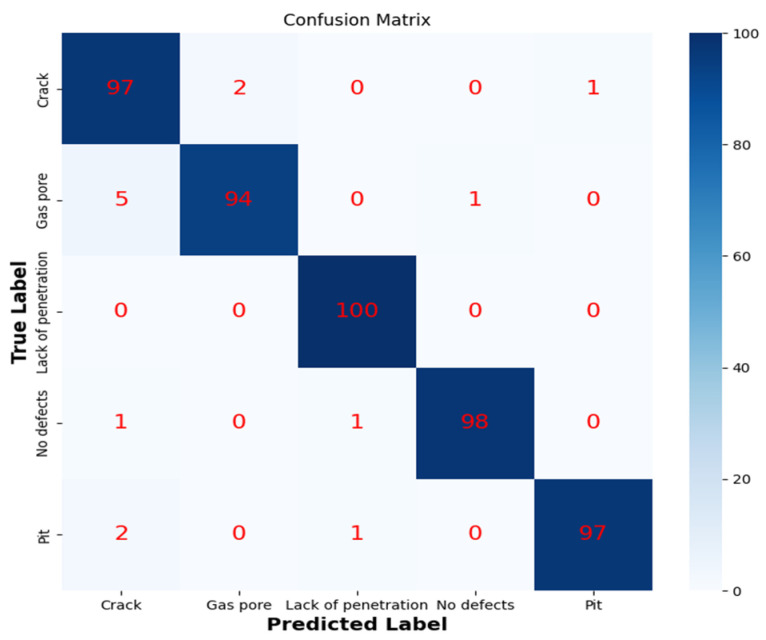
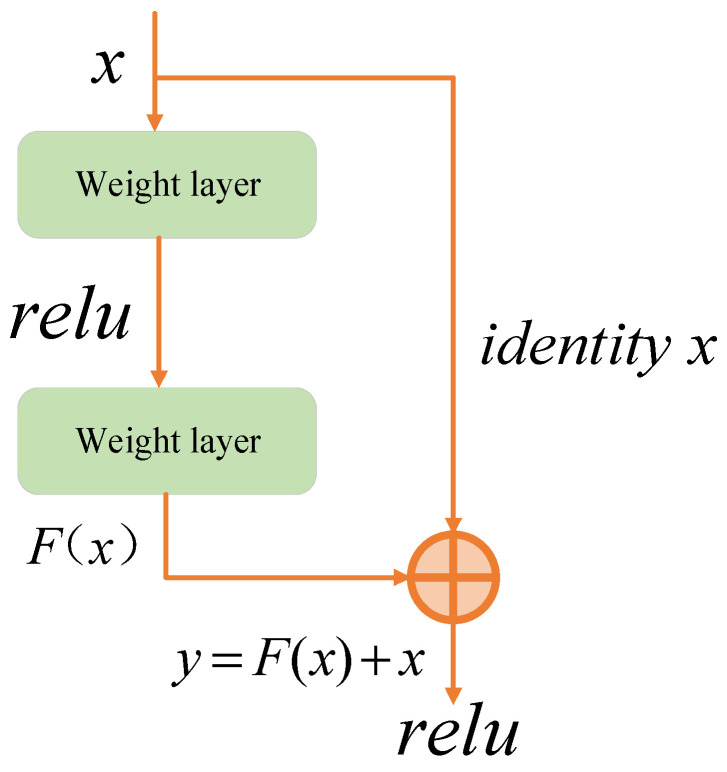
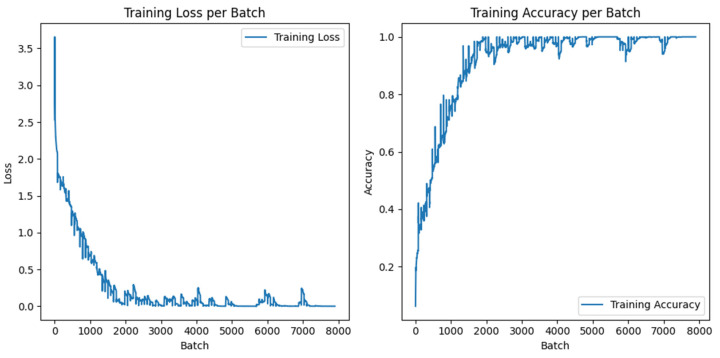
It is difficult to detect and identify natural defects in welded components. To solve this problem, according to the Faraday magneto-optical (MO) effect, a nondestructive testing system for MO imaging, excited by an alternating magnetic field, is established. For the acquired MO images of crack, pit, lack of penetration, gas pore, and no defect, Gaussian filtering, bilateral filtering, and median filtering are applied for image preprocessing. The effectiveness of these filtering methods is evaluated using metrics such as peak signal-noise ratio (PSNR) and mean squared error. Principal component analysis (PCA) is employed to extract column vector features from the downsampled defect MO images, which then serve as the input layer for the error backpropagation (BP) neural network model and the support vector machine (SVM) model. These two models can be used for the classification of partial defect MO images, but the recognition accuracy for cracks and gas pores is comparatively low. To further enhance the classification accuracy of natural weld defects, a convolutional neural network (CNN) classification model and a ResNet50 classification model for MO images of natural weld defects are established, and the model parameters are evaluated and optimized. The experimental results show that the overall classification accuracy of the ResNet50 model is 99%. Compared with the PCA-SVM model and CNN model, the overall classification accuracy was increased by 7.4% and 1.8%, and the classification accuracy of gas pore increased by 10% and 4%, respectively, indicating that the ResNet50 model can effectively and accurately classify natural weld defects.
检测和识别焊接部件中的自然缺陷具有一定难度。为解决这一问题,依据法拉第磁光(MO)效应,建立了一种由交变磁场激发的用于MO成像的无损检测系统。对于采集到的裂纹、凹坑、未焊透、气孔以及无缺陷的MO图像,采用高斯滤波、双边滤波和中值滤波进行图像预处理。使用峰值信噪比(PSNR)和均方误差等指标评估这些滤波方法的有效性。采用主成分分析(PCA)从下采样后的缺陷MO图像中提取列向量特征,这些特征随后作为误差反向传播(BP)神经网络模型和支持向量机(SVM)模型的输入层。这两种模型可用于对部分缺陷MO图像进行分类,但对裂纹和气孔的识别准确率相对较低。为进一步提高自然焊接缺陷的分类准确率,建立了针对自然焊接缺陷MO图像的卷积神经网络(CNN)分类模型和ResNet50分类模型,并对模型参数进行评估和优化。实验结果表明,ResNet50模型的总体分类准确率为99%。与PCA - SVM模型和CNN模型相比,总体分类准确率分别提高了7.4%和1.8%,气孔的分类准确率分别提高了10%和4%,表明ResNet50模型能够有效且准确地对自然焊接缺陷进行分类。