Li Yan, Li Xin, Peng Dan, Luo Jiaxin, Zhu Shuai, Du Haibo, Li Xiaoning, Zhang Jiafeng, Meng Jun, Pei Xiaona, Zhao Xiyang
Jilin Provincial Key Laboratory of Tree and Grass Genetics and Breeding, College of Forestry and Grassland Science, Jilin Agricultural University, Changchun, 130118, China.
College of Life Science, Jilin Agricultural University, Changchun, 130118, China.
BMC Plant Biol. 2024 Dec 18;24(1):1182. doi: 10.1186/s12870-024-05924-6.
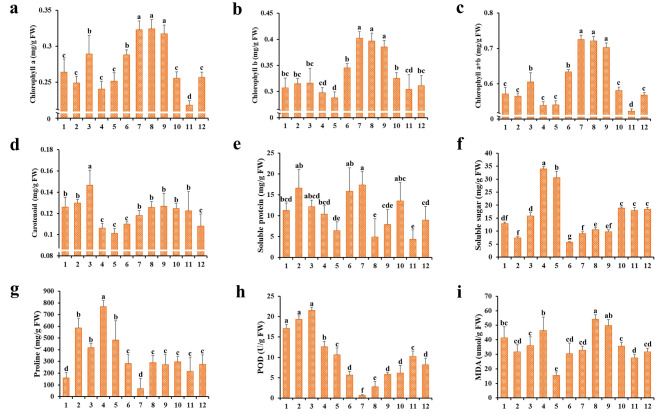
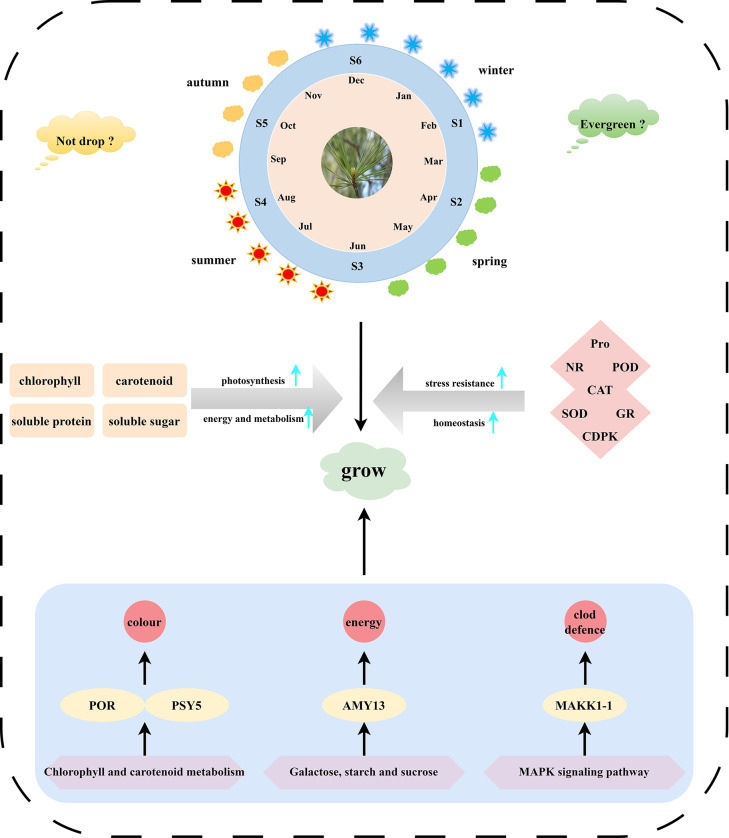
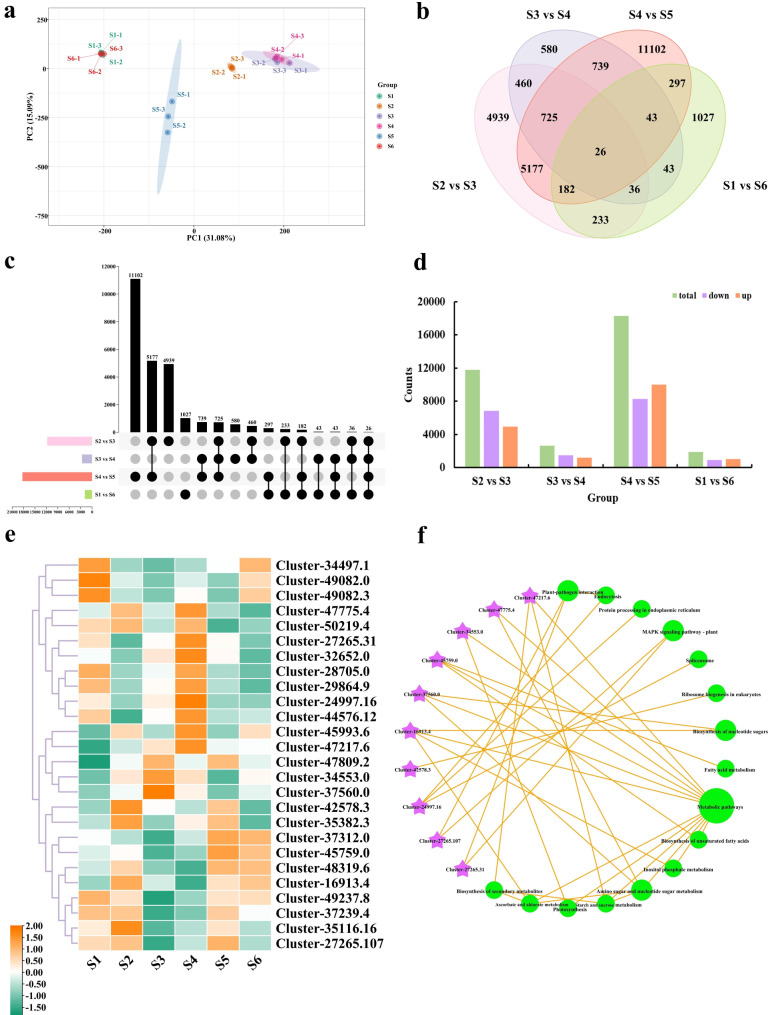
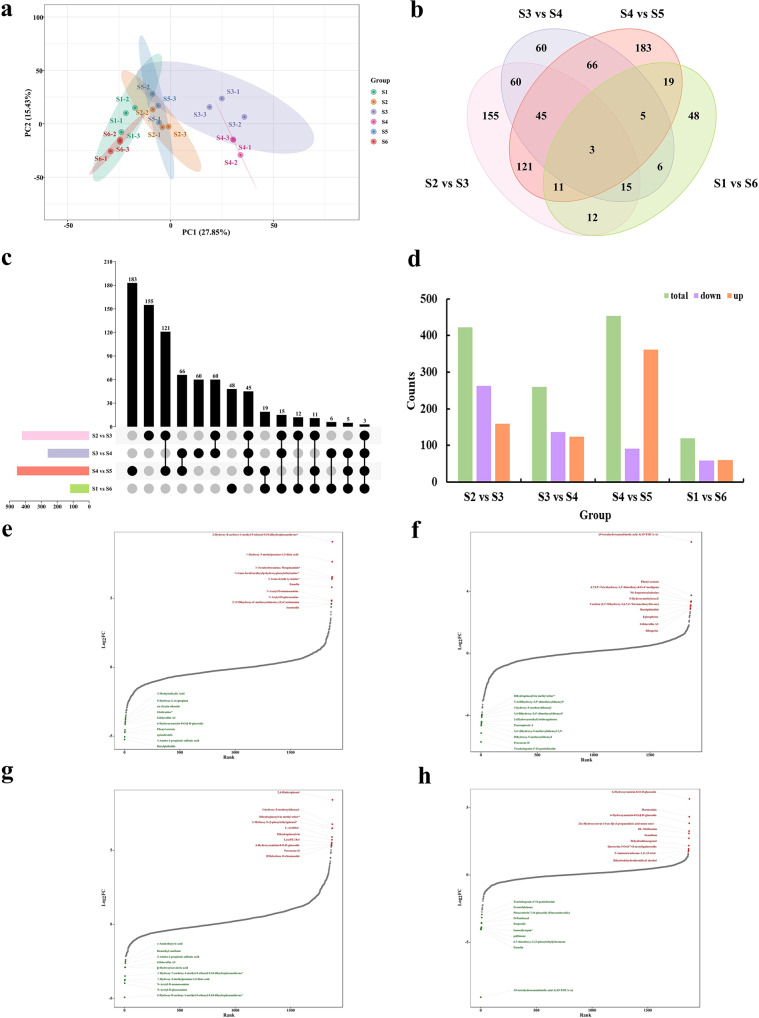
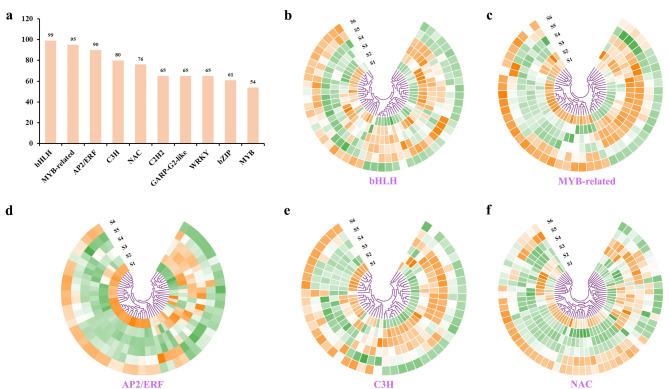
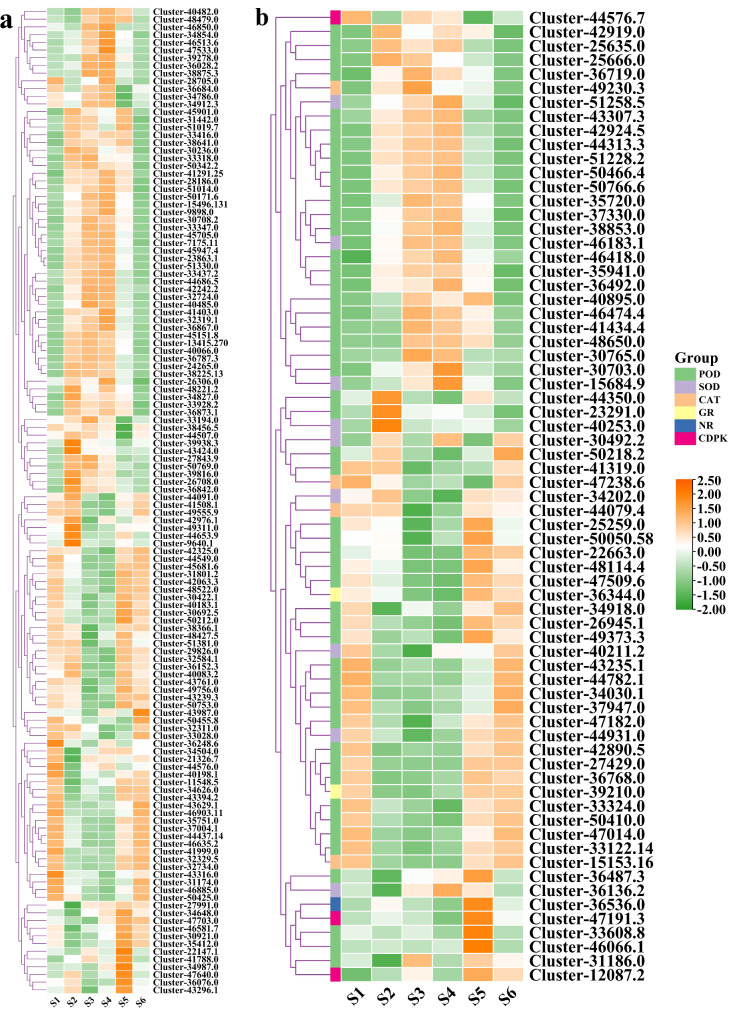
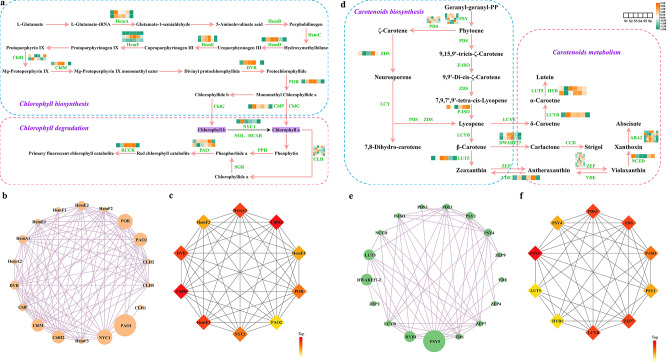
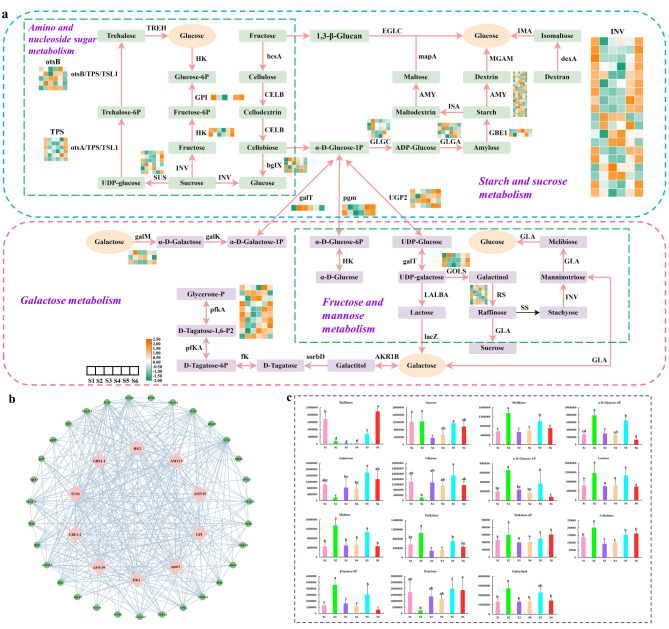
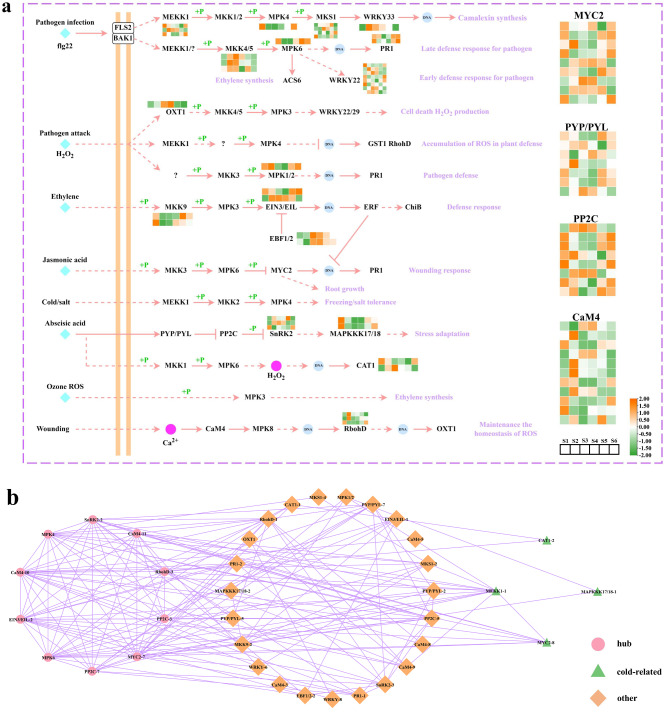
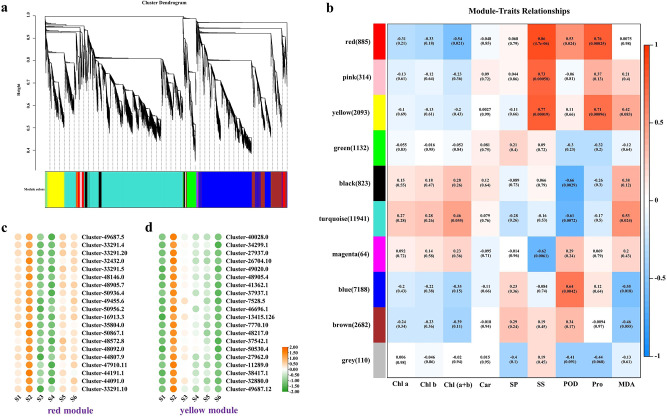
As a significant fruit and timber tree species among conifers, Pinus koraiensis remains it evergreen status throughout the harsh winters of the north, a testament to its intricate and prolonged evolutionary adaptation. This study delves into the annual trends of physiological indicators, gene expression levels, and metabolite accumulation to dissect the seasonal adaptability of P. koraiensis needles. Chlorophyll content reaches its zenith primarily between July and September, whereas carotenoids persist until spring. Additionally, notable seasonal variations are observed in the levels of soluble sugar and protein. Transcriptome data is categorized into four distinct stages: spring (S2), summer (S3-S4), autumn (S5), and winter (S6-S1). The differential expression of transcription factor genes, including bHLH, MYB-related, AP2/ERF, C3H, and NAC, provides insights into the needles' seasonal adaptations. Analysis of chlorophyll and carotenoid metabolism, sugar metabolism, and the MAPK signaling pathway identifies PSY5 (Cluster-50735.3), AMY13 (Cluster-37114.0), pgm1 (Cluster-46022.0), and MEKK1-1 (Cluster-33069.0) may as potential key genes involved in sustaining the needle's evergreen nature and cold resistance. Ultimately, a comprehensive annual adaptability map for P. koraiensis is proposed, enhancing understanding of its responses to seasonal variations.
红松作为针叶树中重要的果树和用材树种,在北方严寒的冬季始终保持常绿状态,这证明了其复杂而漫长的进化适应性。本研究深入探讨了生理指标、基因表达水平和代谢物积累的年度变化趋势,以剖析红松针叶的季节适应性。叶绿素含量主要在7月至9月间达到峰值,而类胡萝卜素则持续到春季。此外,可溶性糖和蛋白质水平也存在显著的季节变化。转录组数据分为四个不同阶段:春季(S2)、夏季(S3 - S4)、秋季(S5)和冬季(S6 - S1)。包括bHLH、MYB相关、AP2/ERF、C3H和NAC在内的转录因子基因的差异表达,为针叶的季节适应性提供了见解。对叶绿素和类胡萝卜素代谢、糖代谢以及MAPK信号通路的分析表明,PSY5(Cluster - 50735.3)、AMY13(Cluster - 37114.0)、pgm1(Cluster - 46022.0)和MEKK1 - 1(Cluster - 33069.0)可能是维持针叶常绿特性和抗寒能力的潜在关键基因。最终,提出了红松全面的年度适应性图谱,加深了对其对季节变化反应的理解。