Nichols Molly M, Radcliffe Amy, Daniel Allen
Medical Education and Simulation, Maidstone and Tunbridge Wells National Health Service (NHS) Trust, Kent, GBR.
Cureus. 2024 Nov 18;16(11):e73916. doi: 10.7759/cureus.73916. eCollection 2024 Nov.
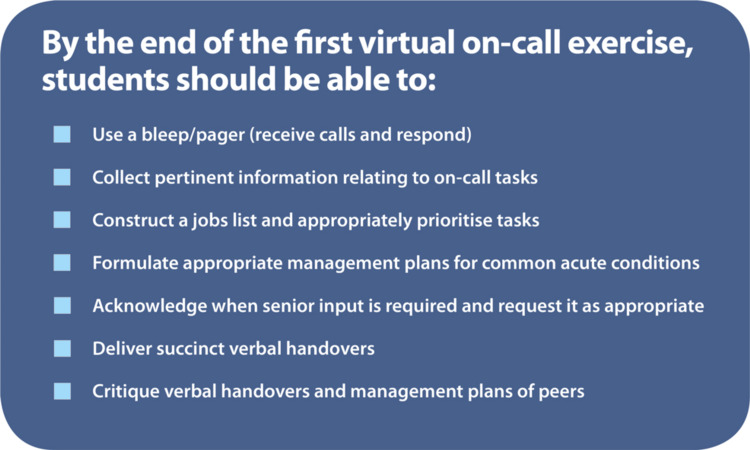
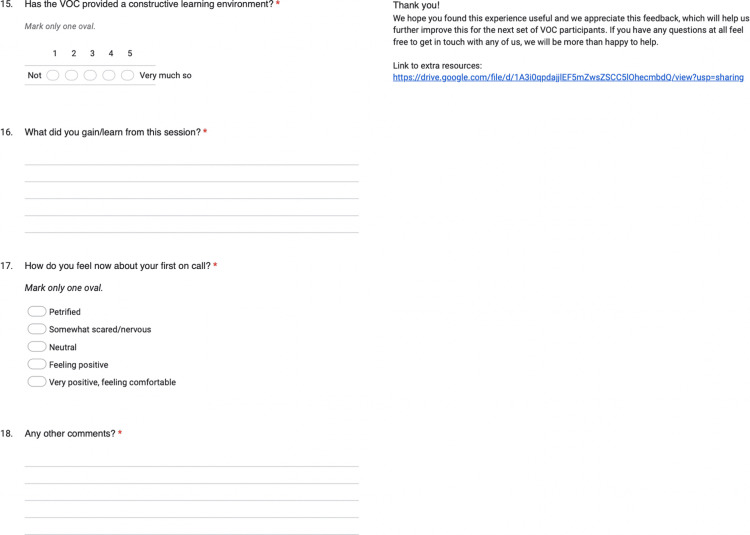
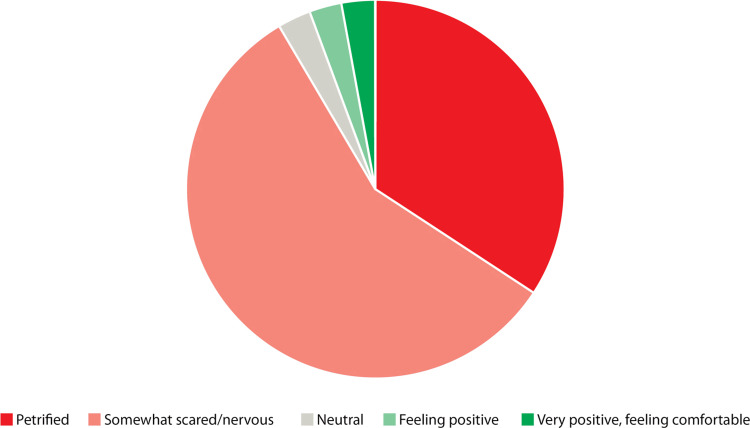
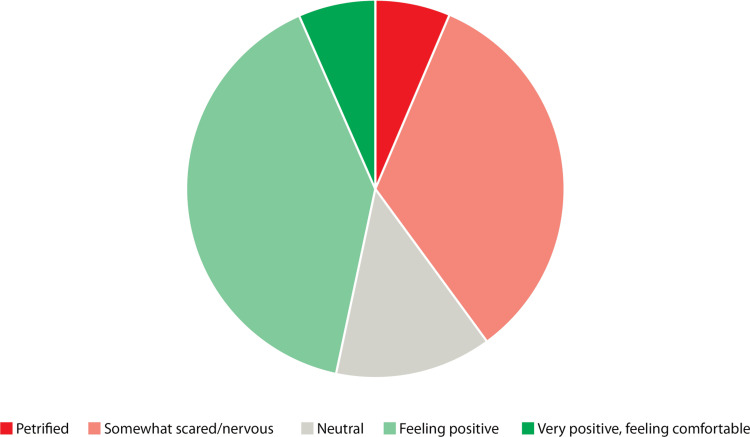
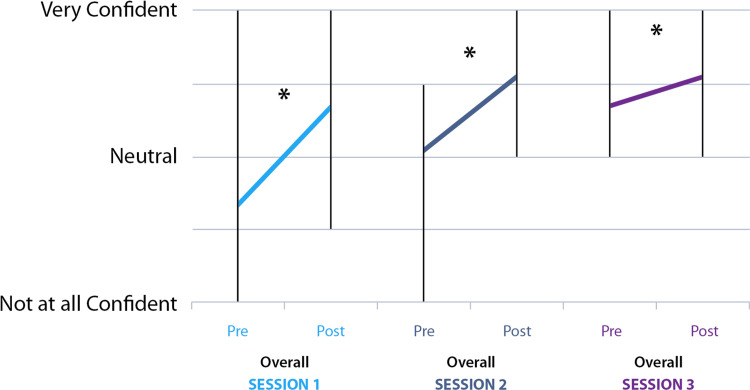
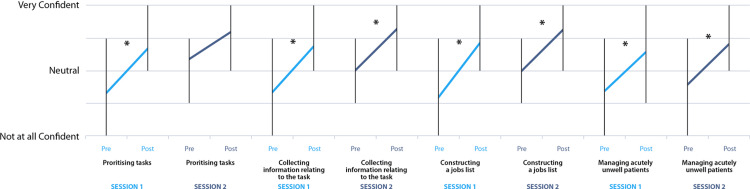
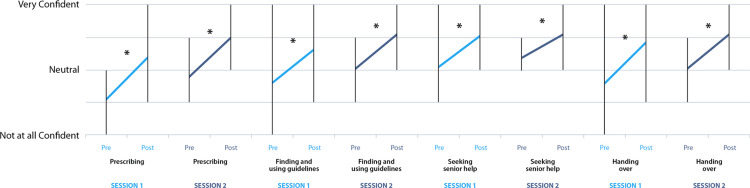
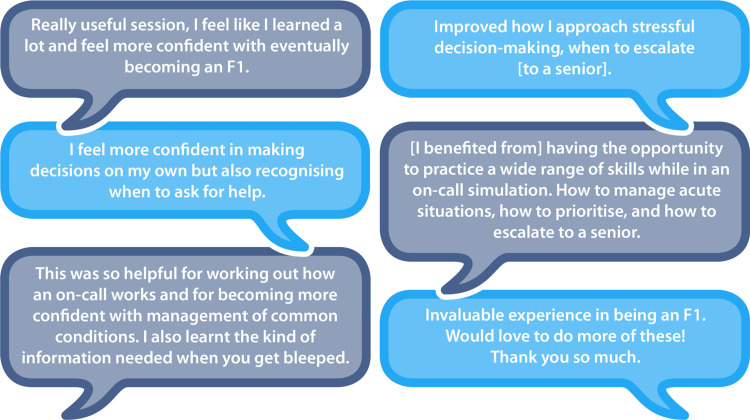
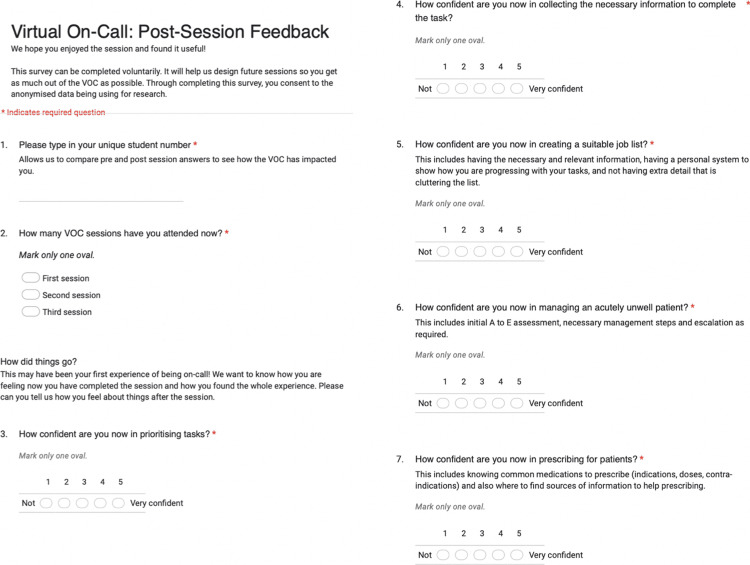
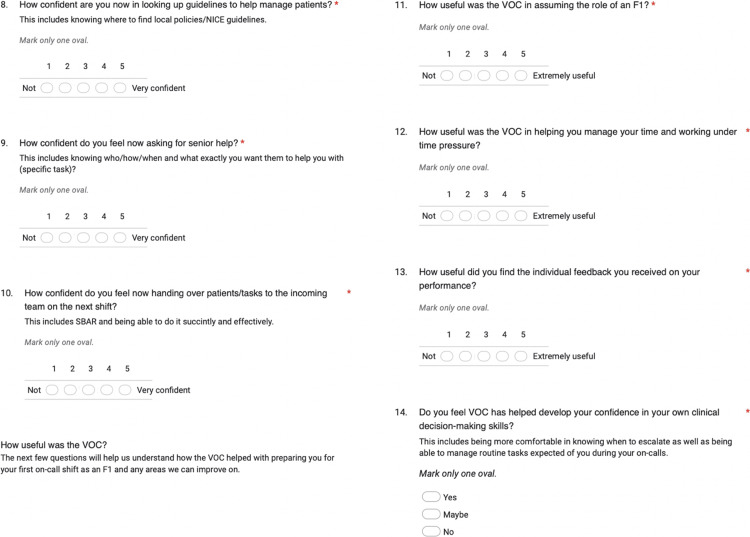
Background Many newly qualified doctors feel unprepared for clinical practice. The literature identifies themes including difficulties with clinical reasoning, emergency management, handover, and prioritization of tasks. Although there is an expected level of anxiety for newly qualified doctors, this appears to be amplified with respect to the first on-call shifts that encompass these themes. Materials and methods Virtual on-call (VOC) is a low-fidelity, ward-based simulation for senior undergraduate medical students designed to simulate an on-call in a supported environment with high psychological fidelity. Sessions were provided across two hospital sites for students to attend voluntarily. Three simulation sessions were created, each composed of five medical and surgical scenarios of differing complexity. Students responded to simulated bleeps (pager messages) and attended relevant wards to find patient notes and complete paper-based tasks. A student-led handover concluded the simulation followed by facilitator-led structured feedback and debrief. Students completed pre- and post-session questionnaires collecting quantitative and qualitative feedback. Facilitators received feedback on their teaching. A total of 30 resident doctors volunteered to teach, and 39 students attended at least one session. Results Pre-session questionnaires highlighted that 91% of respondents (n=32) felt scared/nervous/petrified about the idea of their first on-call. Prior to the first VOC session, the baseline assessment highlighted a lack of confidence among medical students regarding on-call working. Post-session results (session one) showed statistically significant increases in confidence in all the themes assessed (paired t-test with statistical significance considered at p<0.05). Forty-seven percent of first-session participants (n=14) felt positive about on-call working after attending VOC. Students who completed multiple sessions continued to have significant increases in their overall confidence levels between sessions. All students who attended three sessions were left feeling positive about their first on-call (n=2). About 95% (n=38) reported a constructive learning environment which was useful to improve preparedness for practice and time management skills. Although students reported finding the experience stressful at times, they remarked how it was beneficial to have "the opportunity to practice a wide range of skills while in an on-call simulation, how to manage acute situations, how to prioritize, and how to escalate to a senior." They reported feeling "more confident holding the bleep, finding guidance, and seeking guidance." Conclusion This program fills an unmet educational need. Feedback was overwhelmingly positive, displaying significantly increased confidence in multiple skills associated with being a safe and successful on-call doctor. We hope that the confidence gained from the on-call program will translate to improved practice when the participants qualify as doctors with a positive impact on patient care.
许多新获得资格的医生感觉对临床实践毫无准备。文献中指出了一些主题,包括临床推理困难、应急处理、交接班以及任务优先级安排等问题。尽管新获得资格的医生会有一定程度的焦虑,但在包含这些主题的首次值班轮班期间,这种焦虑似乎会加剧。
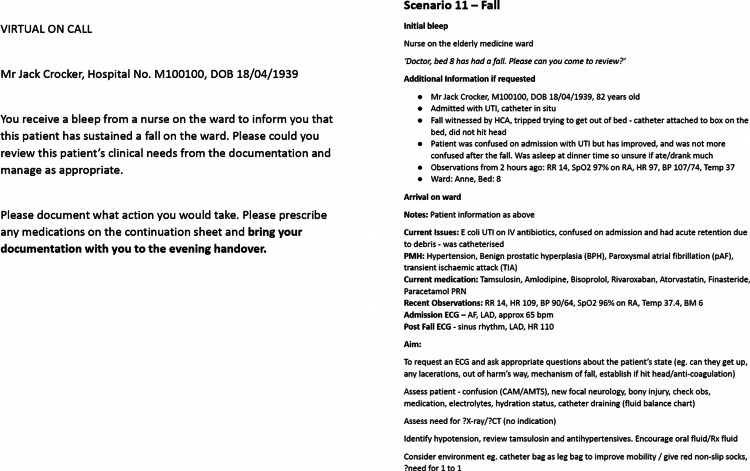
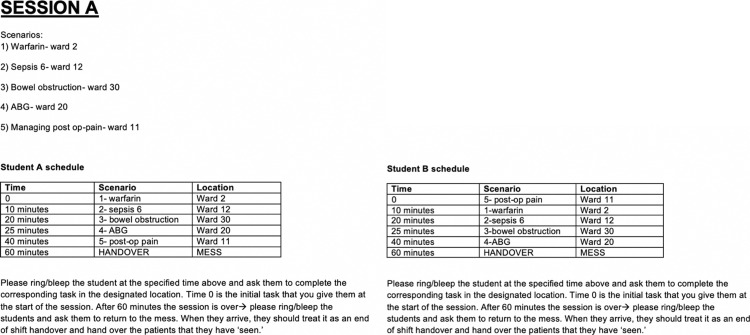
虚拟值班(VOC)是一种针对高年级本科医学生的低保真度、基于病房的模拟,旨在在具有高心理保真度的支持环境中模拟值班情况。在两个医院地点提供了课程供学生自愿参加。创建了三个模拟课程,每个课程由五个不同复杂程度的内科和外科场景组成。学生们对模拟的传呼(寻呼机消息)做出响应,并前往相关病房查找患者病历并完成纸质任务。模拟结束时由学生主导进行交接班,随后由主持人进行结构化反馈和总结汇报。学生们完成课前和课后问卷,收集定量和定性反馈。主持人收到关于他们教学的反馈。共有30名住院医生自愿参与教学,39名学生至少参加了一次课程。
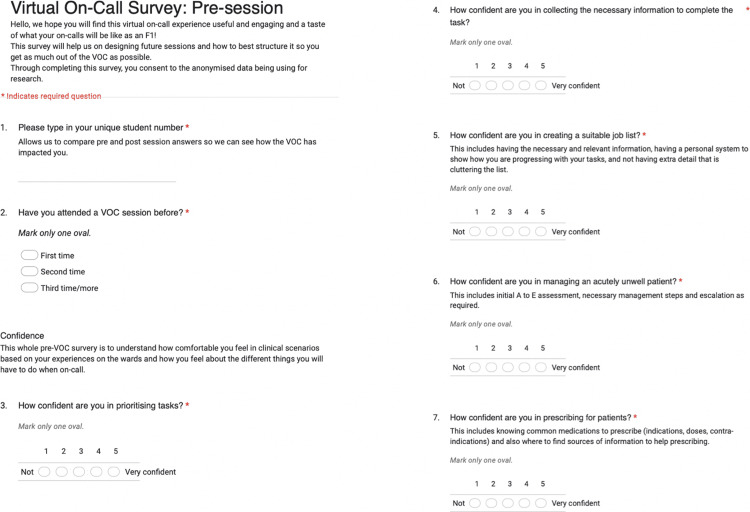
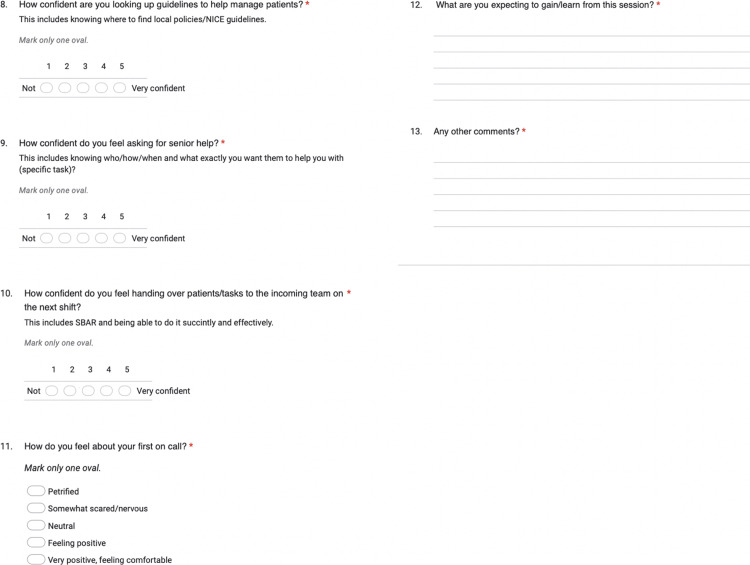
课前问卷显示,91%的受访者(n = 32)对首次值班感到害怕/紧张/恐惧。在第一次VOC课程之前,基线评估突出显示医学生对值班工作缺乏信心。课后结果(第一次课程)显示,在所有评估主题方面,信心有统计学意义的显著提高(配对t检验,p < 0.05时认为具有统计学意义)。47%的第一次课程参与者(n = 14)在参加VOC后对值班工作持积极态度。完成多个课程的学生在各课程之间总体信心水平持续显著提高。所有参加三次课程的学生对他们的首次值班都感觉良好(n = 2)。约95%(n = 38)的学生报告称这是一个有建设性的学习环境,有助于提高实践准备和时间管理技能。尽管学生们报告有时觉得这种体验有压力,但他们提到“有机会在值班模拟中练习广泛的技能、如何处理紧急情况、如何确定优先级以及如何向上级汇报”是有益的。他们表示“拿着传呼机、寻找指导和寻求指导时更有信心了”。
该项目满足了一项未得到满足的教育需求。反馈总体上是积极的,显示出在与成为一名安全且成功的值班医生相关的多项技能方面信心显著增强。我们希望从值班项目中获得的信心在参与者成为医生后能转化为更好地实践,对患者护理产生积极影响。