Fan Huimin, Tan Xin, Xu Shuai, Zeng Yiyao, Zhang Hailong, Shao Tong, Zhao Runze, Zhou Peng, Bo Xiaohong, Fan Jili, Fu Yangjun, Ding Xulong, Zhou Yafeng
Center of Translational Medicine and Clinical Laboratory, Suzhou Dushu Lake Hospital, The Fourth Affiliated Hospital to Soochow University, Suzhou, 215000, China.
Department of Cardiology, Suzhou Dushu Lake Hospital, The Fourth Affiliated Hospital of Soochow University, Medical Center of Soochow University, Suzhou, 215000, China.
Mol Med. 2024 Dec 19;30(1):249. doi: 10.1186/s10020-024-01024-1.
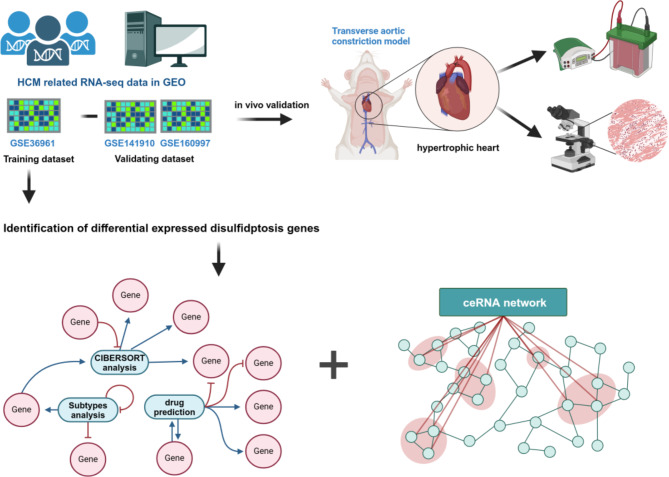
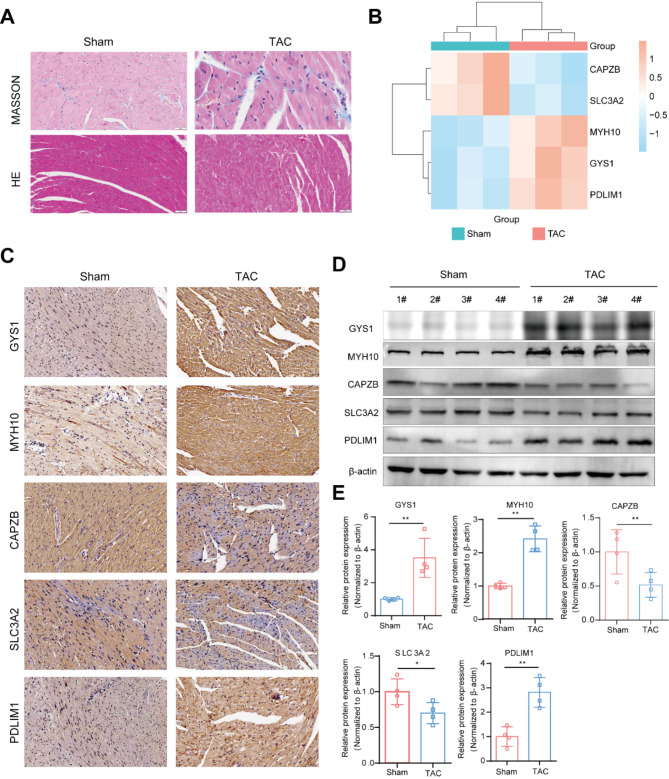
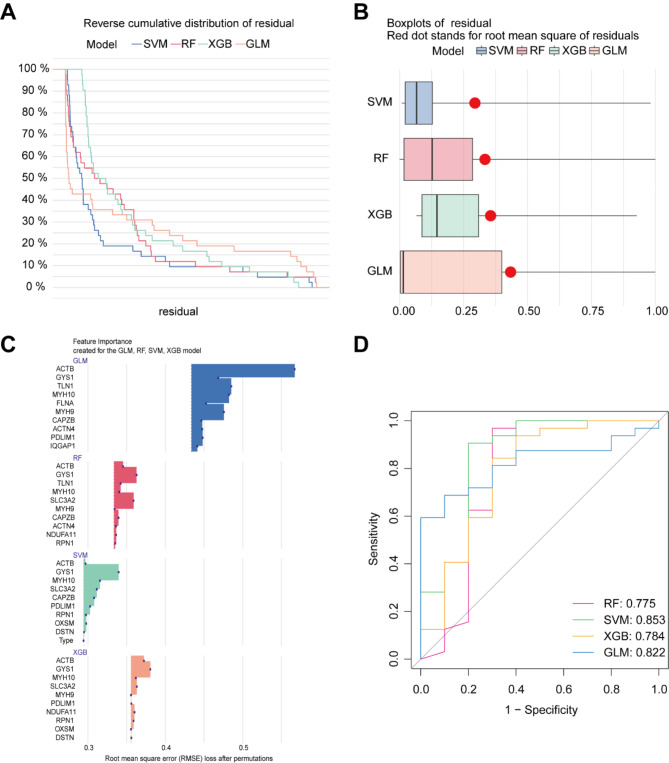
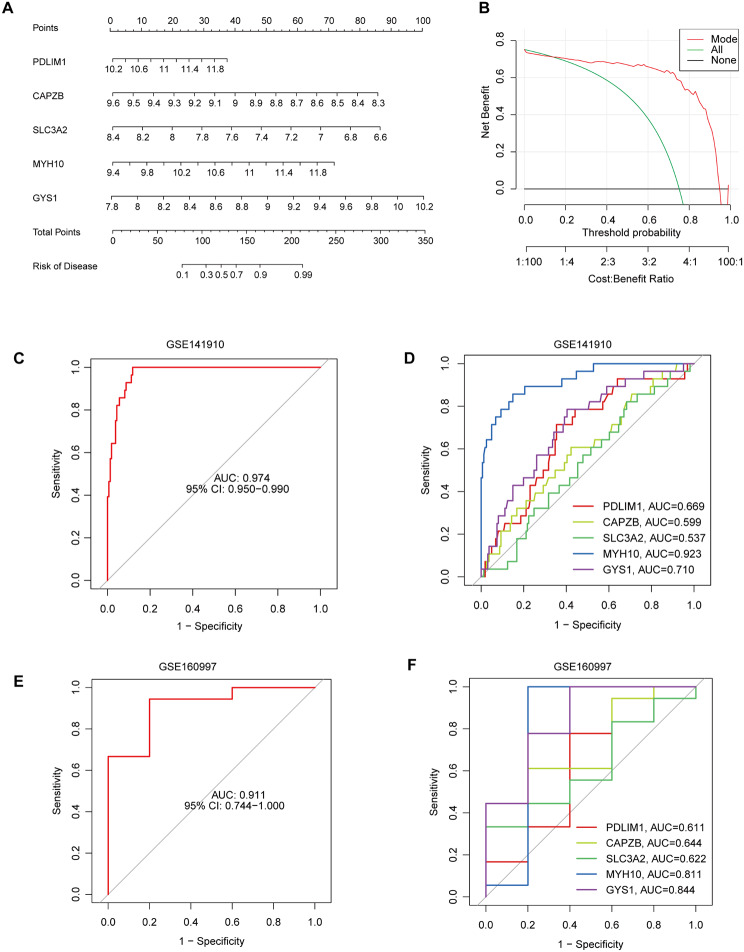
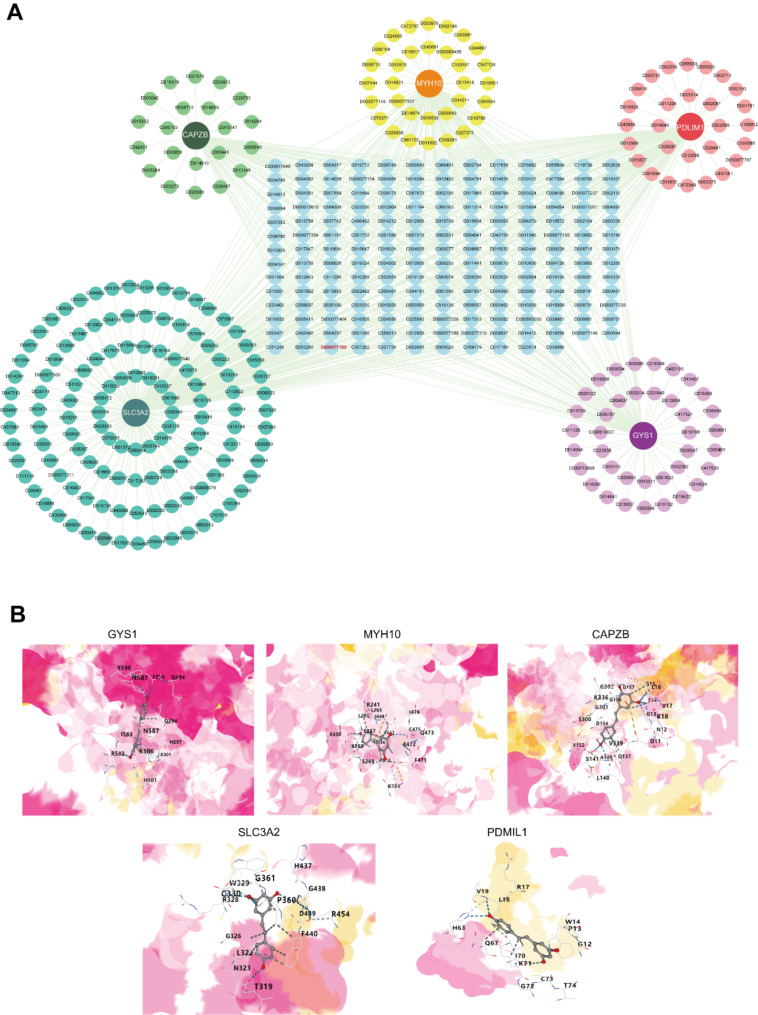
Hypertrophic cardiomyopathy (HCM) is one of the most common cardiovascular diseases with no effective treatment due to its complex pathogenesis. A novel cell death, disulfidptosis, has been extensively studied in the cancer field but rarely in cardiovascular diseases. This study revealed the potential relationship between disulfidptosis and hypertrophic cardiomyopathy and put forward a predictive model containing disulfidptosis-associated genes (DRGs) of GYS1, MYH10, PDMIL1, SLC3A2, CAPZB, showing excellent performance by SVM machine learning model. The results were further validated by western blot, RNA sequencing and immunohistochemistry in a TAC mice model. In addition, resveratrol was selected as a therapeutic drug targeting core genes using the CTD database. In summary, this study provides new perspectives for exploring disulfidptosis-related biomarkers and potential therapeutic targets for hypertrophic cardiomyopathy.
肥厚型心肌病(HCM)是最常见的心血管疾病之一,由于其发病机制复杂,目前尚无有效的治疗方法。一种新的细胞死亡方式——二硫键介导的细胞死亡(disulfidptosis),已在癌症领域得到广泛研究,但在心血管疾病中的研究较少。本研究揭示了二硫键介导的细胞死亡与肥厚型心肌病之间的潜在关系,并提出了一个包含GYS1、MYH10、PDMIL1、SLC3A2、CAPZB等二硫键介导的细胞死亡相关基因(DRGs)的预测模型,该模型经支持向量机(SVM)机器学习模型验证,表现优异。通过蛋白质免疫印迹法、RNA测序和免疫组织化学方法在主动脉缩窄(TAC)小鼠模型中进一步验证了研究结果。此外,利用CTD数据库选择白藜芦醇作为靶向核心基因的治疗药物。总之,本研究为探索与二硫键介导的细胞死亡相关的生物标志物以及肥厚型心肌病的潜在治疗靶点提供了新的视角。