Bodden Daniel, Schoenen Stefanie, Wied Stephanie, Verbeeck Johan, Dirani Maya, Abou Daya Hiba, Heussen Nicole, Molenberghs Geert, Hilgers Ralf-Dieter, Nabbout Rima
Institute of Medical Statistics, RWTH Aachen University Aachen, Pauwelsstrasse 19, 52064, Aachen, Germany.
I-BioStat, Data Science Institute, Hasselt University, Martelarenlaan 42, 3500, Hasselt, Belgium.
Orphanet J Rare Dis. 2024 Dec 19;19(1):467. doi: 10.1186/s13023-024-03482-6.
The European Joint Programme on Rare Diseases aims to enhance the rare diseases research ecosystem by bringing together stakeholders such as research funders, institutions and patient organizations. Work Package 20 focuses on the validation, use and development of innovative methodologies for rare disease clinical trials. This paper reports on the outcomes of a retreat held in April 2023, where areas for innovation and educational needs in rare disease clinical trials were discussed in multi-stakeholder sessions.
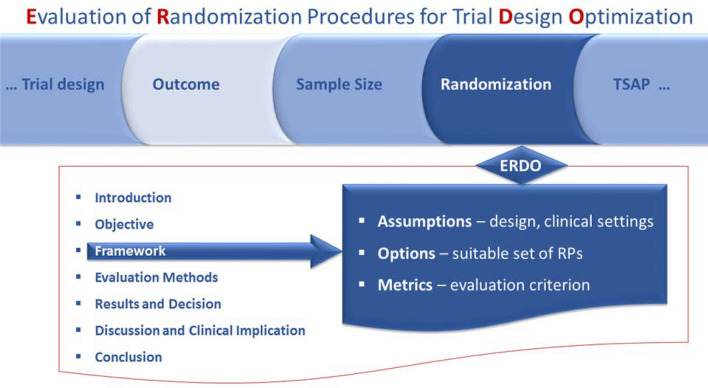
Multi-stakeholder sessions covered the topics: Future Educational System, Randomization in Rare Disease Clinical Trials, Endpoints in Rare Disease Clinical Trials and Using History Course Data. The sessions began with expert presentations to set the scene, followed by guided discussions facilitated by questions on a collaborative digital whiteboard. Participants wrote responses, which were then discussed live with the experts.
Training is needed for diverse stakeholders in rare disease clinical trials to enhance understanding and drive innovation. Challenges include a lack of standardized terminology for multiple endpoints, inadequate understanding of randomization in small sample studies and various obstacles in effectively using natural history data.
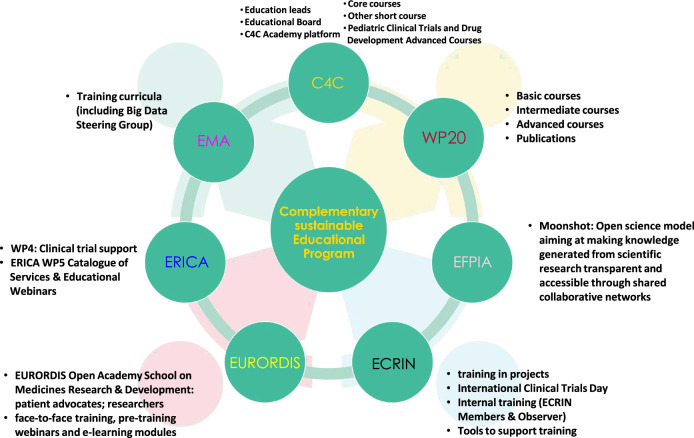
Creating a comprehensive and sustainable educational program for rare diseases clinical trial methodology requires strategic collaboration and adherence to FAIR principles. The workshop highlighted the need for innovations for topics in areas such as handling missing data, optimizing the extraction of information from small samples, remote endpoint measurement and new randomized inference techniques. Additionally, integrating innovations into tailored training programs is crucial for advancing the field.
欧洲罕见病联合计划旨在通过汇聚研究资助者、机构和患者组织等利益相关者,加强罕见病研究生态系统。工作包20专注于罕见病临床试验创新方法的验证、应用和开发。本文报告了2023年4月举行的一次务虚会的成果,会上在多利益相关者会议中讨论了罕见病临床试验的创新领域和教育需求。
多利益相关者会议涵盖以下主题:未来教育系统、罕见病临床试验中的随机化、罕见病临床试验中的终点以及使用疾病自然史数据。会议开始时由专家进行介绍以奠定基调,随后在协作式数字白板上通过提问引导进行讨论。参与者写下回复,然后与专家进行现场讨论。
需要对罕见病临床试验中的不同利益相关者进行培训,以增强理解并推动创新。挑战包括多个终点缺乏标准化术语、对小样本研究中的随机化理解不足以及有效使用自然史数据存在各种障碍。
为罕见病临床试验方法创建一个全面且可持续的教育计划需要战略协作并遵循FAIR原则。研讨会强调了在处理缺失数据、优化从小样本中提取信息、远程终点测量和新的随机推断技术等领域进行创新的必要性。此外,将创新融入量身定制的培训计划对于推动该领域发展至关重要。