Zhu Chun-Yan, Zhai Tian-Tian, Su Meng, Pan Hong-Chao, Tang Qian, Huang Bao-Hua, Chi Xin-Rui, Li Nuo, Xie Ling-Hui, Qiu Si-Qi, Pan Feng, Huang Guo-Wei
Department of Pathology, Shantou University Medical College, Shantou, 515041, Guangdong, China.
Department of radiotherapy, Cancer Hospital of Shantou University Medical College, Shantou, Guangdong, 515041, China.
Commun Biol. 2024 Dec 19;7(1):1645. doi: 10.1038/s42003-024-07341-9.
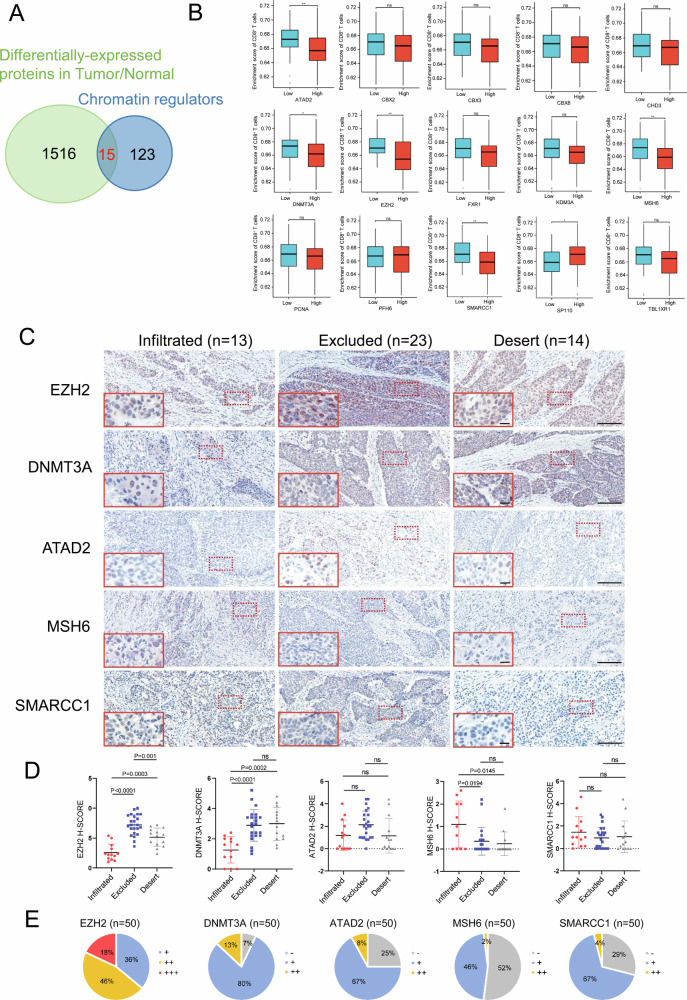
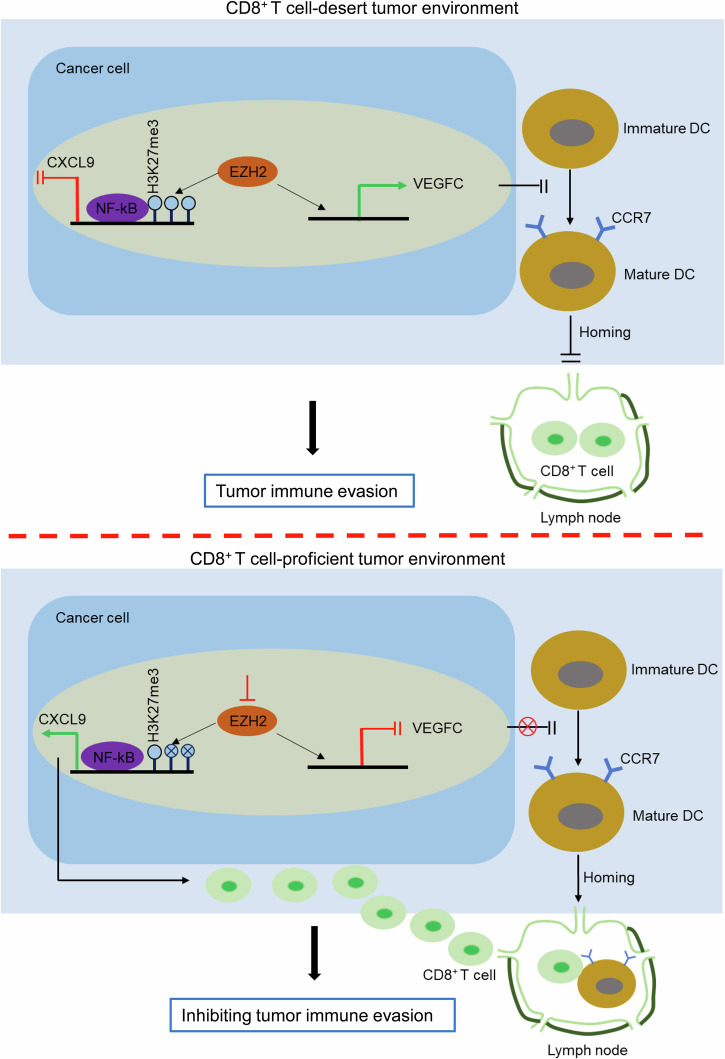
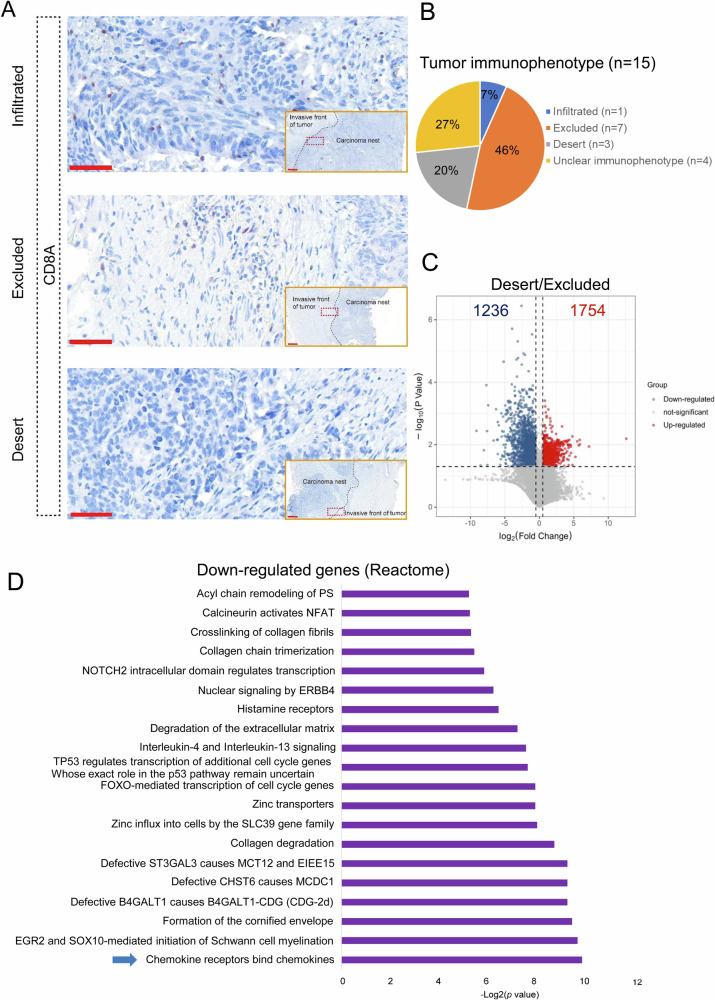
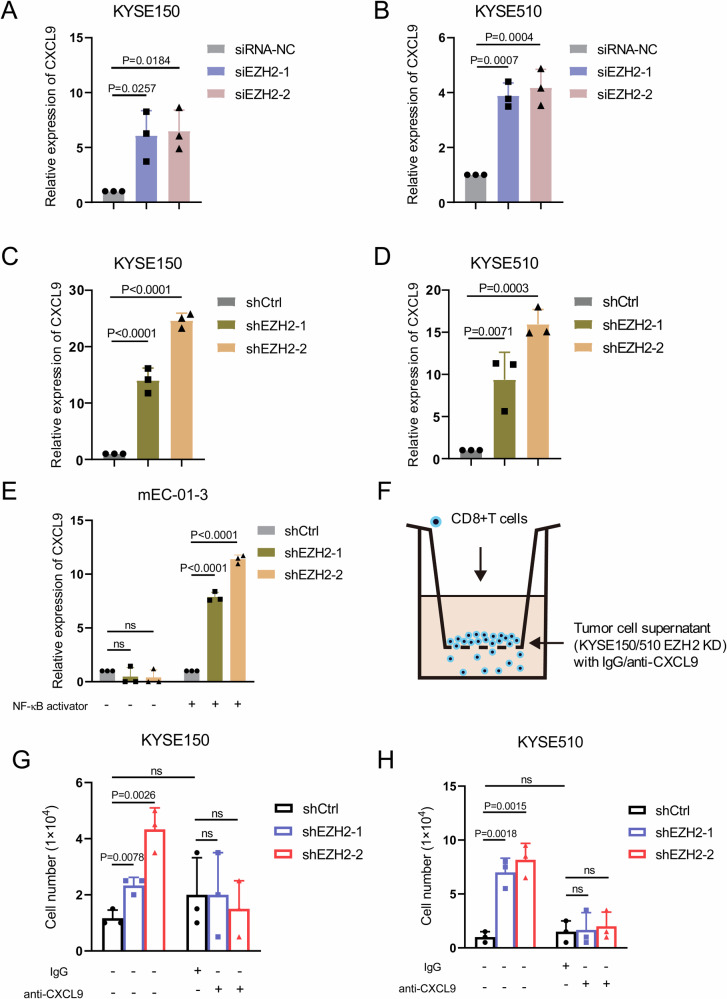
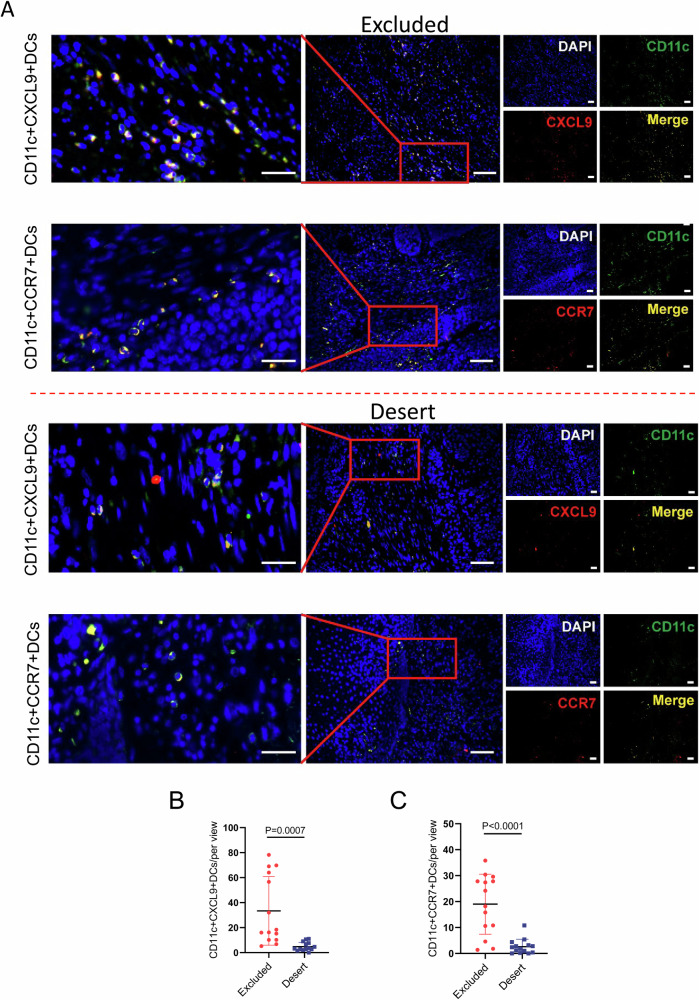
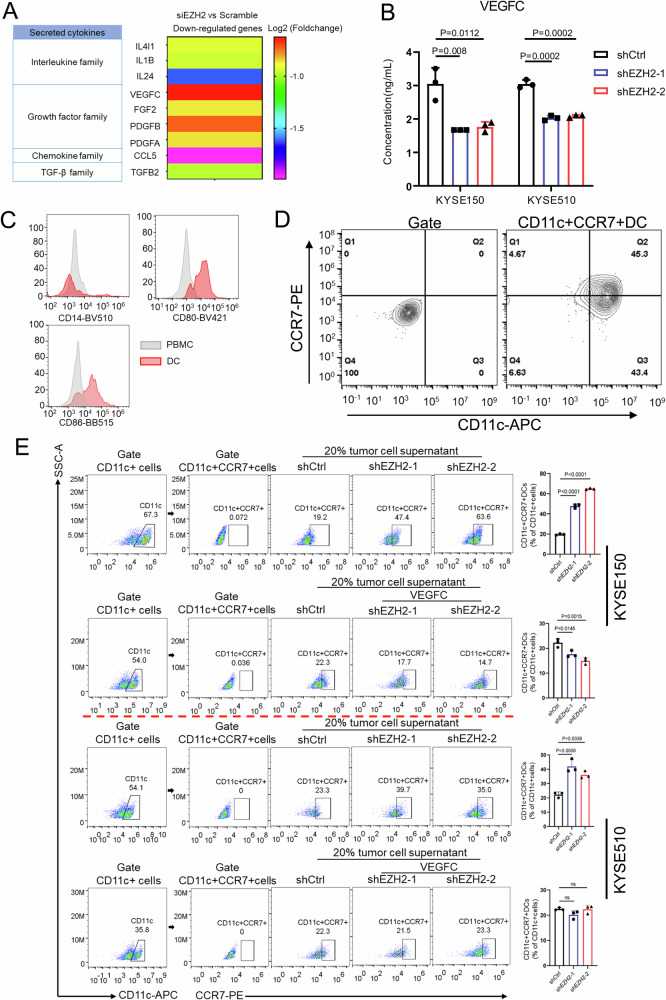
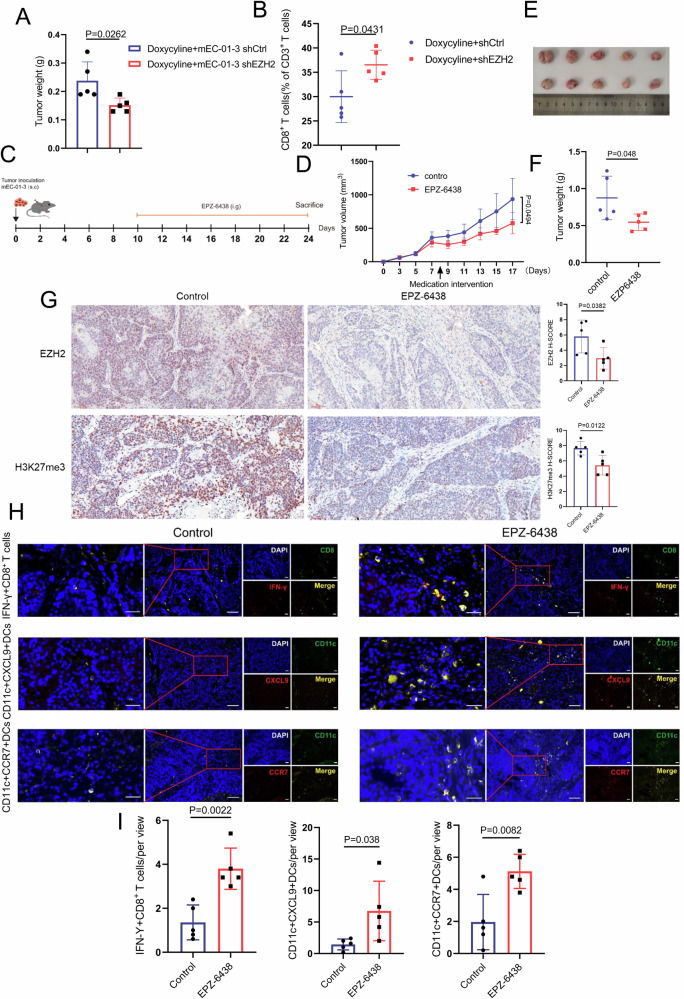
CD8 T cell spatial distribution in the context of tumor microenvironment (TME) dictates the immunophenotypes of tumors, comprised of immune-infiltrated, immune-excluded and immune-desert, discriminating "hot" from "cold" tumors. The infiltration of cytotoxic CD8 T cells is associated with favorable therapeutic response. Hitherto, the immunophenotypes of esophageal squamous cell carcinoma (ESCC) have not yet been comprehensively delineated. Herein, we comprehensively characterized the immunophenotypes of ESCC and identified a subset of ESCC, which was defined as cold tumor and characterized with CD8 T cell-desert TME. However, the mechanism underlying the defect of CD8 T cells in TME is still pending. Herein, we uncovered that tumor cell-intrinsic EZH2 with high expression was associated with the immunophenotype of immune-desert tumors. Targeted tumor cell-intrinsic EZH2 rewired the transcriptional activation of CXCL9 mediated by NF-κB and concomitantly reinvigorated DC maturation differentiation via inducing the reduction of VEGFC secretion, thereby enhancing the infiltration of cytotoxic CD8 T cells into TME and inhibiting tumor immune evasion. Our findings identify EZH2 as a potential therapeutic target and point to avenues for targeted therapy applied to patients with ESCC characterized by CD8 T cell-desert tumors.
肿瘤微环境(TME)背景下CD8 T细胞的空间分布决定了肿瘤的免疫表型,包括免疫浸润型、免疫排斥型和免疫沙漠型,从而区分“热”肿瘤和“冷”肿瘤。细胞毒性CD8 T细胞的浸润与良好的治疗反应相关。迄今为止,食管鳞状细胞癌(ESCC)的免疫表型尚未得到全面描述。在此,我们全面表征了ESCC的免疫表型,并确定了ESCC的一个亚组,其被定义为冷肿瘤,其特征为CD8 T细胞缺失的TME。然而,TME中CD8 T细胞缺陷的潜在机制仍不明确。在此,我们发现高表达的肿瘤细胞内在EZH2与免疫沙漠型肿瘤的免疫表型相关。靶向肿瘤细胞内在EZH2可重塑由NF-κB介导的CXCL9的转录激活,并通过诱导VEGFC分泌减少,同时重振DC成熟分化,从而增强细胞毒性CD8 T细胞向TME的浸润并抑制肿瘤免疫逃逸。我们的研究结果确定EZH2为潜在的治疗靶点,并为针对以CD8 T细胞缺失肿瘤为特征的ESCC患者的靶向治疗指明了途径。