Soliman Nourhan K, Abbas Ahmad M, El Tayeb Wafaa N, Alshahrani Mohammad Y, Aboshanab Khaled M
Department of Microbiology and Immunology, Faculty of Pharmacy, Ain Shams University, Cairo, 11566, Egypt.
Department of Microbiology and Immunology, Faculty of Pharmacy, King Salman International University (KSIU), Ras Sudr, South Sinai, Egypt.
AMB Express. 2024 Dec 20;14(1):139. doi: 10.1186/s13568-024-01789-y.
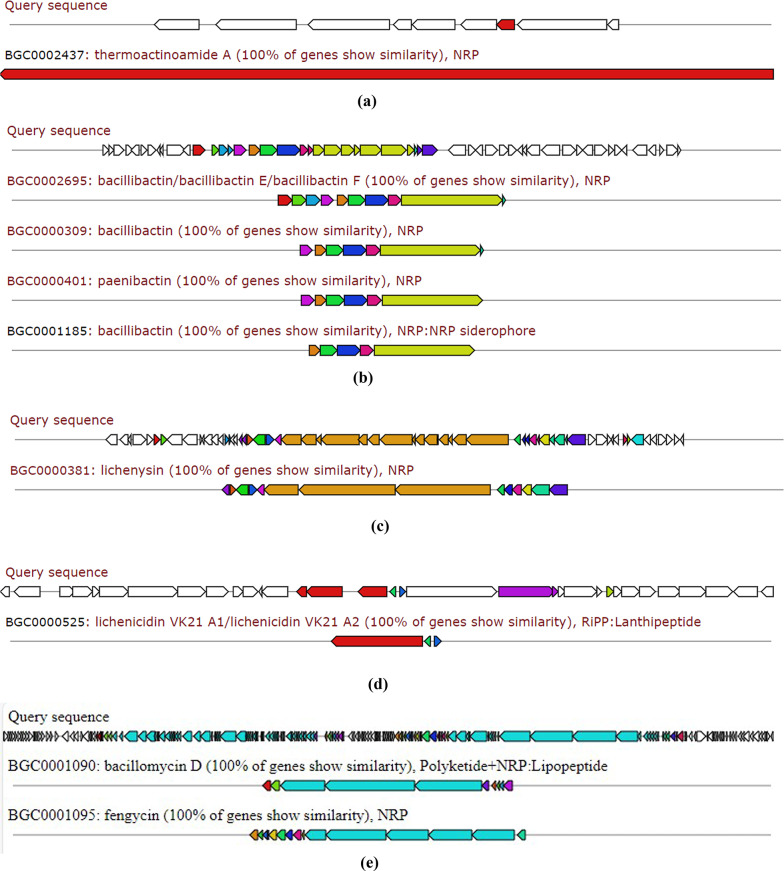
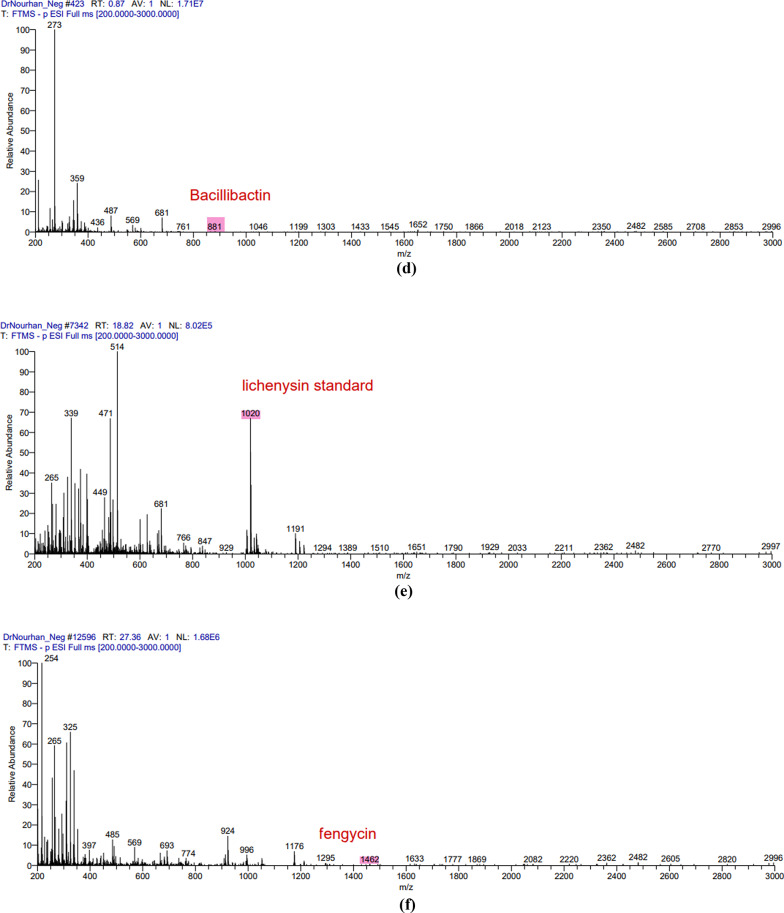
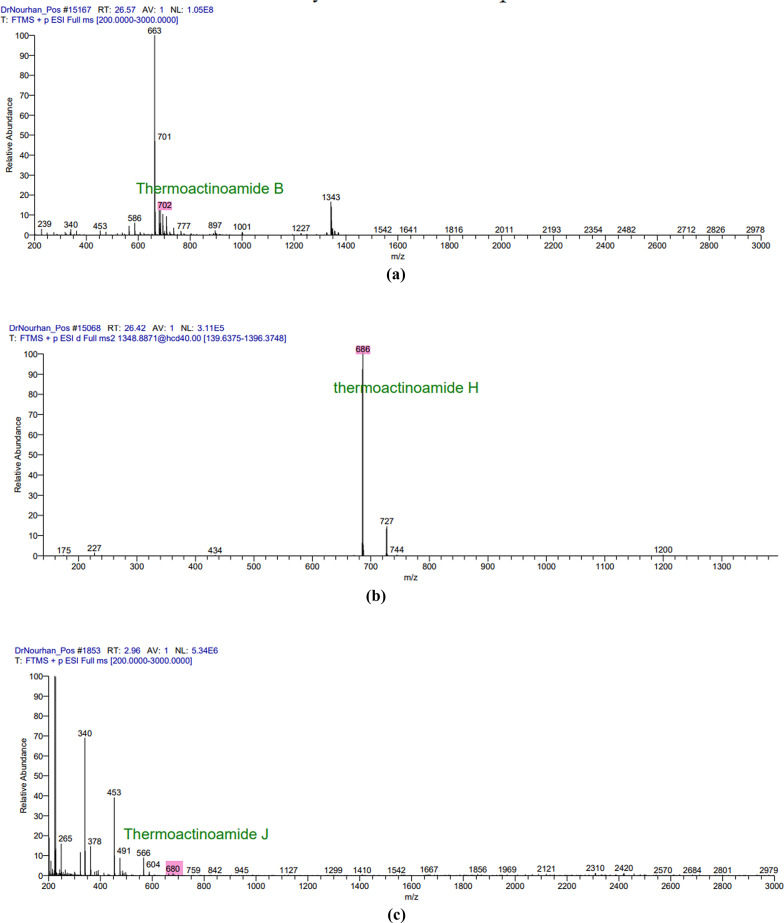
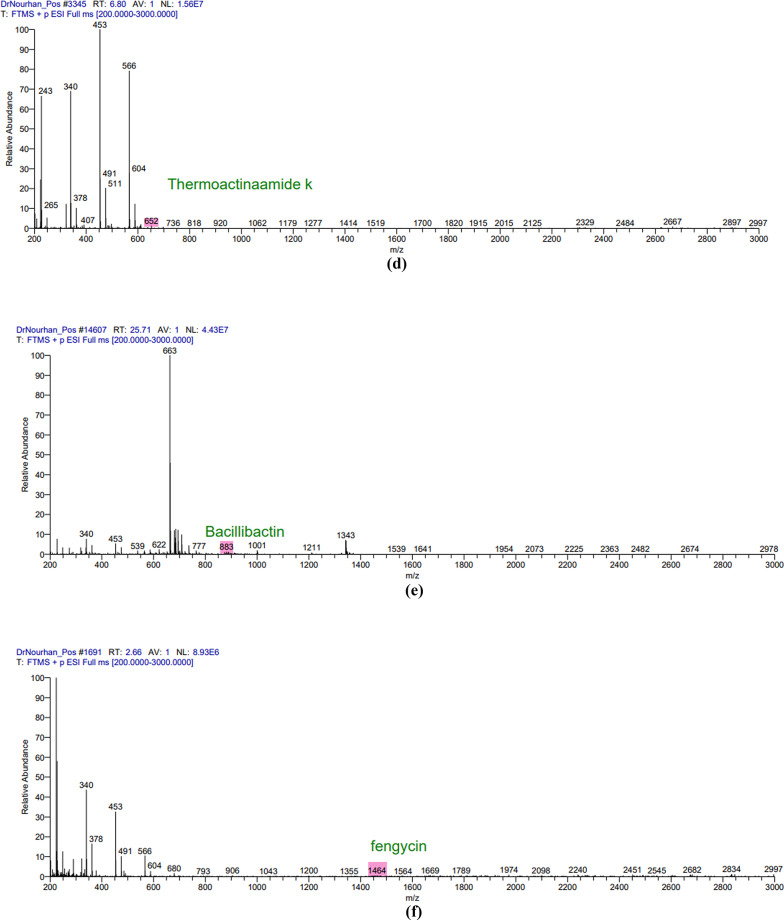
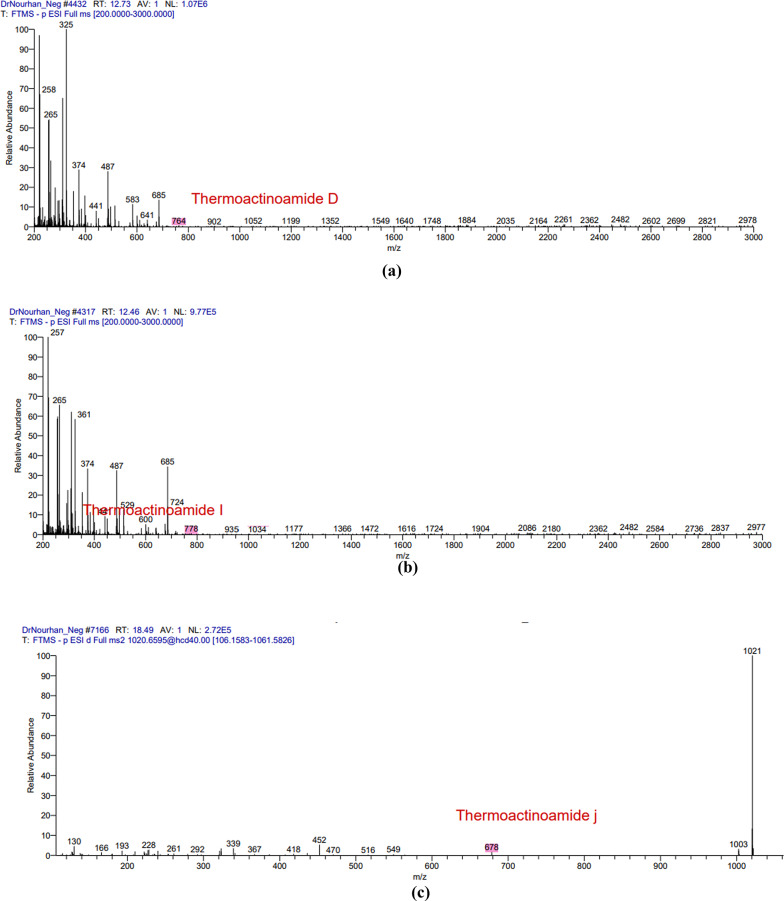
Antimicrobial resistance (AMR) represents a critical public health issue that requiring immediate action. Wild halophytic plants can be the solution for the AMR crisis because they harbor unique endophytes capable of producing potent antimicrobial metabolites. This study aimed at identifying promising and antimicrobial metabolites produced by endophytic/epiphytic bacteria recovered from the wild Bassia scoparia plant. Standard methods were employed for the isolation of endophytes/epiphytes. Whole genome sequence (WGS) using Oxford Nanopore technology followed by antiSMASH analysis coupled with advanced LC-MS spectroscopic analysis were used for identification of the active antimicrobial metabolites. This study identified Bacillus licheniformis strain CCASU-B18 as a promising endophytic bacterium from the Bassia scoparia plant. In addition, the strain showed broad-spectrum antibacterial activity against three standard and five MDR clinical Gram-positive and Gram-negative isolates, and antifungal activity against the standard C. albicans strain. Six main antimicrobial metabolites-thermoactinoamide A, bacillibactins, lichenysins, lichenicidins, fengycin, and bacillomycin-were verified to exist by whole genome sequencing for identifying the respective conserved biosynthetic gene clusters in conjunction with LC/MS-MS analysis. The complete genomic DNA (4125835) and associated plasmid (205548 bp) of the promising endophytic isolate were sequenced, assembled, annotated, and submitted into the NCBI GenBank database under the accession codes, CP157373. In conclusion, Bacillus licheniformis strain CCASU-B18, a promising endophytic bacterium exhibiting broad-spectrum antimicrobial activities, was isolated. Future research is highly recommended to optimize the culture conditions that will be employed to enhance the production of respective antimicrobial metabolites, as well as testing these compounds against a broader range of MDR-resistant pathogens.
抗菌耐药性(AMR)是一个亟需立即采取行动的关键公共卫生问题。野生盐生植物可能是解决AMR危机的办法,因为它们含有能够产生强效抗菌代谢物的独特内生菌。本研究旨在鉴定从野生地肤植物中分离出的内生/附生细菌所产生的有前景的抗菌代谢物。采用标准方法分离内生菌/附生菌。运用牛津纳米孔技术进行全基因组测序,随后进行抗SMASH分析并结合先进的液相色谱 - 质谱光谱分析来鉴定活性抗菌代谢物。本研究确定地衣芽孢杆菌CCASU - B18菌株是来自地肤植物的一种有前景的内生细菌。此外,该菌株对三种标准菌株以及五种耐多药临床革兰氏阳性和革兰氏阴性分离株表现出广谱抗菌活性,对标准白色念珠菌菌株具有抗真菌活性。通过全基因组测序结合液相色谱/质谱 - 质谱分析,验证了六种主要抗菌代谢物——热放线酰胺A、杆菌铁载体、地衣溶素、地衣杀菌素、丰原素和杆菌霉素的存在,以确定各自保守的生物合成基因簇。对有前景的内生分离株的完整基因组DNA(4125835)和相关质粒(205548 bp)进行了测序、组装、注释,并以登录号CP157373提交到NCBI基因库数据库。总之,分离出了地衣芽孢杆菌CCASU - B18菌株,这是一种具有广谱抗菌活性的有前景的内生细菌。强烈建议未来开展研究以优化培养条件,用于提高各自抗菌代谢物的产量,并针对更广泛的耐多药病原体测试这些化合物。