Song Zhenwei, Chen Hongfei, Wang Xueyao, Zhang Zhiyue, Li Hui, Zhao Huajun, Liu Yang, Han Qiuju, Zhang Jian
Institute of Immunopharmaceutical Sciences, School of Pharmaceutical Sciences, Shandong University, Jinan, China.
NMPA Key Laboratory for Technology Research and Evaluation of Drug Products, Key Laboratory of Chemical Biology (Ministry of Education), Department of Pharmaceutics, School of Pharmaceutical Sciences, Cheeloo College of Medicine, Shandong University, Jinan, 250012, China.
J Transl Med. 2024 Dec 20;22(1):1125. doi: 10.1186/s12967-024-05917-x.
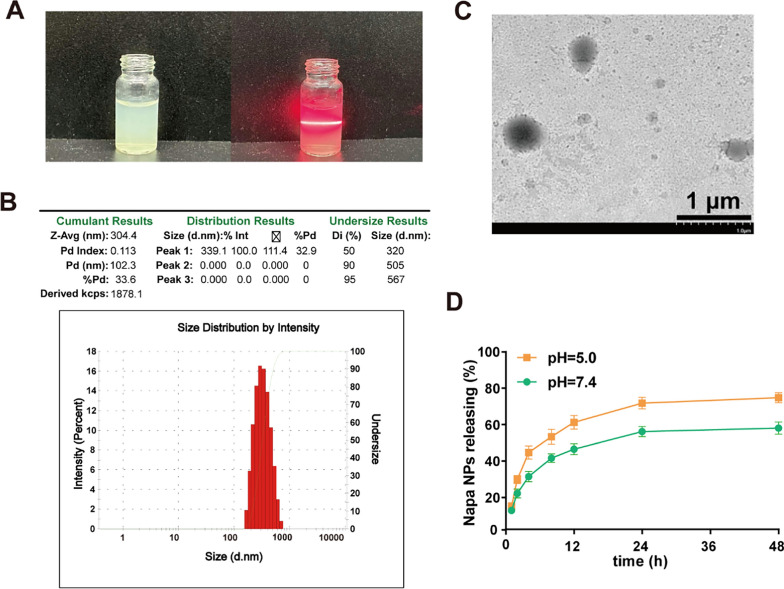
JAK/STAT3 is one of the critical signaling pathways involved in the occurrence and development of hepatocellular carcinoma (HCC). BBI608 (Napabucasin), as a novel small molecule inhibitor of STAT3, has shown previously excellent anti-HCC effects in vitro and in mouse models. However, low bioavailability, high cytotoxicity and other shortcomings limit its clinical application. In this study, PLGA was selected to prepare Napabucasin PLGA nanoparticles (NPs) by solvent evaporation method, overcoming these limitations and improving the passive targeting effect that nanoparticle mediated. Base on this, we systematically evaluated the anti-HCC effect of Napabucasin-PLGA NPs and explored the underlying mechanisms.
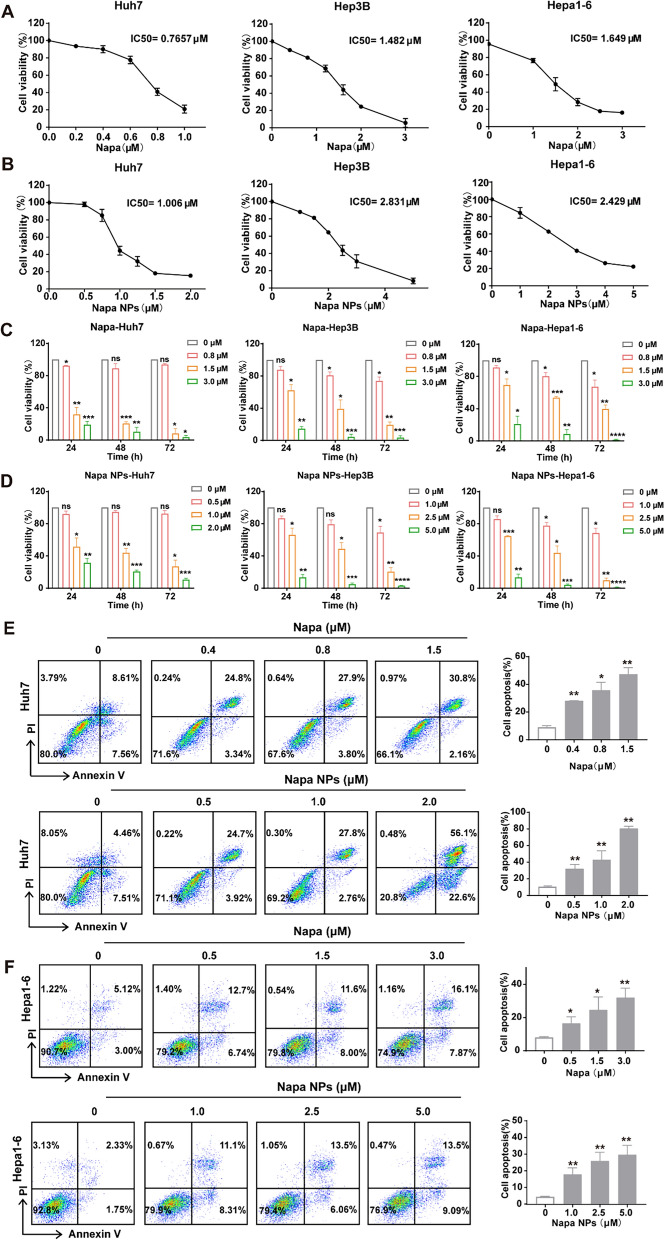
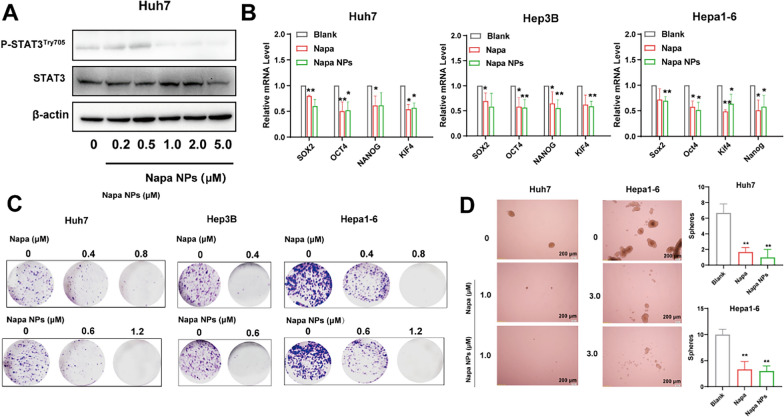
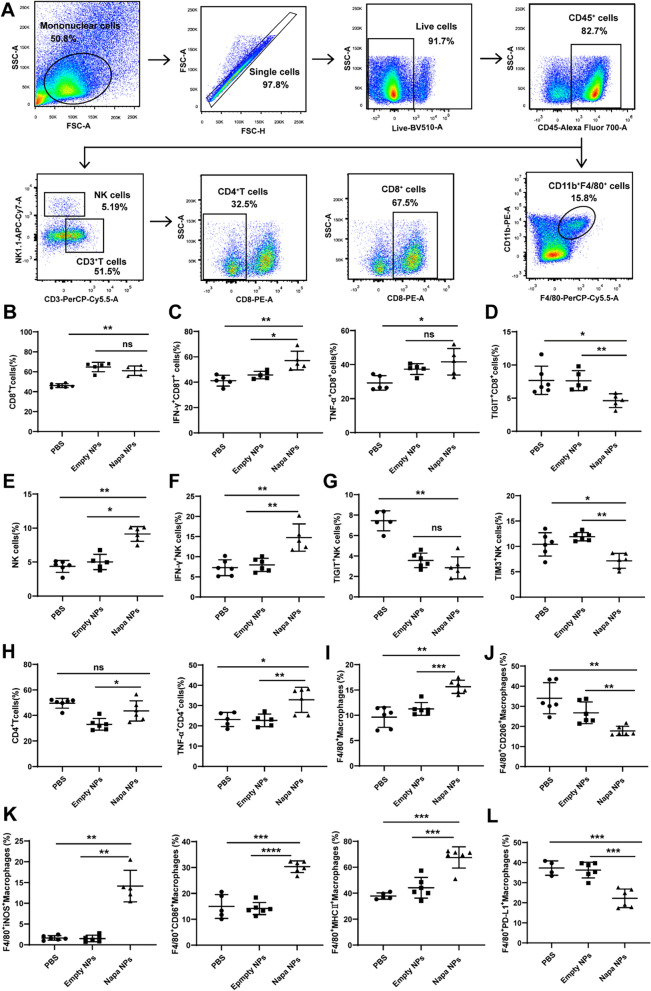
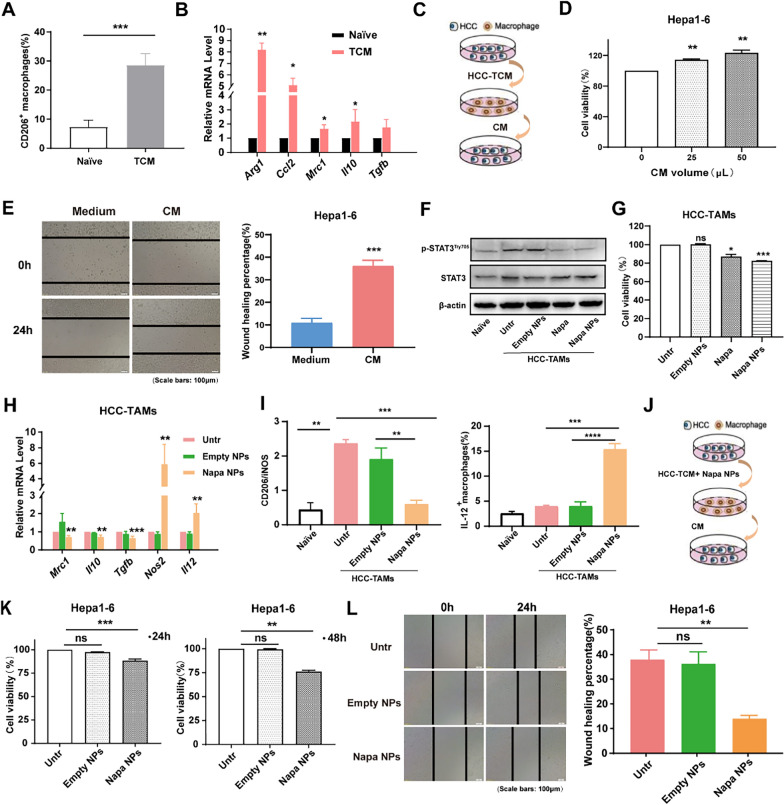
Napabucasin-PLGA NPs were prepared by solvent evaporation method. CCK-8 assay, Annexin V/PI double staining, RT-qPCR, colony formation assay, and Western blotting were performed to evaluate the anti-HCC effect of Napabucasin-PLGA NPs in vitro. Proliferation assay and migration assay were used to detect the effects of Napabucasin-PLGA NPs-treated HCC-TAMs on tumor biological characteristics of HCC cells. Flow cytometry was used to detect anti-HCC immune responses induced by Napabucasin-PLGA NPs in vivo.
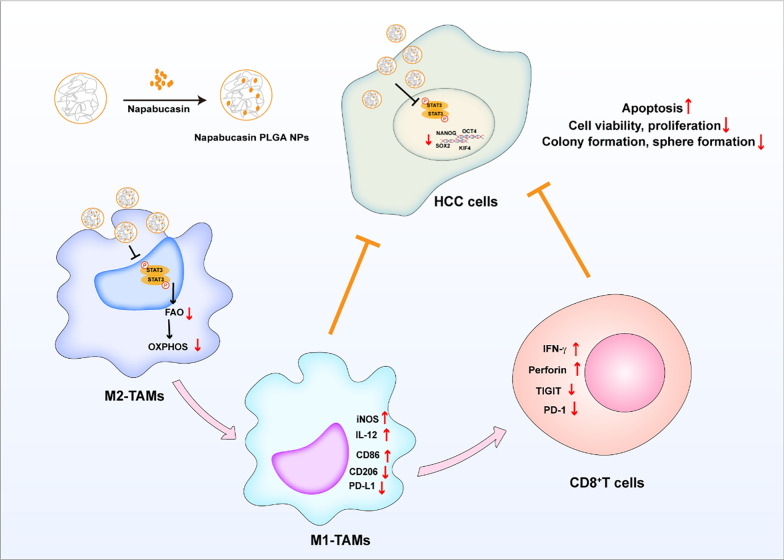
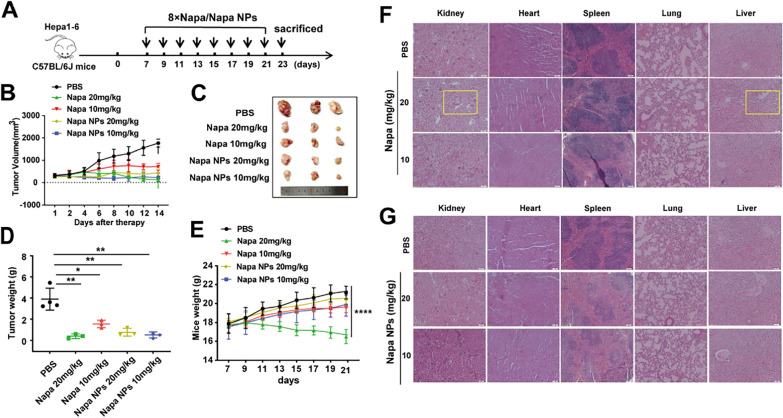
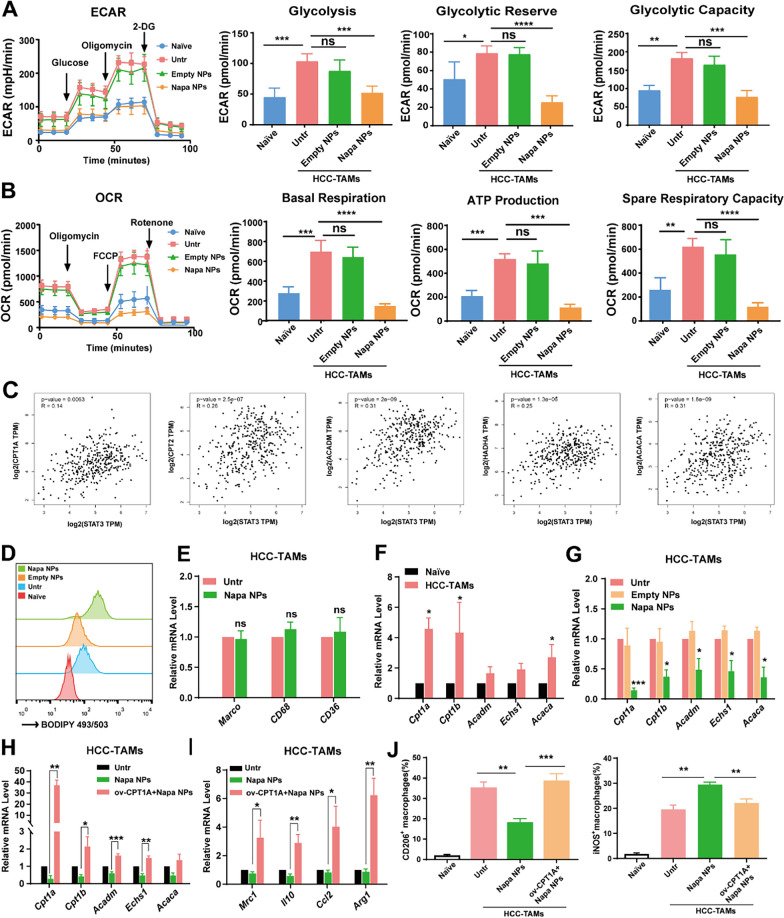
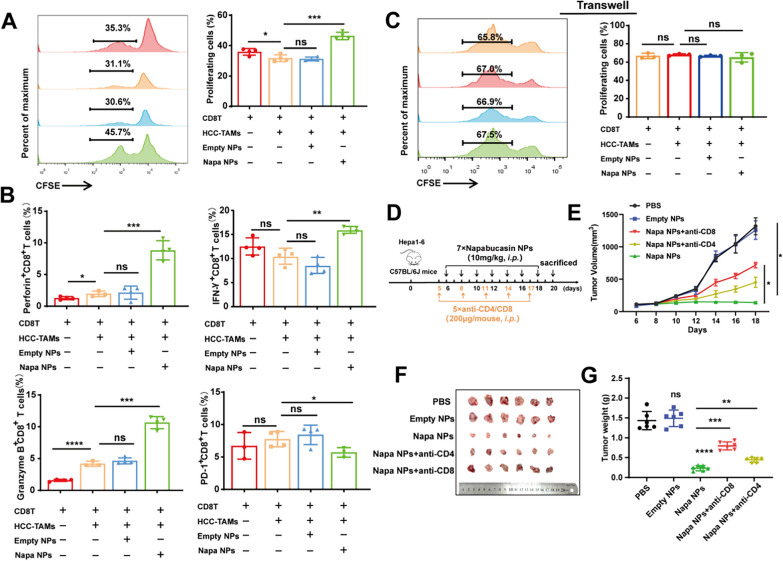
Our results demonstrated that Napabucasin-PLGA NPs could improve the bioavailability of Napabucasin and enhance Napabucasin-mediated the anti-HCC effects in vitro and in vivo with no significant drug toxicity. In addition to the direct inhibitory effects on the tumor biological characteristics of HCC cells, Napabucasin-PLGA NPs could promote the polarization of macrophages from tumor-promoting M2-type to anti-tumor M1-type, improving the tumor immune microenvironment and augmenting T cell-mediated anti-tumor responses. The underlining mechanisms showed Napabucasin-PLGA NPs suppressed the STAT3/FAO signaling axis in HCC-induced tumor-associated macrophages (TAMs).
These findings demonstrated Napabucasin-PLGA NPs is a potential therapeutic candidate for HCC, and provided a new theoretical and experimental basis for further development and clinical application of Napabucasin.
JAK/STAT3是参与肝细胞癌(HCC)发生发展的关键信号通路之一。BBI608(那帕博西尼)作为一种新型的STAT3小分子抑制剂,此前已在体外和小鼠模型中显示出优异的抗肝癌效果。然而,低生物利用度、高细胞毒性等缺点限制了其临床应用。在本研究中,选择聚乳酸-羟基乙酸共聚物(PLGA)通过溶剂蒸发法制备那帕博西尼PLGA纳米粒(NPs),克服这些局限性并提高纳米粒介导的被动靶向作用。基于此,我们系统评估了那帕博西尼-PLGA NPs的抗肝癌作用并探索其潜在机制。
通过溶剂蒸发法制备那帕博西尼-PLGA NPs。采用CCK-8法、Annexin V/PI双染法、RT-qPCR、集落形成试验和蛋白质免疫印迹法评估那帕博西尼-PLGA NPs在体外的抗肝癌作用。采用增殖试验和迁移试验检测那帕博西尼-PLGA NPs处理的肝癌相关巨噬细胞(HCC-TAMs)对肝癌细胞肿瘤生物学特性的影响。采用流式细胞术检测那帕博西尼-PLGA NPs在体内诱导的抗肝癌免疫反应。
我们的结果表明,那帕博西尼-PLGA NPs可以提高那帕博西尼的生物利用度,并增强那帕博西尼在体外和体内介导的抗肝癌作用,且无明显药物毒性。除了对肝癌细胞的肿瘤生物学特性有直接抑制作用外,那帕博西尼-PLGA NPs还可以促进巨噬细胞从促肿瘤的M2型向抗肿瘤的M1型极化,改善肿瘤免疫微环境并增强T细胞介导的抗肿瘤反应。潜在机制表明,那帕博西尼-PLGA NPs抑制了肝癌诱导的肿瘤相关巨噬细胞(TAMs)中的STAT3/脂肪酸氧化(FAO)信号轴。
这些发现表明那帕博西尼-PLGA NPs是一种潜在的肝癌治疗候选药物,并为那帕博西尼的进一步开发和临床应用提供了新的理论和实验依据。