Oyewale Saburi, Ariwoola Azeezat, Oyewale Idris
Department of Surgery, University of Ilorin Teaching Hospital, Ilorin, Kwara, Nigeria.
Master of Public Health student, Rutgers School of Public Health, NJ, Newark, United States.
BMC Surg. 2024 Dec 23;24(1):415. doi: 10.1186/s12893-024-02723-6.
Seroma has been associated with some energy devices used in raising flaps during modified radical mastectomy. Perhaps, its occurrence might be reduced by determining the most effective technique for raising the flap. Hence, the wide array of energy devices available for mastectomy warrants a network meta-analysis for comparison to determine the most suitable for rseducing complications.
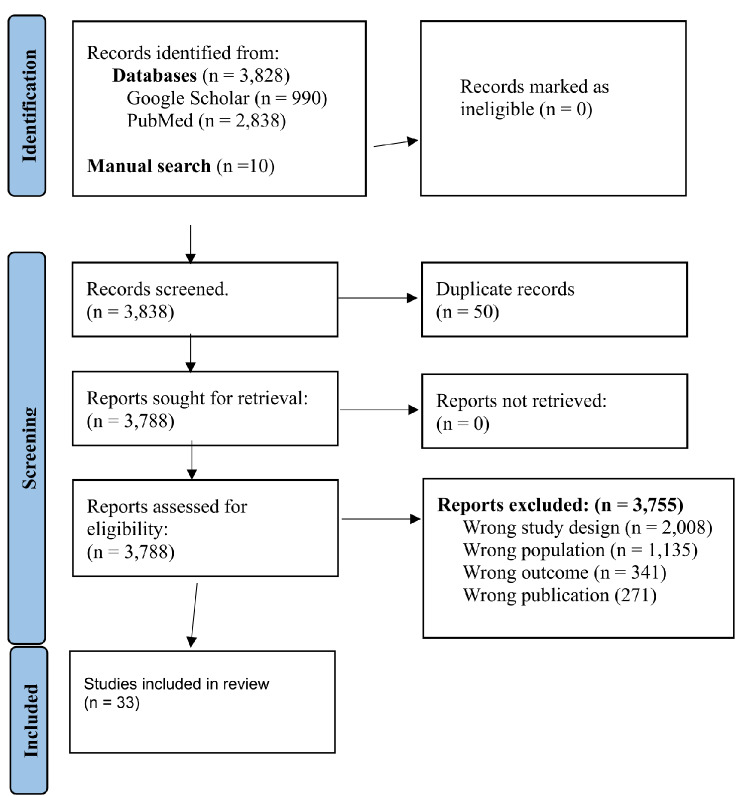
Searches were conducted on Google Scholar and PubMed for randomized controlled trials that compared the various energy devices (argon-cautery, diathermy, plasma blade, LigaSure, and harmonic scalpel) to traditional scalpel/scissors in mastectomy procedures. This review was registered with a PROSPERO number: CRD42023456510. The primary outcome was seroma formation, while the secondary outcomes included flap necrosis, drain effluent, and blood loss.
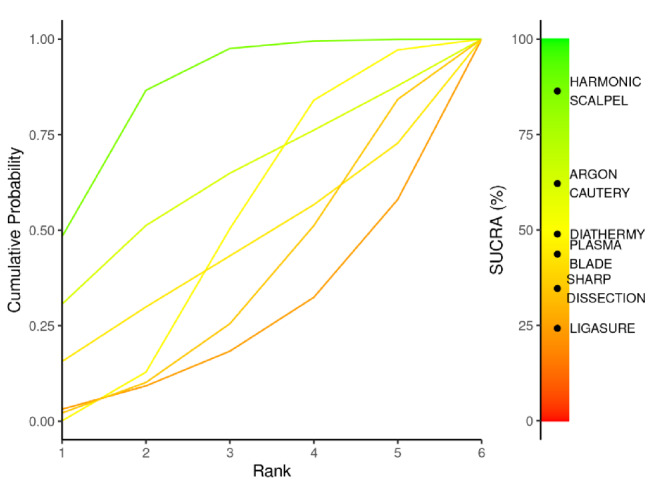
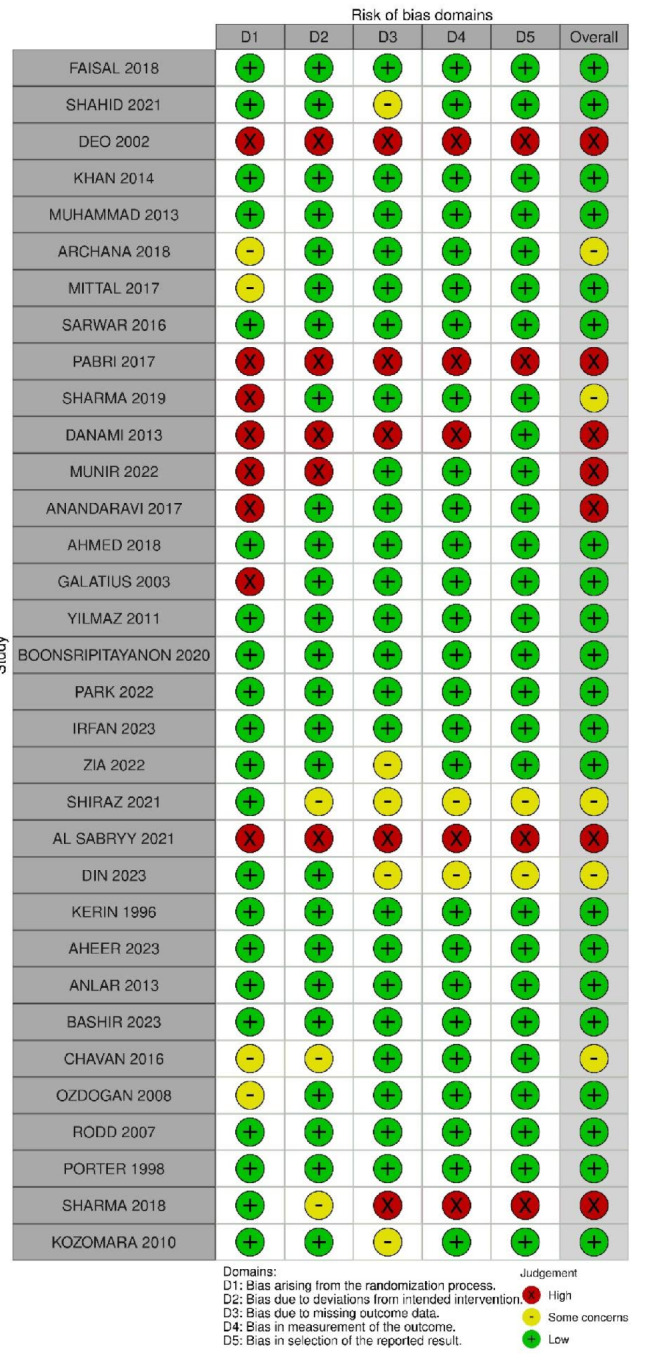
Thirty-three studies were used for this network meta-analysis. Using sharp dissections (scissors or scalpel) for raising flaps in mastectomy reduced seroma formation [Odds ratio (OR): 0.375 (Credible interval (CrI): 0.244, 0.575)], Argon cautery decreased blood loss [Mean difference (MD): -304 (CrI: -698, 90.5)] but harmonic scalpel reduced the rate of flap necrosis [OR: 0.379 (CrI: 0.177, 0.791)] and the volume of drain effluent [MD: -383 (CrI: -704, -62.9)].
Using scissors or scalpels for mastectomy was associated with a reduction in the rate of seroma. In addition, the volume of drain effluent was reduced using a Harmonic scalpel compared to other energy devices. Aside from a reduction in flap necrosis rate, blood loss, and the volume of drain effluent; energy devices for raising flaps in mastectomy were not entirely superior to scalpels or scissors.
血清肿与改良根治性乳房切除术中用于掀起皮瓣的一些能量设备有关。或许,通过确定掀起皮瓣的最有效技术,其发生率可能会降低。因此,乳房切除术中可用的多种能量设备需要进行网状Meta分析以作比较,从而确定最适合减少并发症的设备。
在谷歌学术和PubMed上搜索随机对照试验,这些试验比较了乳房切除术中各种能量设备(氩气刀、高频电刀、等离子刀、结扎速血管闭合系统和超声刀)与传统手术刀/剪刀的效果。本综述已在国际前瞻性注册系统(PROSPERO)注册,注册号为:CRD42023456510。主要结局是血清肿形成,次要结局包括皮瓣坏死、引流液量和失血量。
33项研究用于此网状Meta分析。在乳房切除术中使用锐性分离(剪刀或手术刀)掀起皮瓣可减少血清肿形成[比值比(OR):0.375(可信区间(CrI):0.244,0.575)],氩气刀可减少失血量[平均差(MD):-304(CrI:-698,90.5)],但超声刀可降低皮瓣坏死率[OR:0.379(CrI:0.177,0.791)]和引流液量[MD:-383(CrI:-704,-62.9)]。
乳房切除术中使用剪刀或手术刀与血清肿发生率降低有关。此外,与其他能量设备相比,使用超声刀可减少引流液量。除了降低皮瓣坏死率、失血量和引流液量外,乳房切除术中用于掀起皮瓣的能量设备并不完全优于手术刀或剪刀。