Süngü Akdoğan Çağıl Zeynep, Akbay Çetin Esin, Onur Mehmet Ali, Önel Selis, Tuncel Ali
Bioengineering Division, Hacettepe University, Ankara 06800, Turkey.
Graduate School of Science & Engineering, Hacettepe University, Ankara 06800, Turkey.
ACS Appl Mater Interfaces. 2025 Jan 8;17(1):632-649. doi: 10.1021/acsami.4c17852. Epub 2024 Dec 25.
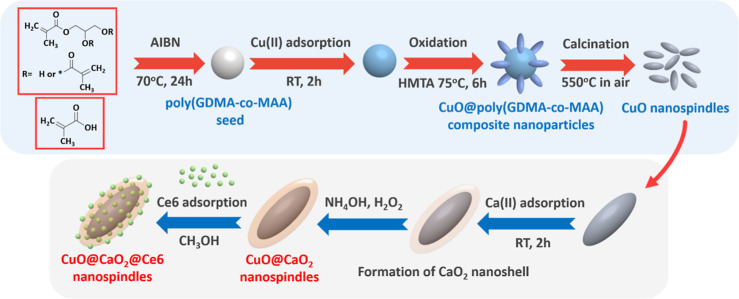
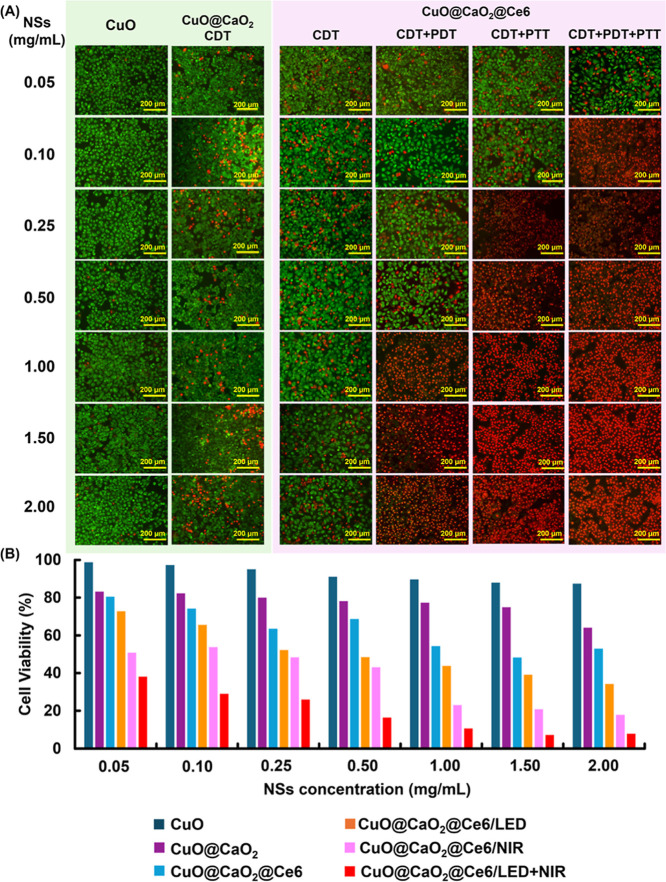
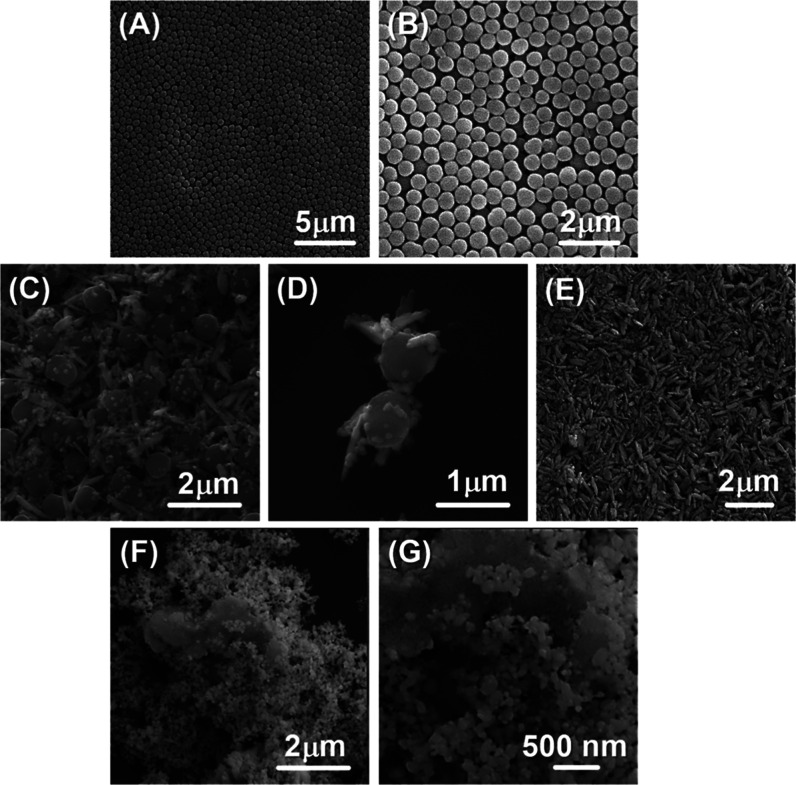
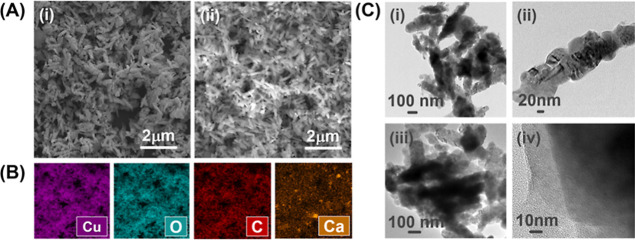
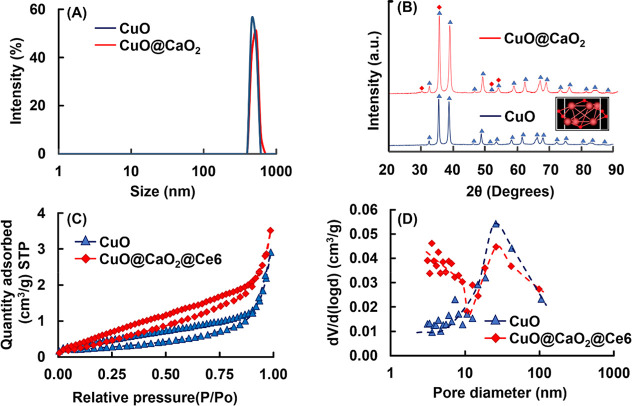
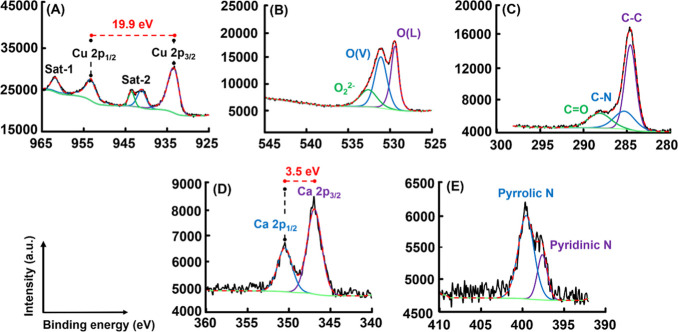
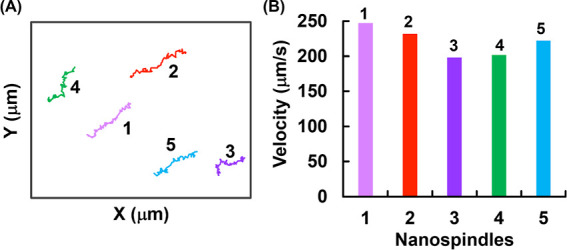
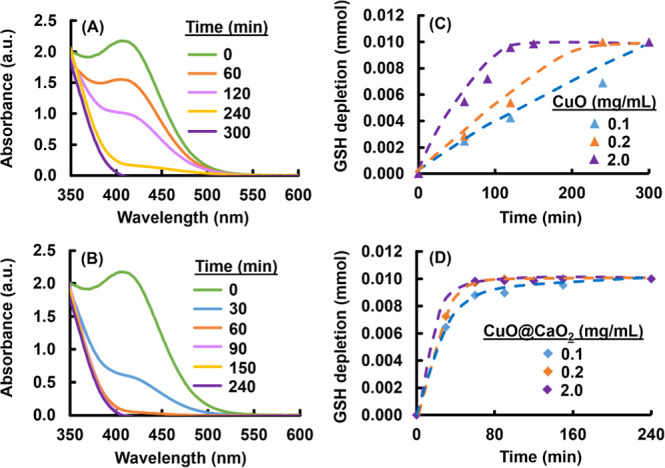
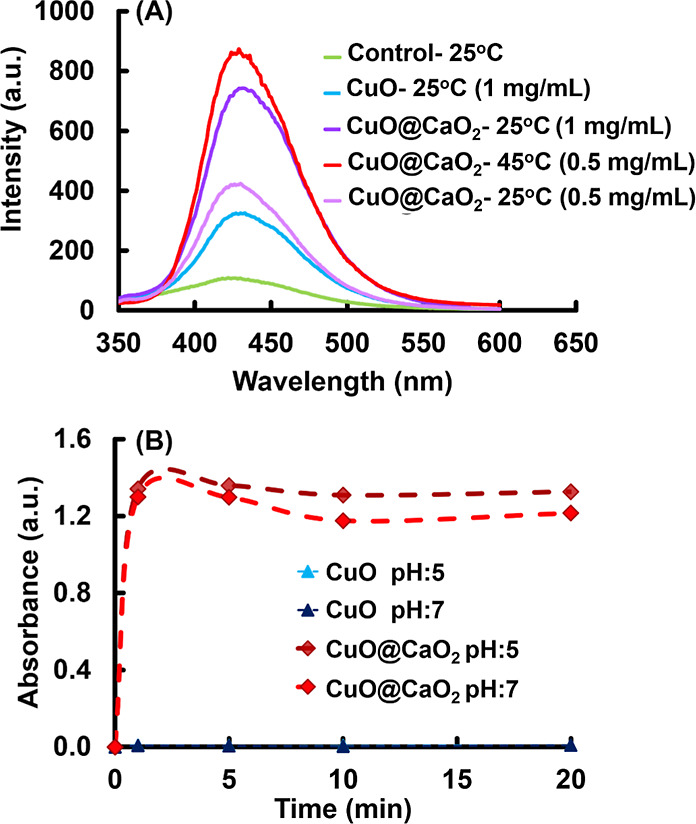
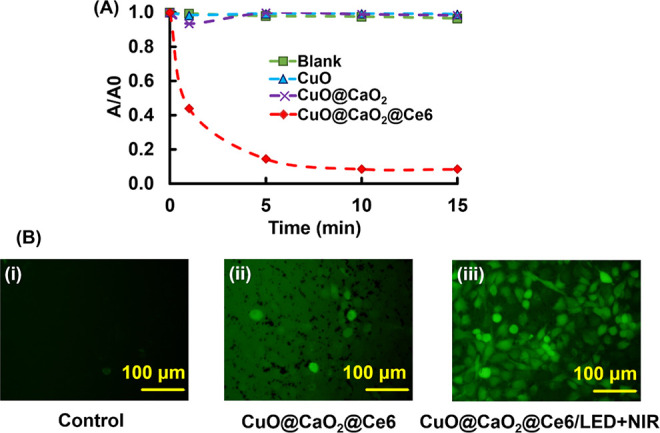
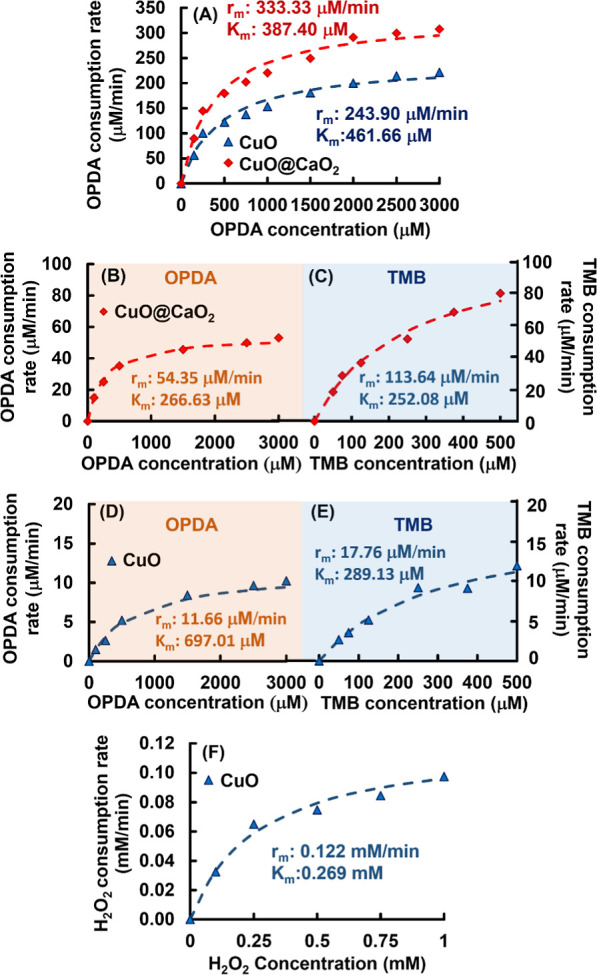
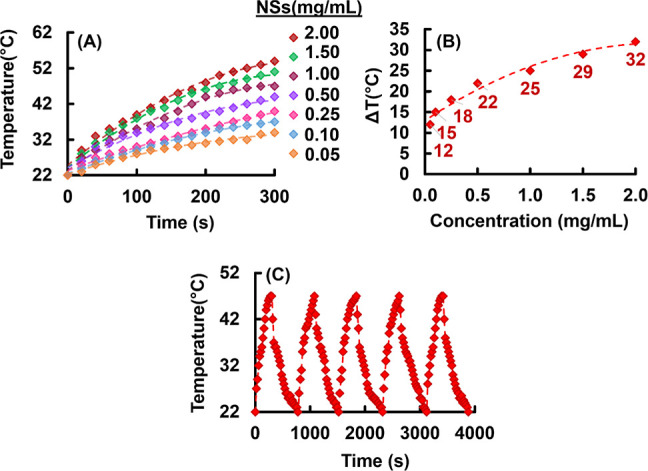
Uniform, mesoporous copper(II) oxide nanospindles (CuO NSs) were synthesized via a method based on templated hydrothermal oxidation of copper in the presence of monodisperse poly(glycerol dimethacrylate--methacrylic acid) nanoparticles (poly(GDMA--MAA) NPs). Subsequent decoration of CuO NSs with a CaO nanoshell (CuO@CaO NSs) yielded a nanozyme capable of Cu(I)/Cu(II) redox cycling. Activation of the Cu(I)/Cu(II) cycle by exogenously generated HO from the CaO nanoshell significantly enhanced glutathione (GSH) depletion. CuO@CaO NSs exhibited a 2-fold higher GSH depletion rate compared to pristine CuO NSs. The generation of oxygen due to the catalase (CAT)-like decomposition of HO by CuO@CaO NSs resulted in a self-propelled diffusion behavior, characteristic of a HO fueled nanomotor. These nanostructures exhibited both peroxidase (POD)-like and CAT-like activities and were capable of self-production of HO in aqueous media via a chemical reaction between the CaO nanoshell and water. Usage of the self-supplied HO by the POD-like activity of CuO@CaO NSs amplified the generation of toxic hydroxyl (OH) radicals, enhancing the chemodynamic effect within the tumor microenvironment (TME). The CAT-like activity provided a source of self-supplied O via decomposition of HO to alleviate hypoxic conditions in the TME. Under near-infrared laser irradiation, CuO@CaO NSs exhibited photothermal conversion properties, with a temperature elevation of 25 °C. The combined GSH depletion and HO generation led to a more effective production of OH radicals in the cell culture medium. The chemodynamic function was further enhanced by an elevated temperature. To assess the therapeutic potential, CuO@CaO NSs loaded with the photosensitizer, chlorine e6 (Ce6), were evaluated against T98G glioblastoma cells. The synergistic combination of photodynamic, photohermal, and chemodynamic modalities using CuO@CaO@Ce6 NSs resulted in cell death higher than 90% under in vitro conditions.
通过在单分散聚(甘油二甲基丙烯酸酯 - 甲基丙烯酸)纳米颗粒(聚(GDMA - MAA)NPs)存在下基于铜的模板水热氧化法合成了均匀的介孔氧化铜纳米纺锤体(CuO NSs)。随后用CaO纳米壳修饰CuO NSs(CuO@CaO NSs)得到了一种能够进行Cu(I)/Cu(II)氧化还原循环的纳米酶。CaO纳米壳外源性产生的HO对Cu(I)/Cu(II)循环的激活显著增强了谷胱甘肽(GSH)的消耗。与原始CuO NSs相比,CuO@CaO NSs表现出高2倍的GSH消耗率。CuO@CaO NSs对HO的类过氧化氢酶(CAT)样分解导致的氧气生成产生了自推进扩散行为,这是HO驱动的纳米马达的特征。这些纳米结构表现出类过氧化物酶(POD)样和类CAT样活性,并且能够通过CaO纳米壳与水之间的化学反应在水性介质中自产生HO。CuO@CaO NSs的类POD活性对自供应HO的利用放大了有毒羟基(OH)自由基 的生成,增强了肿瘤微环境(TME)内的化学动力学效应。类CAT活性通过HO分解提供了自供应O的来源,以缓解TME中的缺氧状况。在近红外激光照射下,CuO@CaO NSs表现出光热转换特性,温度升高25°C。GSH消耗和HO生成的结合导致细胞培养基中OH自由基的产生更有效。升高的温度进一步增强了化学动力学功能。为了评估治疗潜力,对负载有光敏剂氯e6(Ce6)的CuO@CaO NSs针对T98G胶质母细胞瘤细胞进行了评估。使用CuO@CaO@Ce6 NSs的光动力、光热和化学动力学模式的协同组合在体外条件下导致细胞死亡率高于90%。