Xia Siwei, Gu Xiaoyan, Wang Gaojian, Zhong Yizhi, Ma Fengjie, Liu Qinxue, Xie Junran
Department of Anesthesiology, Sir Run Run Shaw Hospital, School of Medicine, Zhejiang University, Hangzhou, People's Republic of China.
J Inflamm Res. 2024 Dec 21;17:11419-11436. doi: 10.2147/JIR.S497775. eCollection 2024.
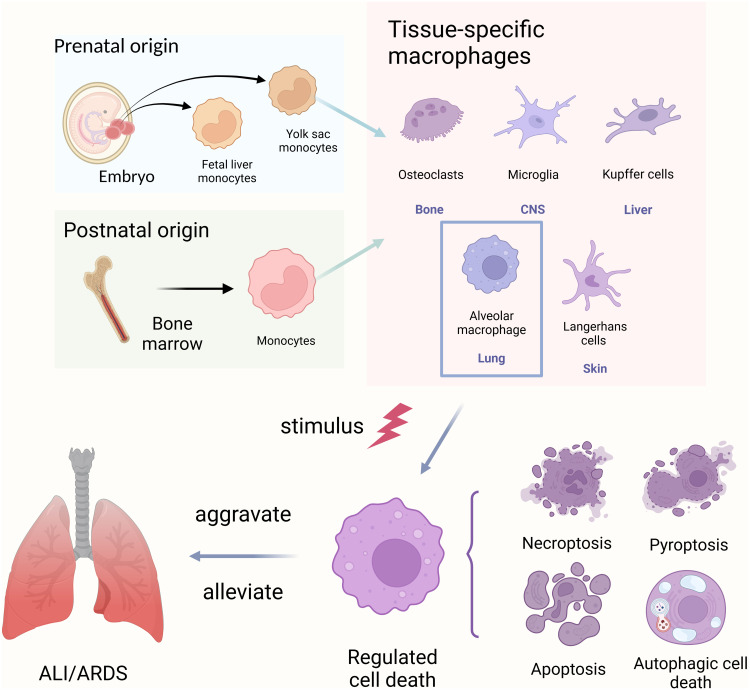
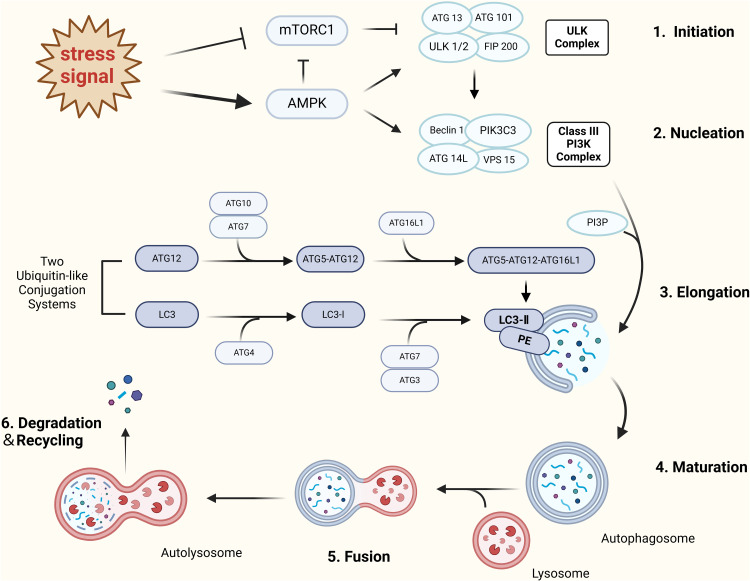
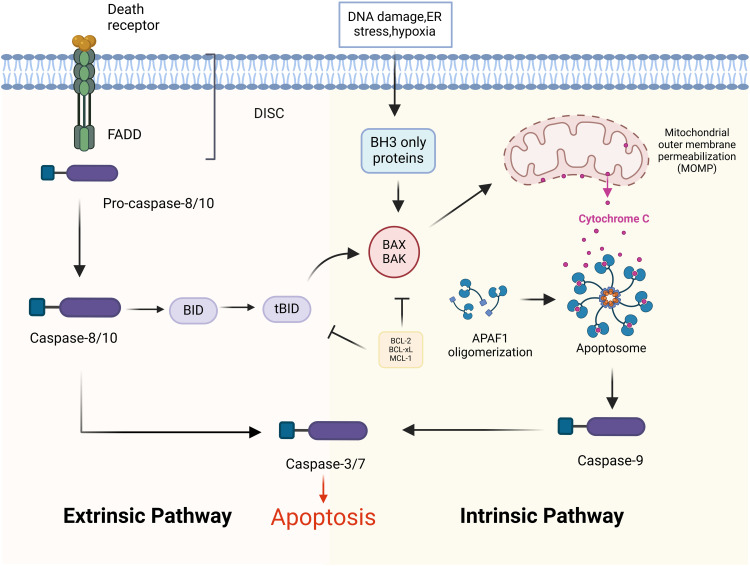
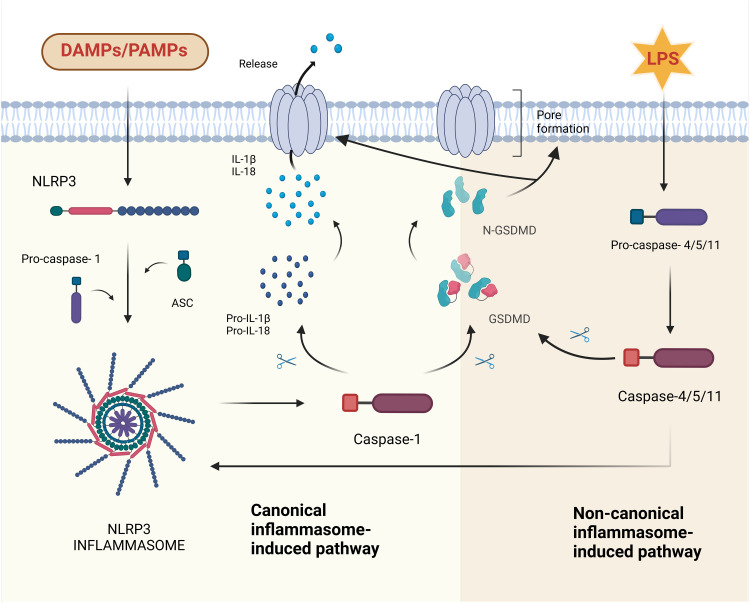
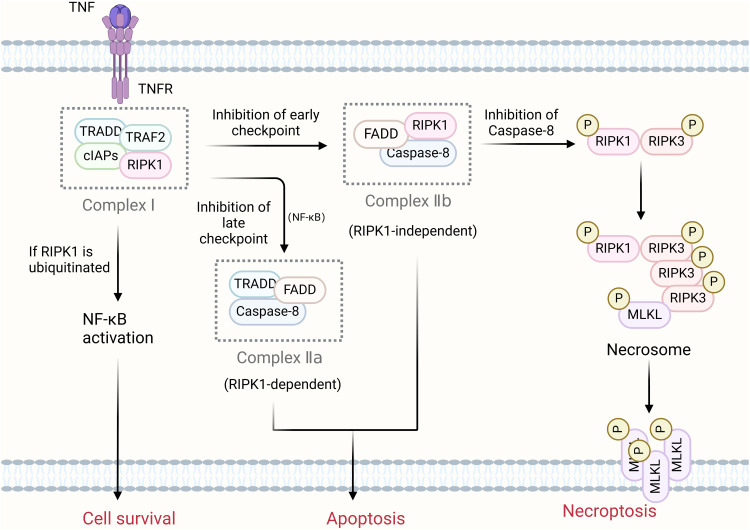
Acute lung injury/acute respiratory distress syndrome (ALI/ARDS) is a common and serious clinical lung disease characterized by extensive alveolar damage and inflammation leading to impaired gas exchange. Alveolar macrophages (AMs) maintain homeostatic properties and immune defenses in lung tissues. Several studies have reported that AMs are involved in and regulate ALI/ARDS onset and progression via different regulated cell death (RCD) programs, such as pyroptosis, apoptosis, autophagic cell death, and necroptosis. Notably, the effects of RCD in AMs in disease are complex and variable depending on the environment and stimuli. In this review, we provide a comprehensive perspective on how regulated AMs death impacts on ALI/ARDS and assess its potential in new therapeutic development. Additionally, we describe the crosstalk between different RCD types in ALI, and provide new perspectives for the treatment of ALI/ARDS and other severe lung diseases.
急性肺损伤/急性呼吸窘迫综合征(ALI/ARDS)是一种常见且严重的临床肺部疾病,其特征是广泛的肺泡损伤和炎症,导致气体交换受损。肺泡巨噬细胞(AMs)维持肺组织的稳态特性和免疫防御。多项研究报告称,AMs通过不同的程序性细胞死亡(RCD)程序,如细胞焦亡、凋亡、自噬性细胞死亡和坏死性凋亡,参与并调节ALI/ARDS的发生和发展。值得注意的是,疾病中AMs的RCD效应取决于环境和刺激因素,复杂且多变。在本综述中,我们全面阐述了调节性AMs死亡如何影响ALI/ARDS,并评估其在新治疗方法开发中的潜力。此外,我们描述了ALI中不同RCD类型之间的相互作用,为ALI/ARDS和其他严重肺部疾病的治疗提供新的视角。