Xie Wenlong, Hu Jie, Zhao Zehang, Lu Huixin, Han Yu, Li Boan, Ouyang Zhong
State Key Laboratory of Cellular Stress Biology, Innovation Center for Cell Signaling Network and Engineering Research Center of Molecular Diagnostics of the Ministry of Education, School of Life Sciences, Xiamen University, Xiamen, Fujian, China.
School of Medicine, The First Affiliated Hospital of Xiamen University, Xiamen University, Xiamen, Fujian, China.
Sci Rep. 2024 Dec 28;14(1):30733. doi: 10.1038/s41598-024-80175-x.
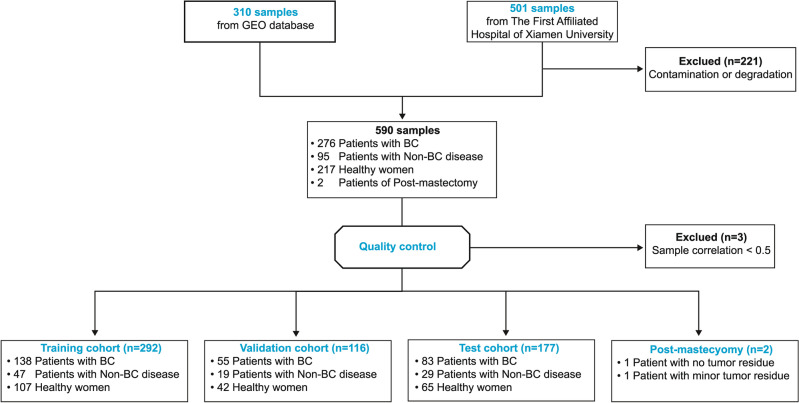
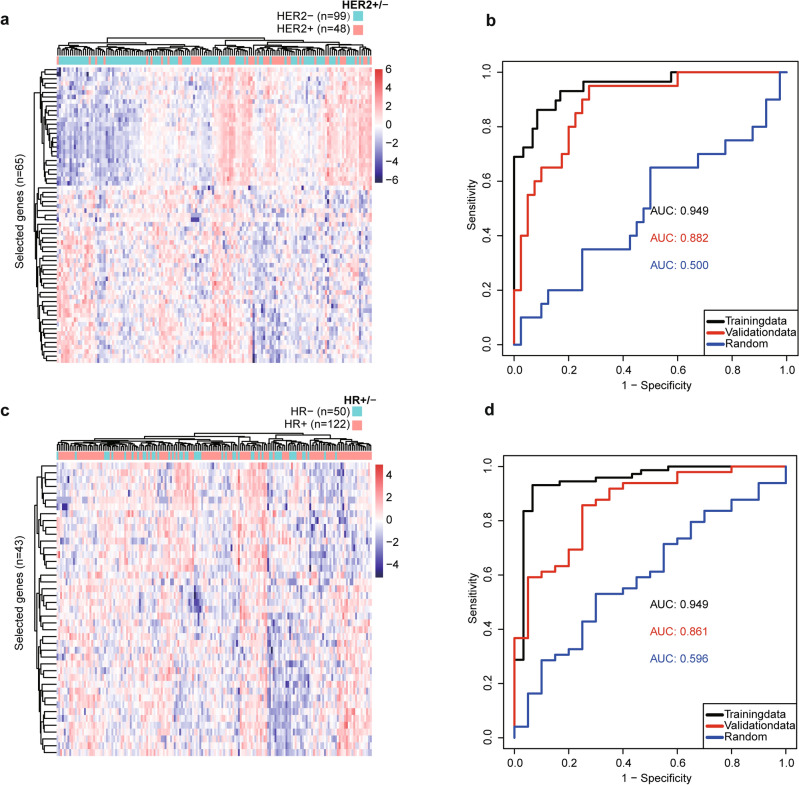
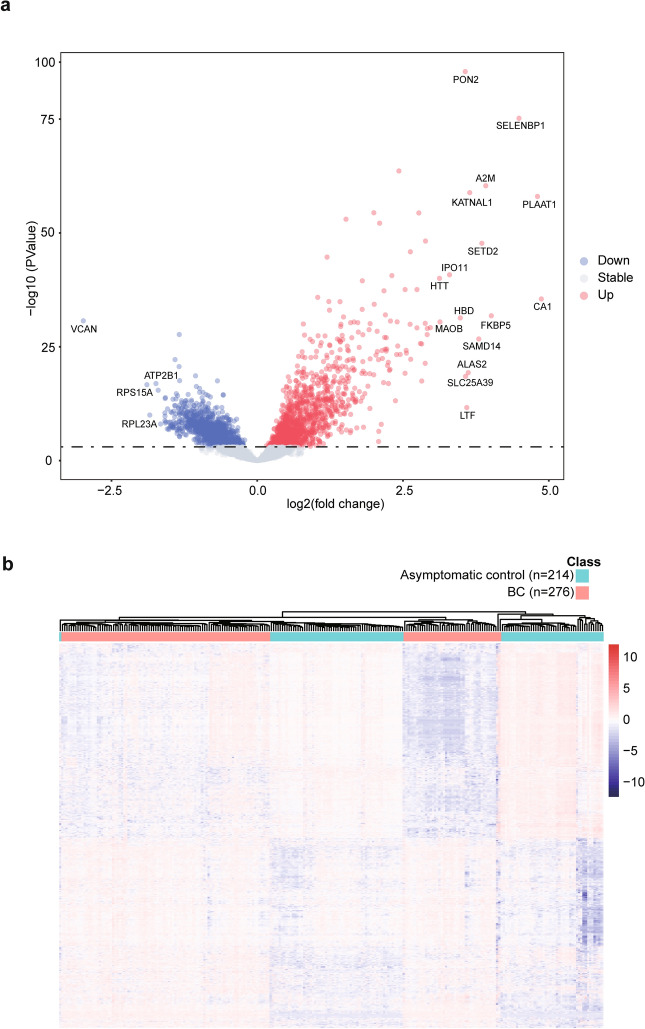
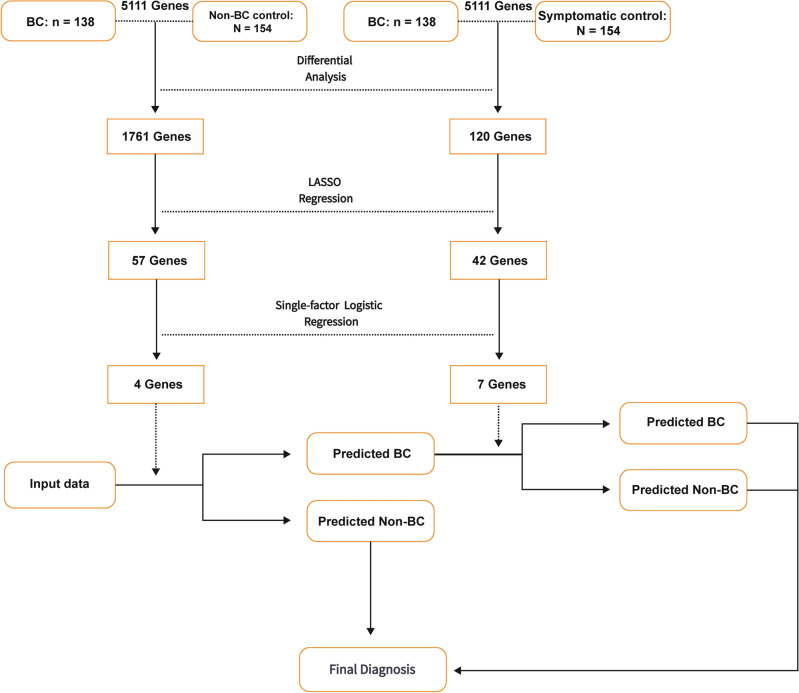
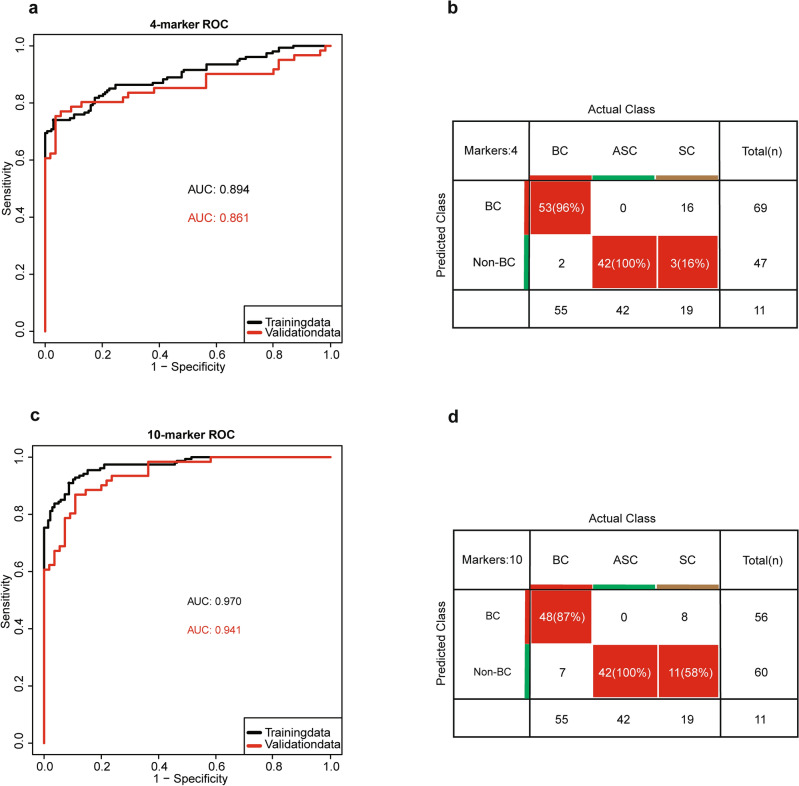
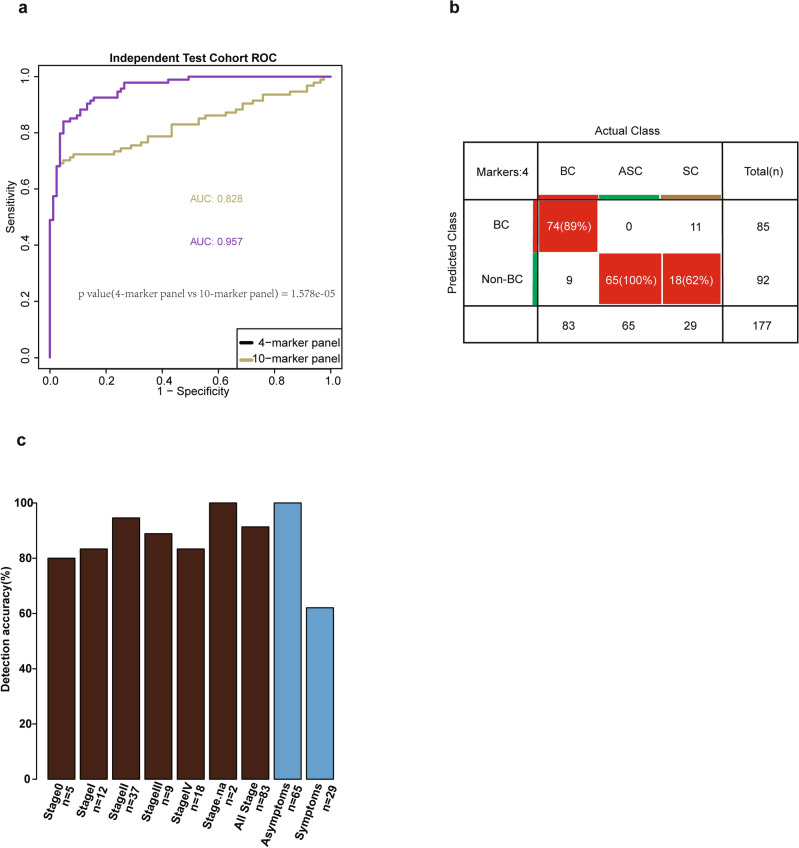
Platelets possess cancer-induced reprogramming properties, thereby contributing to RNA profile alterations and further cancer progression, while the former is considered a promising biosource for cancer detection. Hence, tumor-educated platelets (TEP) are considered a prospective novel method for early breast cancer (BC) screening. Our study integrated the data from 276 patients with untreated BC, 95 with benign disease controls, 214 healthy controls, and 2 who underwent mastectomy in Chinese and European cohorts to develop a 10-biomarker diagnostic model. The model demonstrated high diagnostic performance for BC in an independent test set (n = 177) with an area under the curve of 0.957. The sensitivity for BC diagnosis was 89.2%, with 100% specificity in asymptomatic controls, while that for the symptomatic group, including benign tumors and inflammatory diseases, was 62.1%. The model demonstrated substantial accuracy for stages 0-III BC (80% for stage 0 [n = 5], 83.3% for stage I [n = 12], 94.6% for stage II [n = 37], and 88.9% for stage III [n = 9]) and precisely helped determine residual cancer in two patients who underwent mastectomy. Moreover, our developed classifiers distinguish different BC subtypes properly. In summary, we created and tested a new TEP-RNA-based BC diagnostic model that was confirmed valid and demonstrated high efficiency in detecting early-stage BC and heterogeneous subtypes, including recurrent tumors. However, these results warrant more validation in larger population-based prospective studies before clinical implementation.
血小板具有癌症诱导的重编程特性,从而导致RNA谱改变并进一步促进癌症进展,而前者被认为是癌症检测的一个有前景的生物来源。因此,肿瘤驯化血小板(TEP)被认为是早期乳腺癌(BC)筛查的一种前瞻性新方法。我们的研究整合了来自276例未经治疗的BC患者、95例良性疾病对照、214例健康对照以及2例在中国和欧洲队列中接受乳房切除术患者的数据,以开发一种10生物标志物诊断模型。该模型在一个独立测试集(n = 177)中对BC表现出高诊断性能,曲线下面积为0.957。BC诊断的敏感性为89.2%,在无症状对照中特异性为100%,而在有症状组(包括良性肿瘤和炎症性疾病)中为62.1%。该模型对0 - III期BC显示出较高的准确性(0期[n = 5]为80%,I期[n = 12]为83.3%,II期[n = 37]为94.6%,III期[n = 9]为88.9%),并准确帮助确定了2例接受乳房切除术患者的残留癌症。此外,我们开发的分类器能够正确区分不同的BC亚型。总之,我们创建并测试了一种基于TEP - RNA的新BC诊断模型,该模型被证实有效,并在检测早期BC和异质亚型(包括复发性肿瘤)方面显示出高效率。然而,在临床应用之前,这些结果需要在更大规模的基于人群的前瞻性研究中进行更多验证。