Li Fan, Shi Ke, Li Songchao, Wei Yan, Jia Zhankui
Urology, The First Affiliated Hospital of Zhengzhou University, Zhengzhou, 450000, China.
Neurology, The First Affiliated Hospital of Zhengzhou University, Zhengzhou, 450000, China.
Sci Rep. 2024 Dec 28;14(1):31364. doi: 10.1038/s41598-024-82849-y.
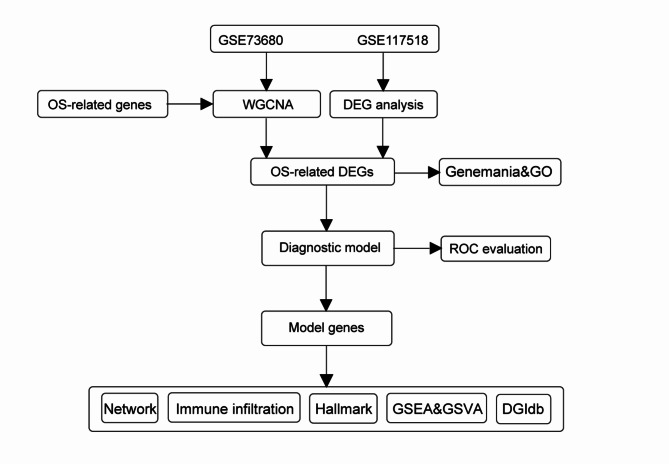
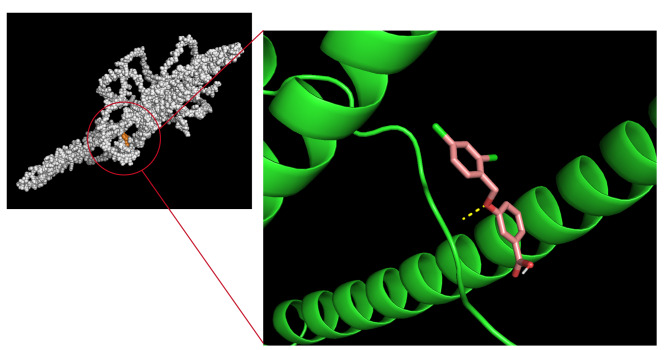
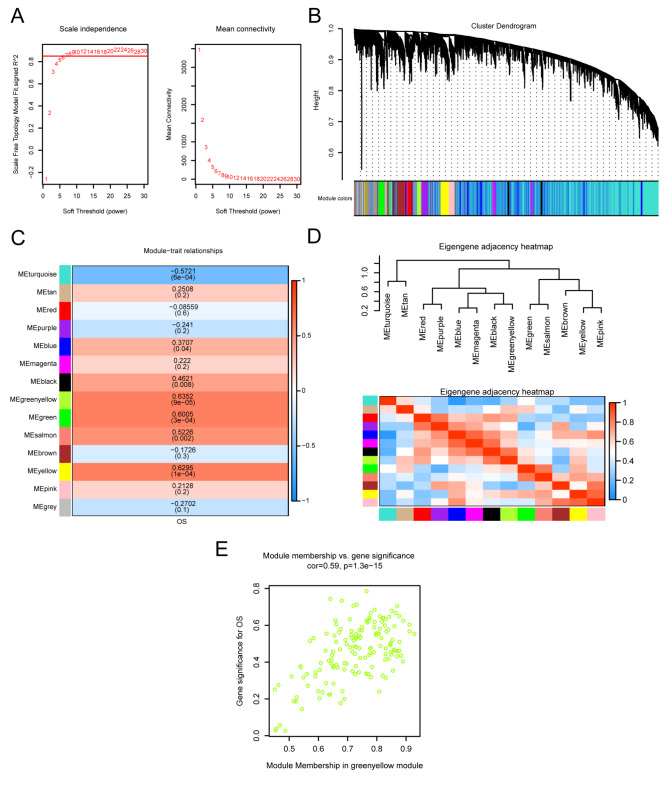
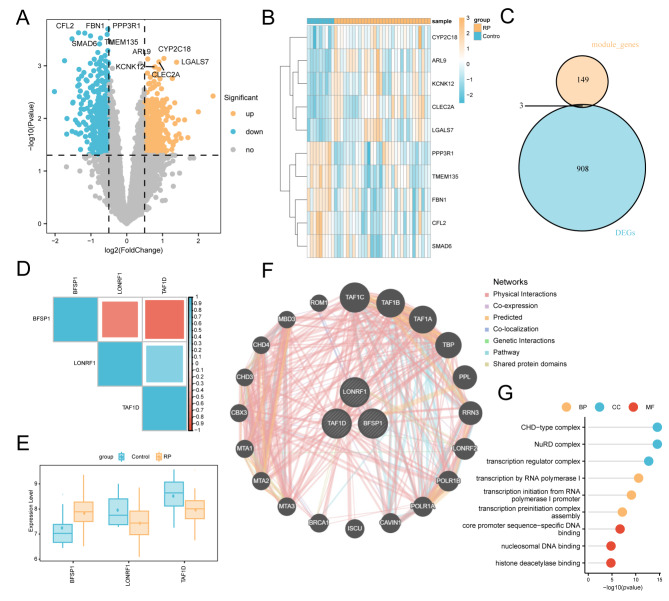
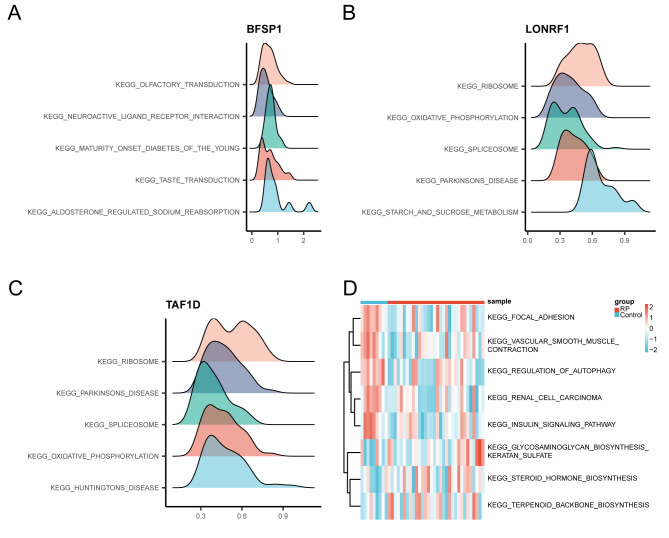
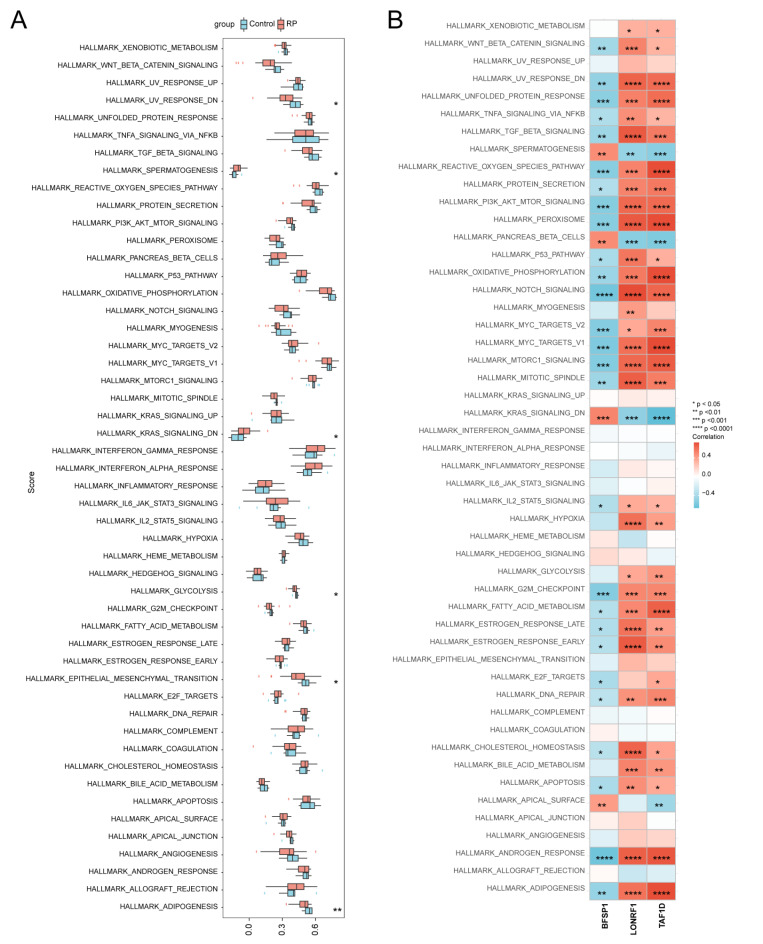
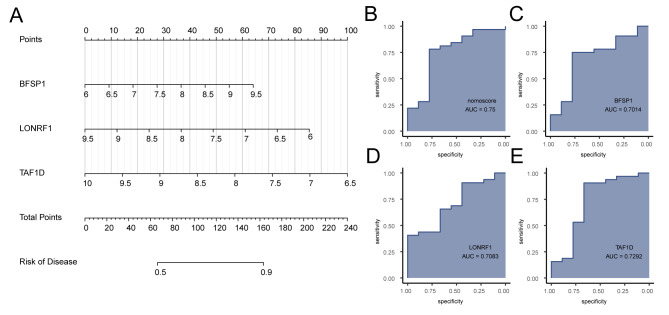
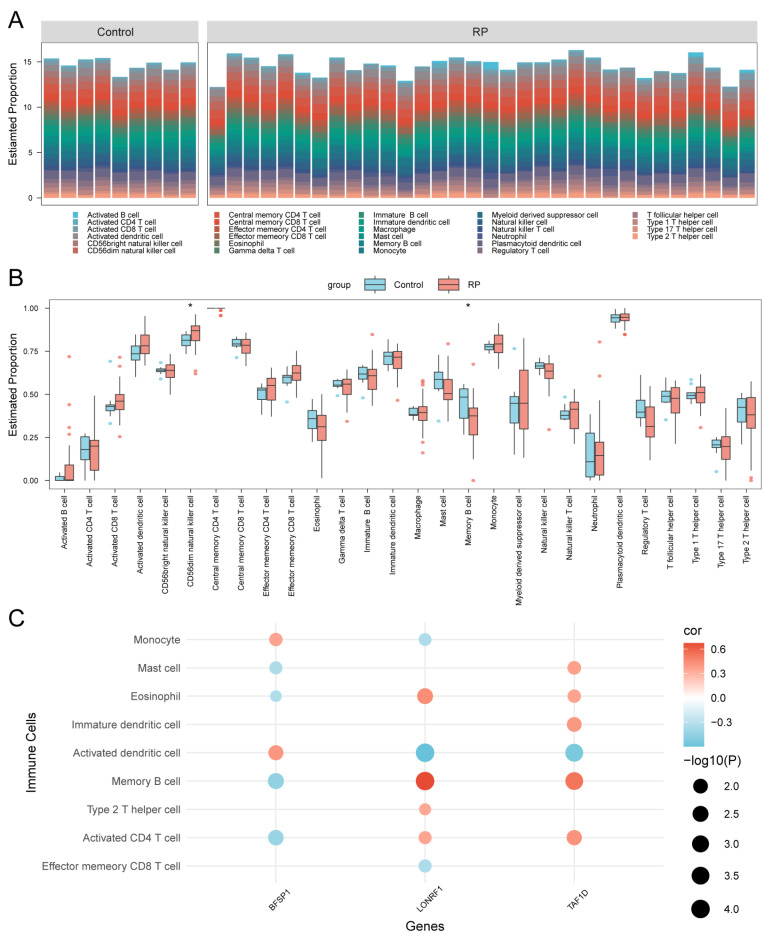
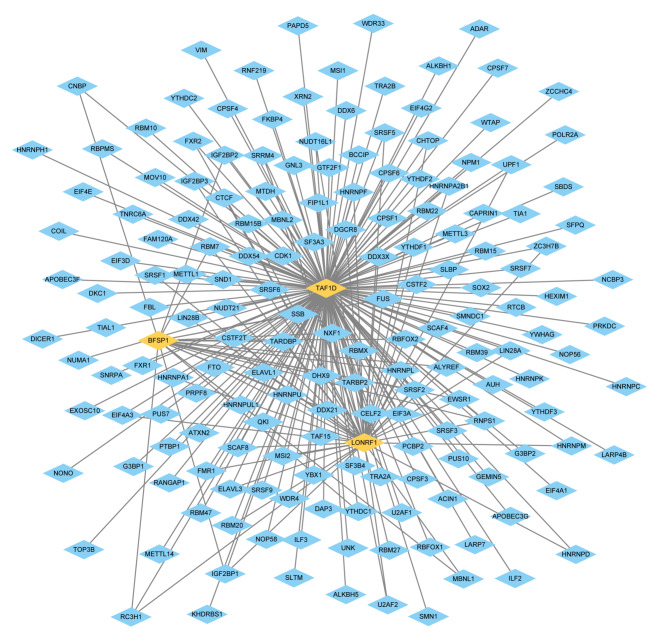
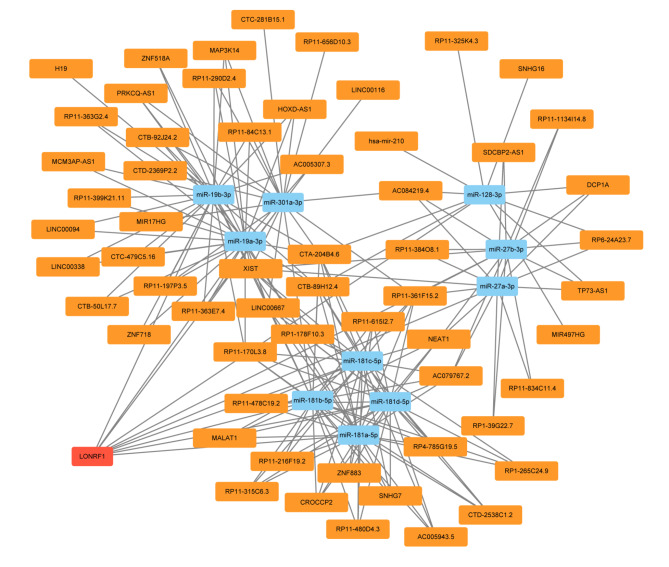
Randall's plaque (RP) is recognized as a precursor lesion for kidney stones, with its formation and progression potentially linked to oxidative stress. Previous studies have provided limited insights into the underlying mechanisms of RP, failing to fully elucidate its molecular pathways. To investigate the relationship between oxidative stress and RP, we employed bioinformatics approaches to identify key genes, predict associated pathways and drug molecules, analyze variations in immune cell populations, and construct diagnostic models. We initially identified three differentially expressed genes related to oxidative stress: BFSP1, LONF1, and TAF1D. These genes and their co-expressed counterparts are enriched in pathways related to oxidative phosphorylation, cellular adhesion processes, steroid hormone biosynthesis, and autophagy. Furthermore, we observed significant differences in two types of immune cells across the study groups. Ultimately, predictions from drug molecular docking suggest that BFSP1 may serve as a promising therapeutic target for RP. We propose that the formation of RP mediated by oxidative stress could be associated with BFSP1, LONF1, TAF1D along with CD56dim natural killer cells and memory B cells. Thus far, BFSP1 emerges as a pivotal therapeutic target for RP development. These findings offer new perspectives on the mechanisms underlying the pathogenesis of RP.
兰德尔斑(RP)被认为是肾结石的前驱病变,其形成和进展可能与氧化应激有关。以往的研究对RP的潜在机制了解有限,未能充分阐明其分子途径。为了研究氧化应激与RP之间的关系,我们采用生物信息学方法来识别关键基因、预测相关途径和药物分子、分析免疫细胞群体的变化以及构建诊断模型。我们最初鉴定出三个与氧化应激相关的差异表达基因:BFSP1、LONF1和TAF1D。这些基因及其共表达的对应基因在与氧化磷酸化、细胞粘附过程、类固醇激素生物合成和自噬相关的途径中富集。此外,我们在研究组间观察到两种免疫细胞存在显著差异。最终,药物分子对接预测表明BFSP1可能是RP的一个有前景的治疗靶点。我们提出,由氧化应激介导的RP形成可能与BFSP1、LONF1、TAF1D以及CD56dim自然杀伤细胞和记忆B细胞有关。迄今为止,BFSP1已成为RP发展的关键治疗靶点。这些发现为RP发病机制的潜在机制提供了新的视角。