Mahajan Uday, Papaleontiou Andreas, Imam Mohamed A, Mahmood Ansar
Trauma and Orthopaedics, Queen Elizabeth Hospital Birmingham, Birmingham, GBR.
Trauma and Orthopaedics, Trauma Surgery, Ashford and St Peter's Hospitals NHS Foundation Trust, Ashford, GBR.
Cureus. 2024 Nov 28;16(11):e74690. doi: 10.7759/cureus.74690. eCollection 2024 Nov.
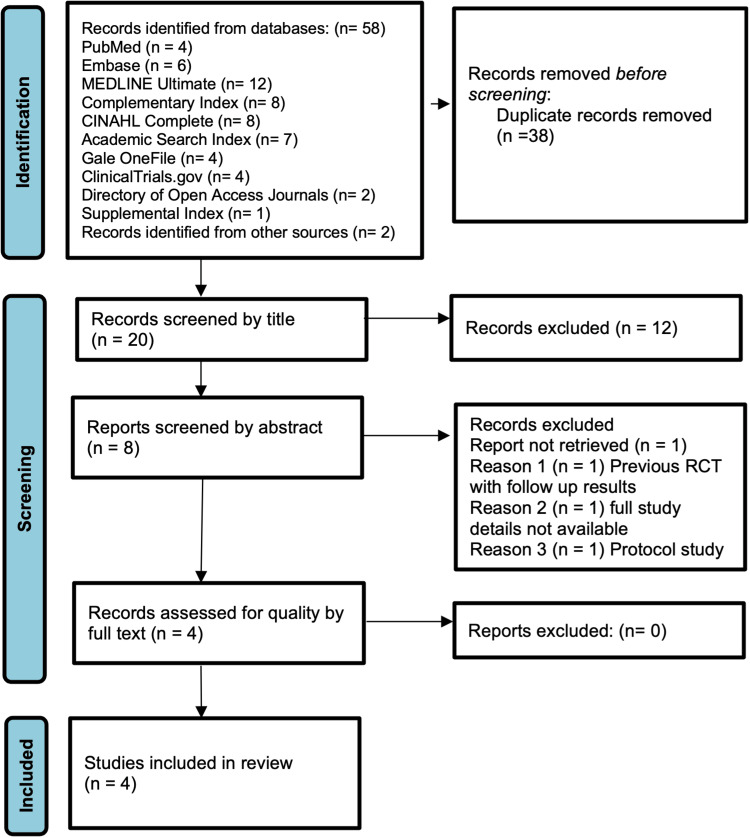
Greater trochanteric pain syndrome (GTPS) is a prevalent musculoskeletal condition characterised by lateral hip pain and reduced function. Platelet-rich plasma (PRP) injections have gained attention as a potential treatment due to their regenerative properties. However, variability in PRP preparation methods and insufficient standardisation in the literature complicate the evaluation of its efficacy and reproducibility. This systematic review aims to assess the level of standardisation in PRP injection protocols for GTPS, focusing on preparation methods, injection techniques, and reported outcomes. A systematic review was conducted using comprehensive searches of major databases. Inclusion criteria targeted randomised controlled trials (RCTs) evaluating PRP for GTPS in adults. Four eligible RCTs were identified, and data were extracted on PRP preparation methods, injection protocols, and reported outcomes. The risk of bias was assessed using the Cochrane Risk of Bias 2 (RoB 2) tool. The included studies demonstrated significant heterogeneity in PRP preparation methods, including centrifugation speeds (1,100 gravitational force (g) to 3,850 revolutions per minute (rpm)), blood volumes (25-54 mL), and platelet concentrations (9.23 × 10⁹/L to 1232 × 10⁹/L). Injection sites varied from the gluteal tendons to the trochanteric bursa, with volumes ranging from 4 mL to 7 mL. Only one study conducted ultrasound-guided injections into the tendon. Despite the variability, two studies reported significant improvements in pain and function, while two found no difference compared to the control. This review highlights the lack of standardisation in PRP preparation and injection protocols for GTPS. Standardised guidelines are urgently needed to improve comparability across studies and optimise clinical outcomes. Future research should establish consensus on PRP preparation, classification, and reporting standards to advance its clinical application.
大转子疼痛综合征(GTPS)是一种常见的肌肉骨骼疾病,其特征为髋部外侧疼痛和功能减退。富血小板血浆(PRP)注射因其再生特性而作为一种潜在治疗方法受到关注。然而,PRP制备方法的变异性以及文献中标准化不足使得评估其疗效和可重复性变得复杂。本系统评价旨在评估GTPS的PRP注射方案的标准化水平,重点关注制备方法、注射技术和报告的结果。通过全面检索主要数据库进行了一项系统评价。纳入标准针对评估成人GTPS的PRP的随机对照试验(RCT)。确定了四项符合条件的RCT,并提取了关于PRP制备方法、注射方案和报告结果的数据。使用Cochrane偏倚风险2(RoB 2)工具评估偏倚风险。纳入的研究表明PRP制备方法存在显著异质性,包括离心速度(1100重力(g)至3850转/分钟(rpm))、血量(25 - 54 mL)和血小板浓度(9.23×10⁹/L至1232×10⁹/L)。注射部位从臀肌腱到转子囊不等,注射量从4 mL到7 mL。只有一项研究进行了超声引导下肌腱内注射。尽管存在变异性,但两项研究报告疼痛和功能有显著改善,而两项研究发现与对照组相比无差异。本评价强调了GTPS的PRP制备和注射方案缺乏标准化。迫切需要标准化指南以提高研究间的可比性并优化临床结果。未来的研究应就PRP制备、分类和报告标准达成共识,以推进其临床应用。