Sanderson-Jerome Camille, Hariharan Seetharaman
Anaesthesia and Intensive Care, Port of Spain General Hospital, Port of Spain, TTO.
Anaesthesia and Intensive Care, The University of the West Indies, St Augustine, TTO.
Cureus. 2024 Nov 27;16(11):e74586. doi: 10.7759/cureus.74586. eCollection 2024 Nov.
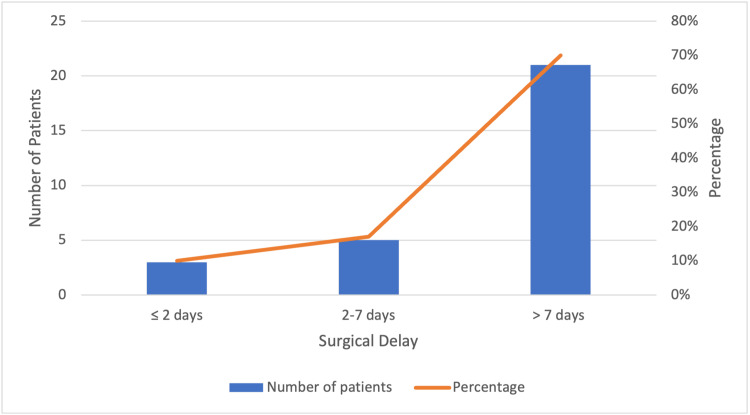
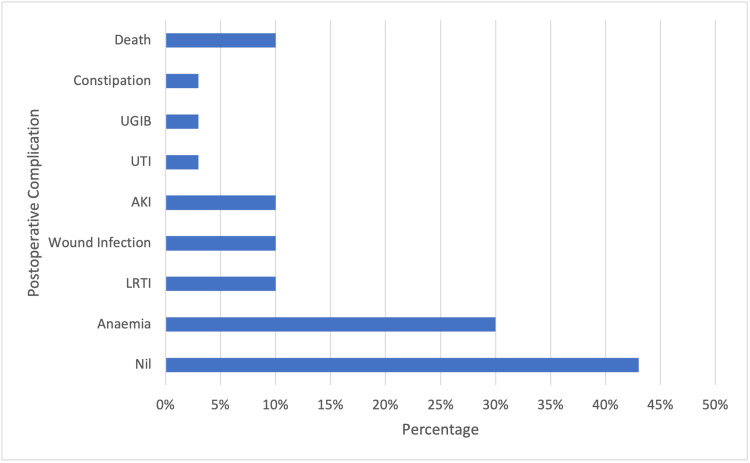
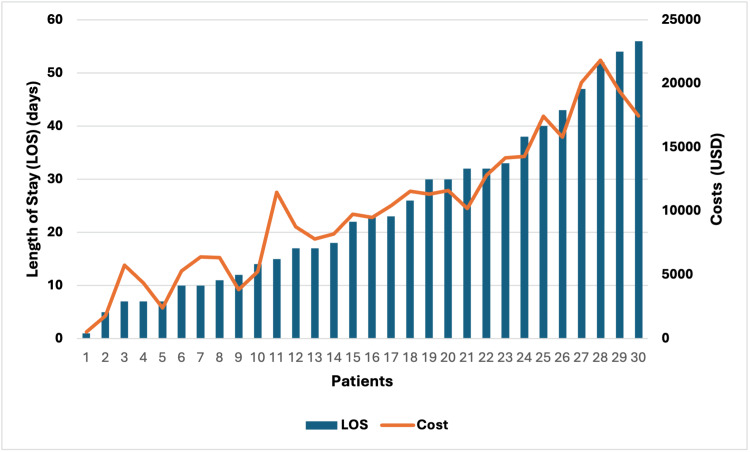
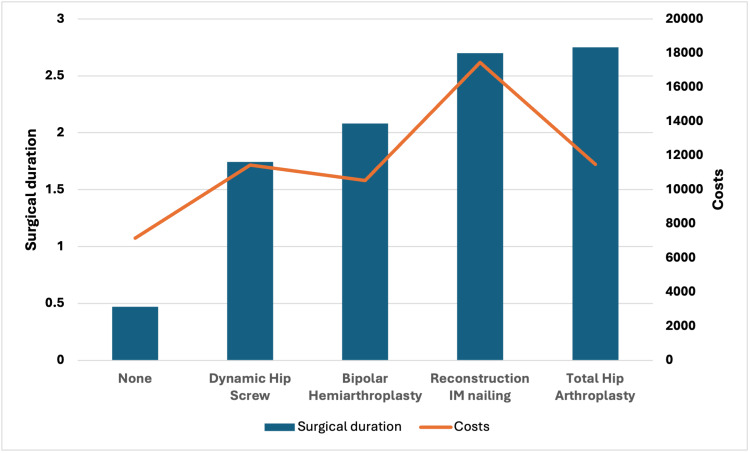
Introduction Hip fractures in the elderly are considered one of the most common types of orthopedic injuries, associated with increased morbidity and mortality. The incidence has been increasing over the years, and its management has also caused a significant economic burden for most countries worldwide. This study aimed to determine the outcomes and economic costs associated with hip fractures in elderly patients at a tertiary care institution in Trinidad and Tobago. Methods A chart review of patients aged > 65 years admitted with a diagnosis of hip fractures for one calendar year was conducted, followed by a prospective survey to determine their current status. Demographics and clinical data were collected. Outcomes measured included the time to surgery (lead time), complications by Clavien-Dindo score, hospital length of stay and mortality, and costs of hospitalization. Results Thirty patients who fulfilled the criteria for chart review and follow-up were studied. The age of patients ranged from 65 to 117 years with a mean of 82.0 ± 10.58 (standard deviation (SD)). The mean lead time from admission to surgery was 17.2 ± 14.2 (SD) days. The mean hospital length of stay was 24.4 ± 15.6 (SD) days. The mean cost of hospitalization was found to be US $10,256 per patient. Postoperative complications were seen in 57% of patients and non-surgical complications were more frequent than surgical complications. The longer the lead time to surgery, the longer the hospital length of stay (p<0.0001); the longer the length of stay, the higher the costs (p<0.0001). The hospital mortality was 27% and one-year mortality was 50%; the lead time to surgery did not impact hospital mortality. Conclusion Prolonged lead time until surgery for elderly hip fracture patients increased their hospital length of stay and significantly increased the costs of their management, adversely affecting their outcomes, which needs to be addressed at the administrative level.
引言 老年髋部骨折被认为是最常见的骨科损伤类型之一,与发病率和死亡率的增加相关。多年来,其发病率一直在上升,并且其治疗也给全球大多数国家带来了巨大的经济负担。本研究旨在确定特立尼达和多巴哥一家三级医疗机构中老年髋部骨折患者的治疗结果和经济成本。方法 对一历年中诊断为髋部骨折的65岁以上患者进行病历回顾,随后进行前瞻性调查以确定他们的当前状况。收集人口统计学和临床数据。测量的结果包括手术时间(术前等待时间)、根据Clavien-Dindo评分的并发症、住院时间和死亡率以及住院费用。结果 研究了30名符合病历回顾和随访标准的患者。患者年龄在65至117岁之间,平均年龄为82.0±10.58(标准差(SD))。从入院到手术的平均术前等待时间为17.2±14.2(SD)天。平均住院时间为24.4±15.6(SD)天。发现每位患者的平均住院费用为10,256美元。57%的患者出现术后并发症,非手术并发症比手术并发症更常见。手术术前等待时间越长,住院时间越长(p<0.0001);住院时间越长,费用越高(p<0.0001)。医院死亡率为27%,一年死亡率为50%;手术术前等待时间不影响医院死亡率。结论 老年髋部骨折患者手术前的术前等待时间延长增加了他们的住院时间,并显著增加了治疗成本,对其治疗结果产生不利影响,这需要在行政层面加以解决。