LeBlanc Vicki R, Brazil Victoria, Posner Glenn D
Department of Innovation in Medical Education, Faculty of Medicine, University of Ottawa, 850 Peter Morand Crescent, Room 102A, Ottawa, ON, K1G 5Z3, Canada.
Faculty of Health Sciences and Medicine, Bond University, Gold Coast, QLD, Australia.
Adv Simul (Lond). 2024 Dec 31;9(1):53. doi: 10.1186/s41077-024-00325-z.
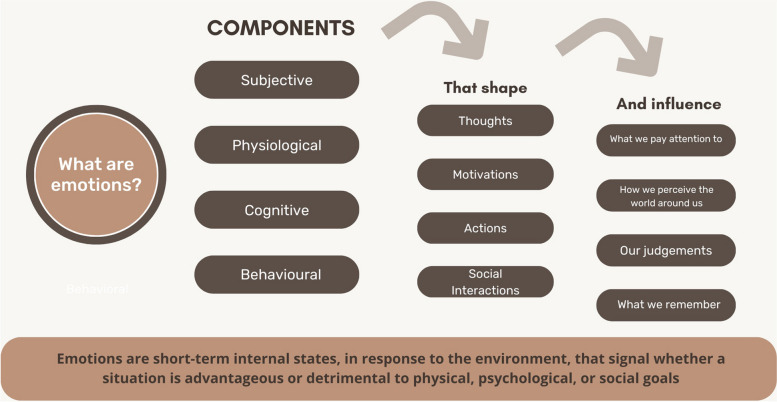
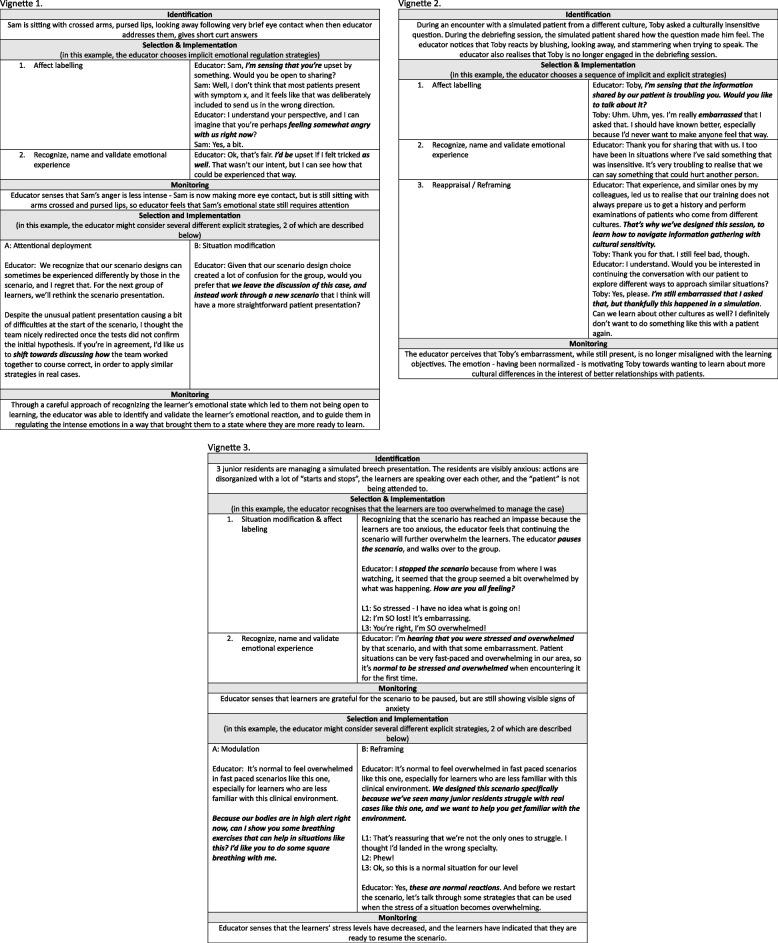
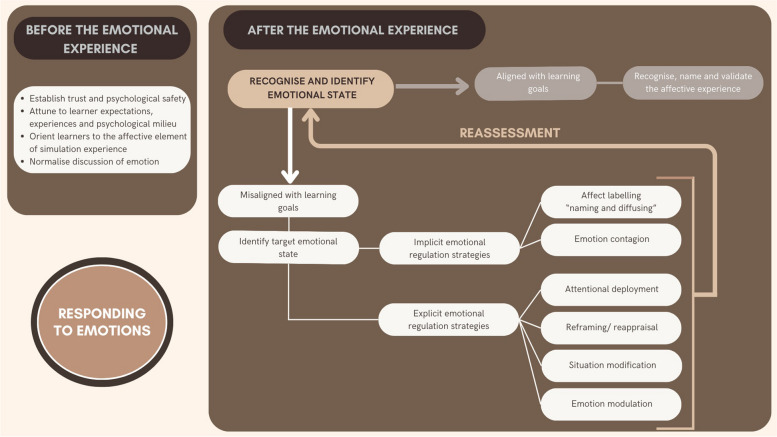
Simulation-based education often involves learners or teams attempting to manage situations at the limits of their abilities. As a result, it can elicit emotional reactions in participants. These emotions are not good or bad, they simply are. Their value at any given moment is determined by their utility in meeting the goals of a particular situation. When emotions are particularly intense, or a given emotion is not aligned with the situation, they can impede learners' ability to engage in a simulation activity or debriefing session, as well as their ability to retain knowledge and skills learned during the session. Building on existing guidance for simulation educators seeking to optimize the learning state/readiness in learners, this paper explores the theory and research that underpins the practical application of how to recognize and support learners' emotions during simulation sessions. Specifically, we describe the impact of various emotions on the cognitive processes involved in learning and performance, to inform practical guidance for simulation practitioners: (1) how to recognize and identify emotions experienced by others, (2) how to determine whether those emotional reactions are problematic or helpful for a given situation, and (3) how to mitigate unhelpful emotional reactions and leverage those that are beneficial in achieving the goals of a simulation session.
基于模拟的教育通常涉及学习者或团队尝试在其能力极限的情况下处理各种情况。因此,它可能会引发参与者的情绪反应。这些情绪并无好坏之分,只是客观存在。它们在任何特定时刻的价值取决于其在实现特定情况目标时的效用。当情绪特别强烈,或者某种特定情绪与情况不相符时,它们可能会妨碍学习者参与模拟活动或总结讨论环节的能力,以及他们在该环节中保留所学知识和技能的能力。本文基于现有的为寻求优化学习者学习状态/准备情况的模拟教育工作者提供的指导,探讨了如何在模拟课程中识别和支持学习者情绪的实际应用背后的理论和研究。具体而言,我们描述了各种情绪对学习和表现中认知过程的影响,为模拟从业者提供实用指导:(1)如何识别和辨别他人所经历的情绪,(2)如何确定这些情绪反应对于特定情况是有问题还是有帮助的,以及(3)如何减轻无益的情绪反应,并利用那些有助于实现模拟课程目标的情绪反应。