Wu Hao-Ting, Liao Chien-Chang, Peng Chiung-Fang, Lee Tso-Ying, Liao Pei-Hung
Department of Nursing, Cheng Hsin General Hospital, Taipei, Taiwan.
Department of Gastroenterologist, Tainan Municipal Hospital (Managed By Show Chwan Medical Care Corporation), Tainan, Taiwan.
Health Inf Sci Syst. 2024 Dec 29;13(1):10. doi: 10.1007/s13755-024-00324-4. eCollection 2025 Dec.
Health risks associated with phthalate esters depend on exposure level, individual sensitivities, and other contributing factors.
This study employed artificial intelligence algorithms while applying data mining techniques to identify correlations between phthalate esters [di(2-ethylhexyl) phthalate, DEHP], lifestyle factors, and disease outcomes.
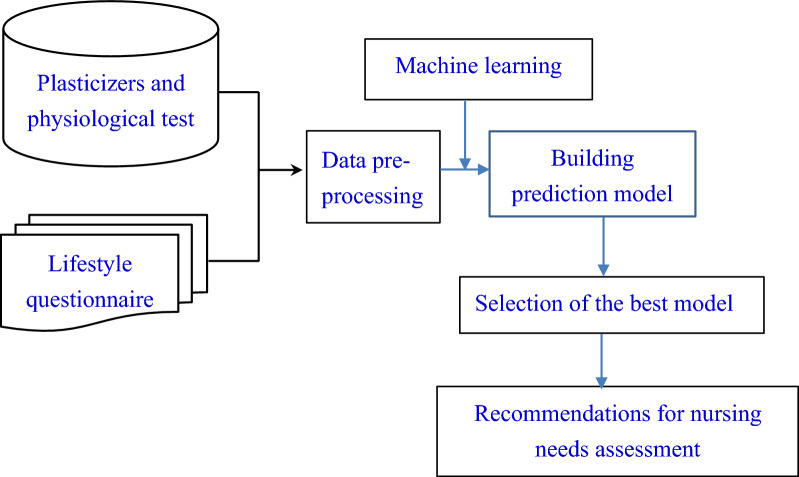
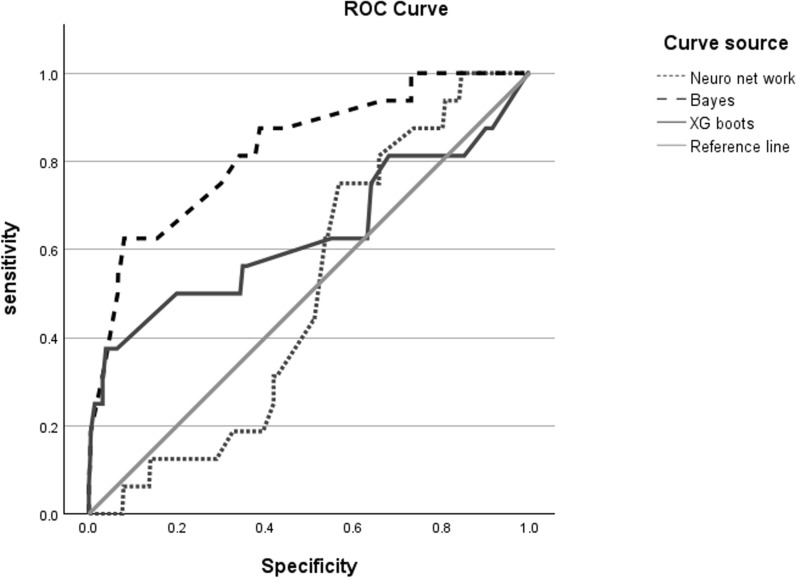
We conducted exploratory analysis using demographic and laboratory data collected from the Taiwan Biobank. The study developed a prediction model to examine the relationship between phthalate esters and the risk of developing certain diseases based on various artificial intelligence algorithms, including logistic regression, artificial neural networks, and Bayesian networks.
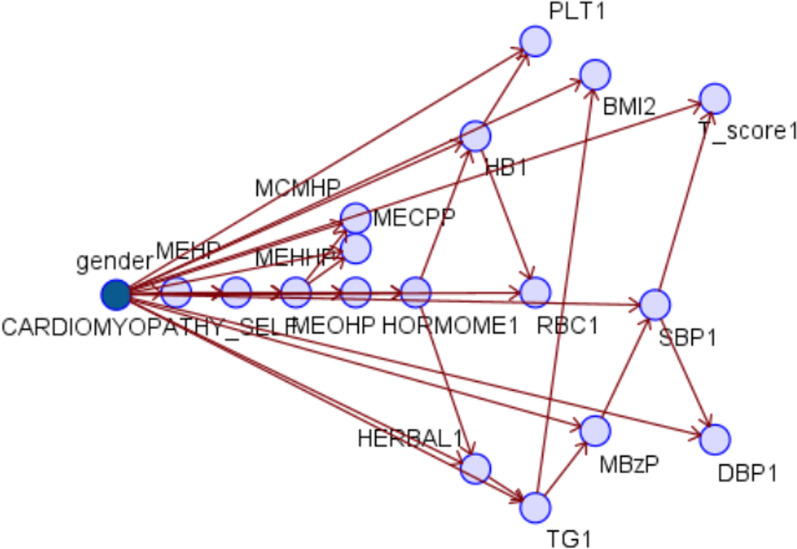
The results indicate that phthalate esters exhibited a greater impact on bone and joint issues than heart problems. We observed that DEHP metabolites, such as mono(2-carboxymethylhexyl) phthalate, mono-n-butyl phthalate, and monoethylphthalate, leave higher residue in females than in males, with statistically significant differences. Monoethylphthalate levels were lower in individuals who exercised regularly than those who did not, indicating statistically significant differences.
This study's findings can serve as a valuable reference for clinical nursing assessments regarding diseases related to osteoporosis, arthritis, and musculoskeletal pain. Medical professionals can enhance care quality by considering factors beyond patients' essential physical assessment items.Trial Registration: This study was registered under NCT05892029 on May 5, 2023, retrospectively.
邻苯二甲酸酯类物质相关的健康风险取决于暴露水平、个体敏感性以及其他影响因素。
本研究运用人工智能算法并应用数据挖掘技术,以确定邻苯二甲酸酯类物质[邻苯二甲酸二(2-乙基己基)酯,DEHP]、生活方式因素与疾病结局之间的相关性。
我们使用从台湾生物银行收集的人口统计学和实验室数据进行探索性分析。该研究基于多种人工智能算法,包括逻辑回归、人工神经网络和贝叶斯网络,开发了一个预测模型,以检验邻苯二甲酸酯类物质与患某些疾病风险之间的关系。
结果表明,邻苯二甲酸酯类物质对骨骼和关节问题的影响比对心脏问题的影响更大。我们观察到,邻苯二甲酸单(2-羧甲基己基)酯、邻苯二甲酸单正丁酯和邻苯二甲酸单乙酯等DEHP代谢物在女性体内的残留量高于男性,差异具有统计学意义。经常锻炼的个体中邻苯二甲酸单乙酯水平低于不锻炼的个体,差异具有统计学意义。
本研究结果可为与骨质疏松症、关节炎和肌肉骨骼疼痛相关疾病的临床护理评估提供有价值的参考。医疗专业人员可以通过考虑患者基本身体评估项目以外的因素来提高护理质量。试验注册:本研究于2023年5月5日进行回顾性注册,注册号为NCT05892029。