Sun Yangyong, Li Zhi, Liu Jianchao, Xiao Ying, Pan Yaqiang, Lv Benbo, Wang Xufeng, Lin Zhiqiang
Department of Cardiothoracic Surgery, Affiliated People's Hospital of Jiangsu University, Zhenjiang, Jiangsu, China.
Department of Emergency, Nanjing Jiangning Hospital, Nanjing, Jiangsu, China.
Front Immunol. 2024 Dec 16;15:1507375. doi: 10.3389/fimmu.2024.1507375. eCollection 2024.
B-cell receptor-associated protein 31 (BCAP31) is a widely expressed transmembrane protein primarily located in the endoplasmic reticulum (ER), including the ER-mitochondria associated membranes. Emerging evidence suggests that BCAP31 may play a role in cancer development and progression, although its specific effects across different cancer types remain incompletely understood.
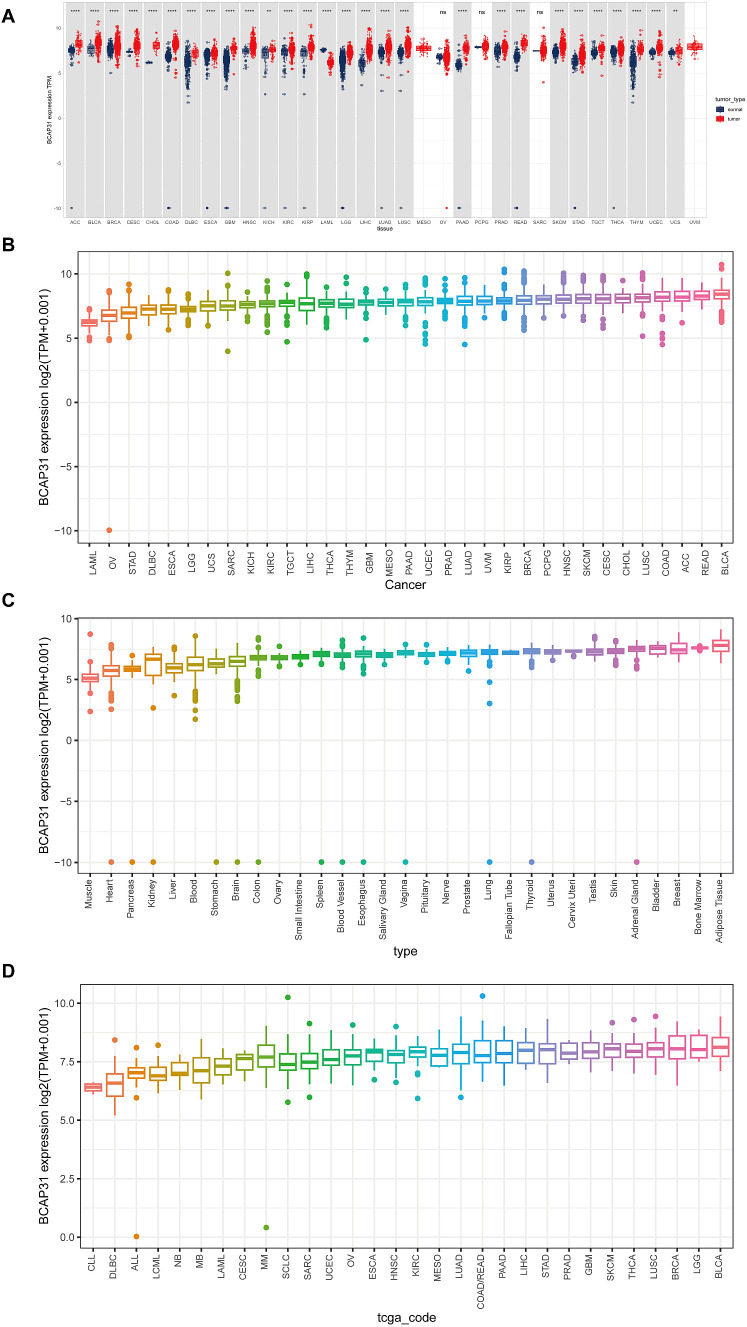
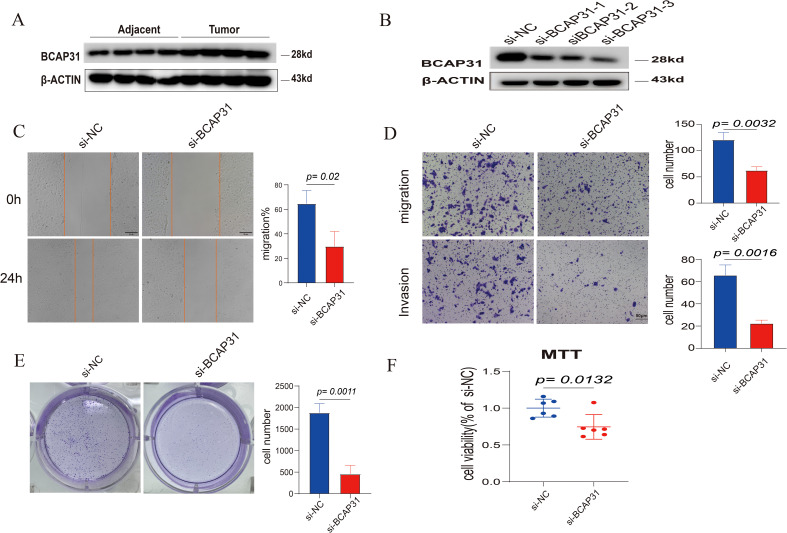
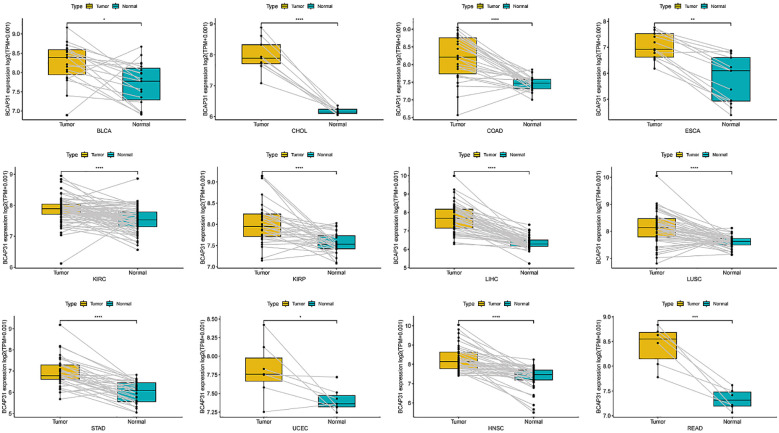
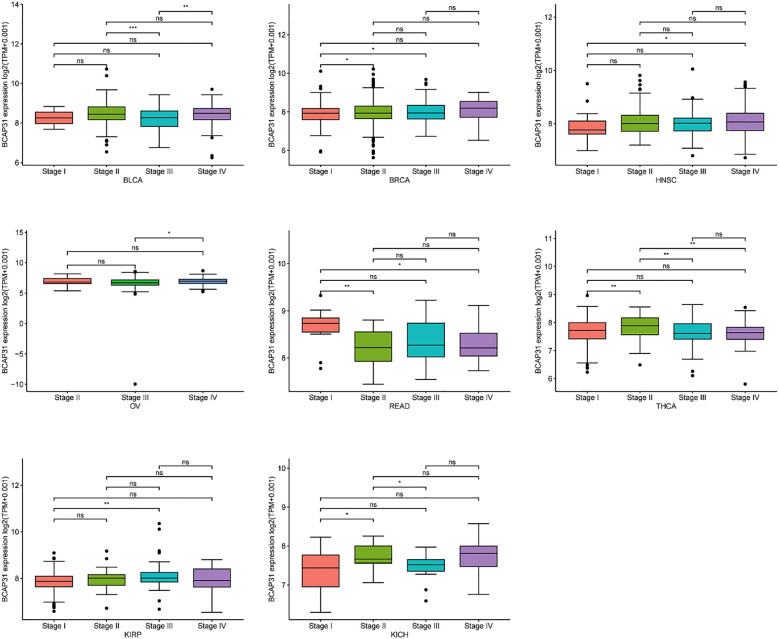
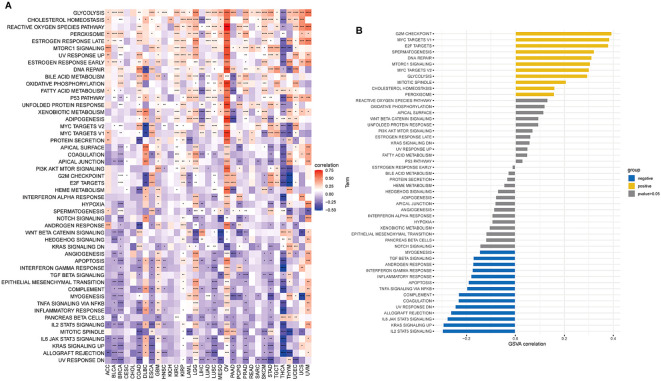
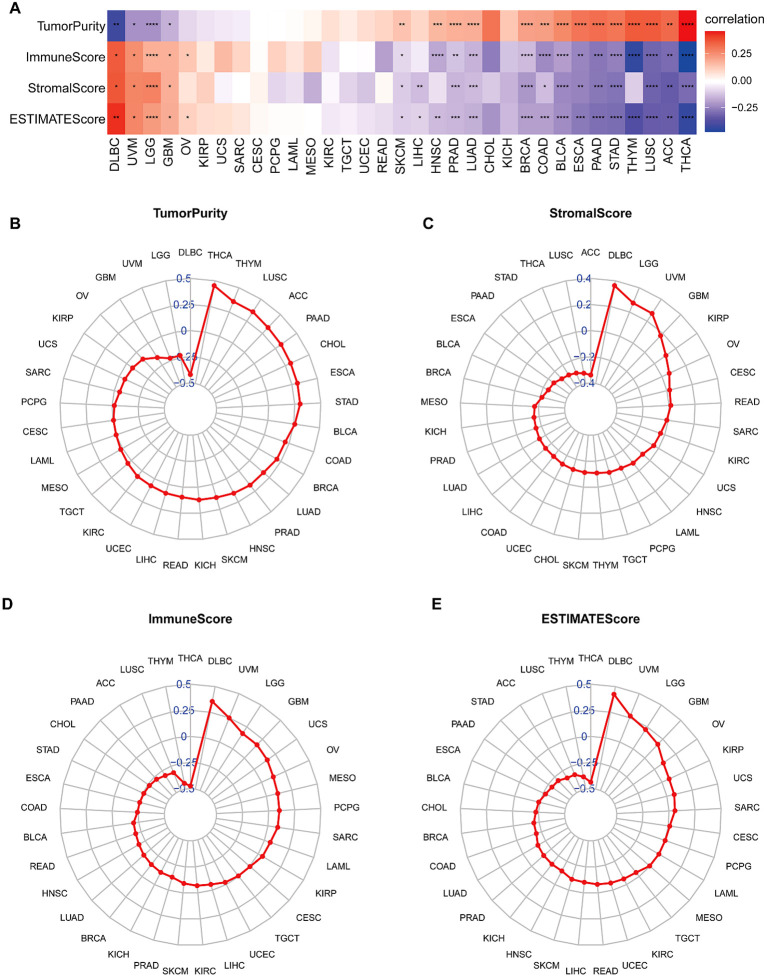
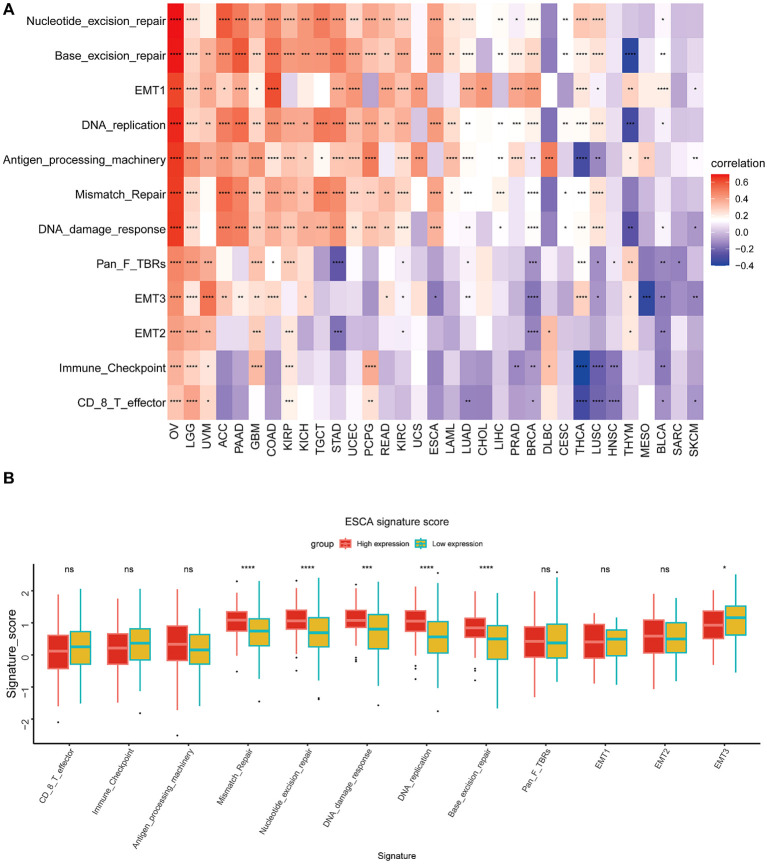
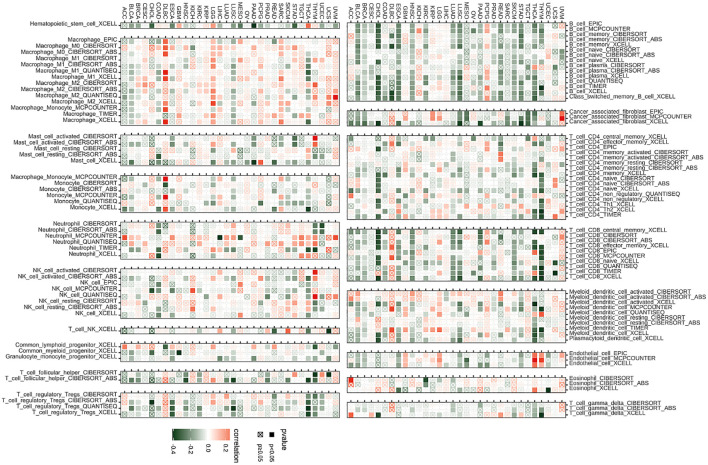
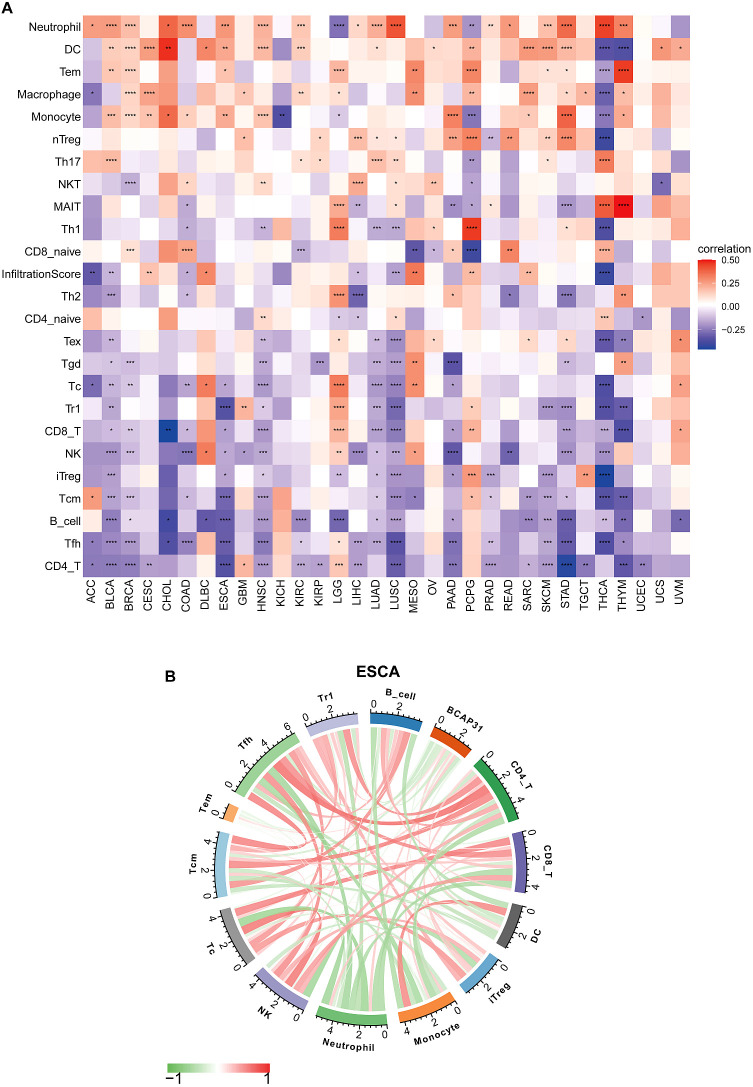
The raw data on BCAP31 expression in tumor and adjacent non-tumor (paracancerous) samples were obtained from the Broad Institute Cancer Cell Line Encyclopedia (CCLE) and UCSC databases. We also examined the association between BCAP31 expression and clinicopathological factors. Using the Cox proportional hazards model, we found that high BCAP31 levels were linked to poor prognosis. To further explore BCAP31's role, we analyzed the relationship between copy number variations (CNV) and BCAP31 mRNA expression using data from The Cancer Genome Atlas (TCGA). Additionally, the association between BCAP31 expression and signature pathway scores from the MsigDB database provided insights into the tumor biology and immunological characteristics of BCAP31.We assessed the relationship between tumor immune infiltration and BCAP31 expression using the TIMER2 and ImmuCellAI databases. The ESTIMATE computational method was employed to estimate the proportion of immune cells infiltrating the tumors, as well as the stromal and immune components, based on TCGA data. To investigate drug sensitivity in relation to BCAP31 expression, we utilized GDSC2 data, which included responses to 198 medications. We explored the relationship between BCAP31 gene expression and response to immunotherapy. Additionally, the study involved culturing KYSE-150 cells under standard conditions and using siRNA-mediated knockdown of BCAP31 to assess its function. Key experiments included Western blotting (WB) to confirm BCAP31 knockdown, MTT assays for cell proliferation, colony formation assays for growth potential, Transwell assays for migration and invasion, and wound healing assays for motility. Additionally, immunohistochemistry (IHC) was performed on tumor and adjacent normal tissue samples to evaluate BCAP31 expression levels.
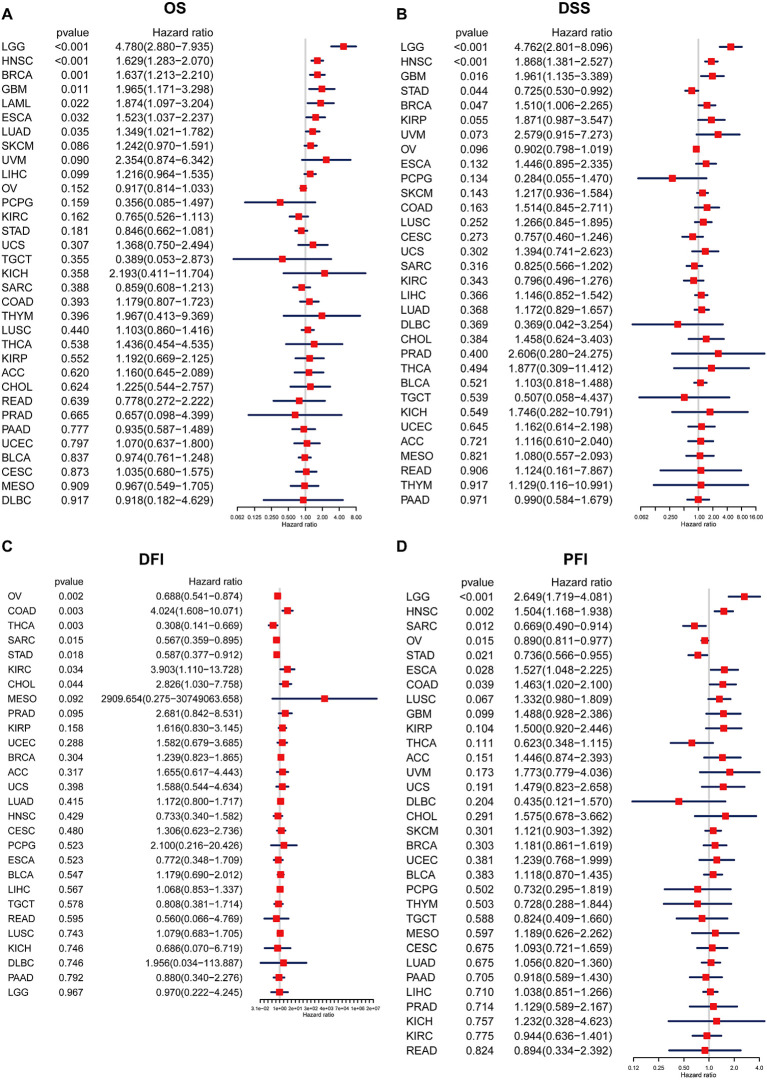
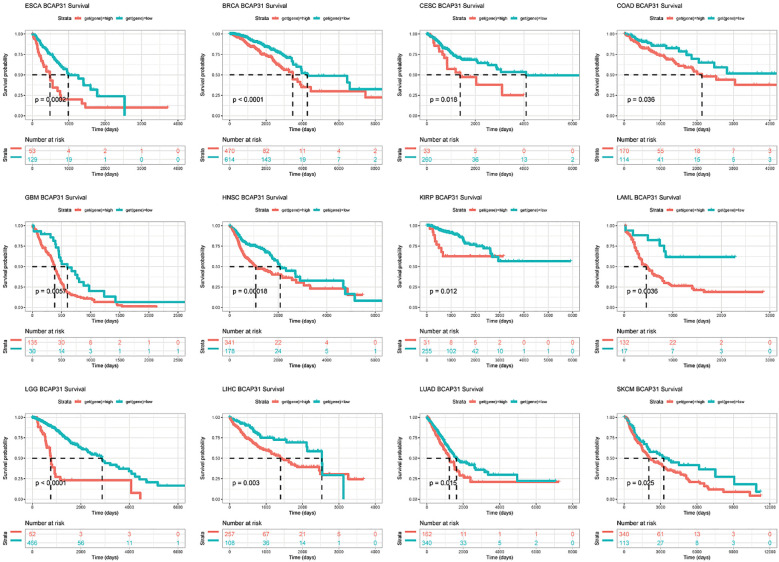
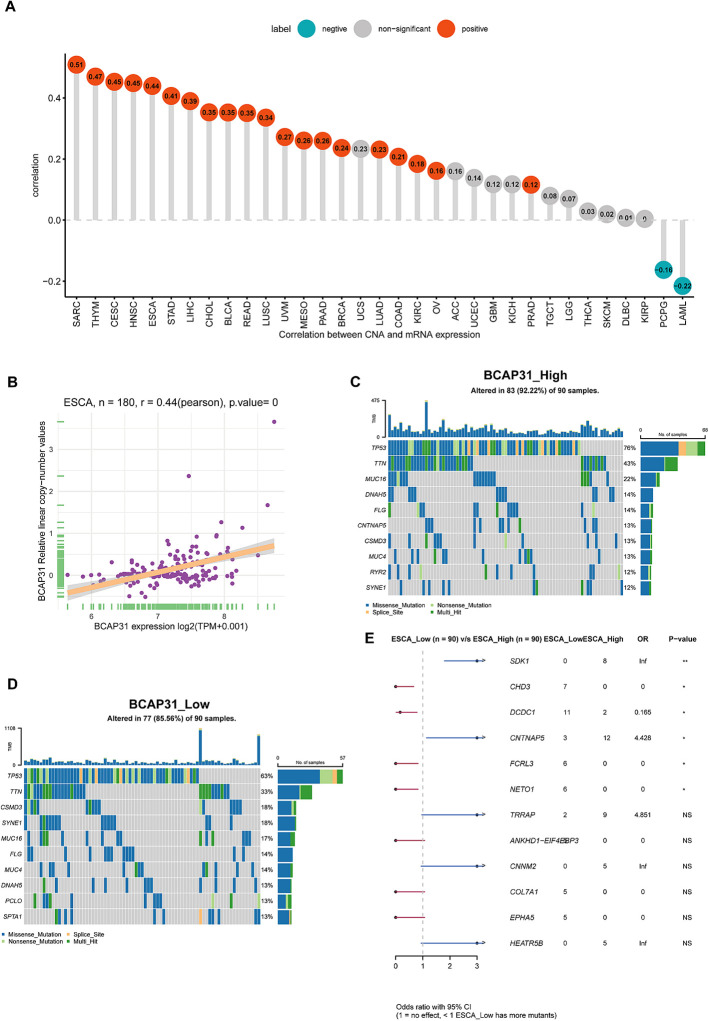
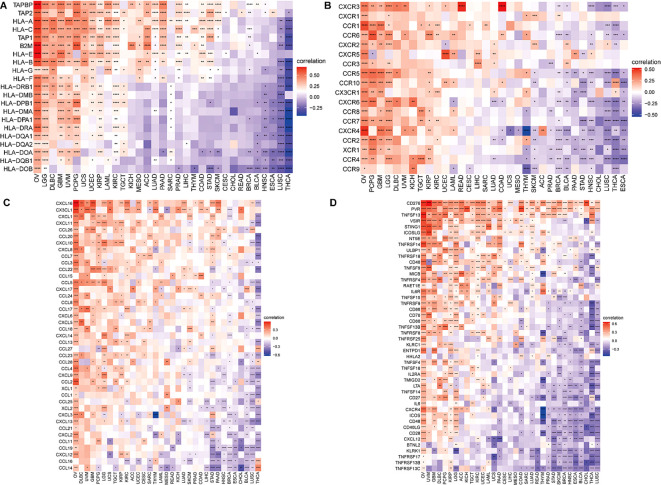
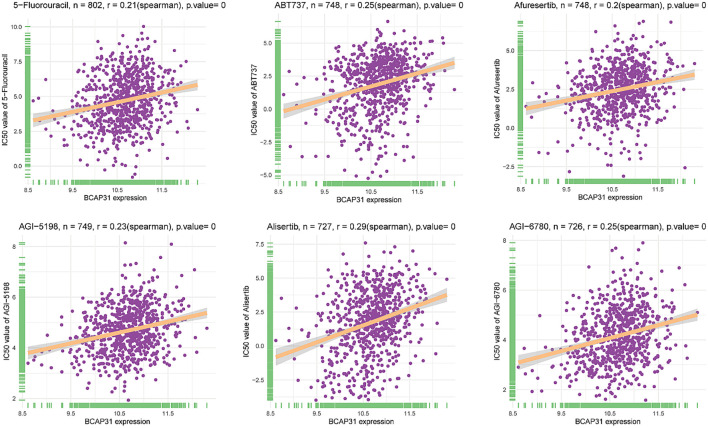
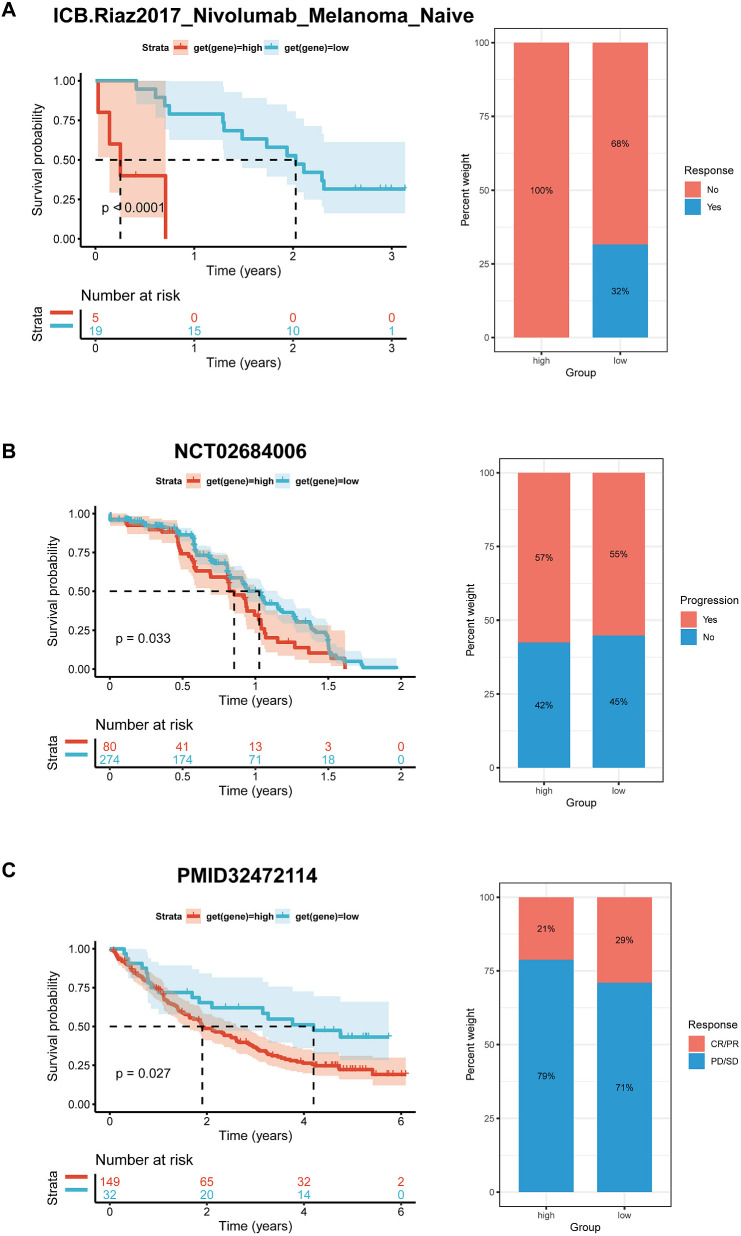
BCAP31 was found to be significantly overexpressed in several prevalent malignancies and was associated with poor prognosis. Cox regression analysis across all cancer types revealed that higher BCAP31 levels were predominantly linked to worse overall survival (OS), disease-free interval (DFI), disease-specific survival (DSS), and progression-free interval (PFI). In most malignancies, increased BCAP31 expression was positively correlated with higher CNV. Additionally, BCAP31 expression was strongly associated with the tumor microenvironment (TME), influencing the levels of infiltrating immune cells, immune-related genes, and immune-related pathways. Drug sensitivity analysis identified six medications that showed a significant positive correlation with BCAP31 expression. Furthermore, BCAP31 expression impacted the outcomes and prognosis of cancer patients undergoing immune therapy. The functional assays demonstrated that BCAP31 knockdown in KYSE-150 cells significantly inhibited cell migration, invasion, and proliferation while enhancing colony formation ability. WB and immunohistochemistry analyses confirmed elevated BCAP31 expression in tumor tissues compared to adjacent normal tissues in esophageal cancer, lung adenocarcinoma, and gastric adenocarcinoma.
BCAP31 has the potential to serve as a biomarker for cancer immunology, particularly in relation to immune cell infiltration, and as an indicator of poor prognosis. These findings provide a new perspective that could inform the development of more targeted cancer therapy strategies.
B细胞受体相关蛋白31(BCAP31)是一种广泛表达的跨膜蛋白,主要位于内质网(ER),包括内质网-线粒体相关膜。越来越多的证据表明,BCAP31可能在癌症的发生和发展中起作用,尽管其在不同癌症类型中的具体作用仍不完全清楚。
从布罗德研究所癌症细胞系百科全书(CCLE)和加州大学圣克鲁兹分校数据库中获取肿瘤和相邻非肿瘤(癌旁)样本中BCAP31表达的原始数据。我们还研究了BCAP31表达与临床病理因素之间的关联。使用Cox比例风险模型,我们发现BCAP31水平高与预后不良有关。为了进一步探索BCAP31的作用,我们使用来自癌症基因组图谱(TCGA)的数据,分析了拷贝数变异(CNV)与BCAP31 mRNA表达之间的关系。此外,BCAP31表达与MsigDB数据库中的特征通路评分之间的关联,为BCAP31的肿瘤生物学和免疫特征提供了见解。我们使用TIMER2和ImmuCellAI数据库评估肿瘤免疫浸润与BCAP31表达之间的关系。基于TCGA数据,采用ESTIMATE计算方法来估计浸润肿瘤的免疫细胞比例以及基质和免疫成分。为了研究与BCAP31表达相关的药物敏感性,我们利用了GDSC2数据,其中包括对198种药物的反应。我们探索了BCAP31基因表达与免疫治疗反应之间的关系。此外,该研究包括在标准条件下培养KYSE-150细胞,并使用小干扰RNA(siRNA)介导的BCAP31敲低来评估其功能。关键实验包括蛋白质免疫印迹法(WB)以确认BCAP31敲低、MTT法检测细胞增殖、集落形成试验检测生长潜力、Transwell试验检测迁移和侵袭以及伤口愈合试验检测运动能力。此外,对肿瘤和相邻正常组织样本进行免疫组织化学(IHC)检测,以评估BCAP31的表达水平。
发现BCAP31在几种常见恶性肿瘤中显著过表达,并与预后不良相关。对所有癌症类型进行的Cox回归分析显示,较高的BCAP31水平主要与较差的总生存期(OS)、无病间期(DFI)、疾病特异性生存期(DSS)和无进展生存期(PFI)相关。在大多数恶性肿瘤中,BCAP31表达增加与较高的CNV呈正相关。此外,BCAP31表达与肿瘤微环境(TME)密切相关,影响浸润免疫细胞、免疫相关基因和免疫相关通路的水平。药物敏感性分析确定了六种与BCAP31表达呈显著正相关的药物。此外,BCAP31表达影响接受免疫治疗的癌症患者的结局和预后。功能试验表明,KYSE-150细胞中BCAP31的敲低显著抑制细胞迁移、侵袭和增殖,同时增强集落形成能力。WB和免疫组织化学分析证实,与食管癌、肺腺癌和胃腺癌的相邻正常组织相比,肿瘤组织中BCAP31表达升高。
BCAP31有潜力作为癌症免疫学的生物标志物,特别是与免疫细胞浸润相关的标志物,以及预后不良的指标。这些发现提供了一个新的视角,可为更具针对性的癌症治疗策略的开发提供参考。