Salehi Mohammad Saied, Changiz Khani Fatemeh, Ansari Sanaz, Mokhtari Mohammad Javad, Dara Mahintaj, Bayat Mahnaz, Hooshmandi Etrat, Ashjazadeh Nahid, Borhani-Haghighi Afshin, Ünal Gökhan, Pandamooz Sareh
Clinical Neurology Research Center, Shiraz University of Medical Sciences, Shiraz, Iran.
Department of Biology, Zarghan Branch, Islamic Azad University, Zarghan, Iran.
Iran J Biotechnol. 2024 Jul 1;22(3):e3888. doi: 10.30498/ijb.2024.447077.3888. eCollection 2024 Jul.
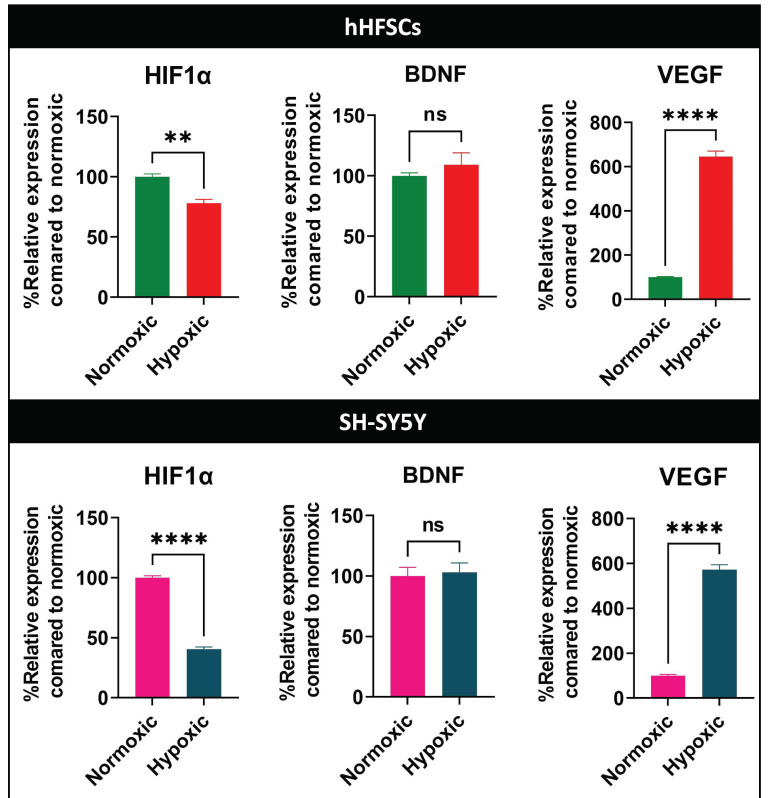
This study investigated the impact of hypoxic preconditioning on the survival and oxidative stress tolerance of nestin-expressing hair follicle stem cells (hHFSCs) and SH-SY5Y neuroblastoma cells, two crucial cell types for central nervous system therapies. The study also examined the relative expression of three key genes, HIF1α, BDNF, and VEGF following hypoxic preconditioning.
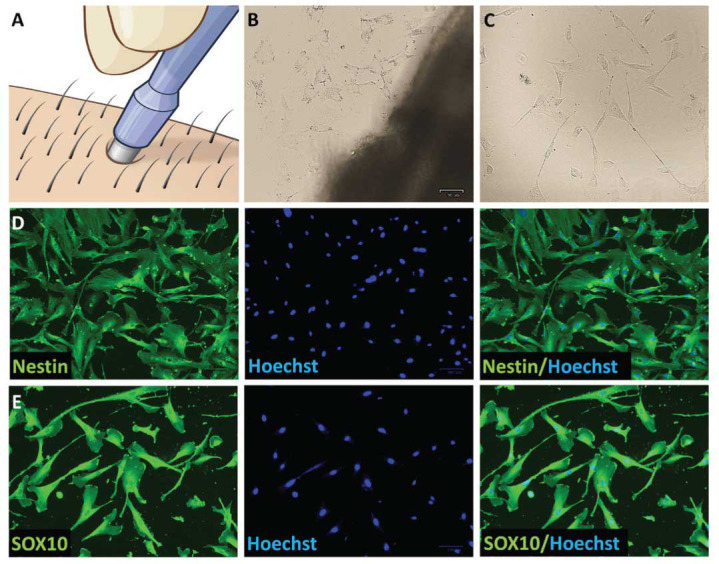
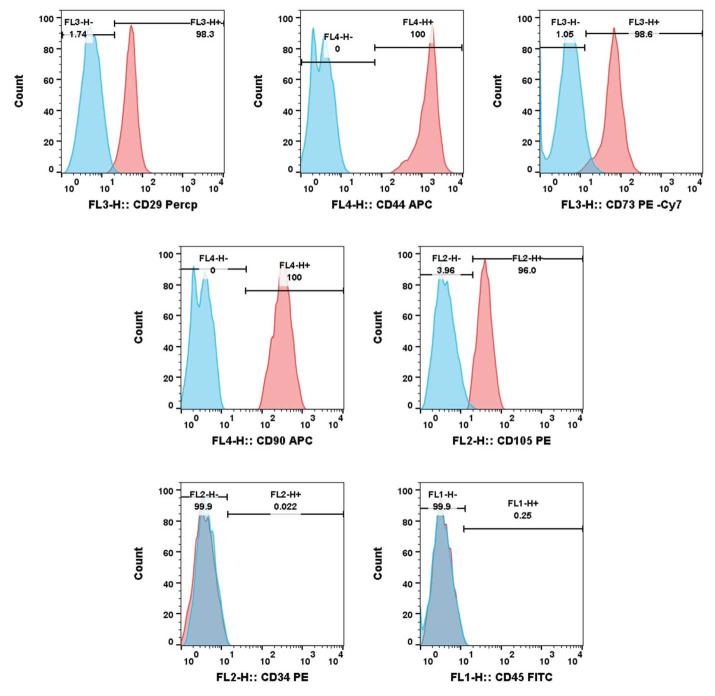
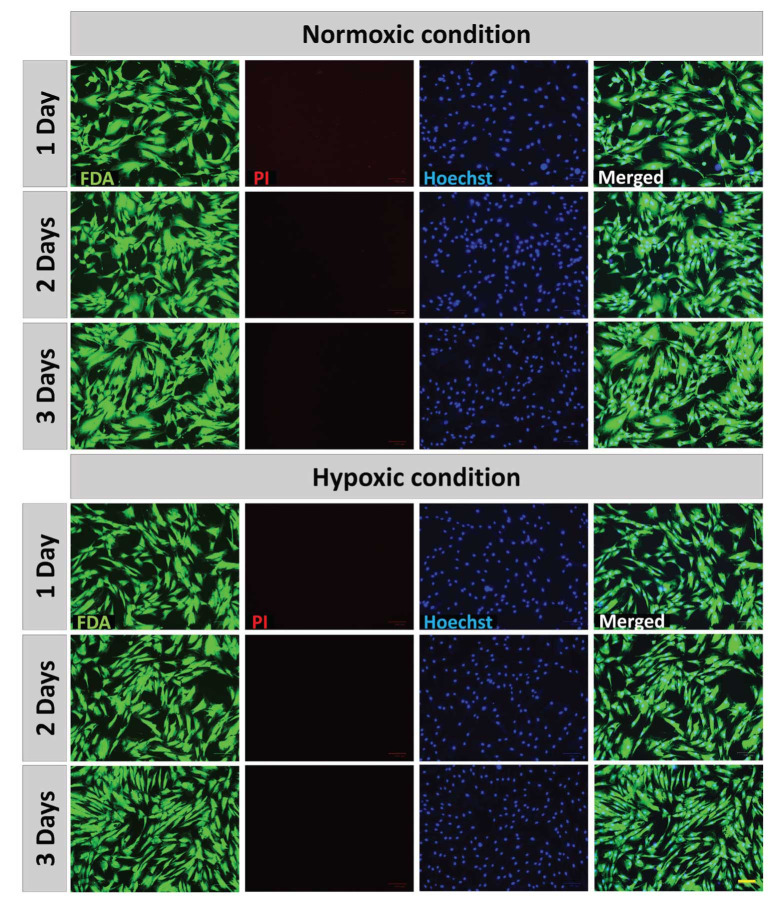
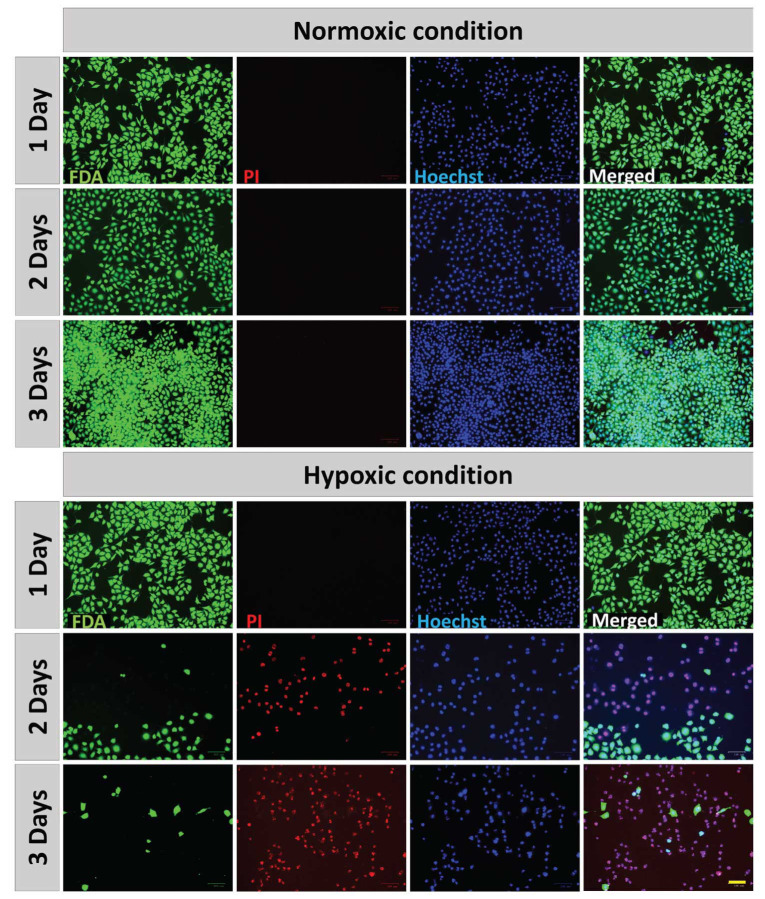
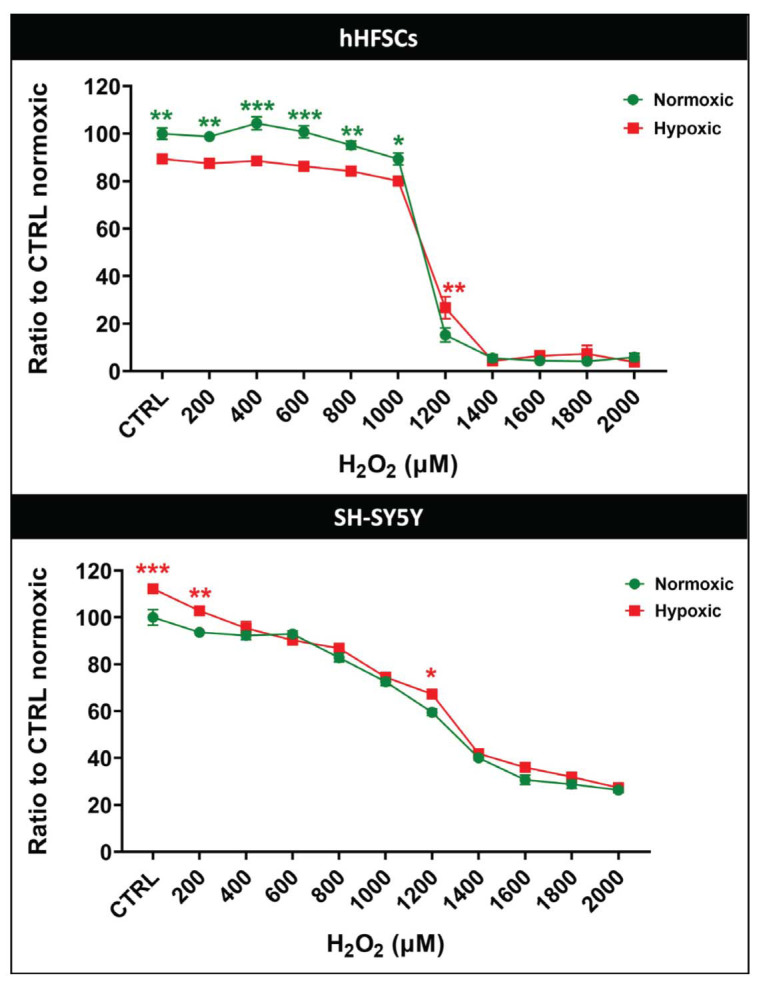
hHFSCs were isolated from human hair follicles, characterized, and subjected to hypoxia for up to 72 hours. SH-SY5Y cells were similarly preconditioned for up to 72 hours. Cell viability under hypoxic conditions and oxidative stress was assessed. The relative expression of key genes was evaluated using qRT-PCR.
hHFSCs exhibited remarkable resilience to hypoxic conditions, while SH-SY5Y cells displayed lower tolerance. Hypoxic preconditioning improved the viability of both cell types under oxidative stress. HIF1α mRNA was significantly downregulated, and VEGF transcripts increased after preconditioning, suggesting adaptations to prolonged hypoxia.
Hypoxic preconditioning enhances the survival and oxidative stress resilience of hHFSCs and SH-SY5Y cells, offering potential benefits for central nervous system cell therapy. The differential responses observed emphasize the need for tailored preconditioning strategies for specific cell types. These findings underscore the importance of hypoxic preconditioning and warrant further research into the underlying mechanisms, bringing us closer to effective neurological disorder treatments.
本研究调查了缺氧预处理对表达巢蛋白的毛囊干细胞(hHFSCs)和SH-SY5Y神经母细胞瘤细胞(中枢神经系统治疗的两种关键细胞类型)的存活及氧化应激耐受性的影响。该研究还检测了缺氧预处理后三个关键基因HIF1α、BDNF和VEGF的相对表达。
从人毛囊中分离hHFSCs,进行表征,并使其缺氧长达72小时。对SH-SY5Y细胞进行类似的长达72小时的预处理。评估缺氧条件下及氧化应激时的细胞活力。使用qRT-PCR评估关键基因的相对表达。
hHFSCs对缺氧条件表现出显著的恢复力,而SH-SY5Y细胞的耐受性较低。缺氧预处理提高了两种细胞类型在氧化应激下的活力。预处理后HIF1α mRNA显著下调,VEGF转录本增加,表明对长期缺氧的适应性。
缺氧预处理增强了hHFSCs和SH-SY5Y细胞的存活及氧化应激恢复力,为中枢神经系统细胞治疗带来潜在益处。观察到的不同反应强调了针对特定细胞类型制定个性化预处理策略的必要性。这些发现强调了缺氧预处理的重要性,并值得对潜在机制进行进一步研究,使我们更接近有效的神经系统疾病治疗方法。