Xue Gangqiang, Tang Lu, Pan Xinyan, Li Sanni, Zhao Juan
Department of Pharmaceutic Preparation, The Fourth Hospital of Shijiazhuang, Shijiazhuang, Hebei, China.
Institute of Food Science and Technology, Chinese Academy of Agricultural Sciences, Beijing, China.
Front Oncol. 2024 Dec 16;14:1520274. doi: 10.3389/fonc.2024.1520274. eCollection 2024.
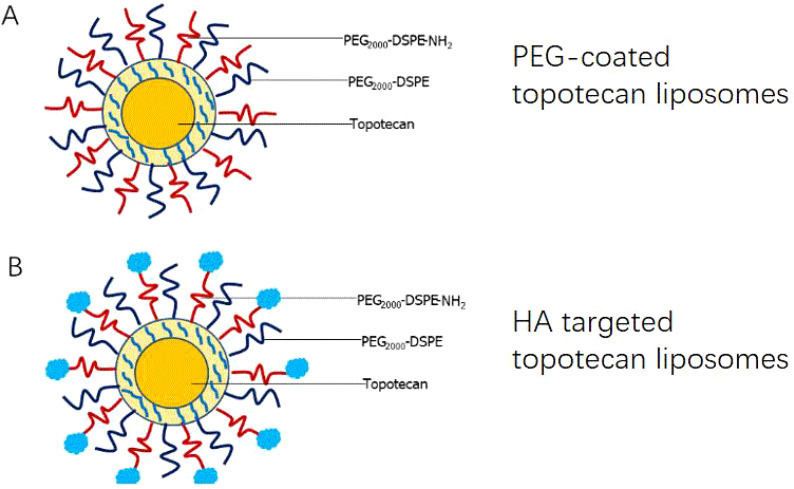
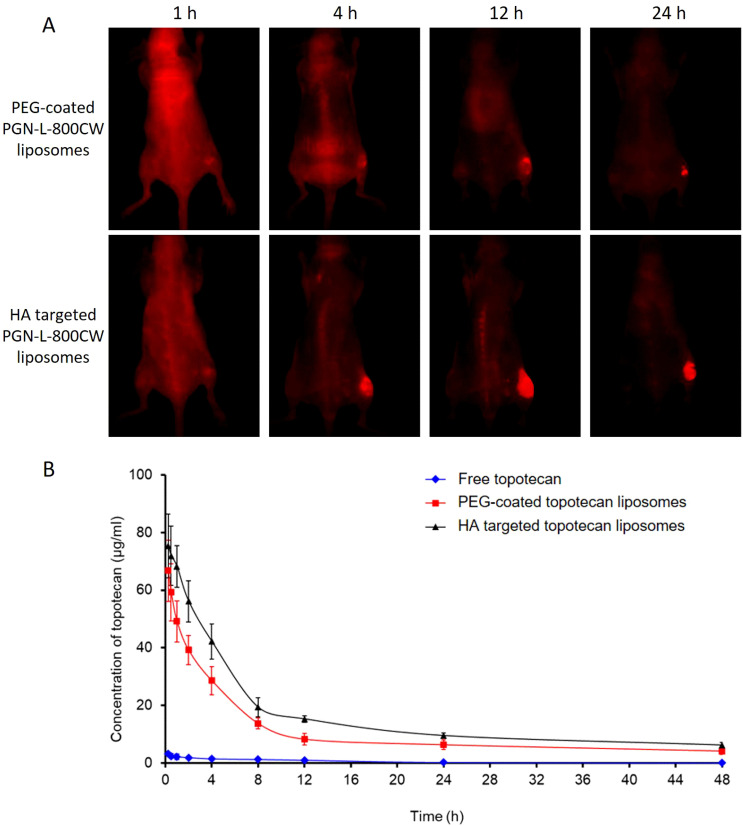
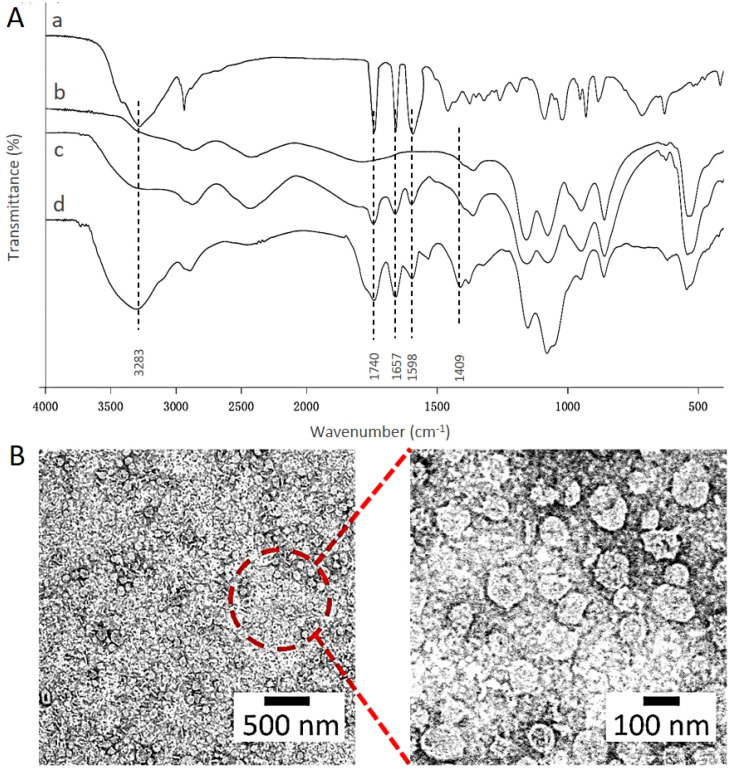
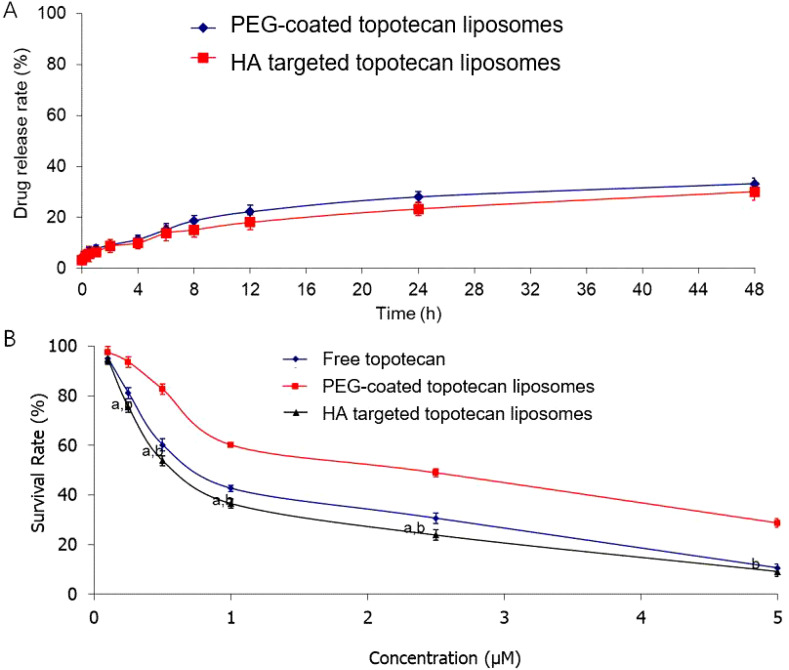
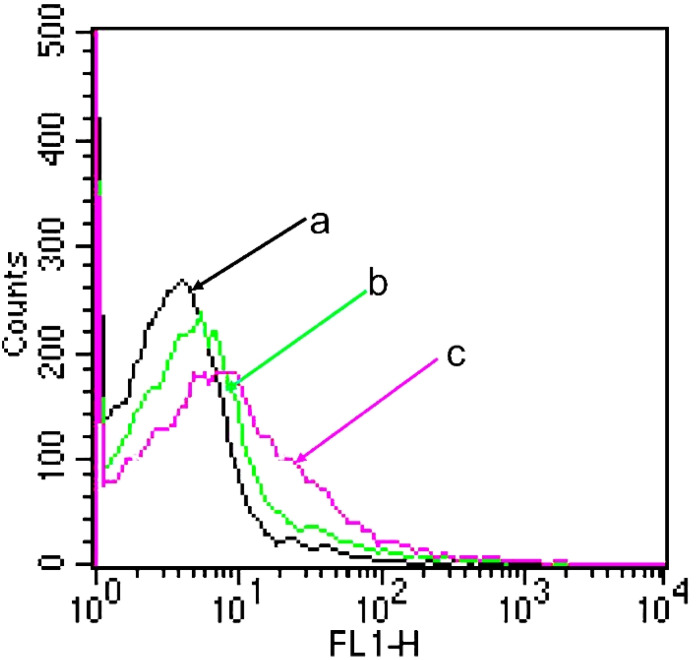
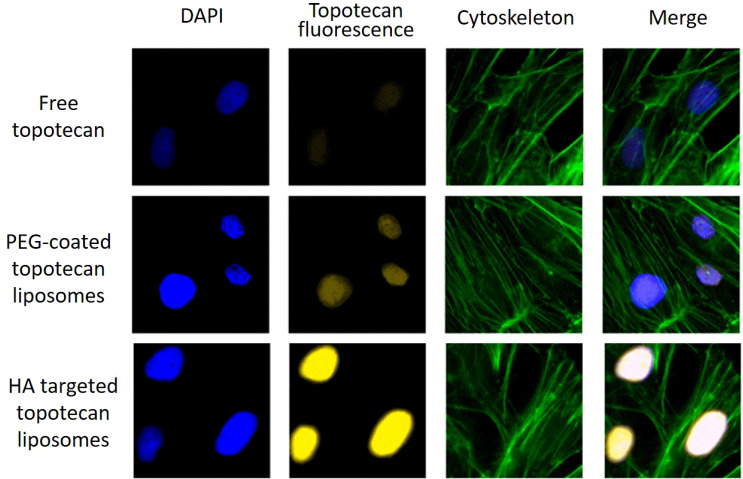
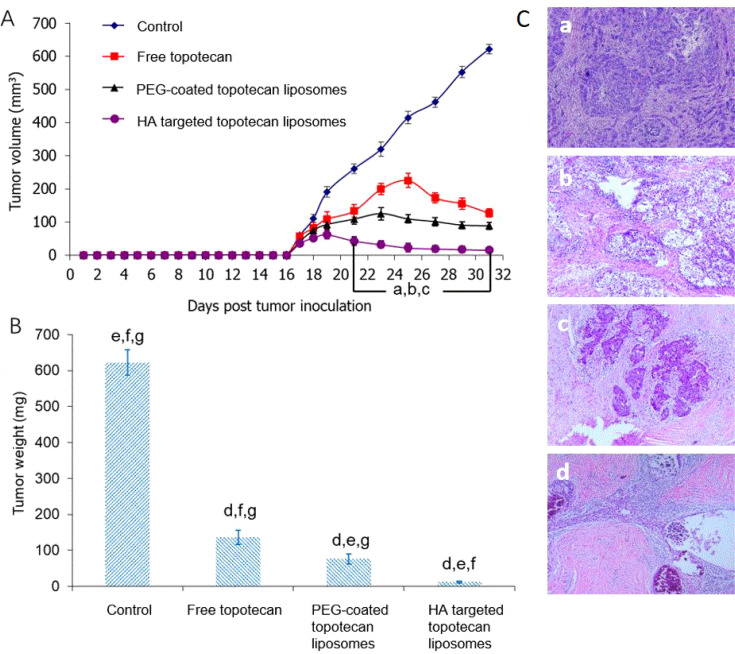
Lung cancer, as a serious threat to human health and life, necessitating urgent treatment and intervention. In this study, we prepared hyaluronic acid (HA)-targeted topotecan liposomes for site-specific delivery to tumor cells. The encapsulation efficiency, stability, chemical structure, and morphology of HA-targeted topotecan liposomes were studied, and the release properties, cellular uptake capacity, and therapeutic efficacy of topotecan were further investigated. Results found that the coupling efficiency of HA on the surface of PEG-coated liposomes was determined to be 13.65 nmol/mg of lipid. The HA-targeted topotecan liposomes demonstrated a high encapsulation efficiency of 95% for topotecan, with an average particle size of 98.26 nm and excellent storage and dispersion stability. Drug release and cellular experiments indicated that the coating of HA further reduced the release rate of topotecan and decreased the survival rate of A549 cells, respectively. Flow cytometry and fluorescence staining analyses revealed that the HA-targeted topotecan liposomes enhanced the uptake of topotecan and exhibited significant anti-tumor effects on A549 cancer cells transplanted in mice. H&E staining showed that the pathological tissue treated with HA-targeted topotecan liposomes corresponded to Miller-Payne grade IV. Furthermore, these liposomes increased the accumulation of topotecan in tumors and extended the blood circulation time of the drug. Therefore, HA-targeted topotecan liposomes can be used as a new and easily prepared carrier in the field of lung chemotherapy, demonstrating considerable potential for anti-tumor therapy.
肺癌作为对人类健康和生命的严重威胁,需要紧急治疗和干预。在本研究中,我们制备了靶向透明质酸(HA)的拓扑替康脂质体,用于将药物特异性递送至肿瘤细胞。研究了HA靶向拓扑替康脂质体的包封率、稳定性、化学结构和形态,并进一步研究了拓扑替康的释放特性、细胞摄取能力和治疗效果。结果发现,聚乙二醇包被脂质体表面HA的偶联效率为13.65 nmol/mg脂质。HA靶向拓扑替康脂质体对拓扑替康的包封率高达95%,平均粒径为98.26 nm,具有优异的储存和分散稳定性。药物释放和细胞实验表明,HA包被分别进一步降低了拓扑替康的释放速率并降低了A549细胞的存活率。流式细胞术和荧光染色分析显示,HA靶向拓扑替康脂质体增强了拓扑替康的摄取,并对移植到小鼠体内的A549癌细胞表现出显著的抗肿瘤作用。苏木精-伊红染色显示,用HA靶向拓扑替康脂质体处理的病理组织对应于Miller-Payne IV级。此外,这些脂质体增加了拓扑替康在肿瘤中的蓄积,并延长了药物的血液循环时间。因此,HA靶向拓扑替康脂质体可作为肺化疗领域一种新型且易于制备的载体,在抗肿瘤治疗中显示出相当大的潜力。