Ma Yihui, Liu Enjie, Fan Huijie, Li Chenfei, Huang Pei, Cui Meiying, Wang Zhengyang, Zhou Jing, Chen Kuisheng
Department of Pathology, The First Affiliated Hospital of Zhengzhou University, No. 1, Jianshe East Road, Zhengzhou, China.
Department of Oncology, The First Affiliated Hospital of Zhengzhou University, Zhengzhou, China.
J Transl Med. 2024 Dec 31;22(1):1164. doi: 10.1186/s12967-024-05970-6.
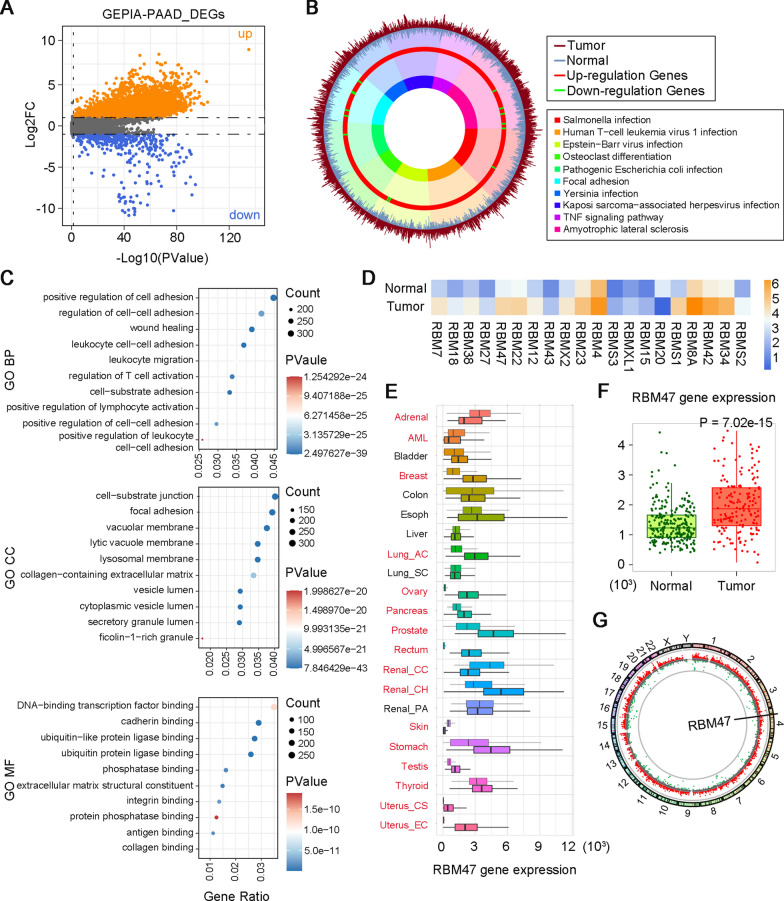
Pancreatic cancer (PC) is a lethal malignancy characterized by poor prognosis and high mortality. We found the highly expressed RNA-binding motif protein 47 (RBM47) in PC progression. The RBM47 expression was negatively correlated with natural killer (NK) cell infiltrate in PC. Moreover, RBM47 was predicted to bind to the 3'-UTR region of Protein Disulfide Isomerase Family A Member 6 (PDIA6), an oncogene of the development of PC. Therefore, we supposed that RBM47 might affect PC progression by regulating PDIA6.
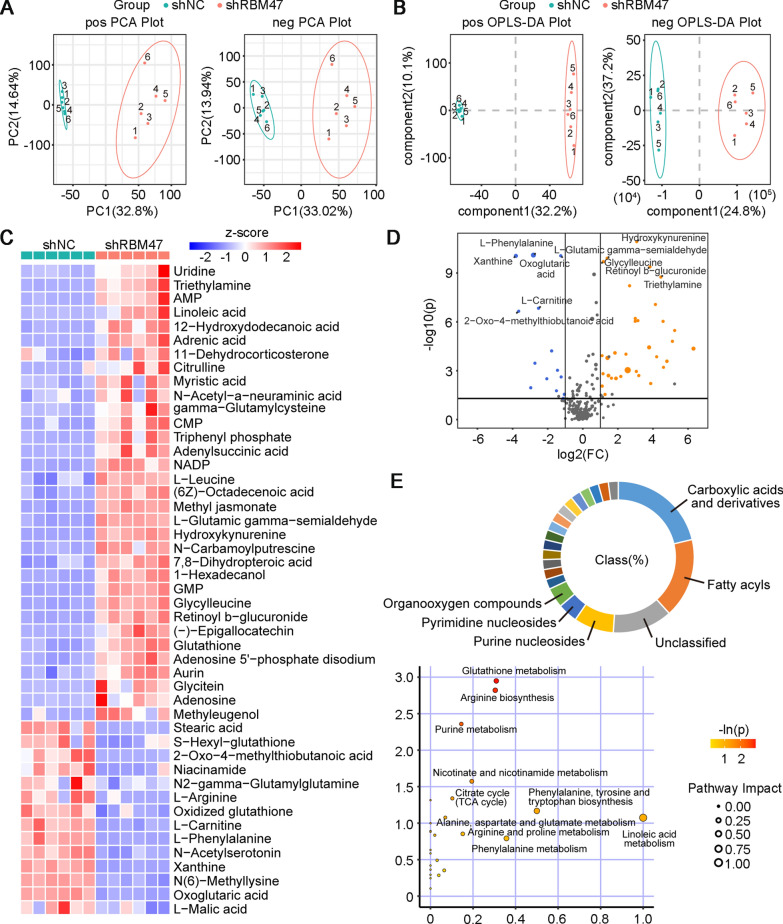
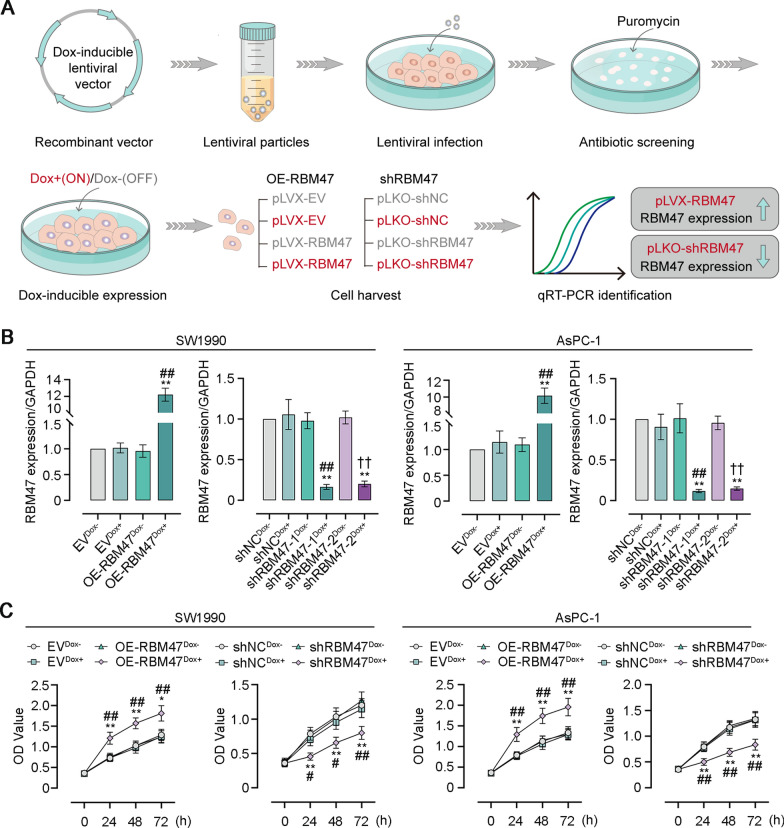
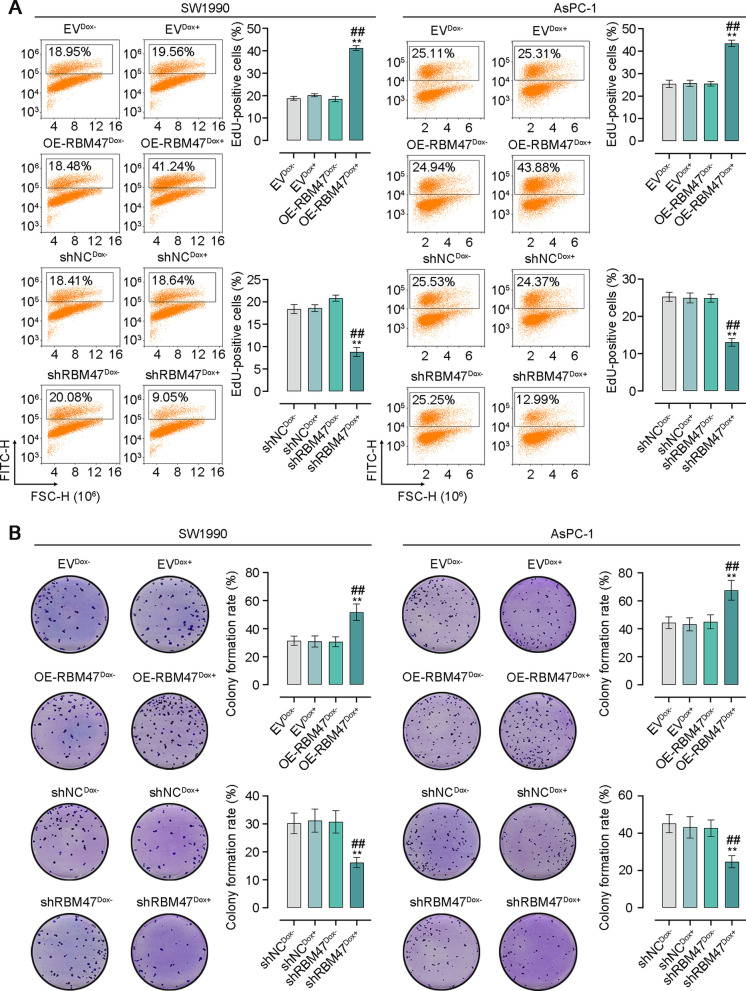
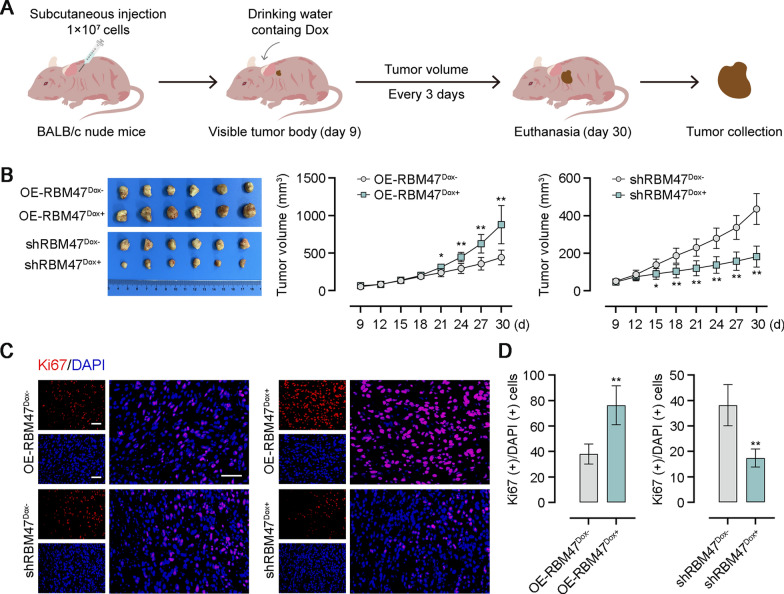
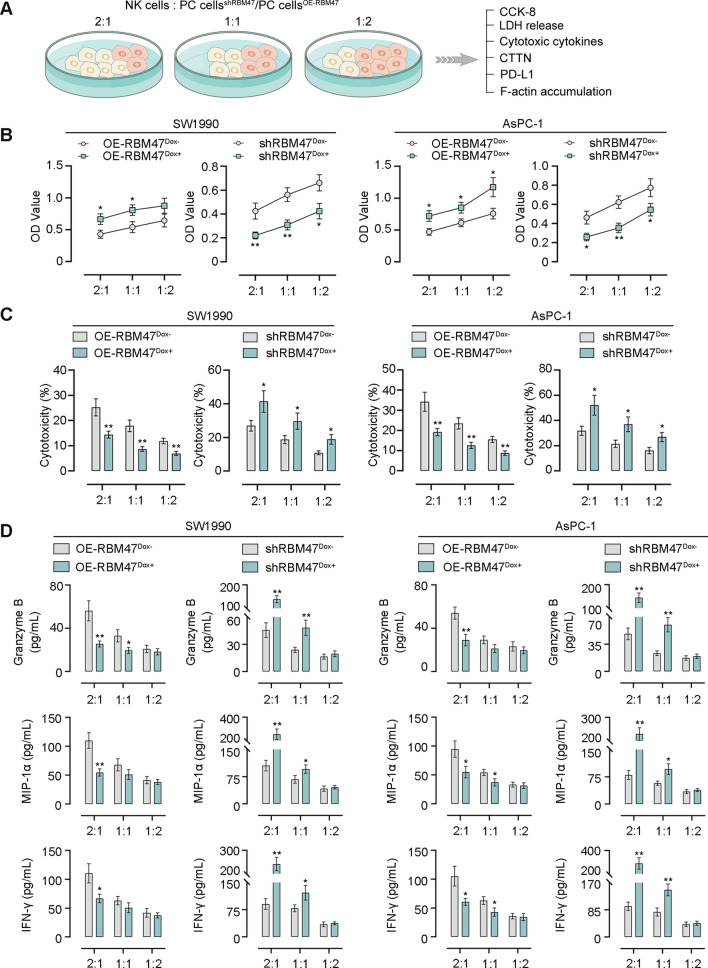
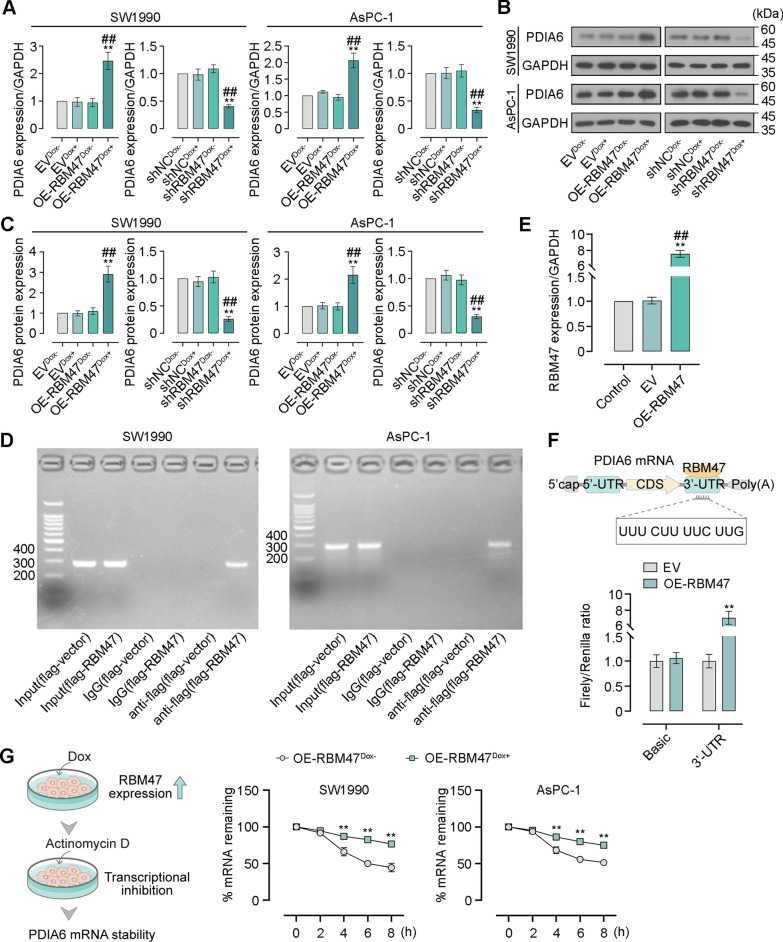
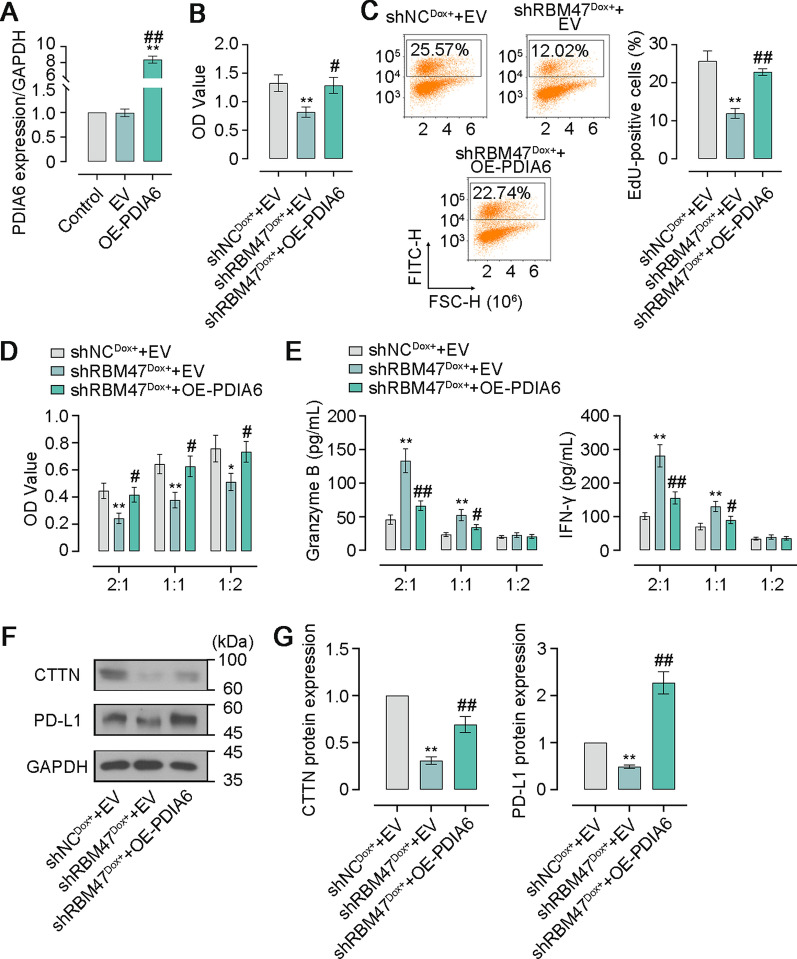
Bioinformatics analysis was performed to screen the candidate gene affecting PC progression using public databases. Loss- and gain-of-function effects of RBM47 on cell proliferation, tumor growth, and immune evasion were determined by CCK-8, EdU incorporation, colony formation assays, the xenogeneic tumor model, and co-culture system of PC and NK-92 cells. RBM47-RNA immunoprecipitation (RIP) followed by PCR and dual luciferase reporter assay were used to detect whether RBM47 could interact with the PDIA6 mRNA and how RBM47 would regulate the transcriptional activity of PDIA6, respectively. Simultaneous overexpression of PDIA6 in RBM47 knockdown PC cells was conducted to clarify whether PDIA6 would mediated effects of RBM47. Given the important role of cellular metabolism in cells proliferation and immune evasion, PC cells with RBM47 knockdown were subjected to metabolomics analysis to further investigate how RBM47 regulate PC progression.
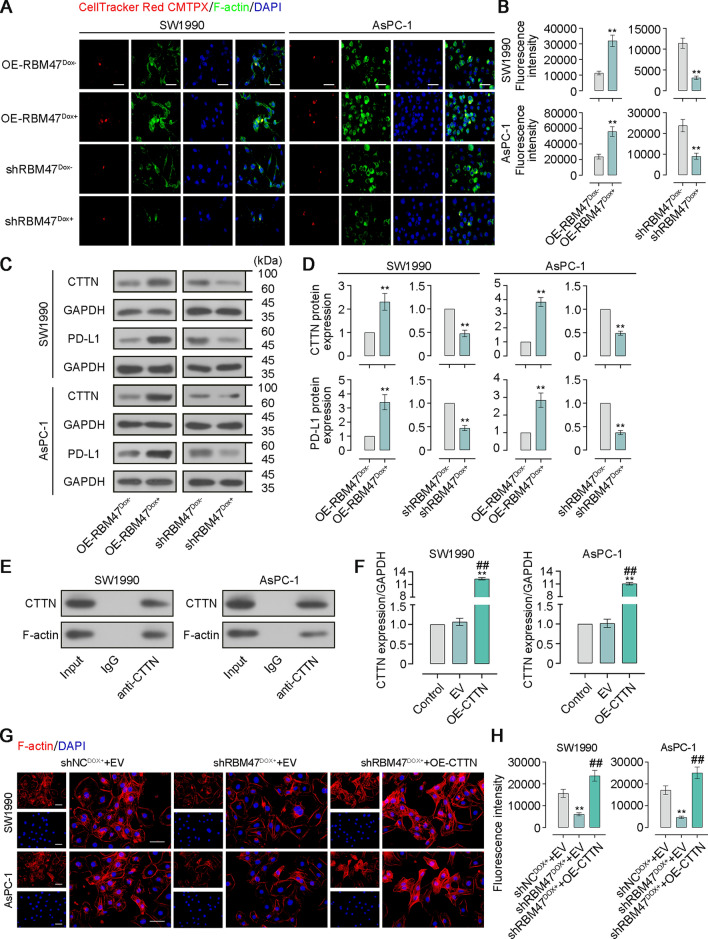
RBM47 overexpression drove PC progression by promoting cell proliferation and xenografted tumor growth. Consistently, our results showed that RBM47 overexpression weakened sensitivity of PC cells to cytotoxic NK cells. However, RBM47 knockdown exhibited the opposite effects on proliferation and immune evasion of PC cells. RBM47 was able to bind to the 3'-UTR region of PDIA6, maintained PDIA6 mRNA stability, and increased the PDIA6 expression in PC cells. Rescue experiments supported that PDIA6 overexpression reversed the suppressing effects of RBM47 knockdown on cell proliferation and immune evasion. RBM47 knockdown significantly changed metabolites of PC cells.
In summary, our findings demonstrate that RBM47 contributes to PC progression, which might be mediated by the upregulated PDIA6 expression and the altered cellular metabolites in PC cells, offering a potential therapeutic target for PC treatment.
胰腺癌(PC)是一种致命的恶性肿瘤,预后差且死亡率高。我们发现在胰腺癌进展过程中RNA结合基序蛋白47(RBM47)高表达。RBM47的表达与胰腺癌中自然杀伤(NK)细胞浸润呈负相关。此外,预测RBM47可与蛋白二硫键异构酶家族A成员6(PDIA6)的3'-UTR区域结合,PDIA6是胰腺癌发生发展中的一个癌基因。因此,我们推测RBM47可能通过调节PDIA6影响胰腺癌进展。
利用公共数据库进行生物信息学分析以筛选影响胰腺癌进展的候选基因。通过CCK-8、EdU掺入、集落形成实验、异种移植瘤模型以及胰腺癌与NK-92细胞共培养系统,确定RBM47功能缺失和功能获得对细胞增殖、肿瘤生长及免疫逃逸的影响。分别采用RBM47-RNA免疫沉淀(RIP)后PCR及双荧光素酶报告基因检测,检测RBM47是否能与PDIA6 mRNA相互作用以及RBM47如何调节PDIA6的转录活性。在RBM47敲低的胰腺癌细胞中同时过表达PDIA6,以阐明PDIA6是否介导RBM47的作用。鉴于细胞代谢在细胞增殖和免疫逃逸中的重要作用,对RBM47敲低的胰腺癌细胞进行代谢组学分析,以进一步研究RBM47如何调节胰腺癌进展。
RBM47过表达通过促进细胞增殖和异种移植瘤生长推动胰腺癌进展。同样,我们的结果表明RBM47过表达削弱了胰腺癌细胞对细胞毒性NK细胞的敏感性。然而,RBM47敲低对胰腺癌细胞的增殖和免疫逃逸表现出相反的作用。RBM47能够与PDIA6的3'-UTR区域结合,维持PDIA6 mRNA稳定性,并增加胰腺癌细胞中PDIA6的表达。挽救实验支持PDIA6过表达逆转了RBM47敲低对细胞增殖和免疫逃逸的抑制作用。RBM47敲低显著改变了胰腺癌细胞的代谢产物。
总之,我们的研究结果表明RBM47促进胰腺癌进展,这可能是由胰腺癌细胞中PDIA6表达上调和细胞代谢改变介导的,为胰腺癌治疗提供了一个潜在的治疗靶点。