Zhang Hongzhen, Zhao Feng
Precision Medicine Innovation Institute, Anhui University of Science and Technology, 232001 Huainan, Anhui, China.
General Surgery Department, The First Hospital of Anhui University of Science & Technology (Huai Nan First People's Hospital), 232002 Huainan, Anhui, China.
Rev Cardiovasc Med. 2024 Dec 24;25(12):454. doi: 10.31083/j.rcm2512454. eCollection 2024 Dec.
This study aimed to develop and evaluate the detection and classification performance of different deep learning models on carotid plaque ultrasound images to achieve efficient and precise ultrasound screening for carotid atherosclerotic plaques.
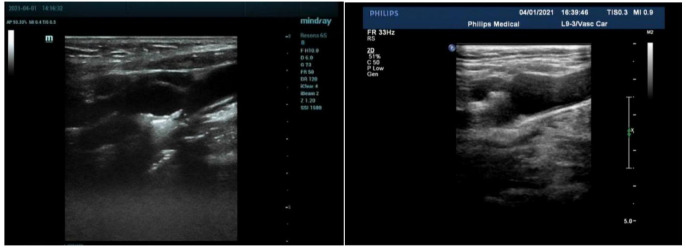
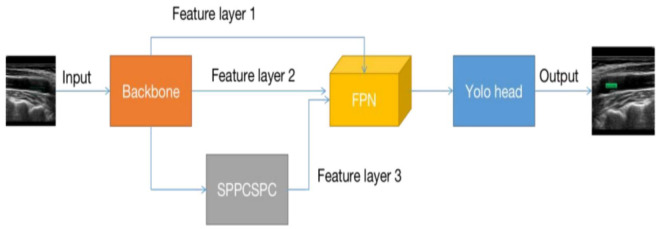
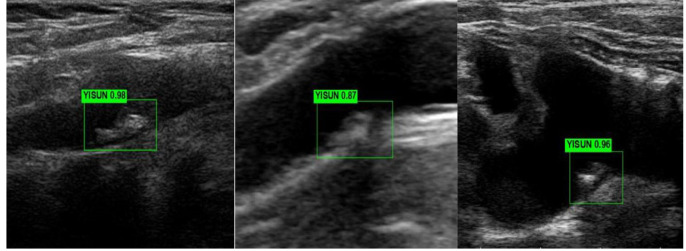
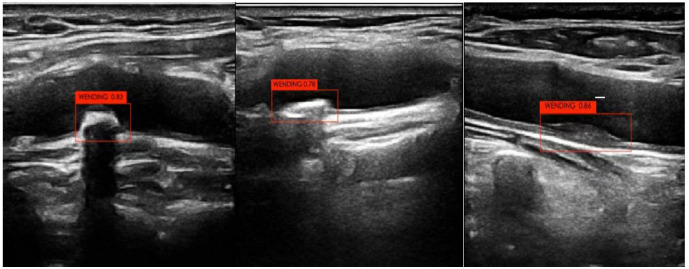
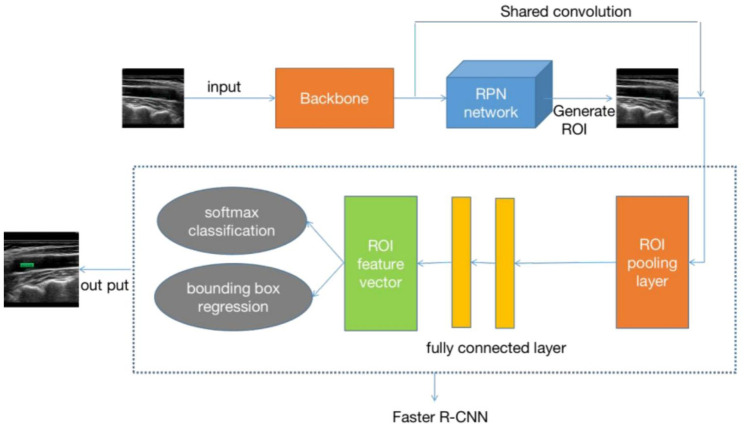
This study collected 5611 carotid ultrasound images from 3683 patients from four hospitals between September 17, 2020, and December 17, 2022. By cropping redundant information from the images and annotating them using professional physicians, the dataset was divided into a training set (3927 images) and a test set (1684 images). Four deep learning models, You Only Look Once Version 7 (YOLO V7) and Faster Region-Based Convolutional Neural Network (Faster RCNN) were employed for image detection and classification to distinguish between vulnerable and stable carotid plaques. Model performance was evaluated using accuracy, sensitivity, specificity, F1 score, and area under curve (AUC), with < 0.05 indicating a statistically significant difference.
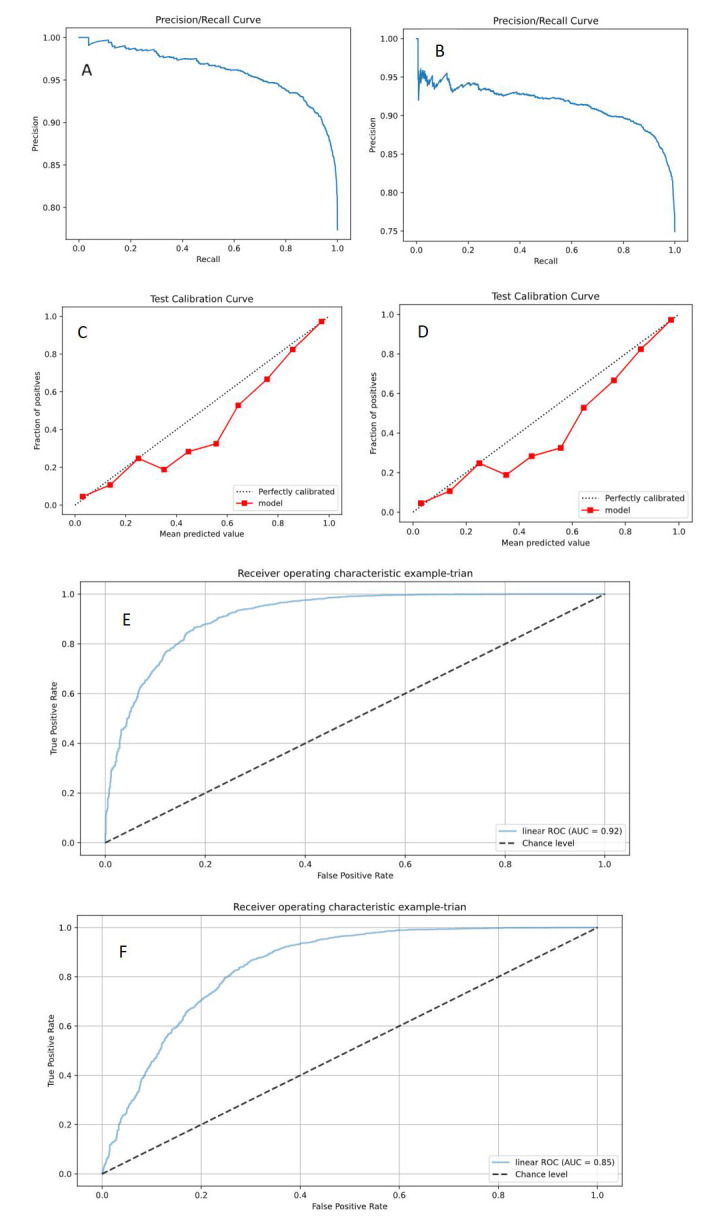
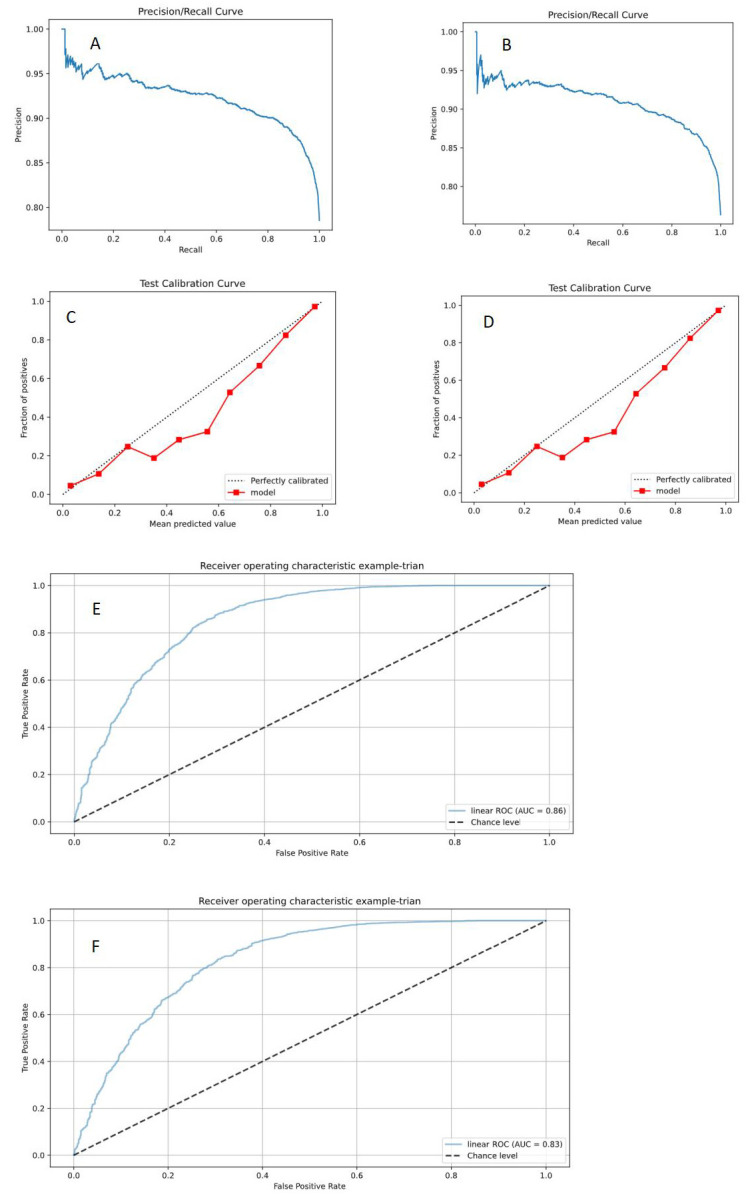
We constructed and compared deep learning models based on different network architectures. In the test set, the Faster RCNN (ResNet 50) model exhibited the best classification performance (accuracy (ACC) = 0.88, sensitivity (SEN) = 0.94, specificity (SPE) = 0.71, AUC = 0.91), significantly outperforming the other models. The results suggest that deep learning technology has significant potential for application in detecting and classifying carotid plaque ultrasound images.
The Faster RCNN (ResNet 50) model demonstrated high accuracy and reliability in classifying carotid atherosclerotic plaques, with diagnostic capabilities approaching that of intermediate-level physicians. It has the potential to enhance the diagnostic abilities of primary-level ultrasound physicians and assist in formulating more effective strategies for preventing ischemic stroke.
本研究旨在开发并评估不同深度学习模型对颈动脉斑块超声图像的检测和分类性能,以实现对颈动脉粥样硬化斑块的高效、精准超声筛查。
本研究收集了2020年9月17日至2022年12月17日期间来自四家医院的3683例患者的5611张颈动脉超声图像。通过裁剪图像中的冗余信息并由专业医生进行标注,将数据集分为训练集(3927张图像)和测试集(1684张图像)。采用四种深度学习模型,即你只看一次版本7(YOLO V7)和基于区域的更快卷积神经网络(Faster RCNN)进行图像检测和分类,以区分易损和稳定的颈动脉斑块。使用准确率、灵敏度、特异性、F1分数和曲线下面积(AUC)评估模型性能,P<0.05表示差异有统计学意义。
我们构建并比较了基于不同网络架构的深度学习模型。在测试集中,Faster RCNN(ResNet 50)模型表现出最佳的分类性能(准确率(ACC)=0.88,灵敏度(SEN)=0.94,特异性(SPE)=0.71,AUC=0.91),显著优于其他模型。结果表明,深度学习技术在检测和分类颈动脉斑块超声图像方面具有巨大的应用潜力。
Faster RCNN(ResNet 50)模型在对颈动脉粥样硬化斑块进行分类时显示出高准确性和可靠性,其诊断能力接近中级医生水平。它有潜力提高基层超声医生的诊断能力,并有助于制定更有效的缺血性中风预防策略。