Department of Thoracic Surgery, The First Affiliated Hospital of Nanjing Medical University, Nanjing, China.
Department of Breast Surgery, The First Affiliated Hospital of Nanjing Medical University, Nanjing, China.
Front Endocrinol (Lausanne). 2023 May 17;14:1196372. doi: 10.3389/fendo.2023.1196372. eCollection 2023.
Glutamine metabolism (GM) is known to play a critical role in cancer development, including in lung adenocarcinoma (LUAD), although the exact contribution of GM to LUAD remains incompletely understood. In this study, we aimed to discover new targets for the treatment of LUAD patients by using machine learning algorithms to establish prognostic models based on GM-related genes (GMRGs).
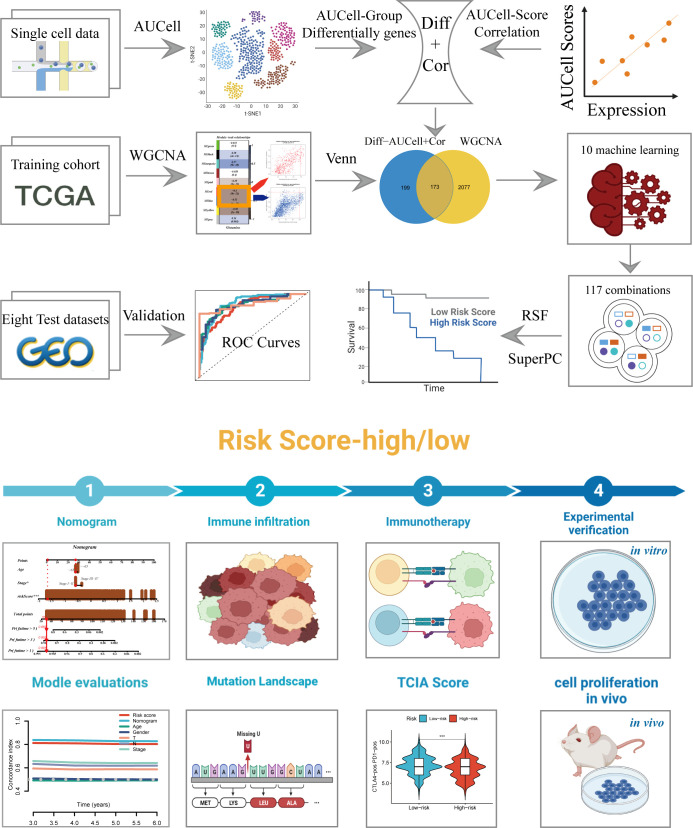
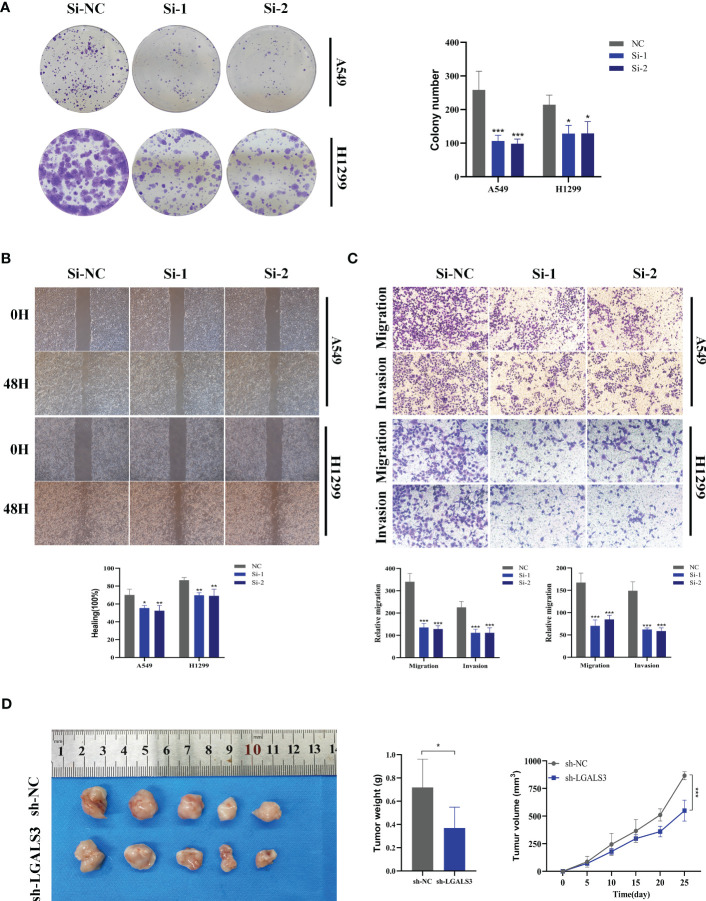
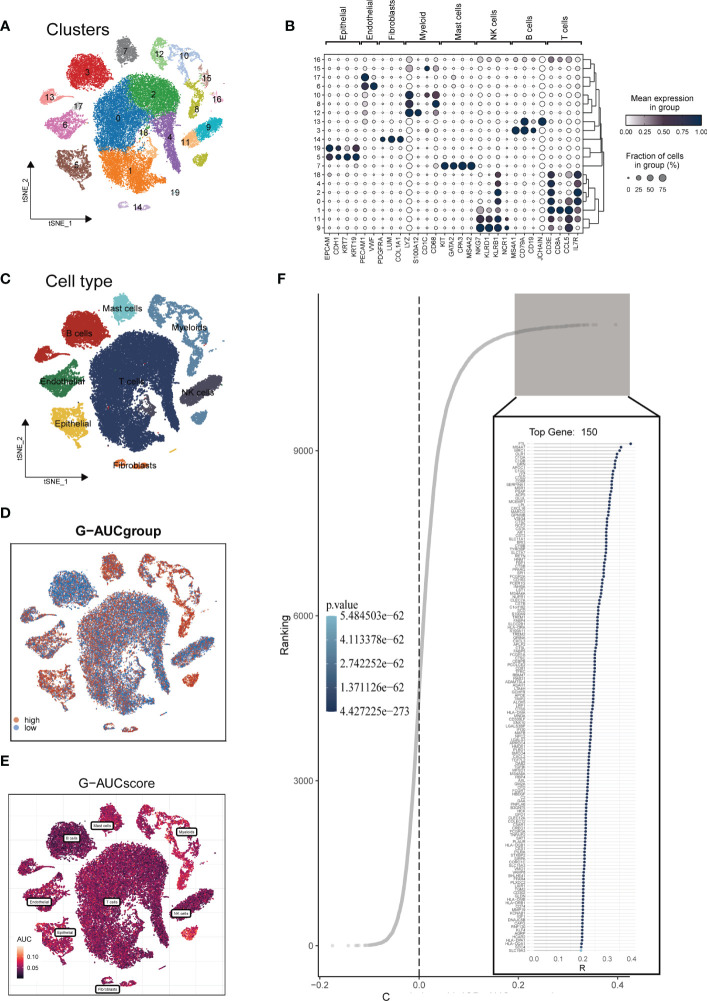
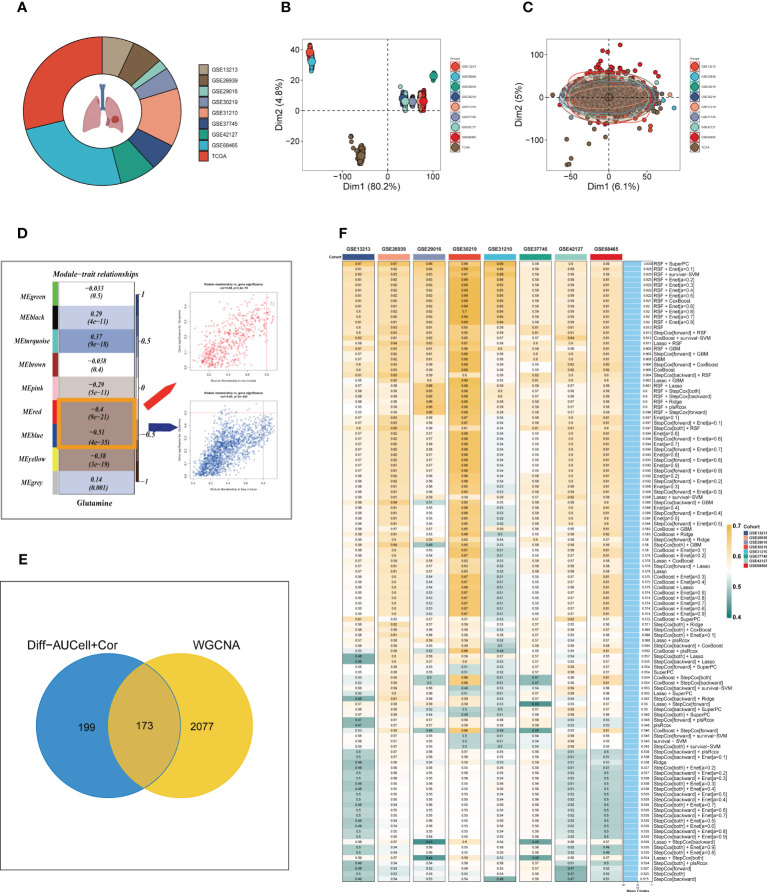
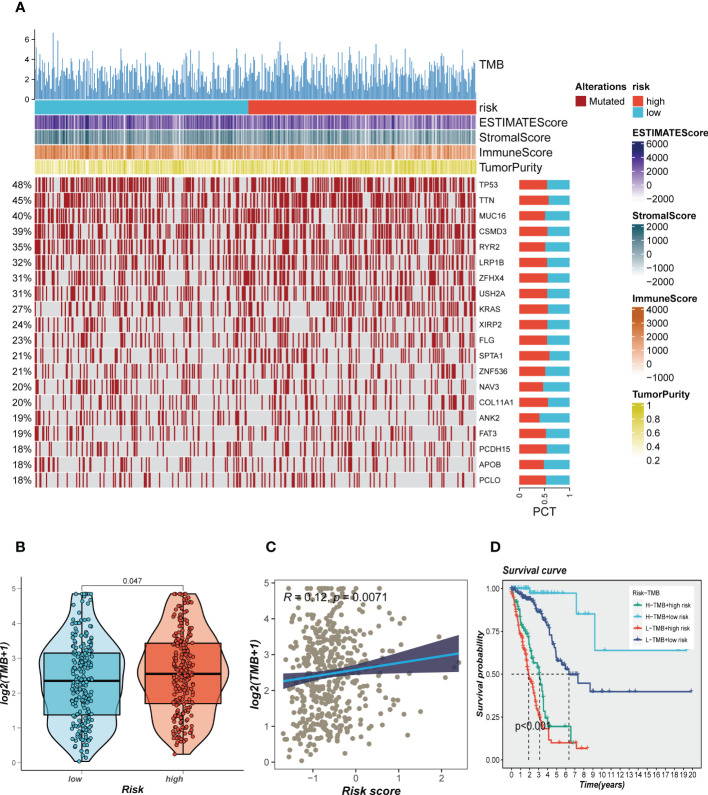
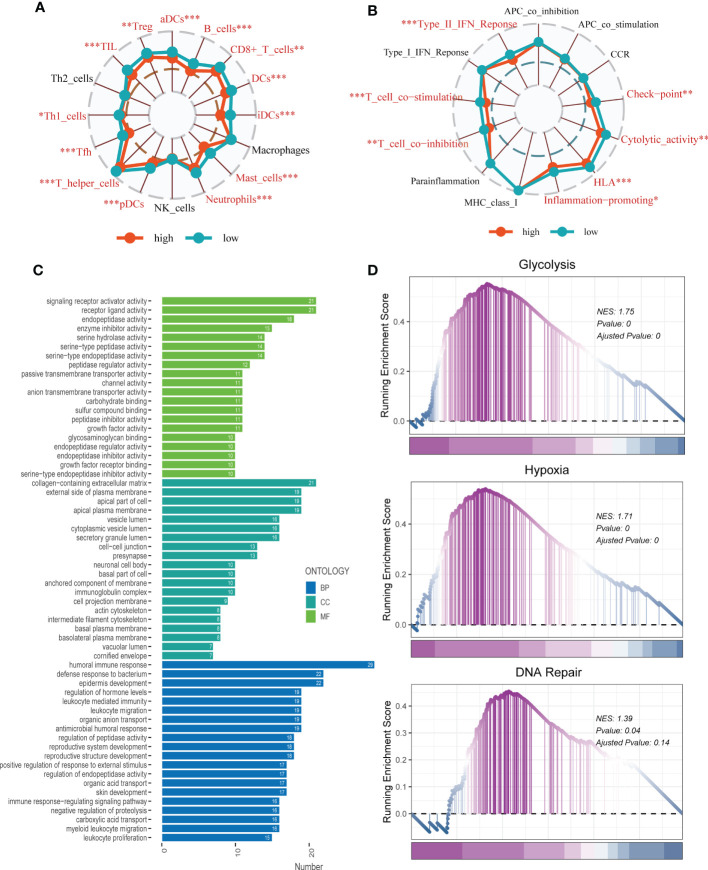
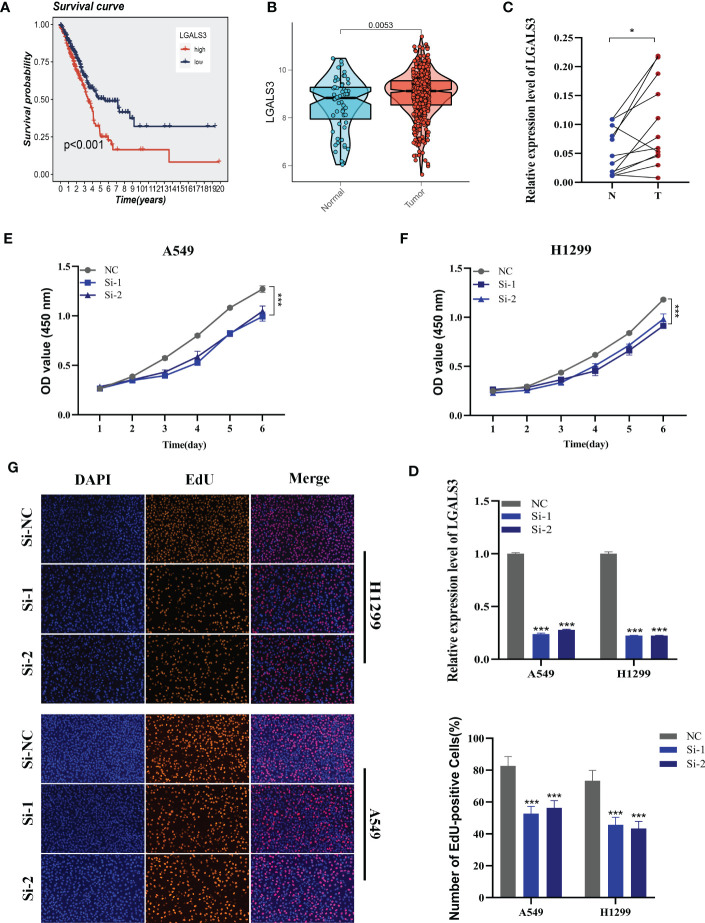
We used the AUCell and WGCNA algorithms, along with single-cell and bulk RNA-seq data, to identify the most prominent GMRGs associated with LUAD. Multiple machine learning algorithms were employed to develop risk models with optimal predictive performance. We validated our models using multiple external datasets and investigated disparities in the tumor microenvironment (TME), mutation landscape, enriched pathways, and response to immunotherapy across various risk groups. Additionally, we conducted and experiments to confirm the role of LGALS3 in LUAD.
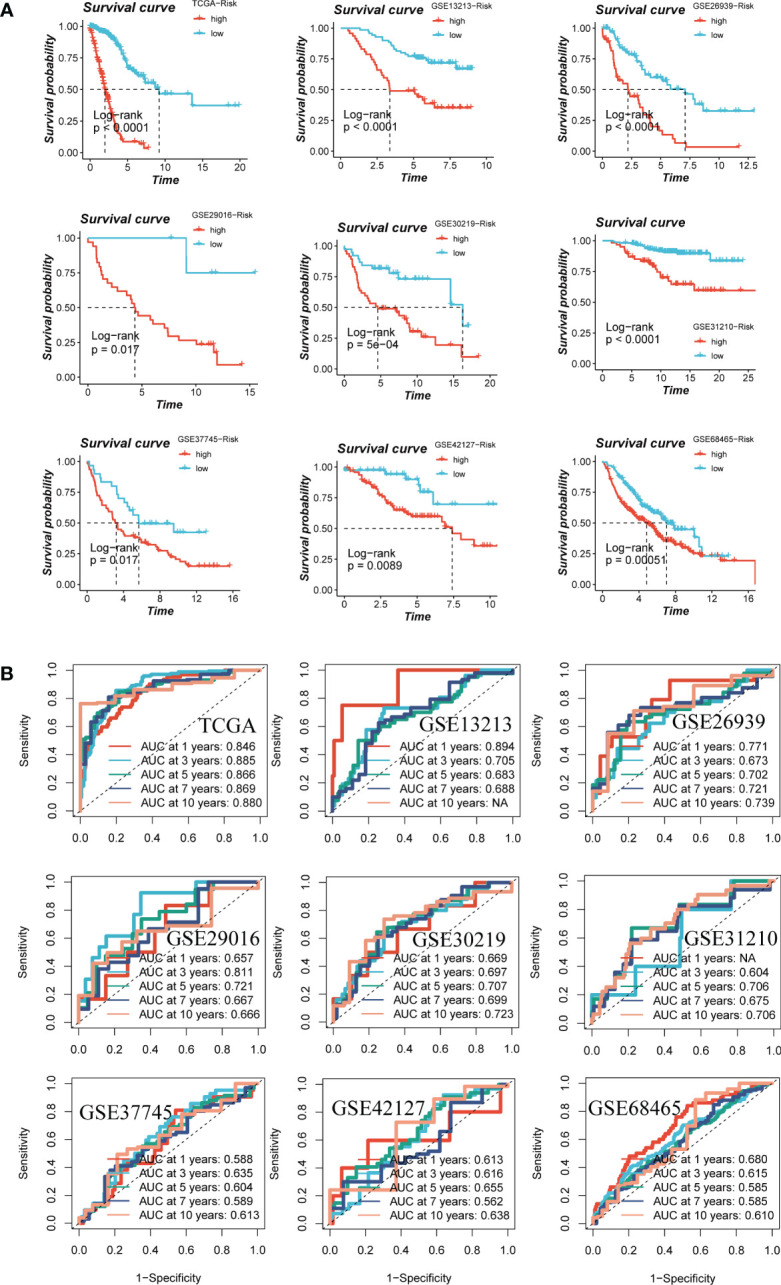
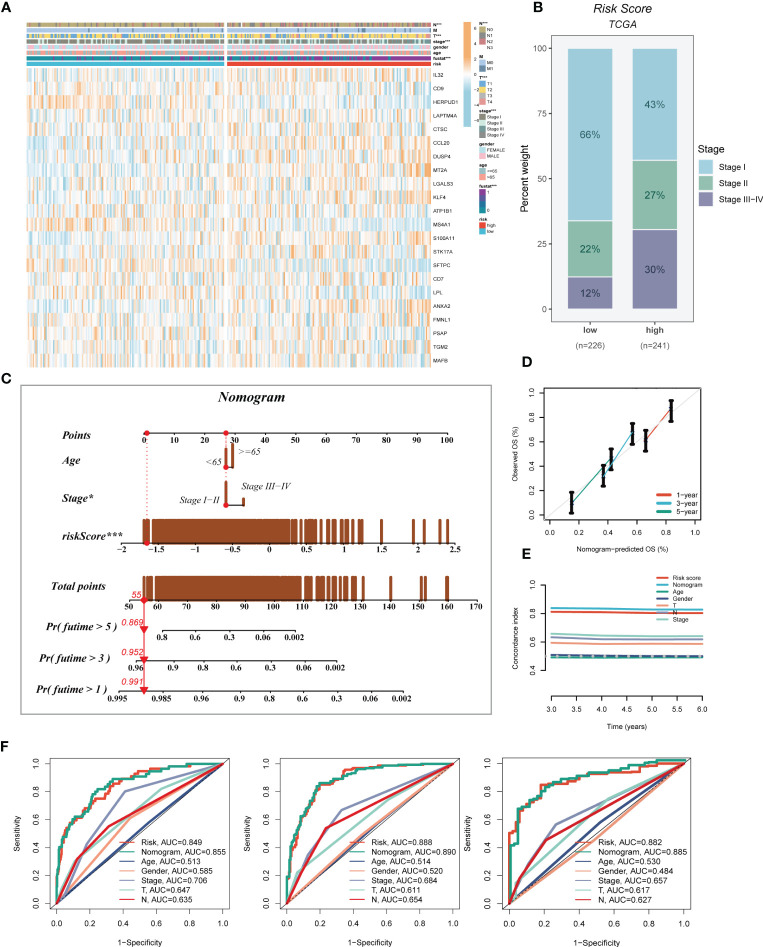
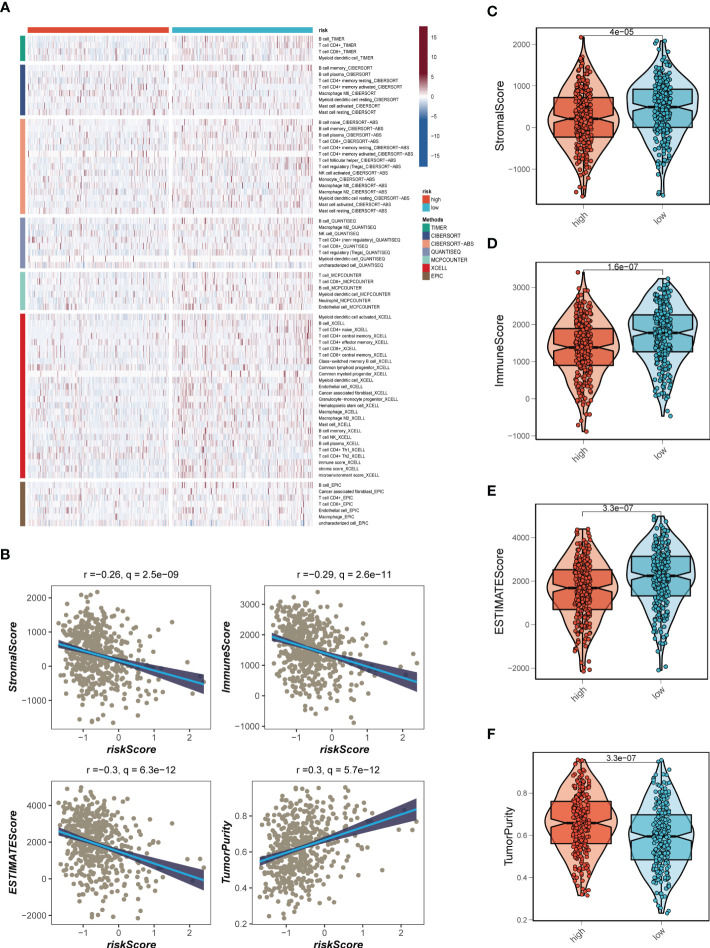
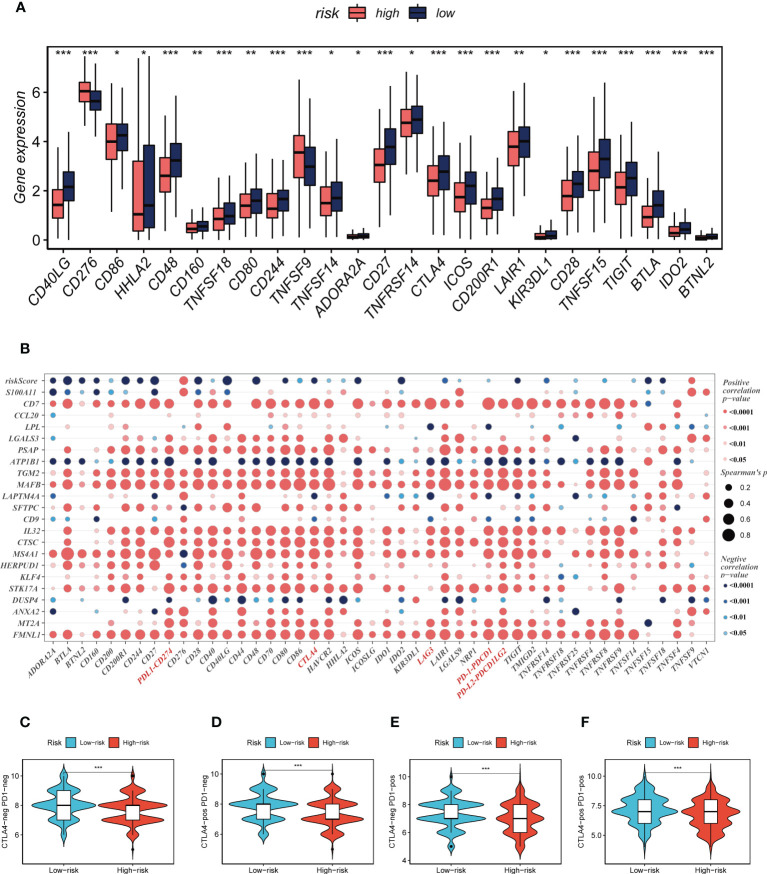
We identified 173 GMRGs strongly associated with GM activity and selected the Random Survival Forest (RSF) and Supervised Principal Components (SuperPC) methods to develop a prognostic model. Our model's performance was validated using multiple external datasets. Our analysis revealed that the low-risk group had higher immune cell infiltration and increased expression of immune checkpoints, indicating that this group may be more receptive to immunotherapy. Moreover, our experimental results confirmed that LGALS3 promoted the proliferation, invasion, and migration of LUAD cells.
Our study established a prognostic model based on GMRGs that can predict the effectiveness of immunotherapy and provide novel approaches for the treatment of LUAD. Our findings also suggest that LGALS3 may be a potential therapeutic target for LUAD.
谷氨酰胺代谢(GM)在癌症发展中起着关键作用,包括在肺腺癌(LUAD)中,尽管 GM 对 LUAD 的具体贡献仍不完全清楚。在这项研究中,我们旨在通过使用机器学习算法建立基于 GM 相关基因(GMRGs)的预后模型,为 LUAD 患者的治疗发现新的靶点。
我们使用 AUCell 和 WGCNA 算法,以及单细胞和批量 RNA-seq 数据,确定与 LUAD 最相关的最突出的 GMRGs。使用多种机器学习算法开发具有最佳预测性能的风险模型。我们使用多个外部数据集验证了我们的模型,并研究了不同风险组之间肿瘤微环境(TME)、突变景观、富集途径和对免疫治疗的反应的差异。此外,我们进行了 和 实验来证实 LGALS3 在 LUAD 中的作用。
我们确定了 173 个与 GM 活性强烈相关的 GMRGs,并选择随机生存森林(RSF)和监督主成分(SuperPC)方法来开发预后模型。我们的模型性能使用多个外部数据集进行了验证。我们的分析表明,低风险组具有更高的免疫细胞浸润和免疫检查点的增加表达,这表明该组可能对免疫治疗更敏感。此外,我们的实验结果证实 LGALS3 促进了 LUAD 细胞的增殖、侵袭和迁移。
我们的研究建立了一个基于 GMRGs 的预后模型,该模型可以预测免疫治疗的效果,并为 LUAD 的治疗提供新的方法。我们的研究结果还表明,LGALS3 可能是 LUAD 的一个潜在治疗靶点。