Fu Wei, Lai Yuanting, Li Kexin, Yang Yue, Guo Xiao, Gong Qifan, Zhou Xiaofeng, Zhou Liying, Liu Cenxi, Zhang Zhi, So Jisun, Zhang Yufeng, Huang Lin, Lu Guangxing, Yi Chuanyou, Wang Qichu, Fan Chenyu, Liu Chao, Wang Jiaxing, Yu Haiyi, Zhao Yimin, Huang Tao, Roh Hyun Cheol, Liu Tiemin, Tang Huiru, Qi Jianping, Xu Ming, Zheng Yan, Huang He, Li Jin
State Key Laboratory of Genetic Engineering, School of Life Sciences, Institute of Metabolism and Integrative Biology, Human Phenome Institute and Zhongshan Hospital, Fudan University, Shanghai, China.
Department of Endocrinology, The First Affiliated Hospital and Clinical Medicine College, Henan University of Science and Technology, Luoyang, Henan, China.
Cell Res. 2025 Feb;35(2):117-131. doi: 10.1038/s41422-024-01038-8. Epub 2025 Jan 3.
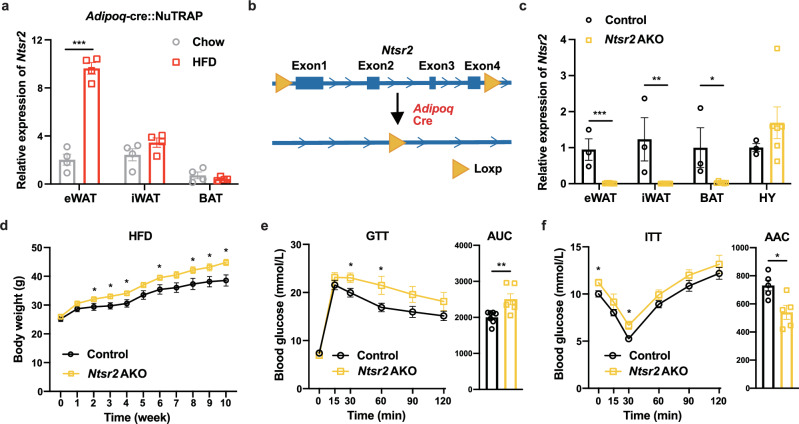
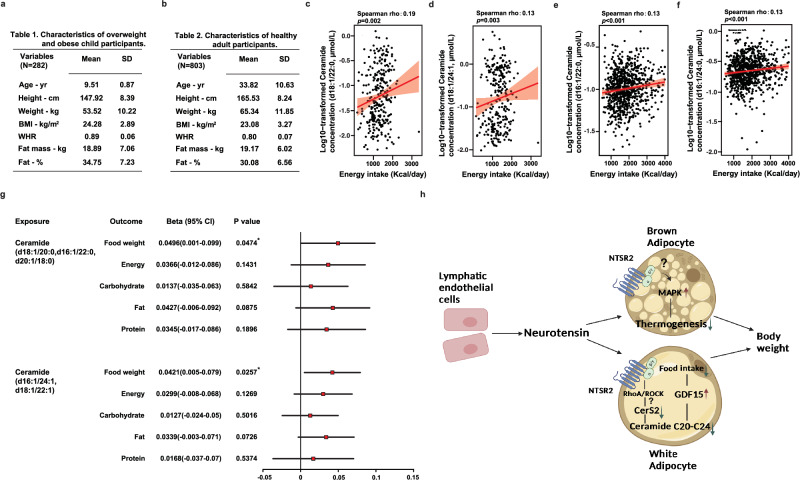
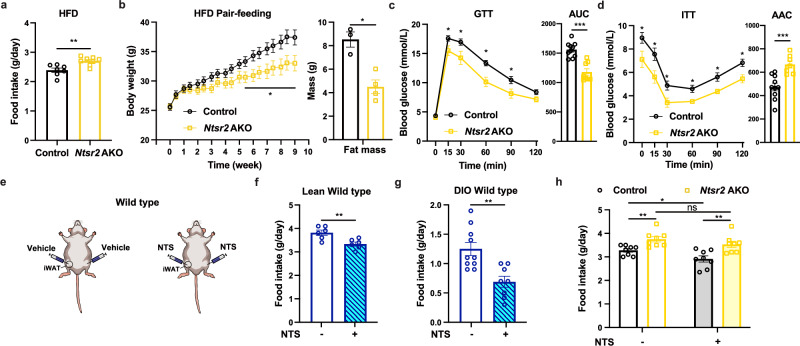
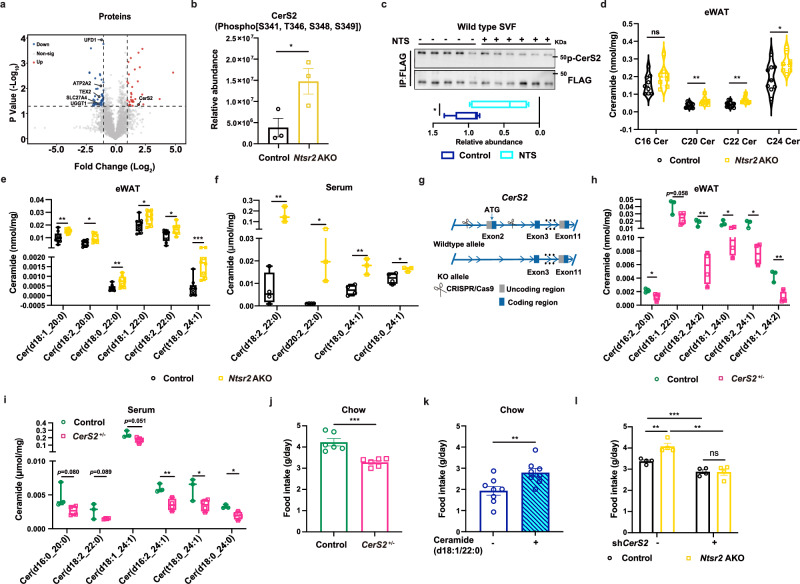
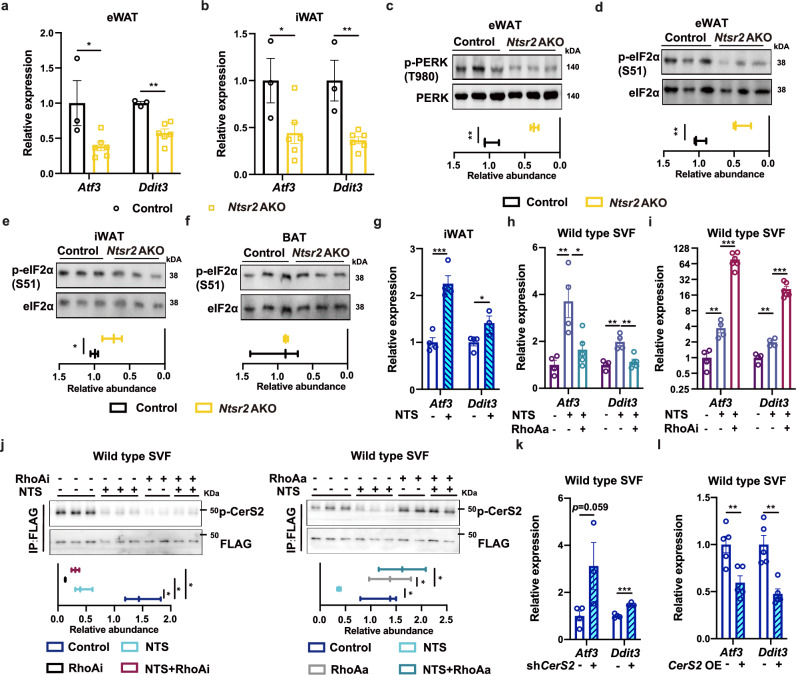
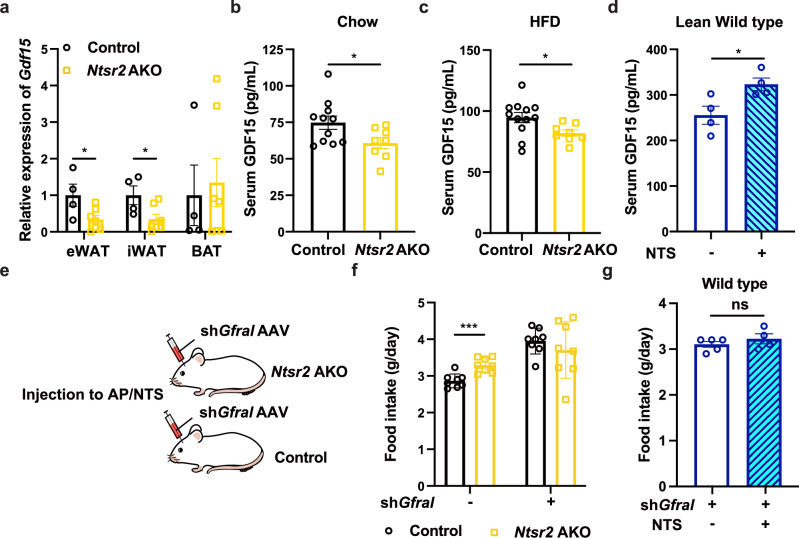
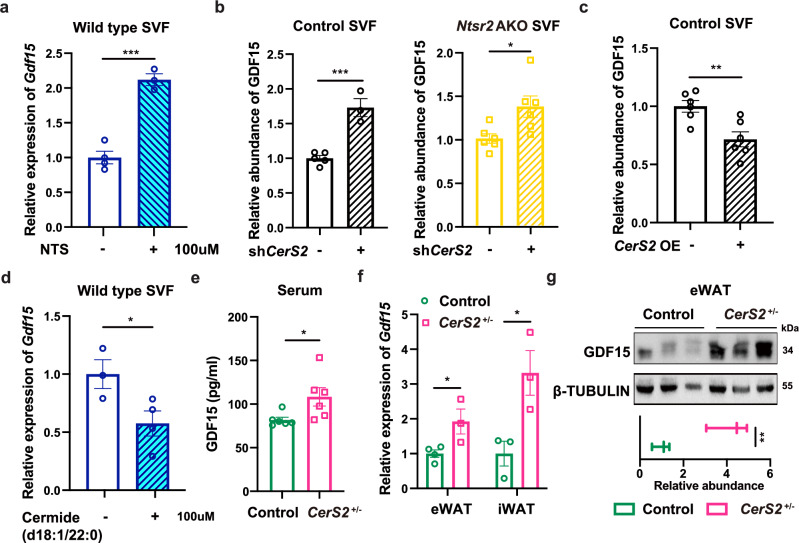
Neurotensin (NTS) is a secretory peptide produced by lymphatic endothelial cells. Our previous study revealed that NTS suppressed the activity of brown adipose tissue via interactions with NTSR2. In the current study, we found that the depletion of Ntsr2 in white adipocytes upregulated food intake, while the local treatment of NTS suppressed food intake. Our mechanistic study revealed that suppression of NTS-NTSR2 signaling enhanced the phosphorylation of ceramide synthetase 2, increased the abundance of its products ceramides C20-C24, and downregulated the production of GDF15 in white adipose tissues, which was responsible for the elevation of food intake. We discovered a potential causal and positive correlation between serum C20-C24 ceramide levels and human food intake in four populations with different ages and ethnic backgrounds. Together, our study shows that NTS-NTSR2 signaling in white adipocytes can regulate food intake via its direct control of lipid metabolism and production of GDF15. The ceramides C20-C24 are key factors regulating food intake in mammals.
神经降压素(NTS)是一种由淋巴管内皮细胞产生的分泌性肽。我们之前的研究表明,NTS通过与NTSR2相互作用抑制棕色脂肪组织的活性。在当前研究中,我们发现白色脂肪细胞中Ntsr2的缺失上调了食物摄入量,而局部给予NTS则抑制了食物摄入量。我们的机制研究表明,抑制NTS-NTSR2信号增强了神经酰胺合成酶2的磷酸化,增加了其产物神经酰胺C20-C24的丰度,并下调了白色脂肪组织中生长分化因子15(GDF15)的产生,这导致了食物摄入量的增加。我们在四个不同年龄和种族背景的人群中发现血清C20-C24神经酰胺水平与人类食物摄入量之间存在潜在的因果关系和正相关。总之,我们的研究表明,白色脂肪细胞中的NTS-NTSR2信号可通过直接控制脂质代谢和GDF15的产生来调节食物摄入量。神经酰胺C20-C24是调节哺乳动物食物摄入量的关键因素。