Xu Sheng, Ping Yuanyuan, Su Yinyan, Guo Haoyun, Luo Aowei, Kong Wangqing
The Institute for Advanced Studies and Hongyi Honor College, Wuhan University, Wuhan, China.
Wuhan Institute of Photochemistry and Technology, Wuhan, China.
Nat Commun. 2025 Jan 3;16(1):364. doi: 10.1038/s41467-024-55744-3.
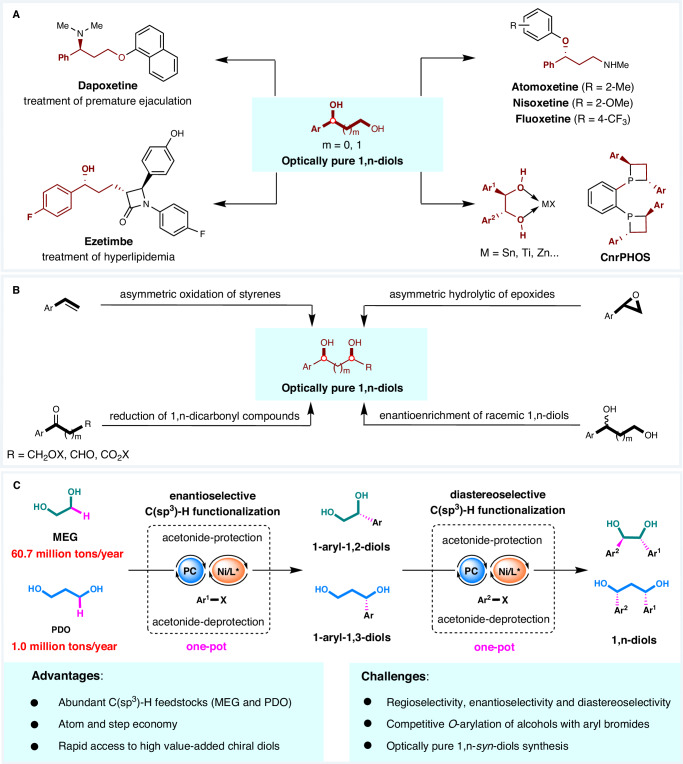
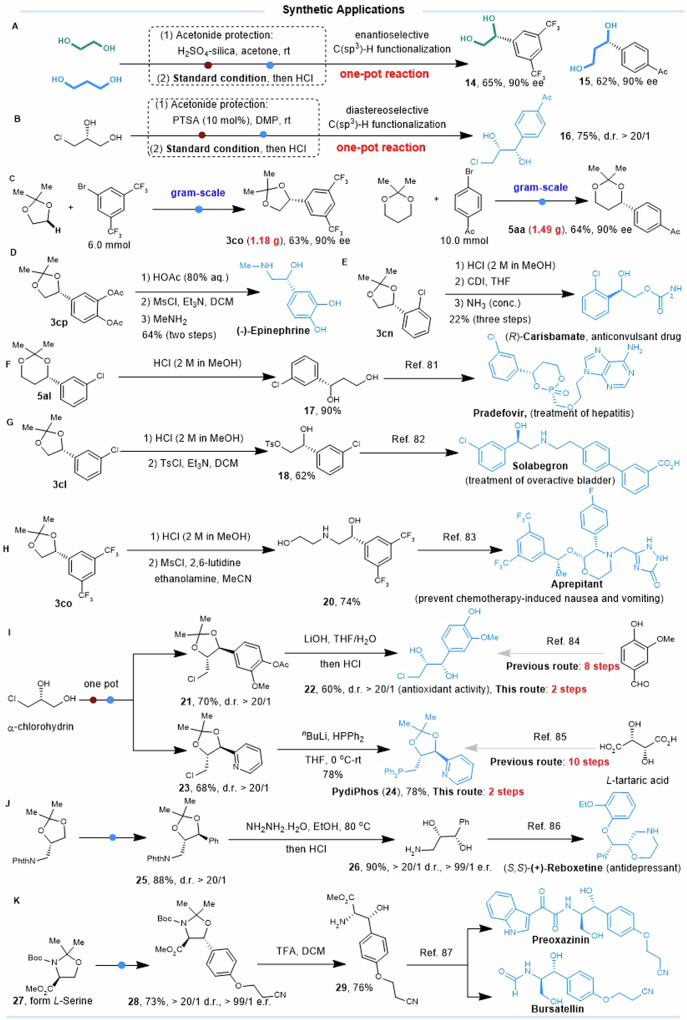
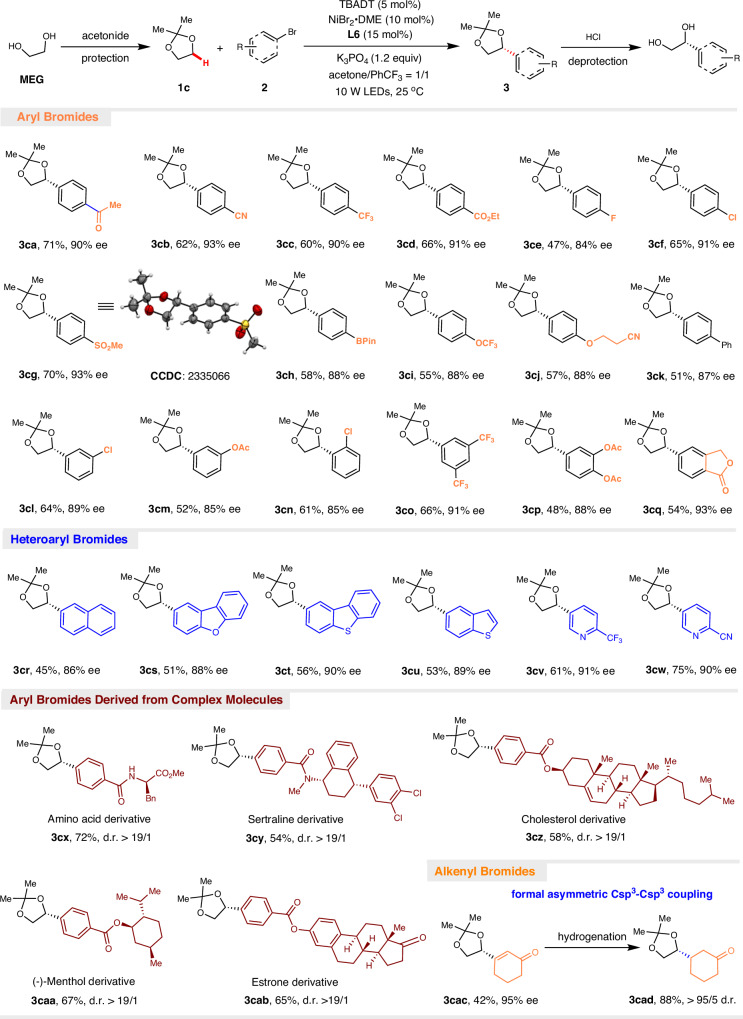
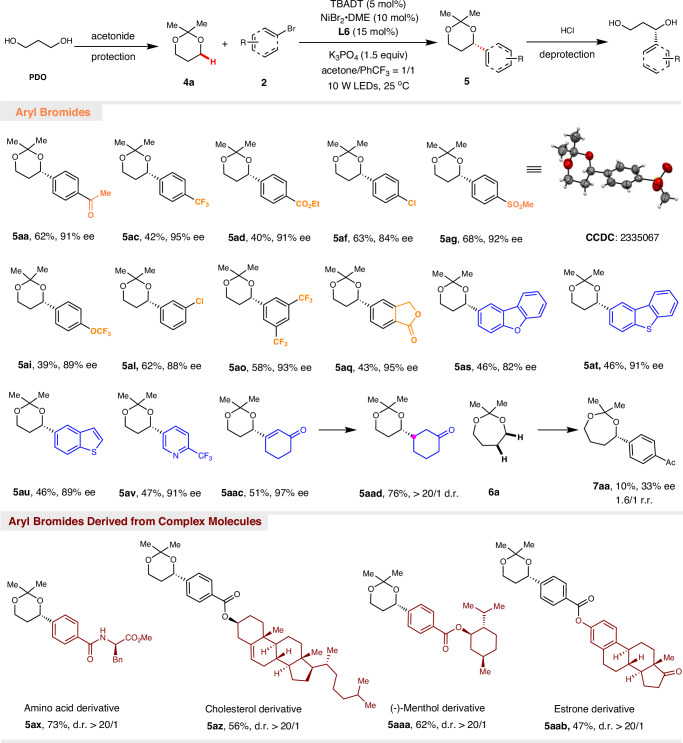
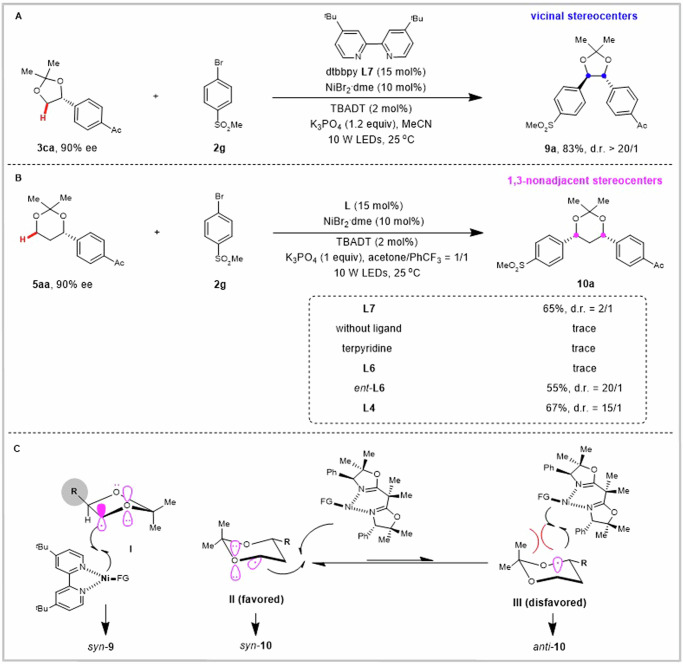
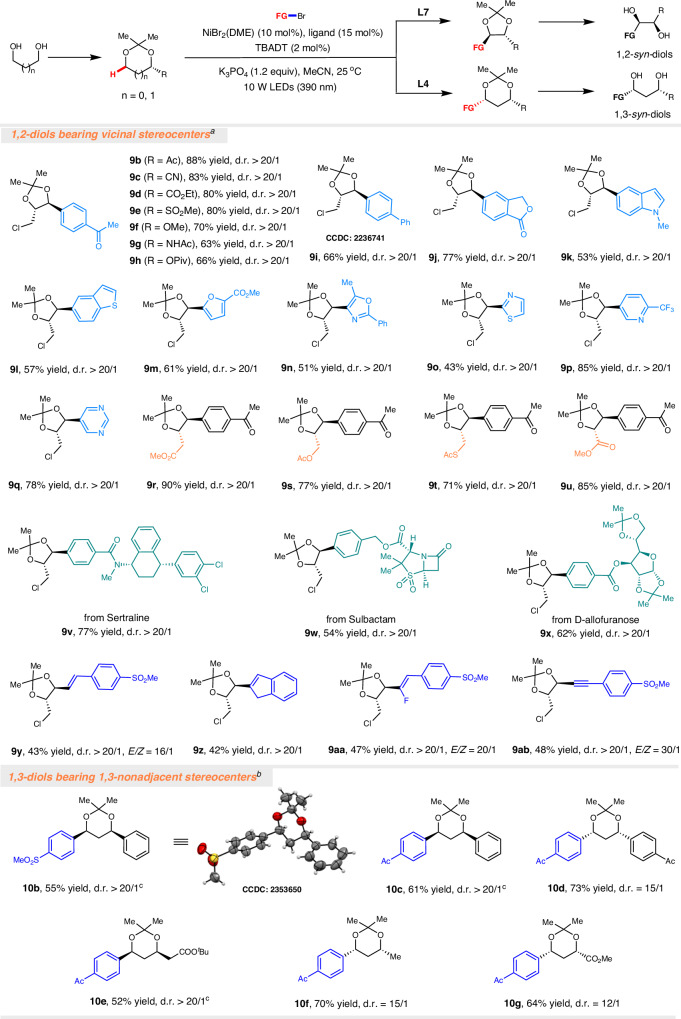
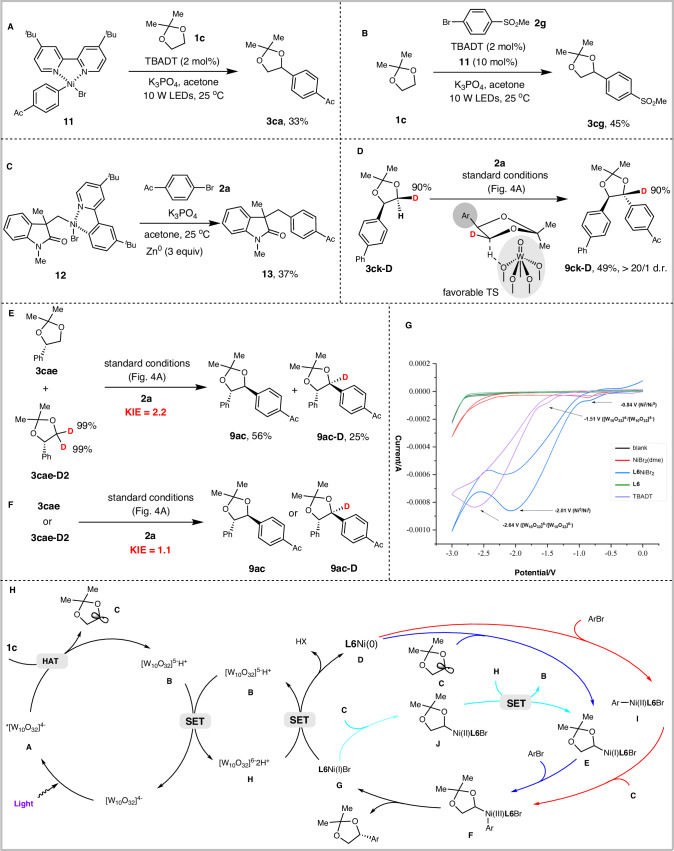
Optically pure 1,2-diols and 1,3-diols are the most privileged structural motifs, widely present in natural products, pharmaceuticals and chiral auxiliaries or ligands. However, their synthesis relies on the use of toxic or expensive metal catalysts or suffer from low regioselectivity. Catalytic asymmetric synthesis of optically pure 1,n-diols from bulk chemicals in a highly stereoselective and atom-economical manner remains a formidable challenge. Here, we disclose a versatile and modular method for the synthesis of enantioenriched 1,2-diols and 1,3-diols from the high-production-volume chemicals ethane-1,2-diol (MEG) and 1,3-propanediol (PDO), respectively. The key to success is to temporarily mask the diol group as an acetonide, which imparts selectivity to the key step of C(sp)-H functionalization. Additionally, 1,n-diols containing two stereogenic centers are also prepared through diastereoselective C(sp)-H functionalization. The late-stage functionalization of biological active compounds and the expedient synthesis of chiral ligands and pharmaceutically relevant molecules further highlight the synthetic potential of this protocol.
光学纯的1,2 -二醇和1,3 -二醇是最具优势的结构基序,广泛存在于天然产物、药物以及手性助剂或配体中。然而,它们的合成依赖于使用有毒或昂贵的金属催化剂,或者存在区域选择性低的问题。以高度立体选择性和原子经济性的方式从大宗化学品催化不对称合成光学纯的1,n -二醇仍然是一项艰巨的挑战。在此,我们披露了一种通用且模块化的方法,可分别从高产量化学品乙烷 - 1,2 -二醇(MEG)和1,3 -丙二醇(PDO)合成对映体富集的1,2 -二醇和1,3 -二醇。成功的关键在于将二醇基团暂时掩蔽为缩酮,这为C(sp) - H官能化的关键步骤赋予了选择性。此外,还通过非对映选择性C(sp) - H官能化制备了含有两个手性中心的1,n -二醇。生物活性化合物的后期官能化以及手性配体和药物相关分子的便捷合成进一步突出了该方法的合成潜力。