An Feiran, Zhuang Kun, Shangguan Lingling, Yao Lan, Dai Jun
Cooperative Innovation Center of Industrial Fermentation (Ministry of Education & Hubei Province), Key Laboratory of Fermentation Engineering (Ministry of Education), National "111" Center for Cellular Regulation and Molecular Pharmaceutics, Hubei Key Laboratory of Industrial Microbiology, School of Life and Health Sciences, Hubei University of Technology, Wuhan, Hubei 430068, PR China.
Key Laboratory of Bulk Grain and Oil Deep Processing (Ministry of Education), Department of Food Science and Engineering, Wuhan Polytechnic University, Wuhan 430023, PR China.
Food Chem X. 2024 Dec 2;25:102064. doi: 10.1016/j.fochx.2024.102064. eCollection 2025 Jan.
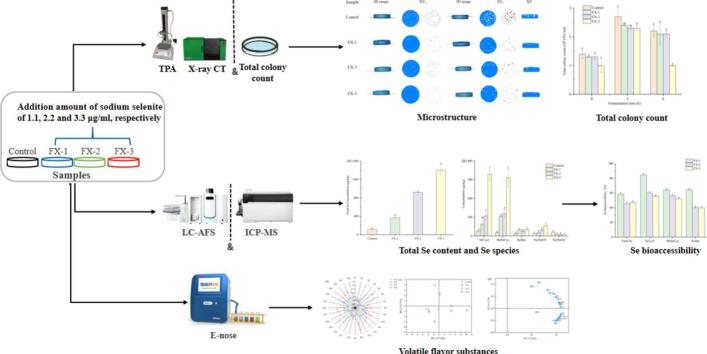
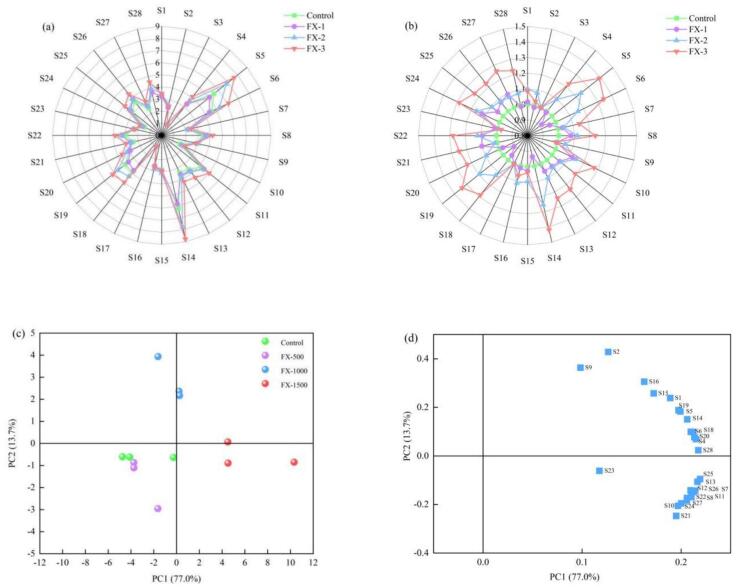
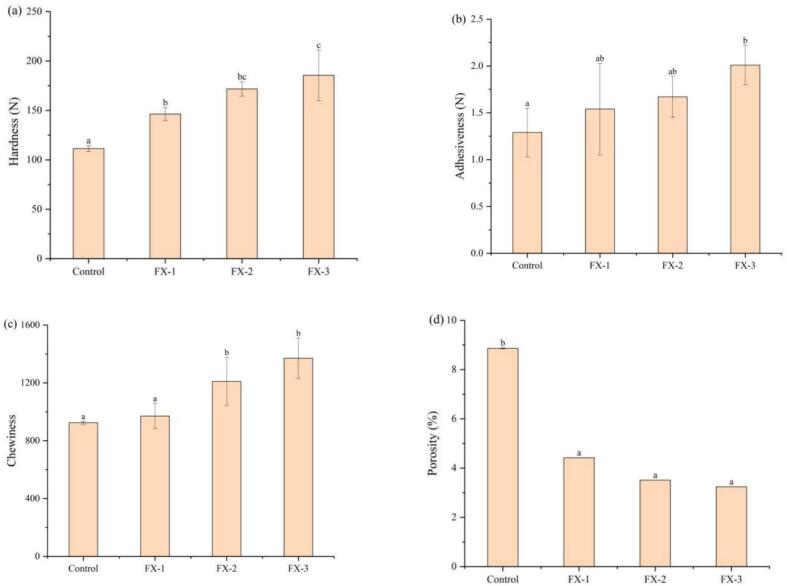
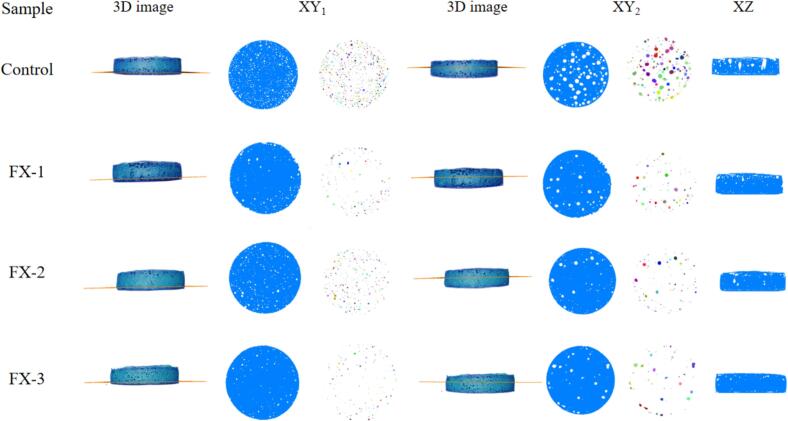
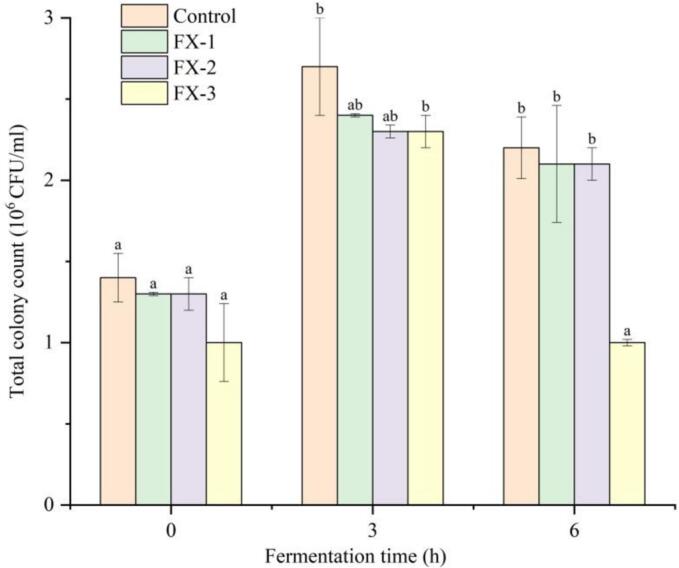
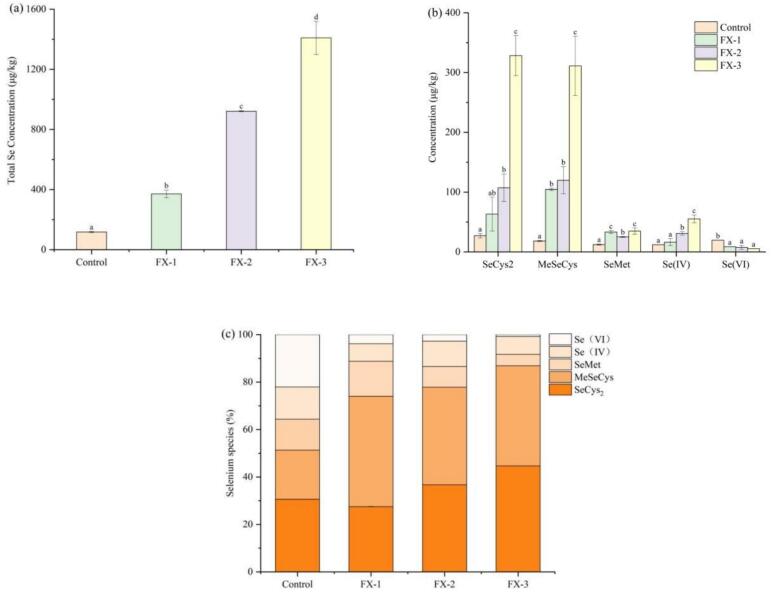
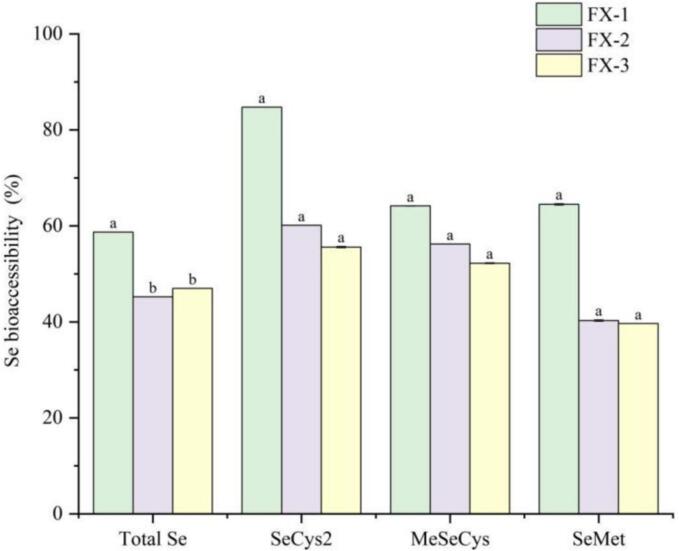
Selenium is an essential trace element for human health. To date, a hotspot of functional foods is strengthening the content of organic Se in food using biological Se enrichment. Herein, Se-enriched rice pancakes were produced by directly adding different sodium selenite concentrations into the fermentation process. The effects of sodium selenite addition on the texture properties, structure, and Se species of rice pancakes were investigated. Meanwhile, the bioaccessibility of Se and the changes of Se species in Se-enriched rice pancakes were determined by digestion experiments in vitro. The results showed significant differences in hardness, adhesiveness, chewiness, porosity, and flavor substances of Se-enriched rice pancakes after adding sodium selenite ( < 0.05). In Se-enriched rice pancakes, selenocystine (SeCys) and methylselenocysteine (MeSeCys) are the main Se species. When sodium selenite was added at 3.3 μg/mL, the maximum values of SeCys and MeSeCys were 328.35 ± 33.43 and 311.11 ± 49.48 μg/kg, respectively. Se bioaccessibility was negatively correlated with sodium selenite content. The electronic nose results of Se-enriched rice pancakes showed that the sulfur compounds, nitrogen substances, alcohol substances, alkane substances, alcohols, aldehydes, and ketones in rice pancakes significantly increased following sodium selenite addition. The results can provide a significant basis for developing high efficiency Se-enriched fermented food and the processing of Se-enriched rice pancakes.
硒是人体健康必需的微量元素。迄今为止,功能性食品的一个热点是利用生物硒富集来提高食品中有机硒的含量。在此,通过在发酵过程中直接添加不同浓度的亚硒酸钠来生产富硒米饼。研究了添加亚硒酸钠对米饼质地特性、结构和硒形态的影响。同时,通过体外消化实验测定了富硒米饼中硒的生物可及性和硒形态的变化。结果表明,添加亚硒酸钠后,富硒米饼在硬度、黏附性、咀嚼性、孔隙率和风味物质方面存在显著差异(P<0.05)。在富硒米饼中,硒代胱氨酸(SeCys)和甲基硒代半胱氨酸(MeSeCys)是主要的硒形态。当亚硒酸钠添加量为3.3μg/mL时,SeCys和MeSeCys的最大值分别为328.35±33.43和311.11±49.48μg/kg。硒的生物可及性与亚硒酸钠含量呈负相关。富硒米饼的电子鼻结果表明,添加亚硒酸钠后,米饼中的含硫化合物、含氮物质、醇类物质、烷烃物质、醇类、醛类和酮类显著增加。这些结果可为开发高效富硒发酵食品和富硒米饼的加工提供重要依据。