• 文献检索
  • 文档翻译
  • 深度研究
  • 学术资讯
  • Suppr Zotero 插件Zotero 插件
  • 邀请有礼
  • 套餐&价格
  • 历史记录
应用&插件
Suppr Zotero 插件Zotero 插件浏览器插件Mac 客户端Windows 客户端微信小程序
定价
高级版会员购买积分包购买API积分包
服务
文献检索文档翻译深度研究API 文档MCP 服务
关于我们
关于 Suppr公司介绍联系我们用户协议隐私条款
关注我们

Suppr 超能文献

核心技术专利:CN118964589B侵权必究
粤ICP备2023148730 号-1Suppr @ 2026

文献检索

告别复杂PubMed语法,用中文像聊天一样搜索,搜遍4000万医学文献。AI智能推荐,让科研检索更轻松。

立即免费搜索

文件翻译

保留排版,准确专业,支持PDF/Word/PPT等文件格式,支持 12+语言互译。

免费翻译文档

深度研究

AI帮你快速写综述,25分钟生成高质量综述,智能提取关键信息,辅助科研写作。

立即免费体验

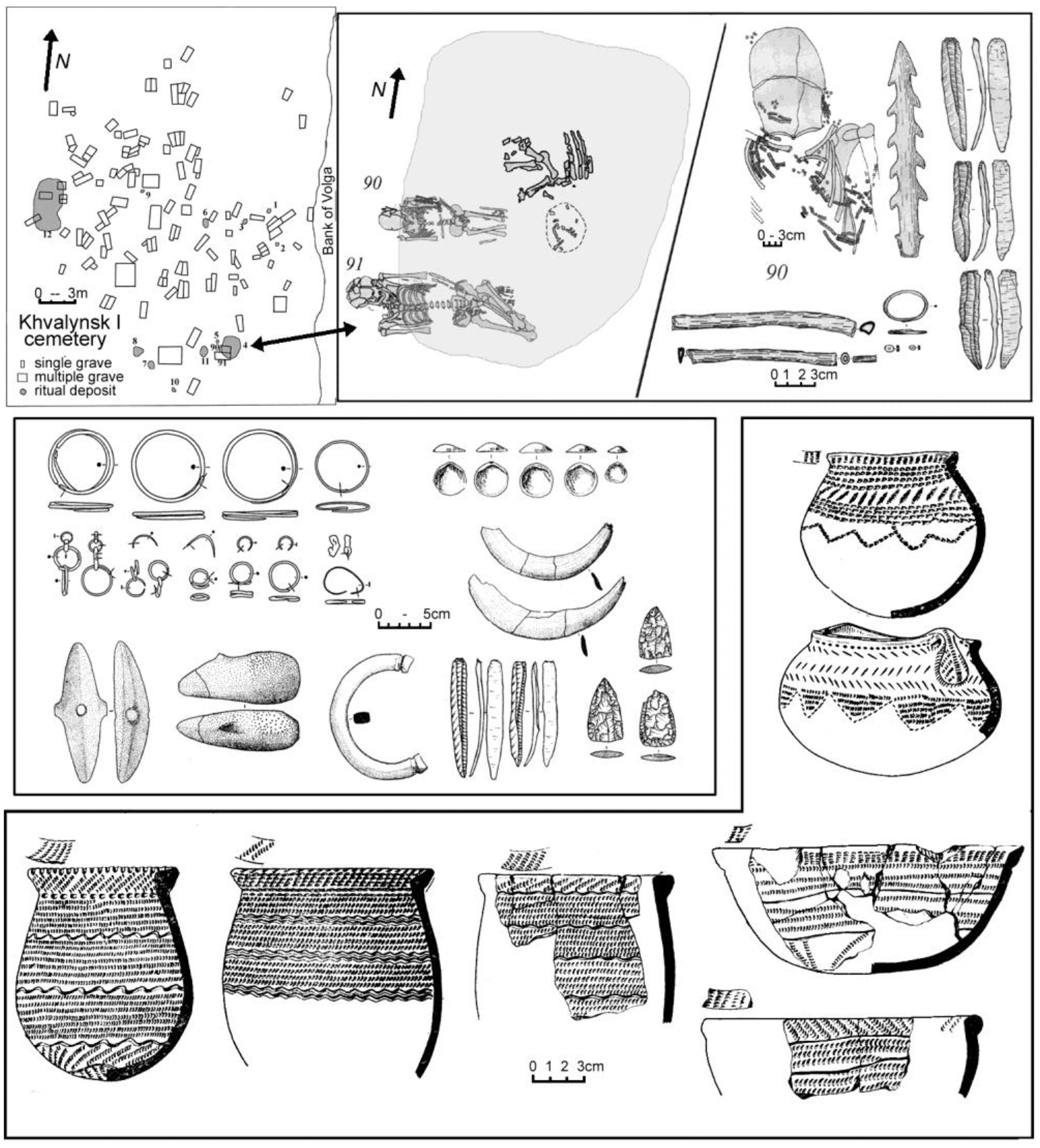
伏尔加河畔克瓦林斯克的新石器时代墓地。

The Eneolithic cemetery at Khvalynsk on the Volga River.

作者信息

Anthony David W, Khokhlov A A, Agapov S A, Agapov D S, Schulting R, Olalde I, Reich D

机构信息

Hartwick College, emeritus; & Harvard University, Human Evolutionary Biology, Cambridge, MA.

Samara State University of Social Sciences and Education.

出版信息

Praehist Z. 2022 Jun;97(1):22-67. doi: 10.1515/pz-2022-2034. Epub 2022 Mar 23.

DOI:10.1515/pz-2022-2034
PMID:39759958
原文链接:https://pmc.ncbi.nlm.nih.gov/articles/PMC11699484/
Abstract

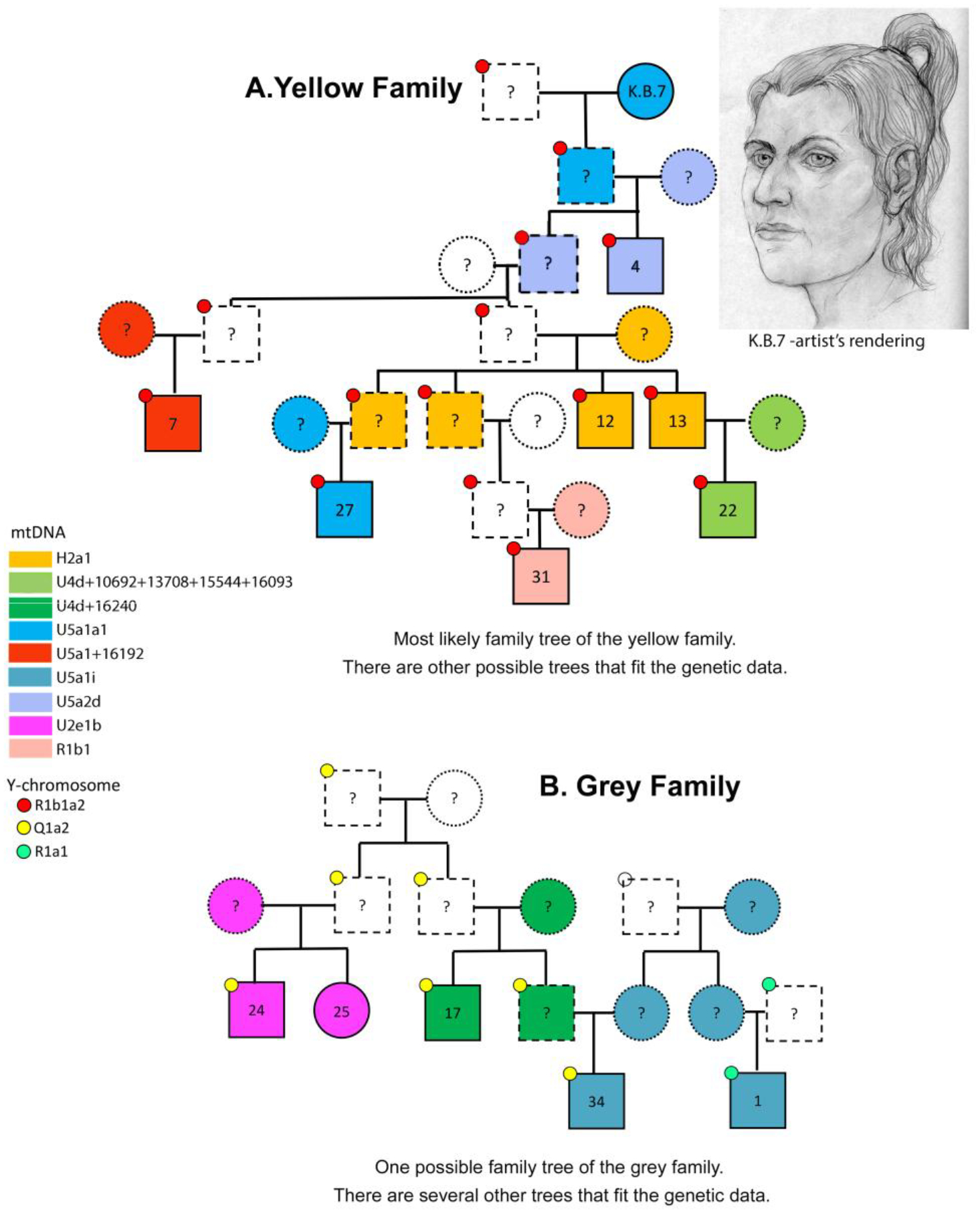
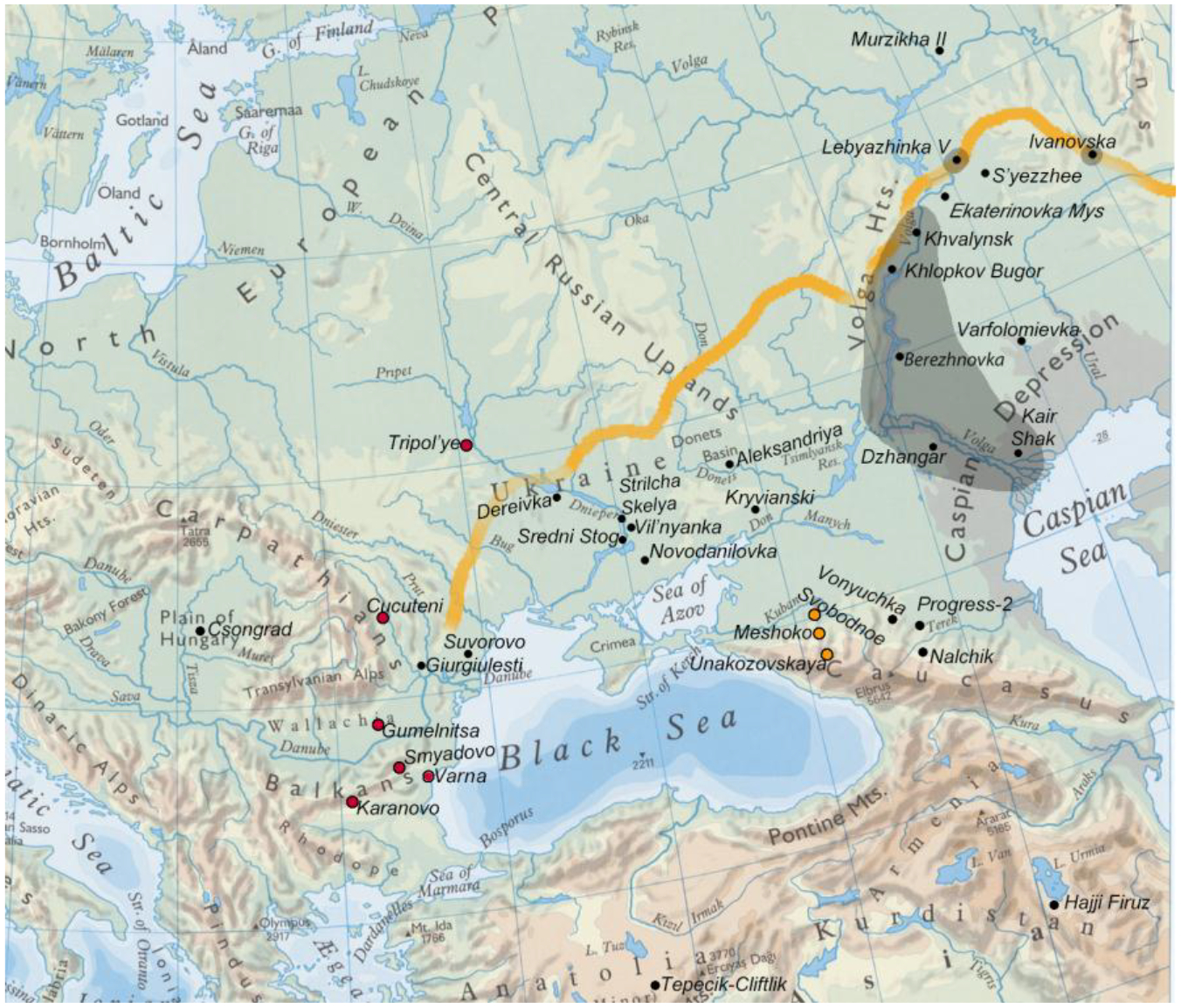
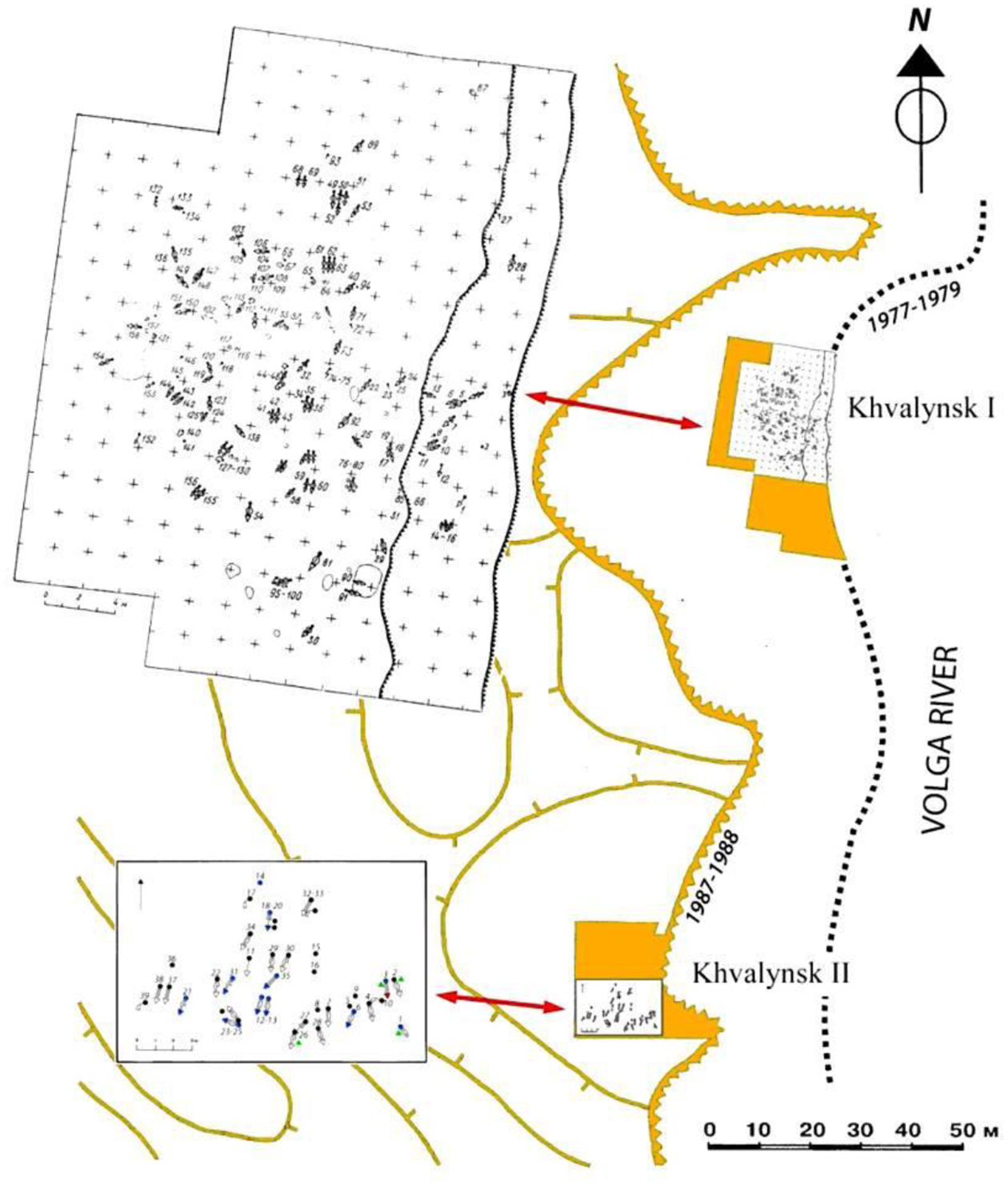
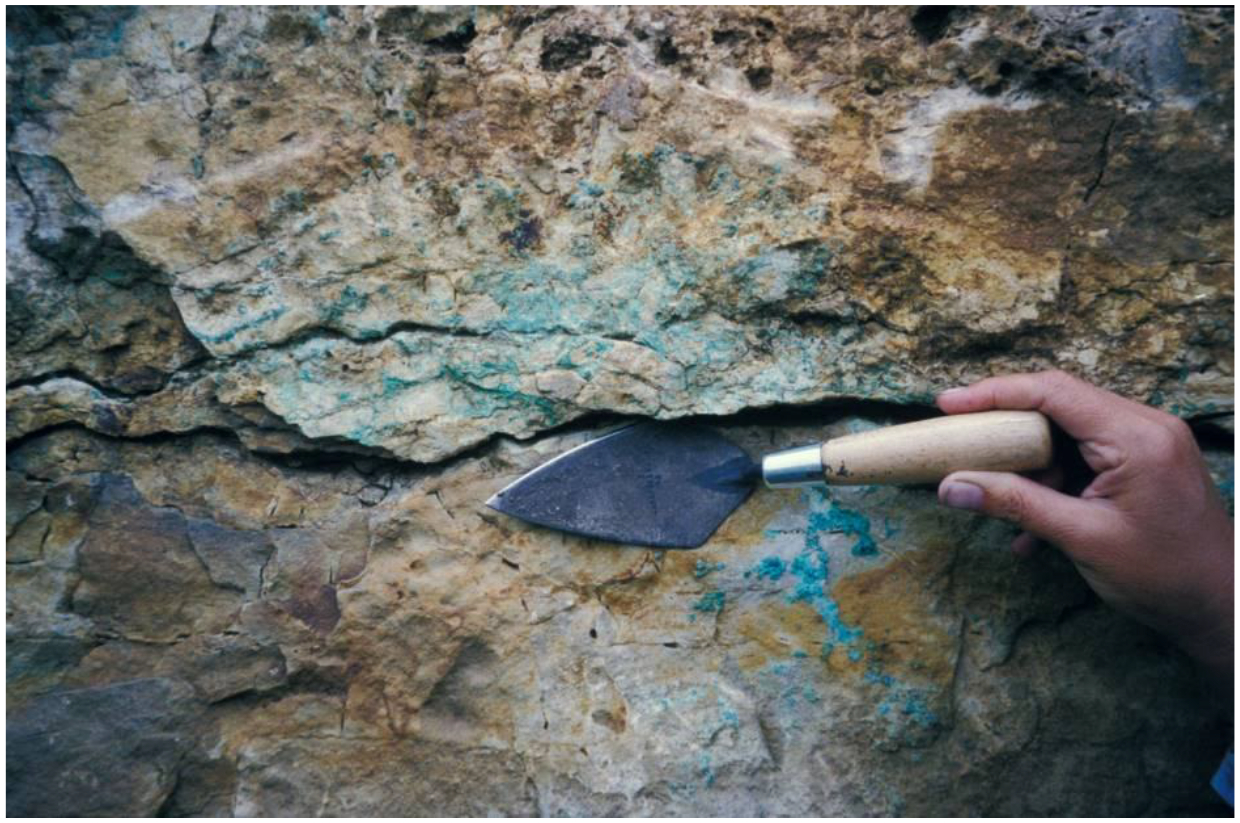
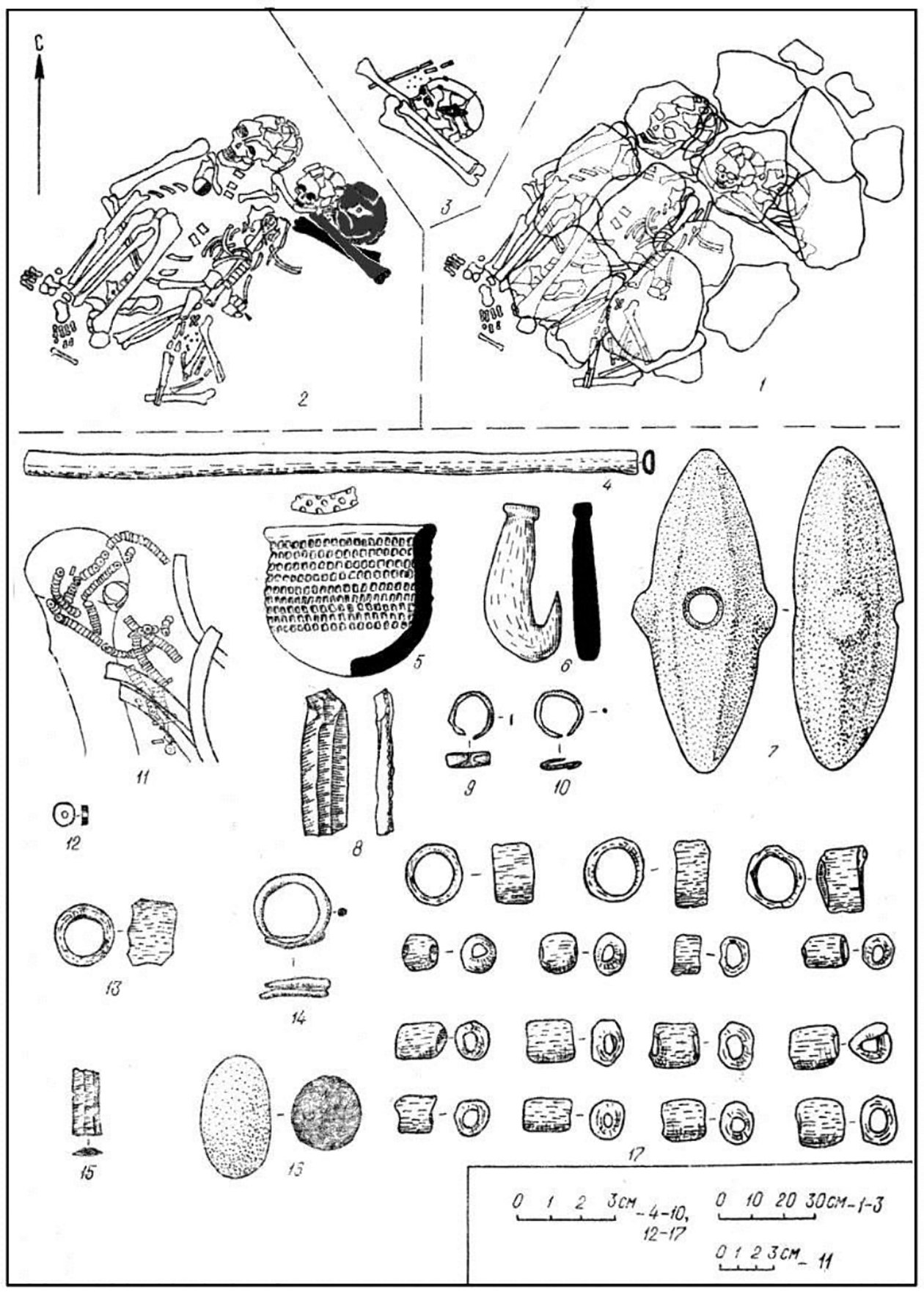
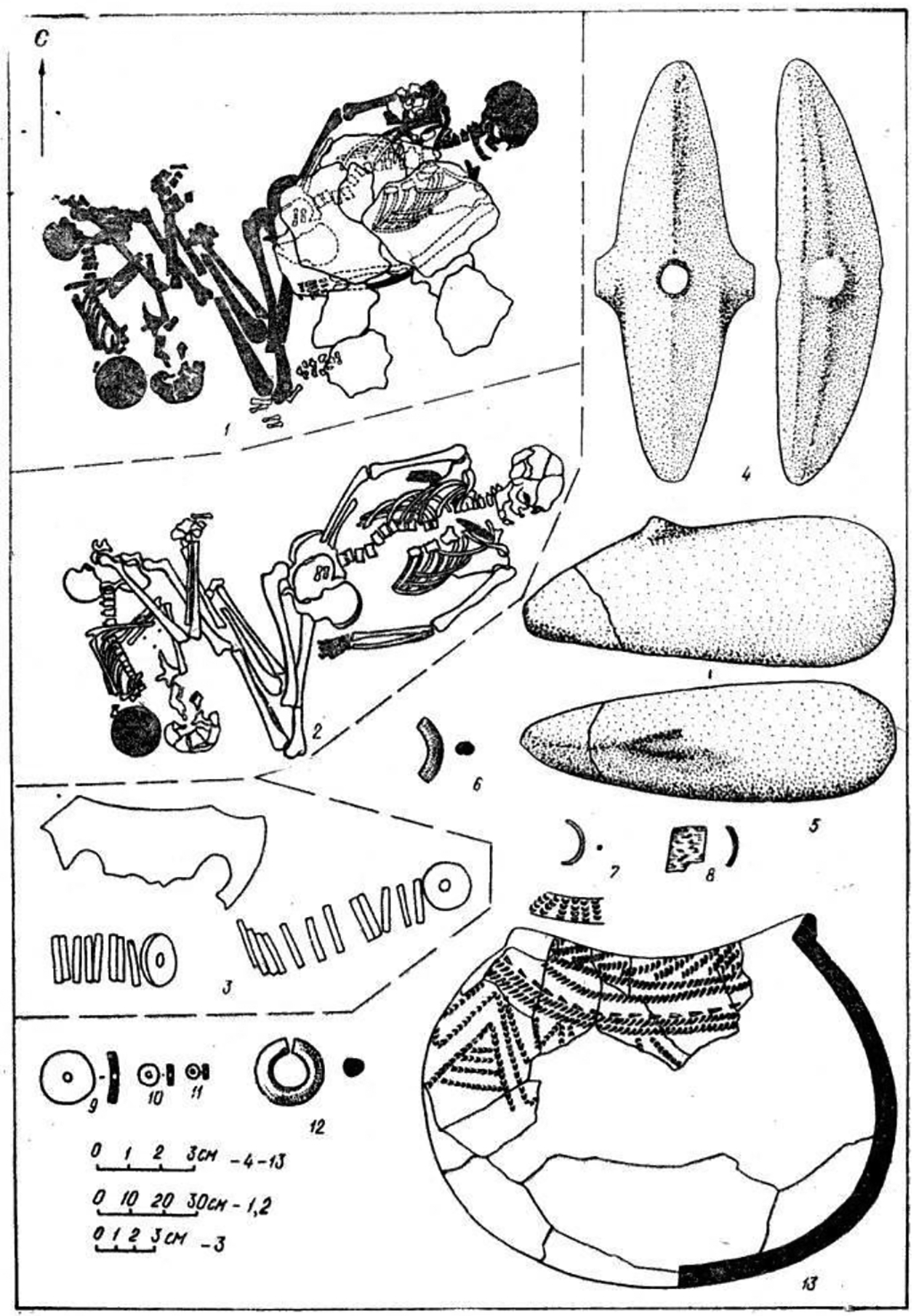
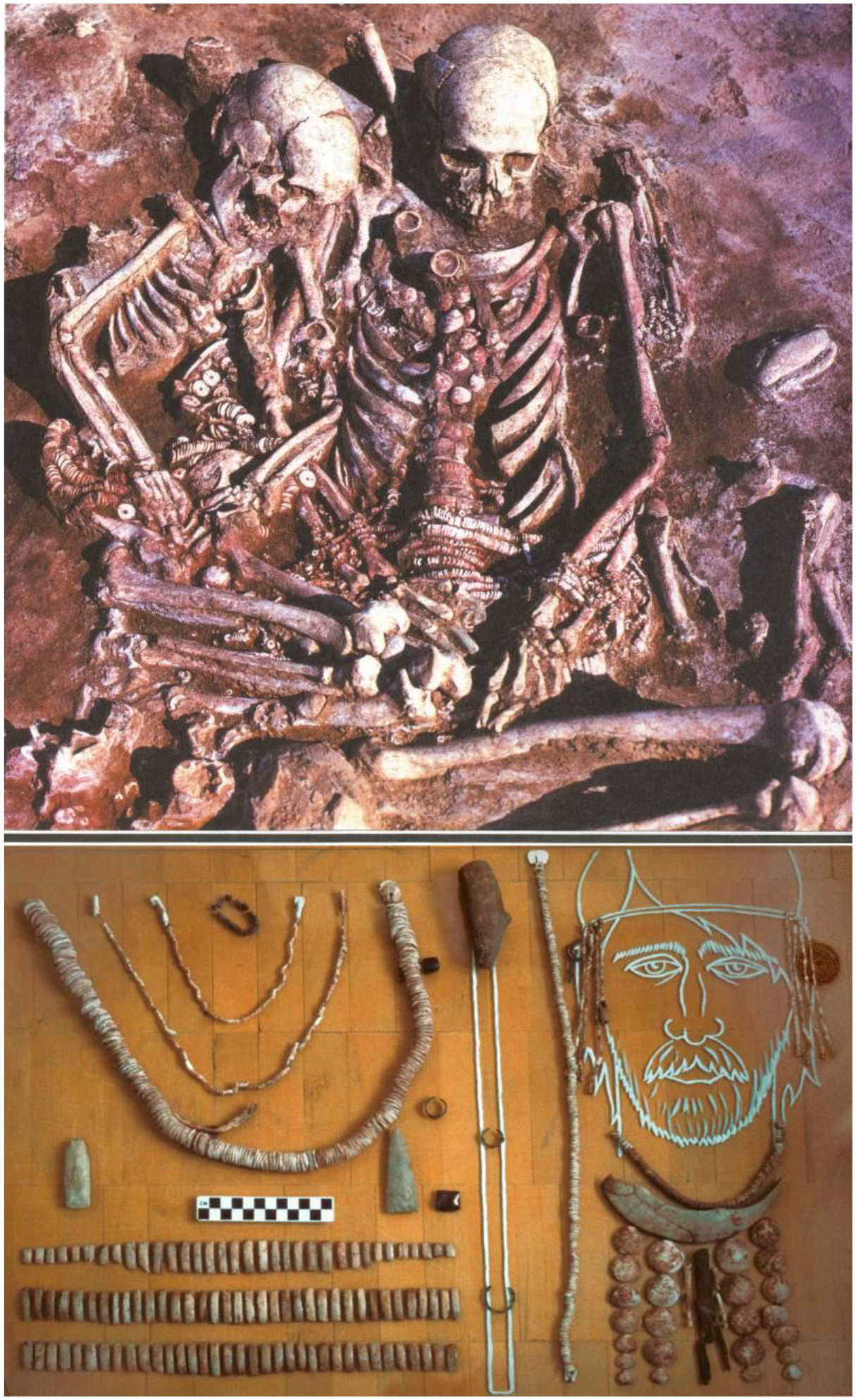
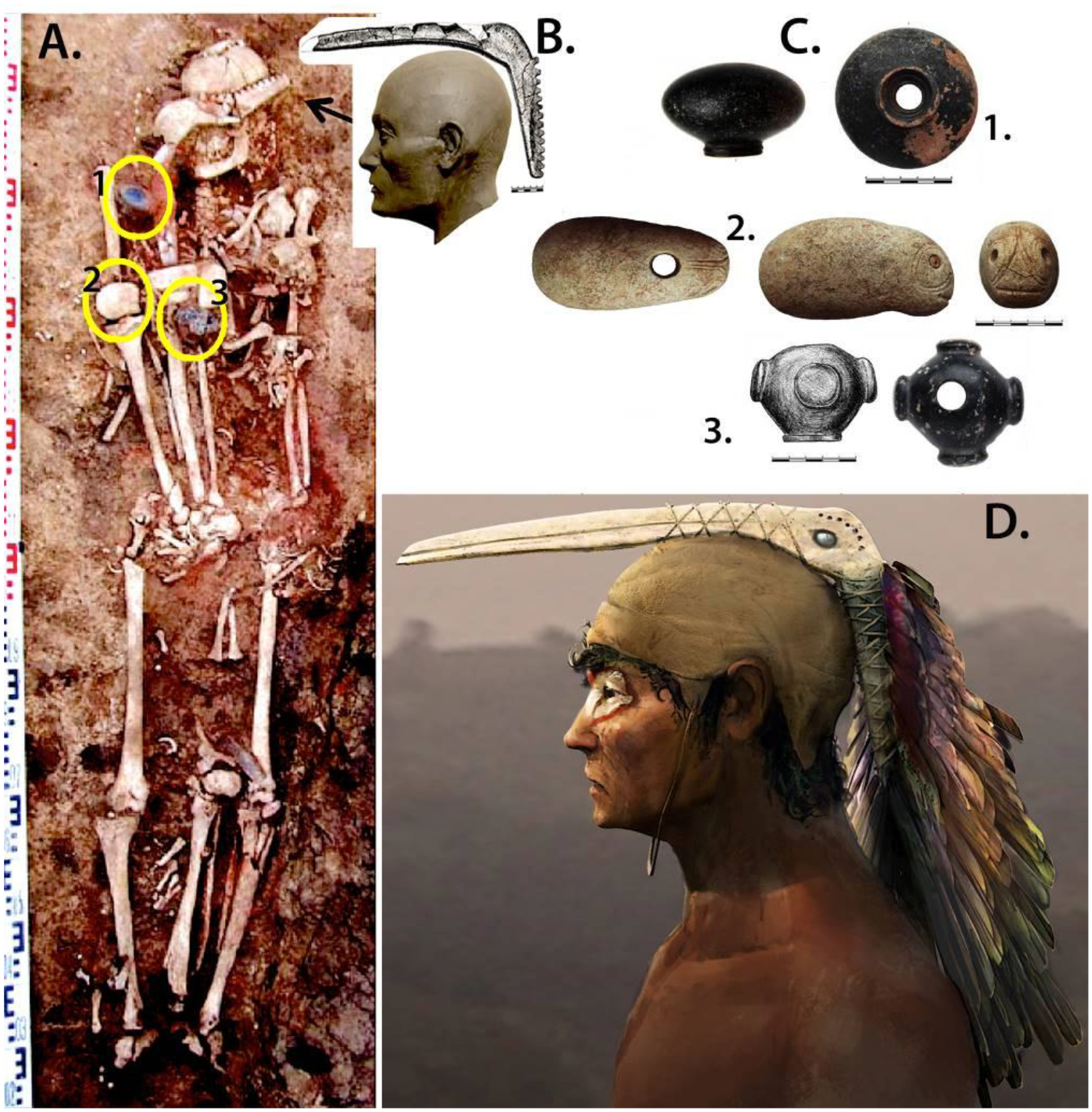
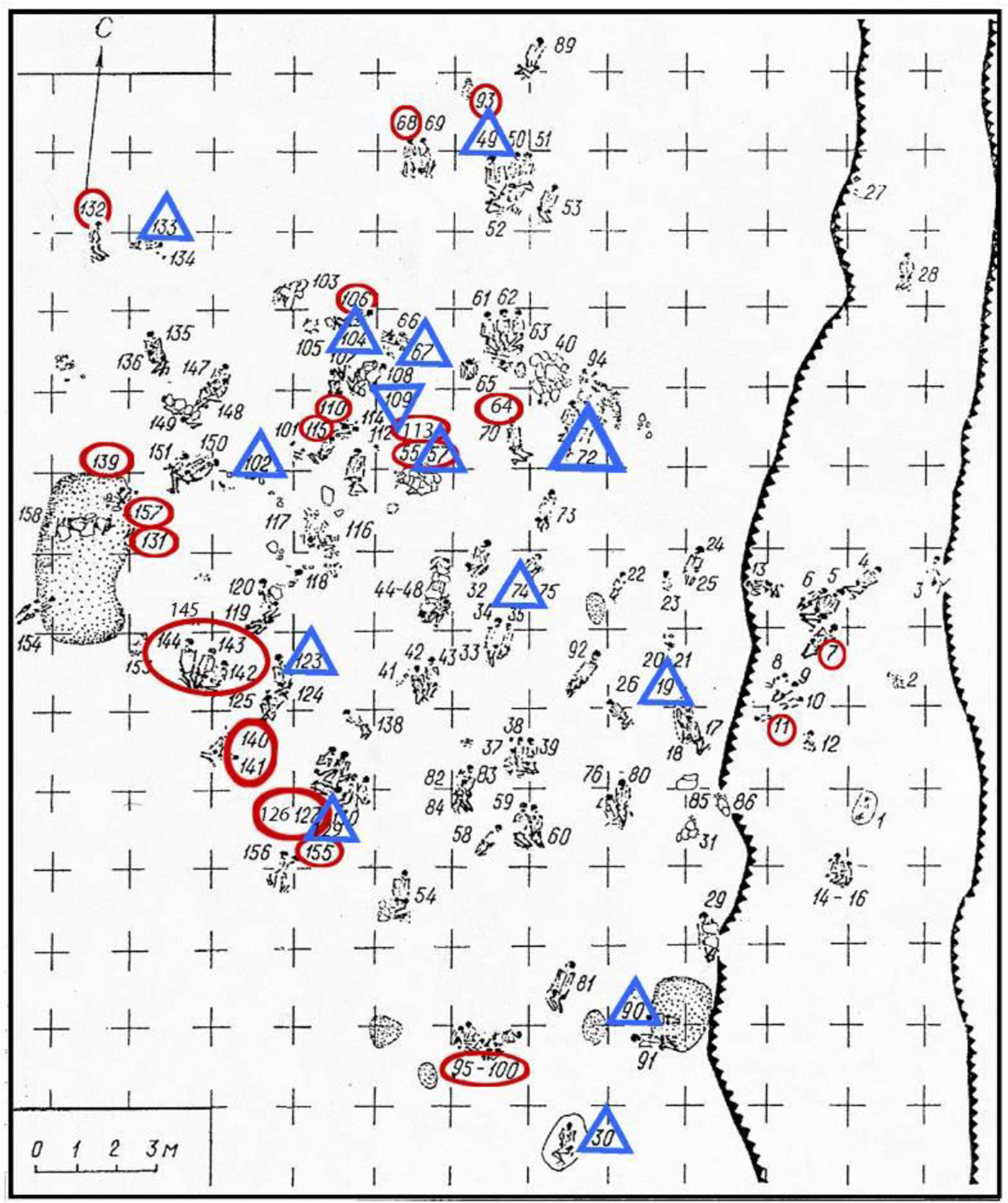
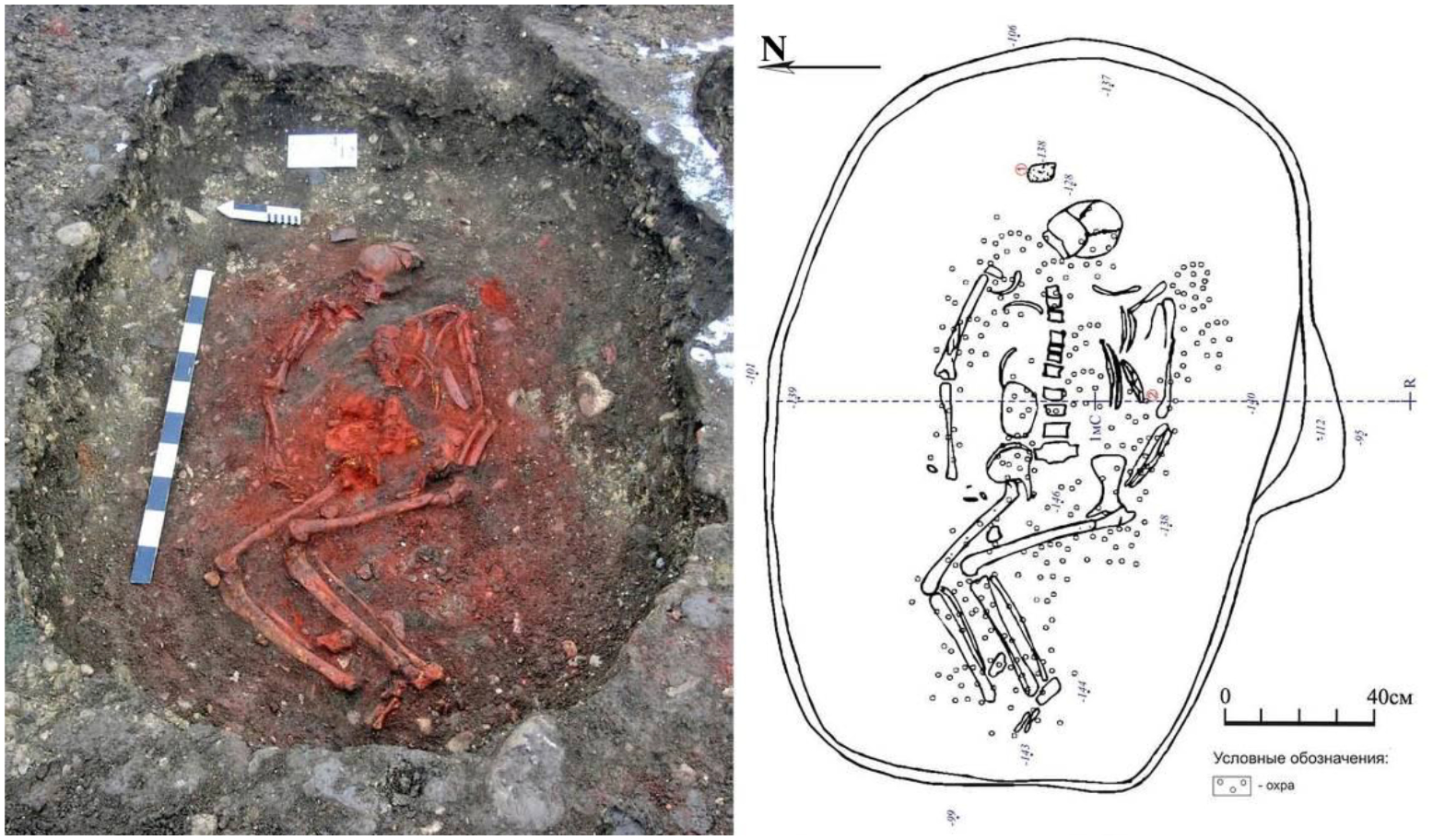
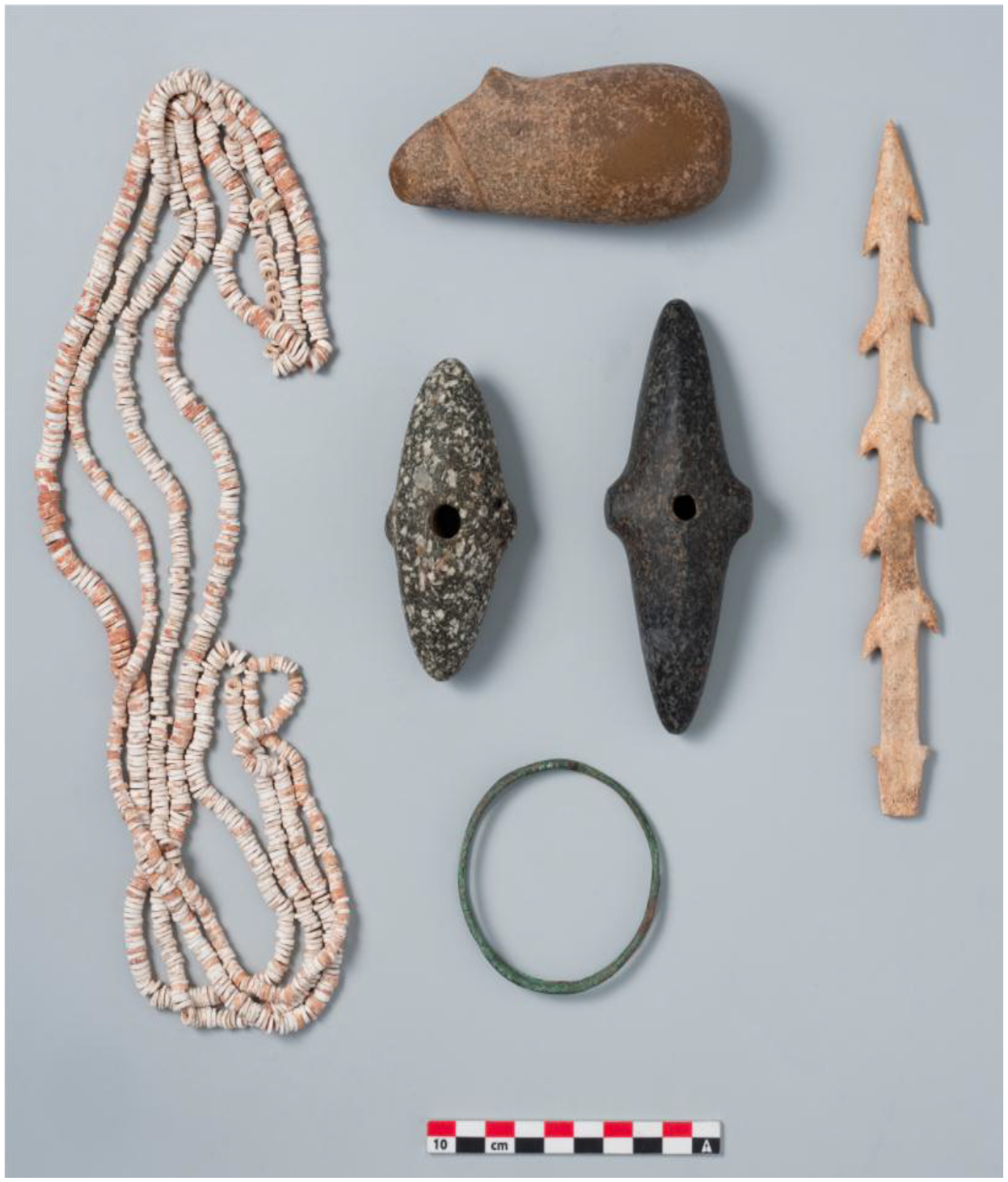
The genetically attested migrations of the third millennium BC have made the origins and nature of the Yamnaya culture a question of broad relevance across northern Eurasia. But none of the key archaeological sites most important for understanding the evolution of Yamnaya culture is published in western languages. These key sites include the fifth-millennium BC Khvalynsk cemetery in the middle Volga steppes. When the first part of the Eneolithic cemetery (Khvalynsk I) was discovered in 1977-79, the graves displayed many material and ritual traits that were quickly recognized as similar and probably ancestral to Yamnaya customs, but without the Yamnaya kurgans. With the discovery of a second burial plot (Khvalynsk II) 120m to the south in 1987-88, Khvalynsk became the largest excavated Eneolithic cemetery in the Don-Volga-Ural steppes (201 recorded graves), dated about 4500-4300 BCE. It has the largest copper assemblage of the fifth millennium BC in the steppes (373 objects) and the largest assemblage of sacrificed domesticated animals (at least 106 sheep-goat, 29 cattle, and 16 horses); and it produced four polished stone maces from well-documented grave contexts. The human skeletons have been sampled extensively for ancient DNA, the basis for an analysis of family relationships. This report compiles information from the relevant Russian-language publications and from the archaeologists who excavated the site, two of whom are co-authors, about the history of excavations, radiocarbon dates, copper finds, domesticated animal sacrifices, polished stone maces, genetic and skeletal studies, and relationships with other steppe cultures as well as agricultural cultures of the North Caucasus (Svobodnoe-Meshoko) and southeastern Europe (Varna and Cucuteni-Tripol'ye B1). Khvalynsk is described as a coalescent culture, integrating and combining northern and southern elements, a hybrid that can be recognized genetically, in cranio-facial types, in exchanged artifacts, and in social segments within the cemetery. Stone maces symbolized the unification and integration of socially defined segments at Khvalynsk.

摘要

公元前第三个千年经基因证实的人口迁徙,使得颜那亚文化的起源和性质成为一个在欧亚大陆北部具有广泛相关性的问题。但对于理解颜那亚文化演变最为重要的关键考古遗址,没有一个是以西方语言发表的。这些关键遗址包括伏尔加河中游草原地区公元前五千年的赫瓦伦斯克墓地。1977年至1979年发现了新石器时代早期墓地的第一部分(赫瓦伦斯克一期),墓葬展现出许多物质和仪式特征,这些特征很快被认为与颜那亚习俗相似且可能是其祖先习俗,但没有颜那亚古墓。1987年至1988年在南面120米处发现了第二个墓葬区(赫瓦伦斯克二期)后,赫瓦伦斯克成为顿河 - 伏尔加河 - 乌拉尔草原地区发掘的最大的新石器时代早期墓地(记录在案的有201座墓葬),年代约为公元前4500年至4300年。它拥有公元前五千年草原地区最大的铜器组合(373件物品)以及最大的献祭家畜组合(至少106只绵羊 - 山羊、29头牛和16匹马);并且从有详细记录的墓葬环境中出土了四件磨光石锤。人类骨骼已被大量采样用于古DNA研究,这是分析家族关系的基础。本报告汇编了来自相关俄语出版物以及参与该遗址发掘的考古学家(其中两位是共同作者)的信息,内容涉及发掘历史、放射性碳年代测定、铜器发现、家畜献祭、磨光石锤、基因和骨骼研究,以及与其他草原文化以及北高加索地区(斯沃博德诺 - 梅绍科)和东南欧地区(瓦尔纳和库库泰尼 - 特里波利耶B1)农业文化的关系。赫瓦伦斯克被描述为一种融合文化,融合并结合了北方和南方的元素,是一种在基因、颅面类型、交换文物以及墓地内的社会阶层等方面都能被识别的混合体。石锤象征着赫瓦伦斯克社会界定阶层的统一和融合。
https://cdn.ncbi.nlm.nih.gov/pmc/blobs/8b5c/11699484/ed7fc2533a39/nihms-2034508-f0018.jpg
https://cdn.ncbi.nlm.nih.gov/pmc/blobs/8b5c/11699484/658c85b12c5a/nihms-2034508-f0001.jpg
https://cdn.ncbi.nlm.nih.gov/pmc/blobs/8b5c/11699484/24ff14be6a1b/nihms-2034508-f0002.jpg
https://cdn.ncbi.nlm.nih.gov/pmc/blobs/8b5c/11699484/8238c52b8210/nihms-2034508-f0003.jpg
https://cdn.ncbi.nlm.nih.gov/pmc/blobs/8b5c/11699484/ca149936b577/nihms-2034508-f0004.jpg
https://cdn.ncbi.nlm.nih.gov/pmc/blobs/8b5c/11699484/44a0042e40a9/nihms-2034508-f0005.jpg
https://cdn.ncbi.nlm.nih.gov/pmc/blobs/8b5c/11699484/f080f0a3f281/nihms-2034508-f0006.jpg
https://cdn.ncbi.nlm.nih.gov/pmc/blobs/8b5c/11699484/caccf1617914/nihms-2034508-f0007.jpg
https://cdn.ncbi.nlm.nih.gov/pmc/blobs/8b5c/11699484/acea181073c0/nihms-2034508-f0008.jpg
https://cdn.ncbi.nlm.nih.gov/pmc/blobs/8b5c/11699484/c20eb547cdfd/nihms-2034508-f0009.jpg
https://cdn.ncbi.nlm.nih.gov/pmc/blobs/8b5c/11699484/e5e0938210d6/nihms-2034508-f0010.jpg
https://cdn.ncbi.nlm.nih.gov/pmc/blobs/8b5c/11699484/be1eecd2bc63/nihms-2034508-f0011.jpg
https://cdn.ncbi.nlm.nih.gov/pmc/blobs/8b5c/11699484/14a61b073340/nihms-2034508-f0012.jpg
https://cdn.ncbi.nlm.nih.gov/pmc/blobs/8b5c/11699484/6102fc1093c6/nihms-2034508-f0013.jpg
https://cdn.ncbi.nlm.nih.gov/pmc/blobs/8b5c/11699484/4086061294f2/nihms-2034508-f0014.jpg
https://cdn.ncbi.nlm.nih.gov/pmc/blobs/8b5c/11699484/345edc0c2772/nihms-2034508-f0015.jpg
https://cdn.ncbi.nlm.nih.gov/pmc/blobs/8b5c/11699484/5df04c89a21f/nihms-2034508-f0016.jpg
https://cdn.ncbi.nlm.nih.gov/pmc/blobs/8b5c/11699484/6e92b9dde3c7/nihms-2034508-f0017.jpg
https://cdn.ncbi.nlm.nih.gov/pmc/blobs/8b5c/11699484/ed7fc2533a39/nihms-2034508-f0018.jpg
https://cdn.ncbi.nlm.nih.gov/pmc/blobs/8b5c/11699484/658c85b12c5a/nihms-2034508-f0001.jpg
https://cdn.ncbi.nlm.nih.gov/pmc/blobs/8b5c/11699484/24ff14be6a1b/nihms-2034508-f0002.jpg
https://cdn.ncbi.nlm.nih.gov/pmc/blobs/8b5c/11699484/8238c52b8210/nihms-2034508-f0003.jpg
https://cdn.ncbi.nlm.nih.gov/pmc/blobs/8b5c/11699484/ca149936b577/nihms-2034508-f0004.jpg
https://cdn.ncbi.nlm.nih.gov/pmc/blobs/8b5c/11699484/44a0042e40a9/nihms-2034508-f0005.jpg
https://cdn.ncbi.nlm.nih.gov/pmc/blobs/8b5c/11699484/f080f0a3f281/nihms-2034508-f0006.jpg
https://cdn.ncbi.nlm.nih.gov/pmc/blobs/8b5c/11699484/caccf1617914/nihms-2034508-f0007.jpg
https://cdn.ncbi.nlm.nih.gov/pmc/blobs/8b5c/11699484/acea181073c0/nihms-2034508-f0008.jpg
https://cdn.ncbi.nlm.nih.gov/pmc/blobs/8b5c/11699484/c20eb547cdfd/nihms-2034508-f0009.jpg
https://cdn.ncbi.nlm.nih.gov/pmc/blobs/8b5c/11699484/e5e0938210d6/nihms-2034508-f0010.jpg
https://cdn.ncbi.nlm.nih.gov/pmc/blobs/8b5c/11699484/be1eecd2bc63/nihms-2034508-f0011.jpg
https://cdn.ncbi.nlm.nih.gov/pmc/blobs/8b5c/11699484/14a61b073340/nihms-2034508-f0012.jpg
https://cdn.ncbi.nlm.nih.gov/pmc/blobs/8b5c/11699484/6102fc1093c6/nihms-2034508-f0013.jpg
https://cdn.ncbi.nlm.nih.gov/pmc/blobs/8b5c/11699484/4086061294f2/nihms-2034508-f0014.jpg
https://cdn.ncbi.nlm.nih.gov/pmc/blobs/8b5c/11699484/345edc0c2772/nihms-2034508-f0015.jpg
https://cdn.ncbi.nlm.nih.gov/pmc/blobs/8b5c/11699484/5df04c89a21f/nihms-2034508-f0016.jpg
https://cdn.ncbi.nlm.nih.gov/pmc/blobs/8b5c/11699484/6e92b9dde3c7/nihms-2034508-f0017.jpg
https://cdn.ncbi.nlm.nih.gov/pmc/blobs/8b5c/11699484/ed7fc2533a39/nihms-2034508-f0018.jpg

相似文献

1
The Eneolithic cemetery at Khvalynsk on the Volga River.伏尔加河畔克瓦林斯克的新石器时代墓地。
Praehist Z. 2022 Jun;97(1):22-67. doi: 10.1515/pz-2022-2034. Epub 2022 Mar 23.
2
Human DNA from the oldest Eneolithic cemetery in Nalchik points the spread of farming from the Caucasus to the Eastern European steppes.来自纳尔奇克最古老的新石器时代墓地的人类DNA表明了农业从高加索地区向东欧草原的传播。
iScience. 2024 Oct 16;27(11):110963. doi: 10.1016/j.isci.2024.110963. eCollection 2024 Nov 15.
3
The Genetic Origin of the Indo-Europeans.印欧人的基因起源
bioRxiv. 2024 Apr 18:2024.04.17.589597. doi: 10.1101/2024.04.17.589597.
4
The genetic origin of the Indo-Europeans.印欧人的基因起源。
Nature. 2025 Mar;639(8053):132-142. doi: 10.1038/s41586-024-08531-5. Epub 2025 Feb 5.
5
Diet and subsistence in Bronze Age pastoral communities from the southern Russian steppes and the North Caucasus.青铜时代南俄草原和北高加索地区游牧社区的饮食和生活方式。
PLoS One. 2020 Oct 14;15(10):e0239861. doi: 10.1371/journal.pone.0239861. eCollection 2020.
6
Emergence and intensification of dairying in the Caucasus and Eurasian steppes.高加索和欧亚草原地区奶牛养殖业的兴起和加强。
Nat Ecol Evol. 2022 Jun;6(6):813-822. doi: 10.1038/s41559-022-01701-6. Epub 2022 Apr 7.
7
Ancient DNA analysis of elite nomadic warrior from Chinge-Tey I funerary commemorative complex in the "Valley of the Kings", Tuva.对图瓦“帝王谷”钦格 - 泰伊一号丧葬纪念建筑群中精英游牧武士的古DNA分析。
BMC Genomics. 2025 Mar 5;26(1):220. doi: 10.1186/s12864-025-11361-y.
8
The origins and spread of domestic horses from the Western Eurasian steppes.家马起源于并扩散自欧亚大陆西部的草原。
Nature. 2021 Oct;598(7882):634-640. doi: 10.1038/s41586-021-04018-9. Epub 2021 Oct 20.
9
Interactions between Trypillian farmers and North Pontic forager-pastoralists in Eneolithic central Ukraine.新石器时代乌克兰中部的特里皮利亚农民与北顿涅茨草原牧民之间的互动。
PLoS One. 2023 Jun 14;18(6):e0285449. doi: 10.1371/journal.pone.0285449. eCollection 2023.
10
Genomic Steppe ancestry in skeletons from the Neolithic Single Grave Culture in Denmark.丹麦新石器时代独葬文化的骨骼中存在着基因组草原血统。
PLoS One. 2021 Jan 14;16(1):e0244872. doi: 10.1371/journal.pone.0244872. eCollection 2021.

引用本文的文献

1
The genetic origin of the Indo-Europeans.印欧人的基因起源。
Nature. 2025 Mar;639(8053):132-142. doi: 10.1038/s41586-024-08531-5. Epub 2025 Feb 5.
2
The Genetic Origin of the Indo-Europeans.印欧人的基因起源
bioRxiv. 2024 Apr 18:2024.04.17.589597. doi: 10.1101/2024.04.17.589597.

本文引用的文献

1
The origins and spread of domestic horses from the Western Eurasian steppes.家马起源于并扩散自欧亚大陆西部的草原。
Nature. 2021 Oct;598(7882):634-640. doi: 10.1038/s41586-021-04018-9. Epub 2021 Oct 20.
2
Genomic History of Neolithic to Bronze Age Anatolia, Northern Levant, and Southern Caucasus.新石器时代至青铜时代安纳托利亚、北黎凡特和南高加索的基因组历史。
Cell. 2020 May 28;181(5):1158-1175.e28. doi: 10.1016/j.cell.2020.04.044.
3
The formation of human populations in South and Central Asia.南亚和中亚地区的人口形成。
Science. 2019 Sep 6;365(6457). doi: 10.1126/science.aat7487.
4
Ancient human genome-wide data from a 3000-year interval in the Caucasus corresponds with eco-geographic regions.高加索地区 3000 年跨度的古人类全基因组数据与生态地理区域相对应。
Nat Commun. 2019 Feb 4;10(1):590. doi: 10.1038/s41467-018-08220-8.
5
The first horse herders and the impact of early Bronze Age steppe expansions into Asia.最早的牧马人以及早期青铜时代草原扩张对亚洲的影响。
Science. 2018 Jun 29;360(6396). doi: 10.1126/science.aar7711. Epub 2018 May 9.
6
Ancient genomes revisit the ancestry of domestic and Przewalski's horses.古代基因组重新探讨了家马和普氏野马的祖先。
Science. 2018 Apr 6;360(6384):111-114. doi: 10.1126/science.aao3297. Epub 2018 Feb 22.
7
The genomic history of southeastern Europe.东南欧的基因组历史。
Nature. 2018 Mar 8;555(7695):197-203. doi: 10.1038/nature25778. Epub 2018 Feb 21.
8
Genetic origins of the Minoans and Mycenaeans.米诺斯人和迈锡尼人的基因起源
Nature. 2017 Aug 10;548(7666):214-218. doi: 10.1038/nature23310. Epub 2017 Aug 2.
9
Genomic insights into the origin of farming in the ancient Near East.对古代近东地区农业起源的基因组学洞察。
Nature. 2016 Aug 25;536(7617):419-24. doi: 10.1038/nature19310. Epub 2016 Jul 25.
10
New cases of trepanations from the 5th to 3rd millennia BC in Southern Russia in the context of previous research: Possible evidence for a ritually motivated tradition of cranial surgery?在先前研究的背景下,关于公元前5至3千年俄罗斯南部环锯术新病例的探讨:颅骨手术仪式化传统的可能证据?
Am J Phys Anthropol. 2016 Aug;160(4):665-82. doi: 10.1002/ajpa.22996. Epub 2016 Apr 21.