Pietramala Kierra, Greco Alessandro, Garoli Alberto, Roblin Danielle
Leaps and Bounds Exceptional Services ABA (Applied Behaviour Analysis) Program, Leaps and Bounds Clinic, 13045 Jane Street, King City, ON L7B 1A3, Canada.
APSP (Public Agency for Personal Health Services) "Santa Maria", 38023 Cles, Italy.
Brain Sci. 2024 Dec 22;14(12):1293. doi: 10.3390/brainsci14121293.
BACKGROUND/OBJECTIVES: Autism Spectrum Disorder (ASD) are neurodevelopmental disorders marked by challenges in social interaction, communication, and repetitive behaviors. People with ASD may exhibit repetitive behaviors, unique ways of learning, and different ways of interacting with the world. The term "spectrum" reflects the wide variability in how ASD manifests in individuals, including differences in abilities, symptoms, and support needs, and conditions characterized by difficulties in social interactions, communication, restricted interests, and repetitive behaviors. Inflammation plays a crucial role in the pathophysiology, with increased pro-inflammatory cytokines in cerebrospinal fluid. Previous studies with transcranial magnetic stimulation have shown promising results, suggesting nervous system susceptibility to electromagnetic fields, with evidence indicating that extremely low-frequency electromagnetic field (ELF-EMF) treatment may modulate inflammatory responses through multiple pathways, including the reduction of pro-inflammatory cytokines like IL-6 and TNF-α, and the enhancement of anti-inflammatory mediators.
This pilot study included 20 children (ages 2-13) with a confirmed diagnosis of ASD. A 15-week protocol involved ELF-EMF treatments using the SEQEX device, with specific day and night programs. Assessment was conducted through standardized pre- and post-treatment tests: Achenbach Child Behavior Checklist, Peabody Picture Vocabulary Test-4, Expressive One Word Picture Vocabulary Test-4, and Conner's 3GI.
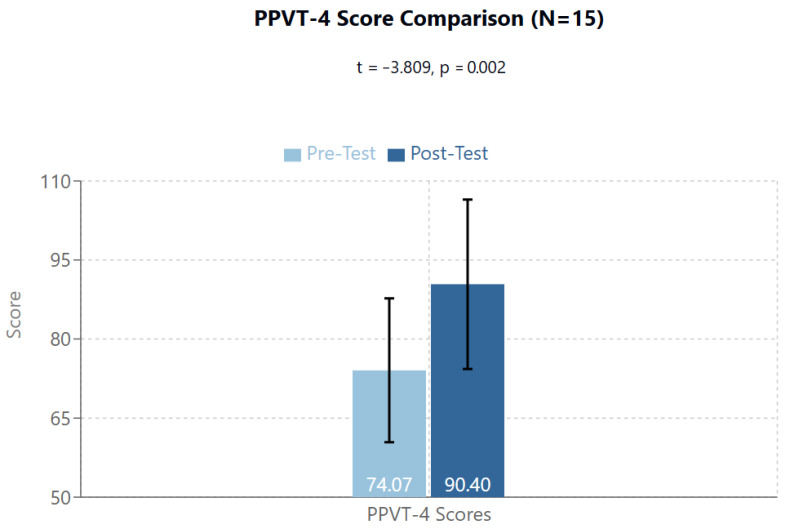
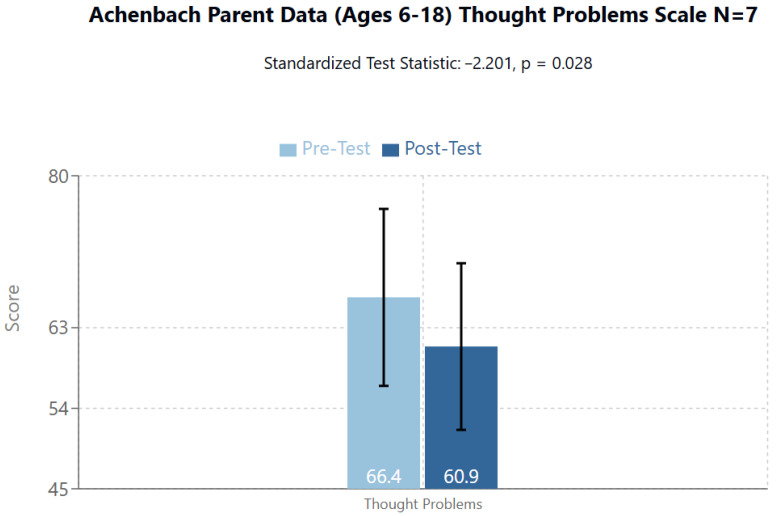
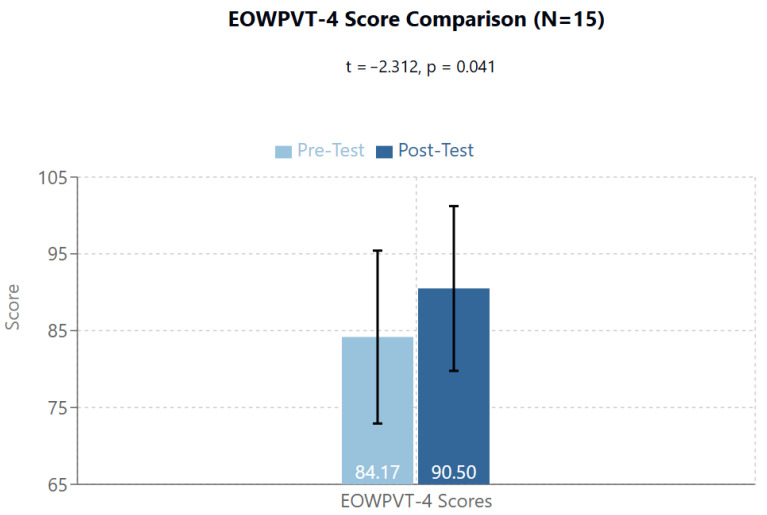
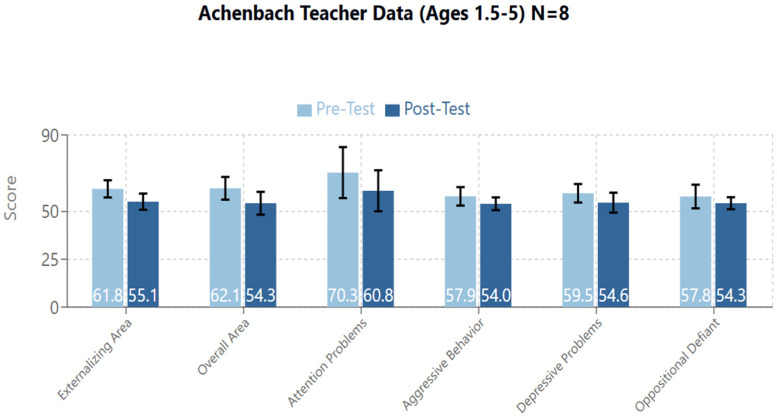
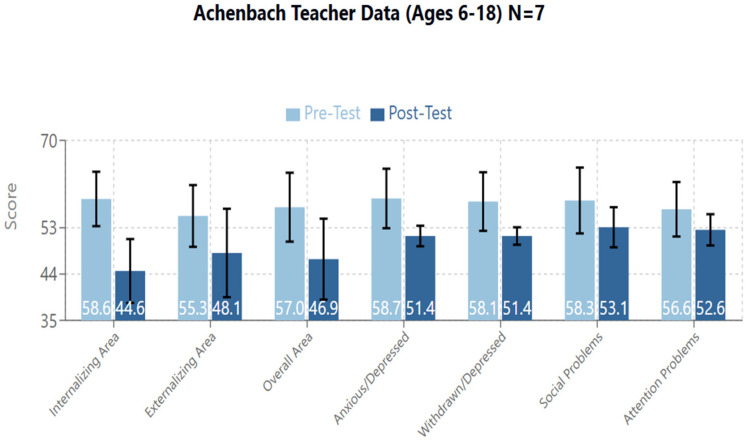
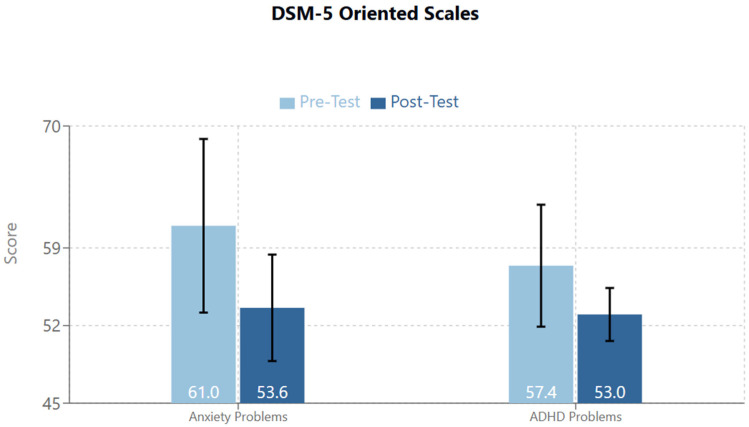
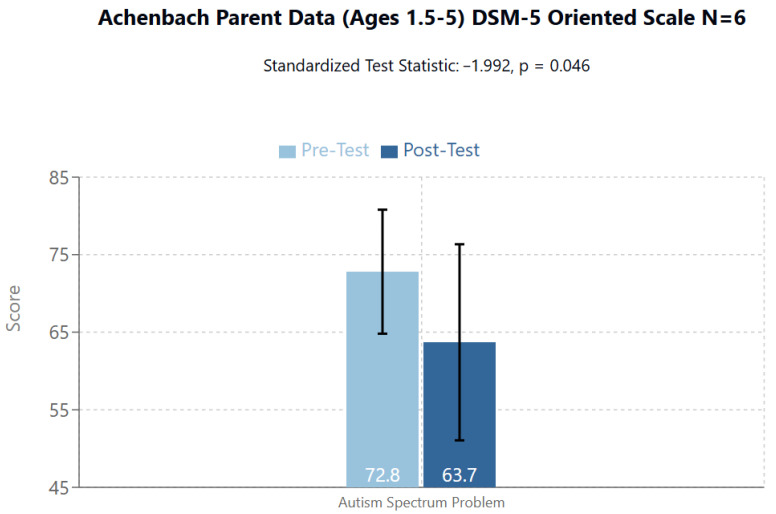
Statistically significant improvements were observed in receptive language (PPVT-4: from 74.07 to 90.40, = 0.002) and expressive language (EOWPVT-4: from 84.17 to 90.50, = 0.041). Notable reductions, with statistical significance, were found in externalizing problems across both age groups (1.5-5 years: = 0.028; 6-18 years: = 0.027), with particular improvement in attention and behavioral problems. The results were observed over a short period of 15 weeks, therefore excluding the possibility of coincidental age-related gains, that would typically occur during a normal developmental timeframe. Parent evaluations showed significant reduction in ASD symptoms, particularly in the 1.5-5 years group ( = 0.046).
ELF-EMF treatment demonstrated a high safety profile and efficacy in mitigating ASD-related symptoms. The observed improvements suggest both direct effects on central and autonomic nervous systems and indirect effects through inflammatory response modulation. Further studies are needed to confirm these promising results through broader demographics and randomized control designs.
背景/目的:自闭症谱系障碍(ASD)是神经发育障碍,其特征为社交互动、沟通及重复行为方面存在挑战。患有ASD的人可能会表现出重复行为、独特的学习方式以及与世界互动的不同方式。术语“谱系”反映了ASD在个体中的广泛变异性,包括能力、症状及支持需求的差异,以及以社交互动困难、沟通障碍、兴趣受限和重复行为为特征的病症。炎症在病理生理学中起关键作用,脑脊液中的促炎细胞因子增加。先前经颅磁刺激研究已显示出有前景的结果,表明神经系统对电磁场敏感,有证据表明极低频电磁场(ELF - EMF)治疗可能通过多种途径调节炎症反应,包括减少白细胞介素 - 6和肿瘤坏死因子 - α等促炎细胞因子,以及增强抗炎介质。
这项初步研究纳入了20名确诊为ASD的儿童(年龄2至13岁)。一项为期15周的方案涉及使用SEQEX设备进行ELF - EMF治疗,并设有特定的白天和夜间程序。通过标准化的治疗前和治疗后测试进行评估:阿肯巴克儿童行为量表、皮博迪图片词汇测验 - 4、表达性单字图片词汇测验 - 4和康纳氏3GI。
在接受性语言(PPVT - 4:从74.07提高到90.40,P = 0.002)和表达性语言(EOWPVT - 4:从84.17提高到90.50,P = 0.041)方面观察到具有统计学意义的改善。在两个年龄组(1.5至5岁:P = 0.028;6至18岁:P = 0.027)的外化问题方面发现有显著且具有统计学意义的减少,注意力和行为问题尤其得到改善。这些结果是在短短15周内观察到的,因此排除了通常在正常发育时间范围内会出现的与年龄相关的偶然增长的可能性。家长评估显示ASD症状显著减轻,尤其是在1.5至5岁组(P = 0.046)。
ELF - EMF治疗在减轻ASD相关症状方面显示出高安全性和有效性。观察到的改善表明对中枢和自主神经系统有直接影响,并通过炎症反应调节产生间接影响。需要进一步研究通过更广泛的人群统计和随机对照设计来证实这些有前景的结果。