Chioru Ana, Chirsanova Aurica, Dabija Adriana, Avrămia Ionuț, Boiştean Alina, Chetrariu Ancuța
Faculty of Food Technology, Technical University of Moldova, MD-2004 Chișinău, Moldova.
Faculty of Food Engineering, Stefan cel Mare University of Suceava, 720229 Suceava, Romania.
Foods. 2024 Dec 10;13(24):3982. doi: 10.3390/foods13243982.
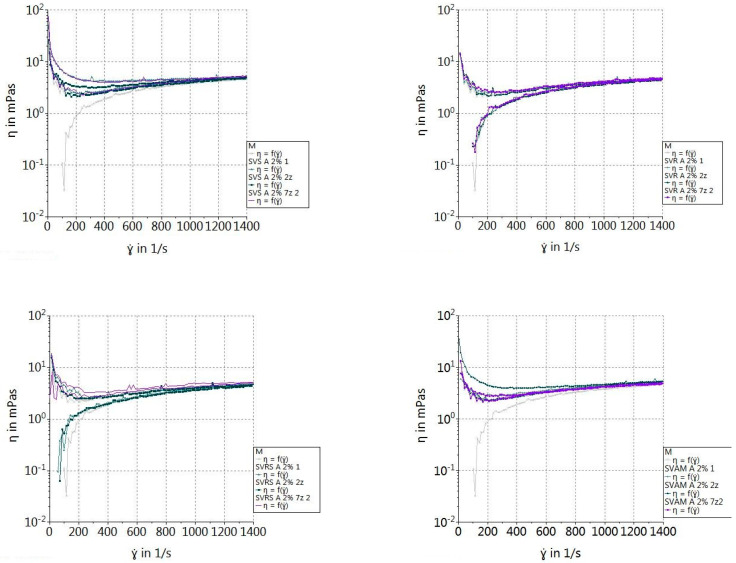
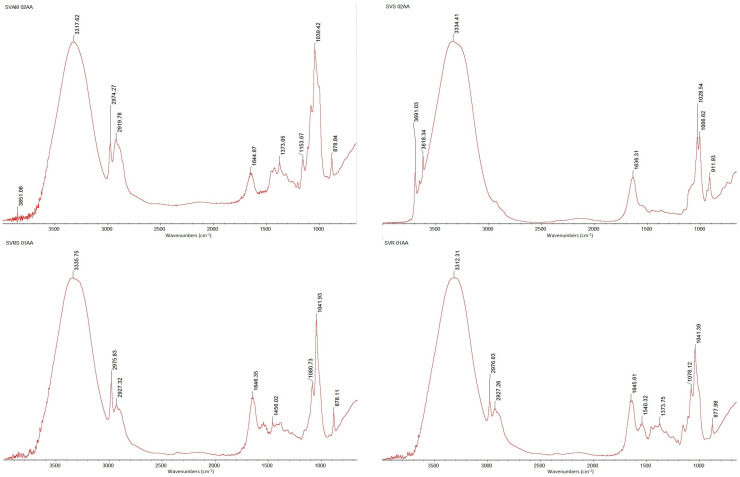
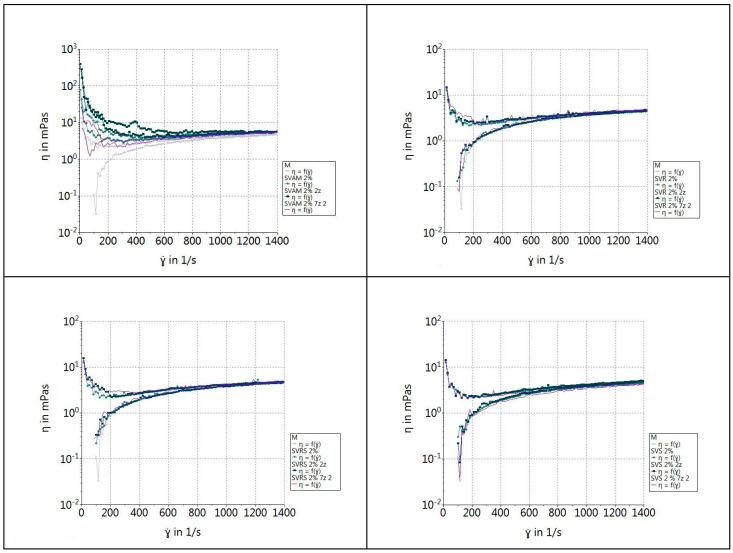
Wine lees, the second most significant by-product of winemaking after grape pomace, have received relatively little attention regarding their potential for valorization. Despite their rich content in bioactive components such as β-glucans, industrial utilization faces challenges, particularly due to variability in their composition. This inconsistency impacts the reliability and standardization of final products, limiting broader adoption in industrial applications. β-Glucans are dietary fibers or polysaccharides renowned for their diverse bioactive properties, including immunomodulatory, antioxidant, anti-inflammatory, antitumor, and cholesterol- and glucose-lowering effects. They modulate the immune system by activating Dectin-1 and TLR receptors on immune cells, enhancing phagocytosis, cytokine production, and adaptive immune responses. Their antioxidant activity arises from neutralizing free radicals and reducing oxidative stress, thereby protecting cells and tissues. β-Glucans also exhibit antitumor effects by inhibiting cancer cell growth, inducing apoptosis, and preventing angiogenesis, the formation of new blood vessels essential for tumor development. Additionally, they lower cholesterol and glucose levels by forming a viscous gel in the intestine, which reduces lipid and carbohydrate absorption, improving metabolic health. The biological activity of β-glucans varies with their molecular weight and source, further highlighting their versatility and functional potential. This study investigates how grape variety, vinification technology and extraction methods affect the yield and properties of β-glucans extracted from wine lees. The physico-chemical and mineral composition of different wine lees were analyzed, and two extraction methods of β-glucans from wine lees were tested: acid-base extraction and autolysis. These two methods were also tested under ultrasound-assisted conditions at different frequencies, as well as without the use of ultrasound. The β-glucan yield and properties were evaluated under different conditions. FTIR spectroscopy was used to assess the functional groups and structural characteristics of the β-glucans extracted from the wine lees, helping to confirm their composition and quality. Rheological behavior of the extracted β-glucans was also assessed to understand the impact of extraction method and raw material origin. The findings highlight that vinification technology significantly affects the composition of wine lees, while both the extraction method and yeast origin influence the yield and type of β-glucans obtained. The autolysis method provided higher β-glucan yields (18.95 ± 0.49% to 39.36 ± 0.19%) compared to the acid-base method (3.47 ± 0.66% to 19.76 ± 0.58%). FTIR spectroscopy revealed that the β-glucan extracts contain a variety of glucan and polysaccharide types, with distinct β-glucans (β-1,4, β-1,3, and β-1,6) identified through specific absorption peaks. The rheological behavior of suspensions exhibited pseudoplastic or shear-thinning behavior, where viscosity decreased significantly as shear rate increased. This behavior, observed across all β-glucan extracts, is typical of polymer-containing suspensions. These insights are critical for optimizing β-glucan extraction processes, supporting sustainability efforts and waste valorization in the wine industry. Efficient extraction of β-glucans from natural sources like wine lees offers a promising path toward their industrial application as valuable functional compounds.
酒泥是酿酒过程中仅次于葡萄皮渣的第二大重要副产品,其增值潜力相对较少受到关注。尽管酒泥中富含β-葡聚糖等生物活性成分,但工业利用面临挑战,尤其是由于其成分的变异性。这种不一致性影响了最终产品的可靠性和标准化,限制了其在工业应用中的更广泛采用。β-葡聚糖是膳食纤维或多糖,以其多样的生物活性特性而闻名,包括免疫调节、抗氧化、抗炎、抗肿瘤以及降低胆固醇和血糖的作用。它们通过激活免疫细胞上的Dectin-1和TLR受体来调节免疫系统,增强吞噬作用、细胞因子产生和适应性免疫反应。其抗氧化活性源于中和自由基和降低氧化应激,从而保护细胞和组织。β-葡聚糖还通过抑制癌细胞生长、诱导细胞凋亡和阻止血管生成(肿瘤发展所必需的新血管形成)来发挥抗肿瘤作用。此外,它们通过在肠道中形成粘性凝胶来降低胆固醇和血糖水平,减少脂质和碳水化合物的吸收,改善代谢健康。β-葡聚糖的生物活性因其分子量和来源而异,进一步突出了它们的多功能性和功能潜力。本研究调查了葡萄品种、酿造技术和提取方法如何影响从酒泥中提取的β-葡聚糖的产量和性质。分析了不同酒泥的物理化学和矿物质组成,并测试了从酒泥中提取β-葡聚糖的两种方法:酸碱提取法和自溶法。这两种方法还在不同频率的超声辅助条件下以及不使用超声的情况下进行了测试。在不同条件下评估了β-葡聚糖的产量和性质。傅里叶变换红外光谱(FTIR)用于评估从酒泥中提取的β-葡聚糖的官能团和结构特征,有助于确认其组成和质量。还评估了提取的β-葡聚糖的流变行为,以了解提取方法和原料来源的影响。研究结果表明,酿造技术显著影响酒泥的组成,而提取方法和酵母来源都影响所获得的β-葡聚糖的产量和类型。与酸碱法(3.47±0.66%至19.76±0.58%)相比,自溶法提供了更高的β-葡聚糖产量(18.95±0.49%至39.36±0.19%)。FTIR光谱显示,β-葡聚糖提取物包含多种葡聚糖和多糖类型,通过特定吸收峰鉴定出了不同的β-葡聚糖(β-1,4、β-1,3和β-1,6)。悬浮液的流变行为表现为假塑性或剪切变稀行为,即随着剪切速率增加,粘度显著降低。在所有β-葡聚糖提取物中都观察到这种行为,这是含聚合物悬浮液的典型行为。这些见解对于优化β-葡聚糖提取工艺、支持葡萄酒行业的可持续发展努力和废物增值至关重要。从酒泥等天然来源高效提取β-葡聚糖为其作为有价值的功能化合物的工业应用提供了一条有前景的途径。