Noda Kazuhiro, Kasama Toshihiro, Shinohara Marie, Hamada Masakaze, Matsunaga Yukiko T, Takai Madoka, Ishii Yoshikazu, Miyake Ryo
Bioengineering, School of Engineering, The University of Tokyo, Tokyo 113-8656, Japan.
Institute of Industrial Science, The University of Tokyo, Tokyo 153-8505, Japan.
Micromachines (Basel). 2024 Dec 20;15(12):1517. doi: 10.3390/mi15121517.
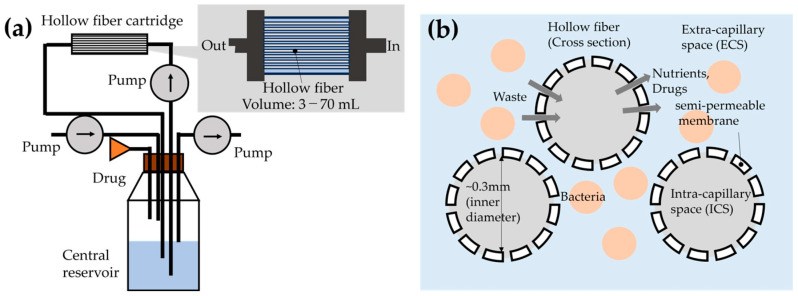
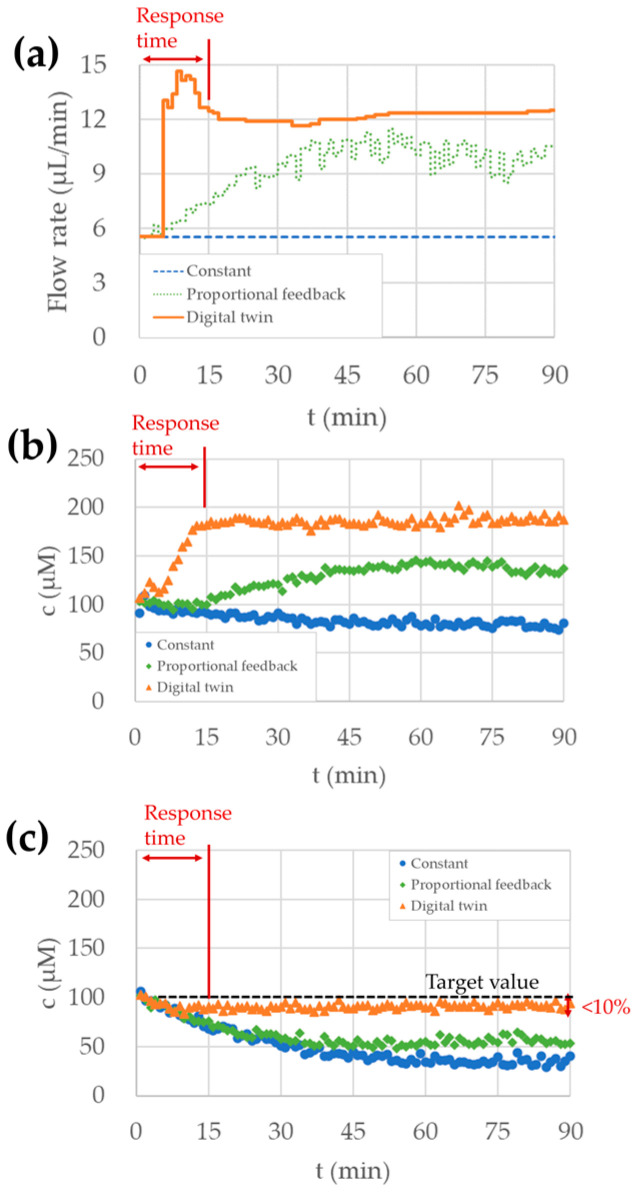
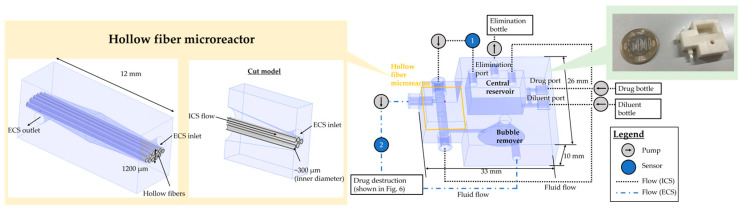
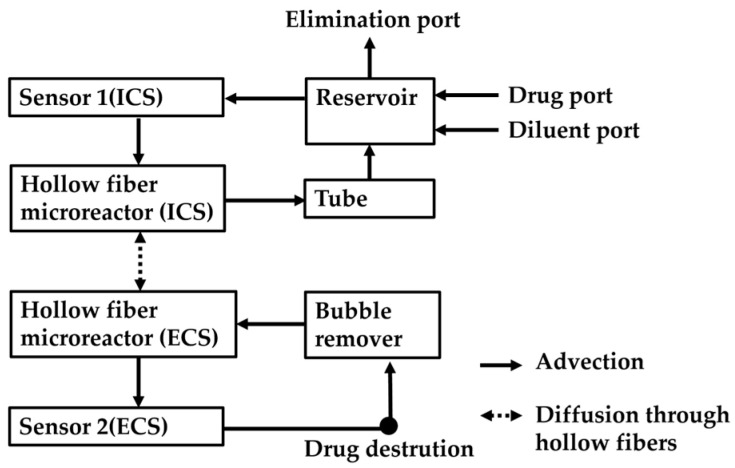
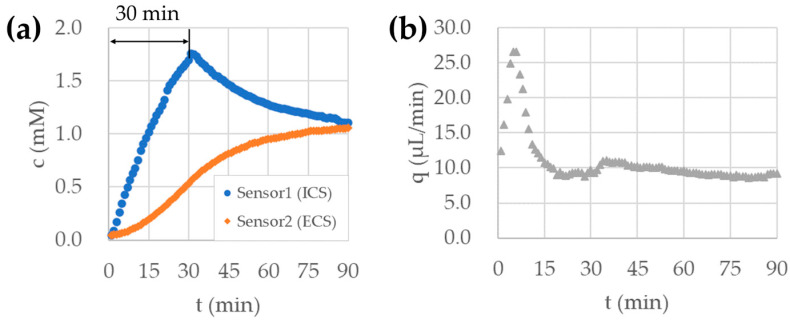
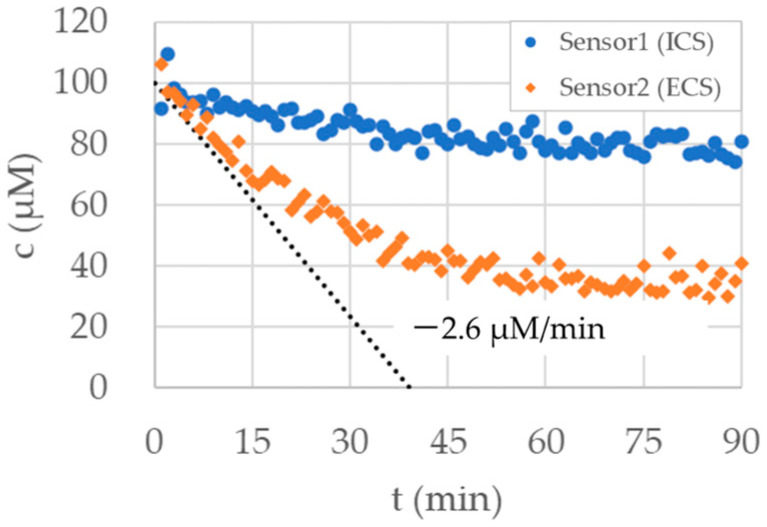
In order to reproduce pharmacokinetics (PK) profiles seen in vivo, the Hollow Fiber Infection Model (HFIM) is a useful in vitro module in the evaluation of antimicrobial resistance. In order to reduce the consumption of culture medium and drugs, we developed a hollow fiber microreactor applicable to the HFIM by integrating the HFIM function. Next, we constructed a novel control method by using the "digital twin" of the microreactor to achieve precise concentration control. By integrating functions of the HFIM, the extra-capillary space volume was reduced to less than 1/10 of conventional HFIM. The control method with the digital twin can keep drug concentration in the extra-capillary space within an error of 10% under simulated drug destruction. The control method with the digital twin can also stabilize the drug concentration both in the intra-capillary space and the extra-capillary space within 15 min.
为了重现体内所见的药代动力学(PK)特征,中空纤维感染模型(HFIM)是评估抗菌药物耐药性时一种有用的体外模型。为了减少培养基和药物的消耗,我们通过整合HFIM功能开发了一种适用于HFIM的中空纤维微反应器。接下来,我们利用微反应器的“数字孪生”构建了一种新型控制方法,以实现精确的浓度控制。通过整合HFIM的功能,毛细血管外空间体积减少到传统HFIM的十分之一以下。在模拟药物破坏情况下,数字孪生控制方法可使毛细血管外空间的药物浓度保持在10%的误差范围内。数字孪生控制方法还能在15分钟内稳定毛细血管内空间和毛细血管外空间的药物浓度。