Diep Nguyen Van, Hayakawa-Sugaya Yuiko, Ishikawa Shingo, Kawaguchi Hiroaki, Suda Yasuo, Esaki Mana, Okuya Kosuke, Ozawa Makoto
Joint Faculty of Veterinary Medicine, Kagoshima University, Kagoshima 890-0065, Japan.
IDEAS Swine Clinic, Asahi 289-2505, Japan.
Pathogens. 2024 Nov 21;13(12):1026. doi: 10.3390/pathogens13121026.
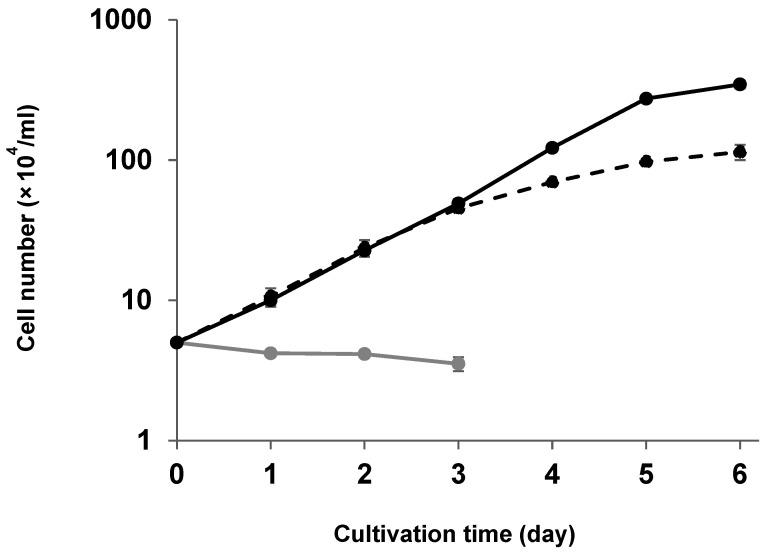
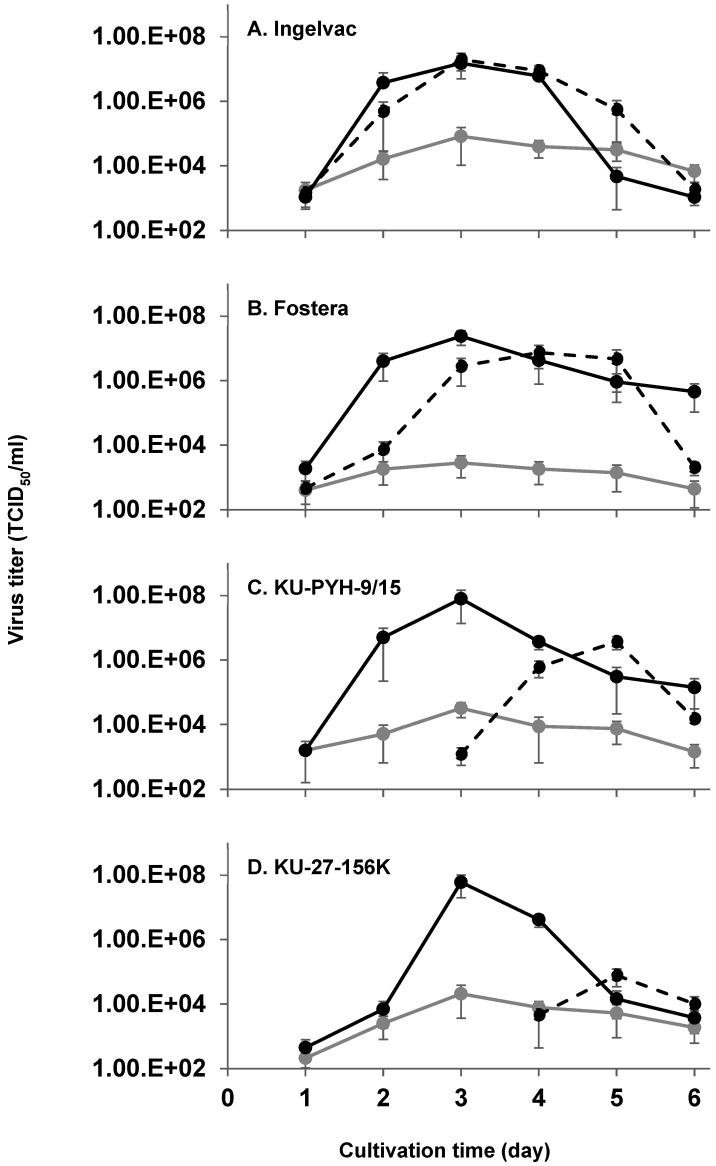
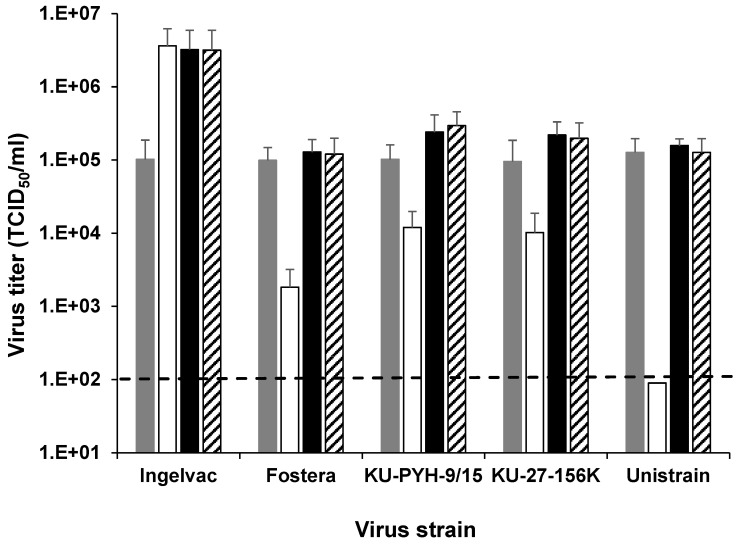
Porcine reproductive and respiratory syndrome (PRRS), which is caused by the porcine reproductive and respiratory syndrome virus (PRRSV), has a significant impact on the global pork industry. It results in reproductive failure in sows and respiratory issues in pigs of all ages. Despite the availability of vaccines, controlling the PRRSV remains challenging, partly owing to the limitations of cell culture systems. Current methods largely rely on primary porcine alveolar macrophages (PAMs), which must be harvested from piglets and have limited proliferative capacity. Although some simian cell lines support PRRSV replication, their inability to express porcine CD163, which is a key receptor for PRRSV entry, compromises their effectiveness, because the virus replicates differently in these non-target cells. To address these issues, we established an immortalized PAM cell line, PAM-T43, using SV40 large T antigen for immortalization and porcine serum as a culture supplement. PAM-T43 cells maintain essential macrophage functions, including CD163 expression and phagocytic activity, and exhibit high sensitivity to the PRRSV, efficiently supporting viral replication. This novel cell line offers significant potential for advancing PRRSV research, particularly in vaccine development and field strain isolation, by overcoming the limitations of current systems.
猪繁殖与呼吸综合征(PRRS)由猪繁殖与呼吸综合征病毒(PRRSV)引起,对全球猪肉行业产生重大影响。它会导致母猪繁殖失败以及各年龄段猪的呼吸问题。尽管有疫苗可用,但控制PRRSV仍然具有挑战性,部分原因是细胞培养系统的局限性。目前的方法主要依赖原代猪肺泡巨噬细胞(PAM),这些细胞必须从小猪中采集,且增殖能力有限。虽然一些猴细胞系支持PRRSV复制,但它们无法表达猪CD163(PRRSV进入的关键受体),这损害了它们的有效性,因为病毒在这些非靶细胞中的复制方式不同。为了解决这些问题,我们利用SV40大T抗原进行永生化并使用猪血清作为培养补充剂,建立了一个永生化的PAM细胞系PAM-T43。PAM-T43细胞保持基本的巨噬细胞功能,包括CD163表达和吞噬活性,并对PRRSV表现出高敏感性,能有效支持病毒复制。通过克服当前系统的局限性,这种新型细胞系在推进PRRSV研究方面具有巨大潜力,特别是在疫苗开发和田间毒株分离方面。