Wagner Nicole, Valeriano Valerie Diane, Diou-Hirtz Samuel, Björninen Evelina, Åkerström Ulf, Engstrand Lars, Schuppe-Koistinen Ina, Gillbro Johanna Maria
Center for Translational Microbiome Research, CTMR, Department of Microbiology, Tumor and Cell Biology (MTC), Science for Life Laboratory, Karolinska Institute, 171 65 Solna, Sweden.
Skinome Research AB, Hornsgatan 172, 117 28 Stockholm, Sweden.
Microorganisms. 2024 Dec 21;12(12):2655. doi: 10.3390/microorganisms12122655.
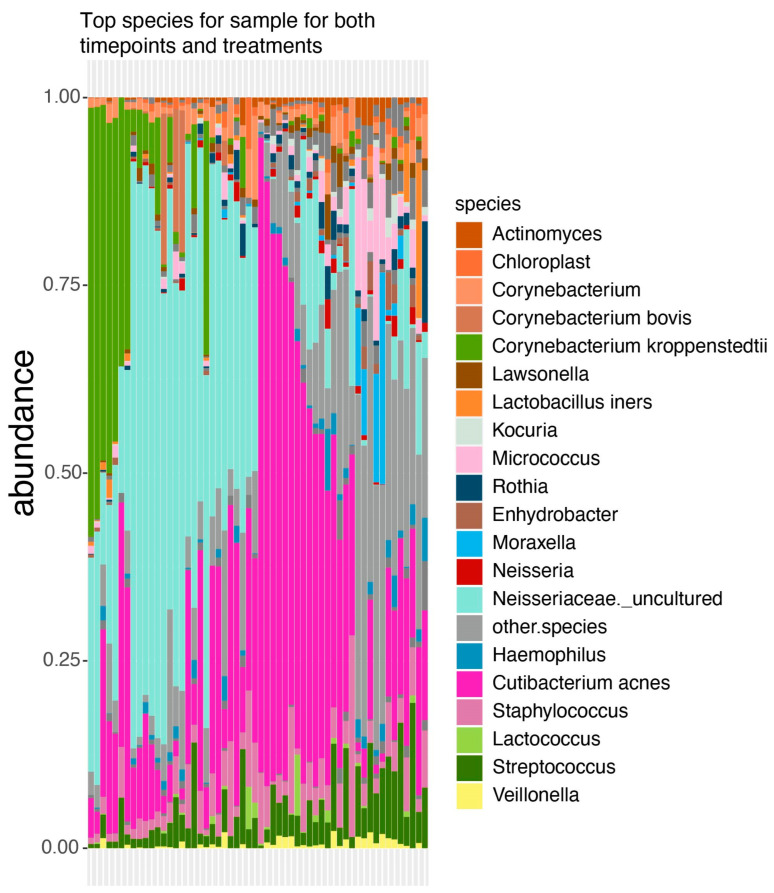
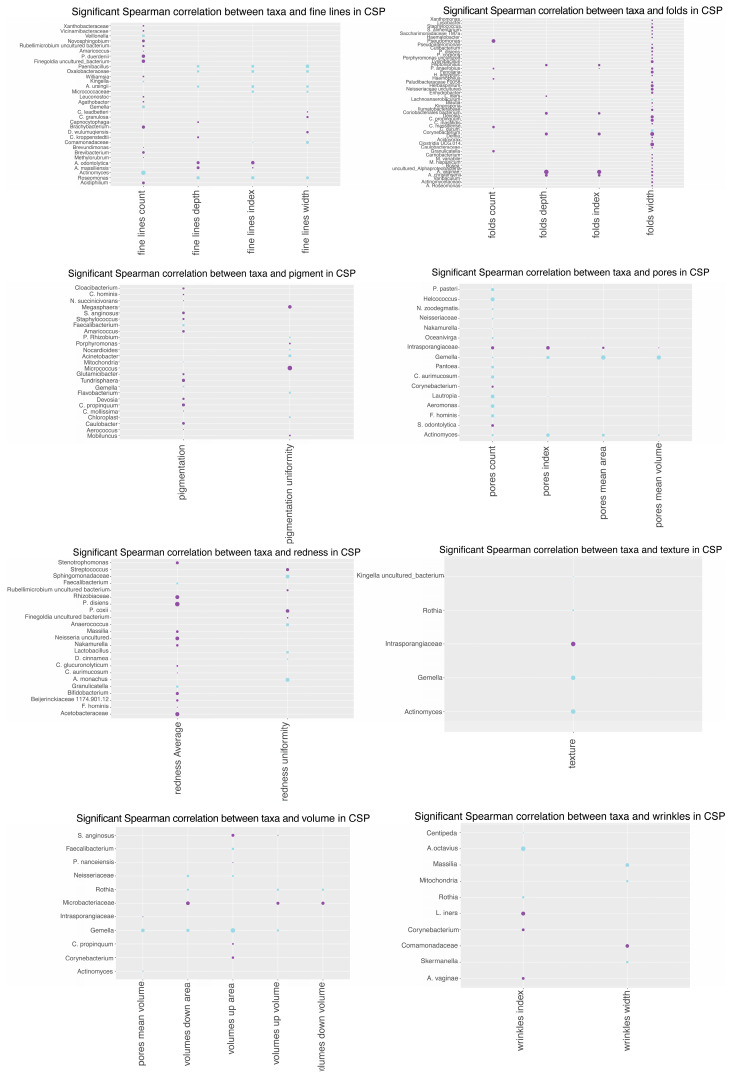
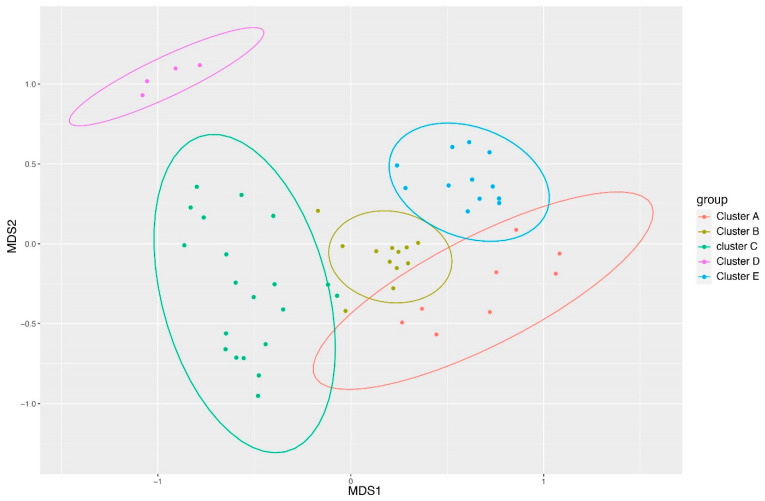
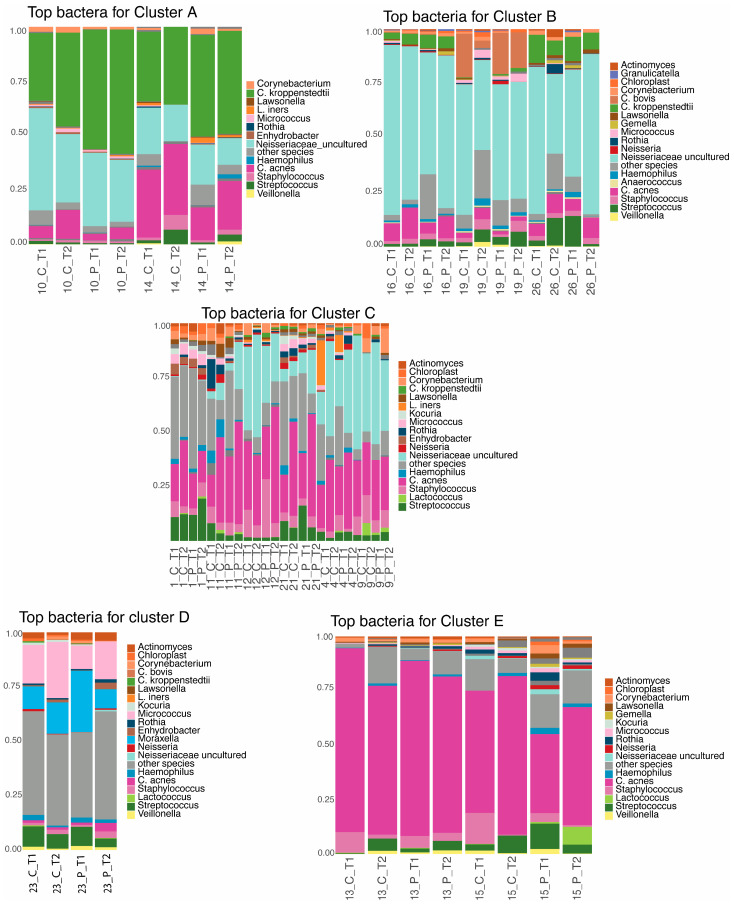
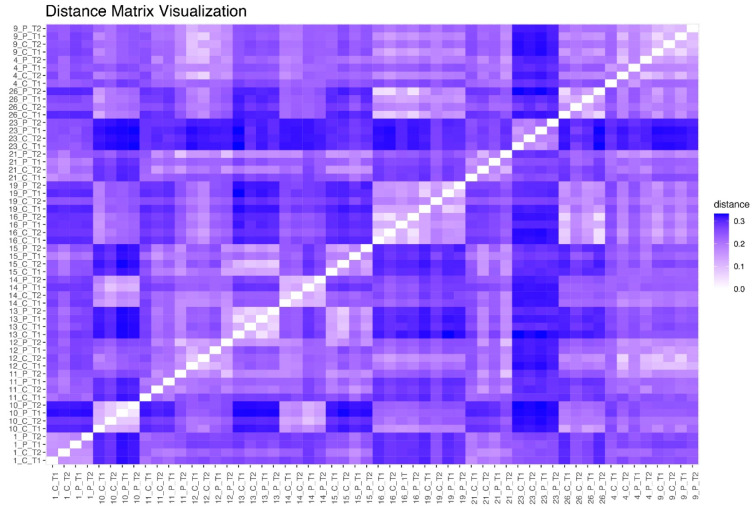
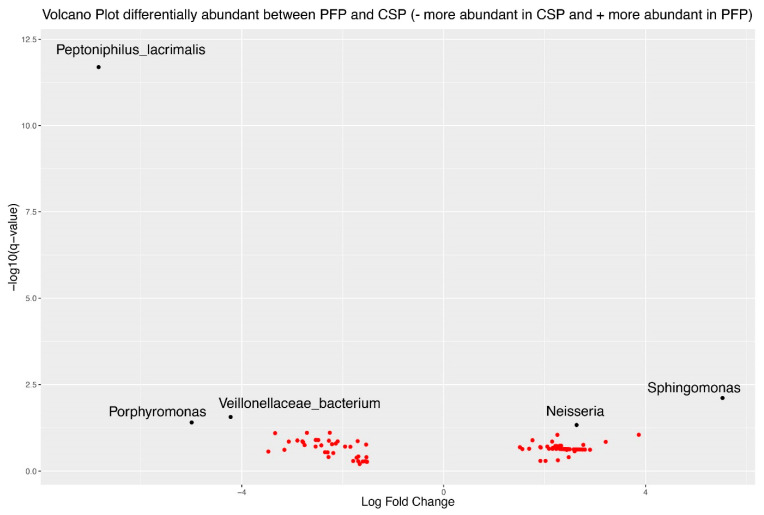
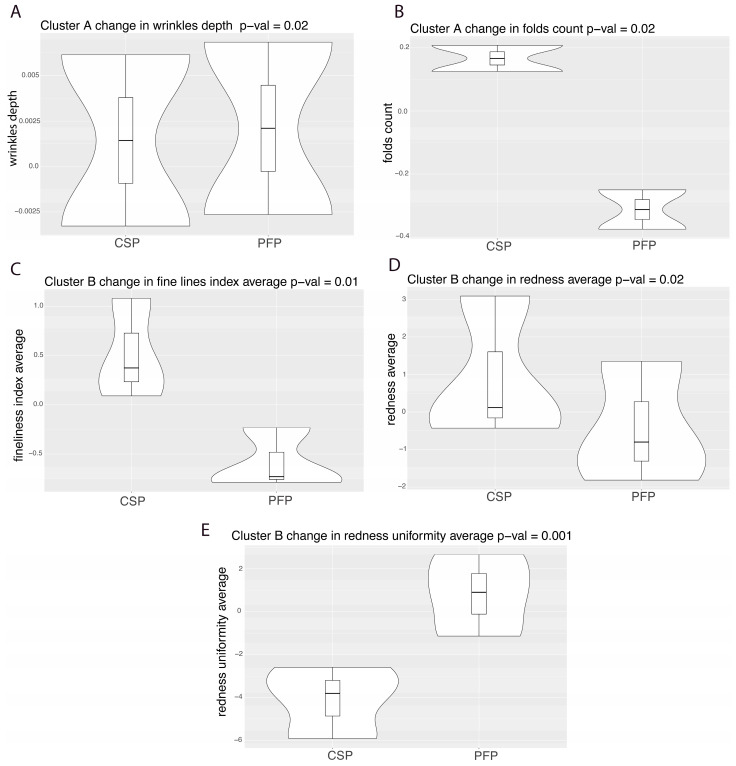
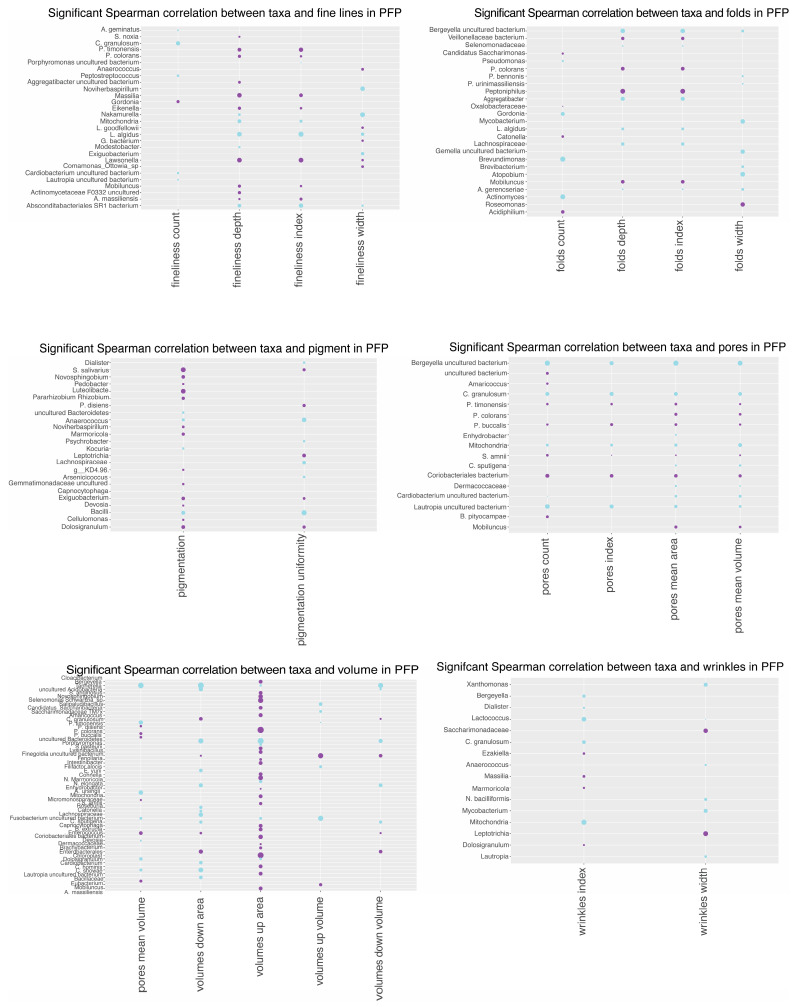
The human skin microbiome, a complex ecosystem of microbes, plays a pivotal role in skin health. This study aimed to investigate the impact of two skincare regimens, with preservatives (CSPs) and preservative-free (PFPs), on the skin microbiome in correlation to skin quality. double-blind randomized cosmetic studywith a split-face design was conducted on 26 female participants. Microbial diversity and abundance were analyzed using 16S rRNA amplicon sequence data and skin quality utilizing the Antera 3D skin camera. We confirmed earlier studies on the identification of major skin microbial taxa at the genus level, including , , and as a predominant part of the facial skin microbiome. Furthermore, microbiome profile-based subgrouping was employed, which revealed that the cluster, characterized by the Neisseriaceae family as its predominant organism, exhibited significant reduction in folds count, fine lines, and redness after application of PFP compared to CSP. A Spearman correlation analysis highlighted the correlation between changes in specific bacteria and skin quality parameters such as redness, pores, and texture in the context of comparing PFP and CSP. Overall, the PFP treatment demonstrated a greater number of significant correlations between bacterial changes and skin quality compared to the CSP treatment, suggesting a distinct impact of the preservative-free skincare regimen on the skin microbiome and skin quality. Our study provides insights into different microbiome-centered approaches to improve our understanding of the skin microbiome's interplay with skin quality but also highlights the need for larger, comprehensive research to further understand the microbiome's role in dermatology.
人类皮肤微生物群是一个复杂的微生物生态系统,在皮肤健康中起着关键作用。本研究旨在调查两种护肤方案(含防腐剂的护肤方案和不含防腐剂的护肤方案)对皮肤微生物群的影响及其与皮肤质量的相关性。对26名女性参与者进行了一项采用面部两侧对照设计的双盲随机化妆品研究。利用16S rRNA扩增子序列数据分析微生物多样性和丰度,并使用安特拉3D皮肤相机评估皮肤质量。我们证实了早期关于在属水平上鉴定主要皮肤微生物类群的研究,包括[具体微生物名称缺失]、[具体微生物名称缺失]和[具体微生物名称缺失]是面部皮肤微生物群的主要组成部分。此外,采用了基于微生物群特征的亚组分析,结果显示,以奈瑟菌科为主要微生物的亚组在使用不含防腐剂的护肤方案后,皱纹数量、细纹和泛红情况相比含防腐剂的护肤方案有显著减少。在比较不含防腐剂的护肤方案和含防腐剂的护肤方案时,Spearman相关性分析突出了特定细菌变化与皮肤质量参数(如泛红、毛孔和质地)之间的相关性。总体而言,与含防腐剂的护肤方案相比,不含防腐剂的护肤方案在细菌变化与皮肤质量之间显示出更多显著的相关性,这表明不含防腐剂的护肤方案对皮肤微生物群和皮肤质量有独特的影响。我们的研究为以微生物群为中心的不同方法提供了见解,有助于增进我们对皮肤微生物群与皮肤质量相互作用的理解,但也强调了需要进行更大规模、更全面的研究,以进一步了解微生物群在皮肤病学中的作用。