Sivasuriyan Arvindan, Vijayan Dhanasingh Sivalinga, Devarajan Parthiban, Stefańska Anna, Dixit Saurav, Podlasek Anna, Sitek Wiktor, Koda Eugeniusz
Institute of Civil Engineering, Warsaw University of Life Sciences-SGGW, 02-787 Warsaw, Poland.
Department of Civil Engineering, Aarupadai Veedu Institute of Technology, Vinayaka Missions Research Foundation, Paiyanoor, Chennai 603104, India.
Sensors (Basel). 2024 Dec 21;24(24):8161. doi: 10.3390/s24248161.
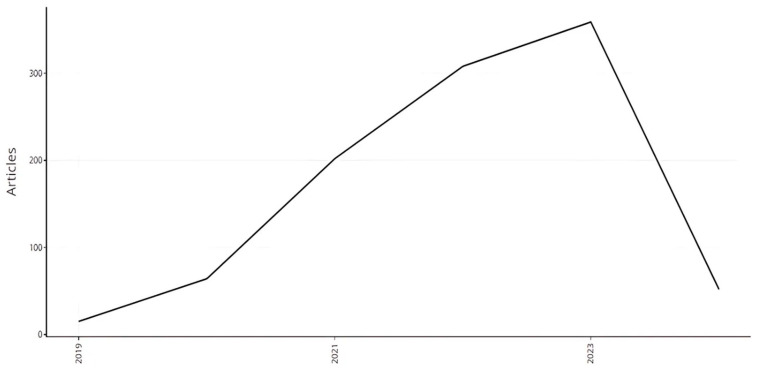
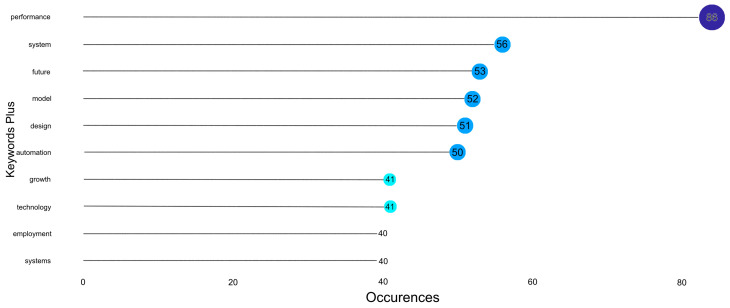
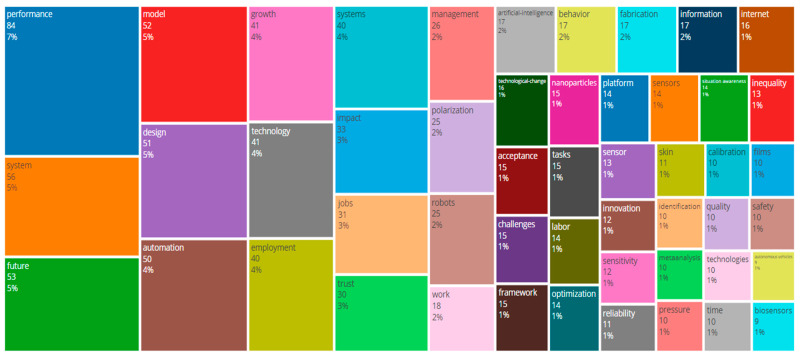
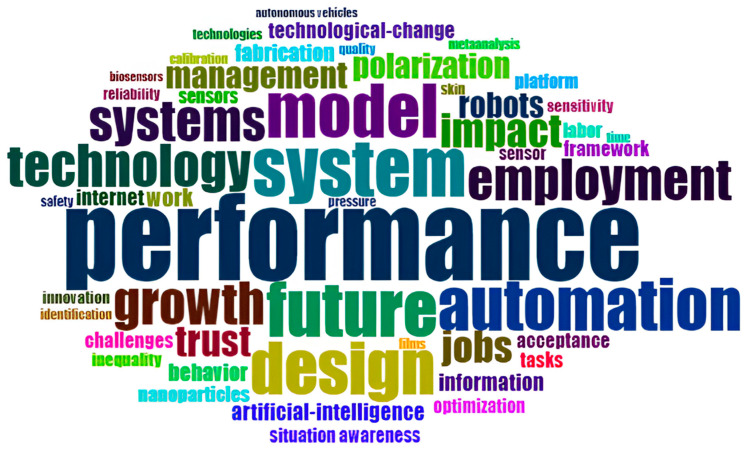
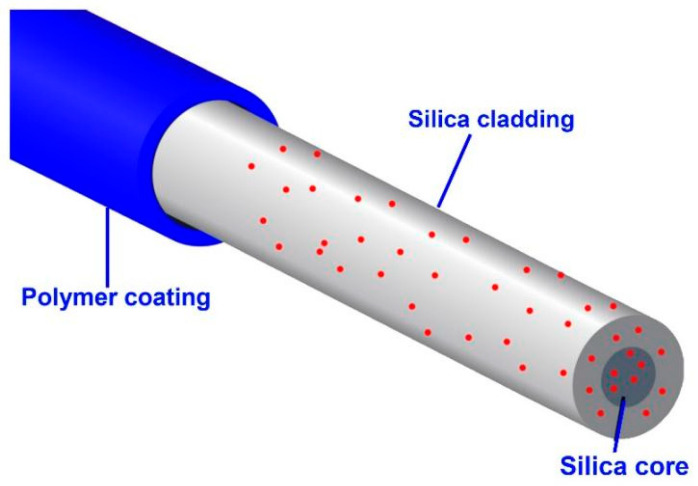
In recent years, civil engineering has increasingly embraced communication tools for automation, with sensors playing a pivotal role, especially in structural health monitoring (SHM). These sensors enable precise data acquisition, measuring parameters like force, displacement, and temperature and transmit data for timely interventions to prevent failures. This approach reduces reliance on manual inspections, offering more accurate outcomes. This review explores various sensor technologies in SHM, such as piezoelectric, fibre optic, force, MEMS devices, GPS, LVDT, electromechanical impedance techniques, Doppler effect, and piezoceramic sensors, focusing on advancements from 2019 to 2024. A bibliometric analysis of 1468 research articles from WOS and Scopus databases shows a significant increase in publications, from 15 in 2019 to 359 in 2023 and 52 in 2024 (and still counting). This analysis identifies emerging trends and applications in smart sensor integration in civil and structural health monitoring, enhancing safety and efficiency in infrastructure management.
近年来,土木工程越来越多地采用通信工具实现自动化,传感器发挥着关键作用,尤其是在结构健康监测(SHM)中。这些传感器能够实现精确的数据采集,测量力、位移和温度等参数,并传输数据以便及时进行干预以防止故障。这种方法减少了对人工检查的依赖,提供了更准确的结果。本综述探讨了结构健康监测中的各种传感器技术,如压电、光纤、力、微机电系统(MEMS)设备、全球定位系统(GPS)、线性可变差动变压器(LVDT)、机电阻抗技术、多普勒效应和压电陶瓷传感器,重点关注2019年至2024年的进展。对来自Web of Science(WOS)和Scopus数据库的1468篇研究文章进行的文献计量分析表明,出版物数量显著增加,从2019年的15篇增加到2023年的359篇和2024年的52篇(且仍在统计中)。该分析确定了土木和结构健康监测中智能传感器集成的新兴趋势和应用,提高了基础设施管理的安全性和效率。