Werbner Benjamin, Stephens Sophie L, Stuart Deborah, Hotchkiss Travis M, Chapman Jonathan, Funai Katsuhiko, Ramkumar Nirupama, Boudina Sihem
Department of Nutrition and Integrative Physiology, University of Utah, Salt Lake City, Utah, USA.
Division of Nephrology and Hypertension, University of Utah School of Medicine, Salt Lake City, Utah, USA.
Physiol Rep. 2024 Sep;12(18):e70072. doi: 10.14814/phy2.70072.
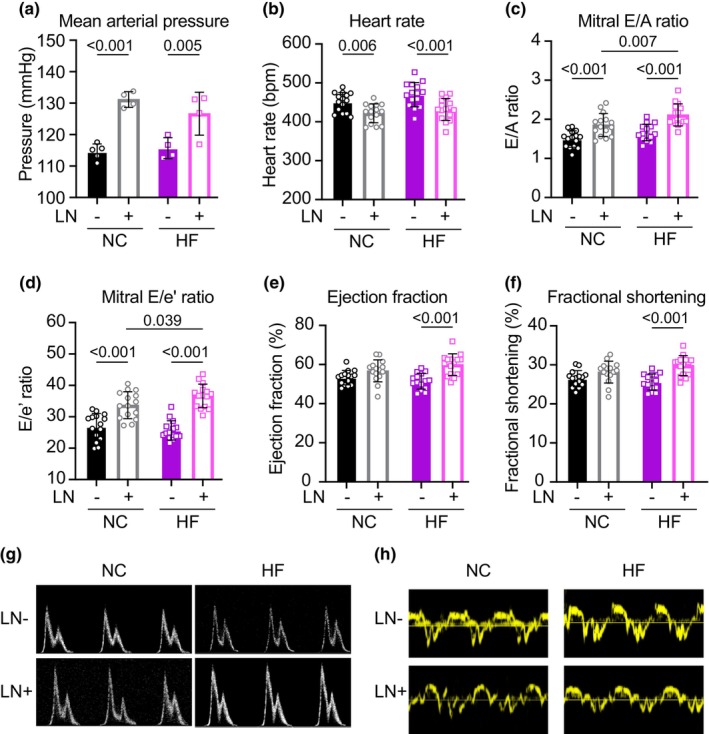
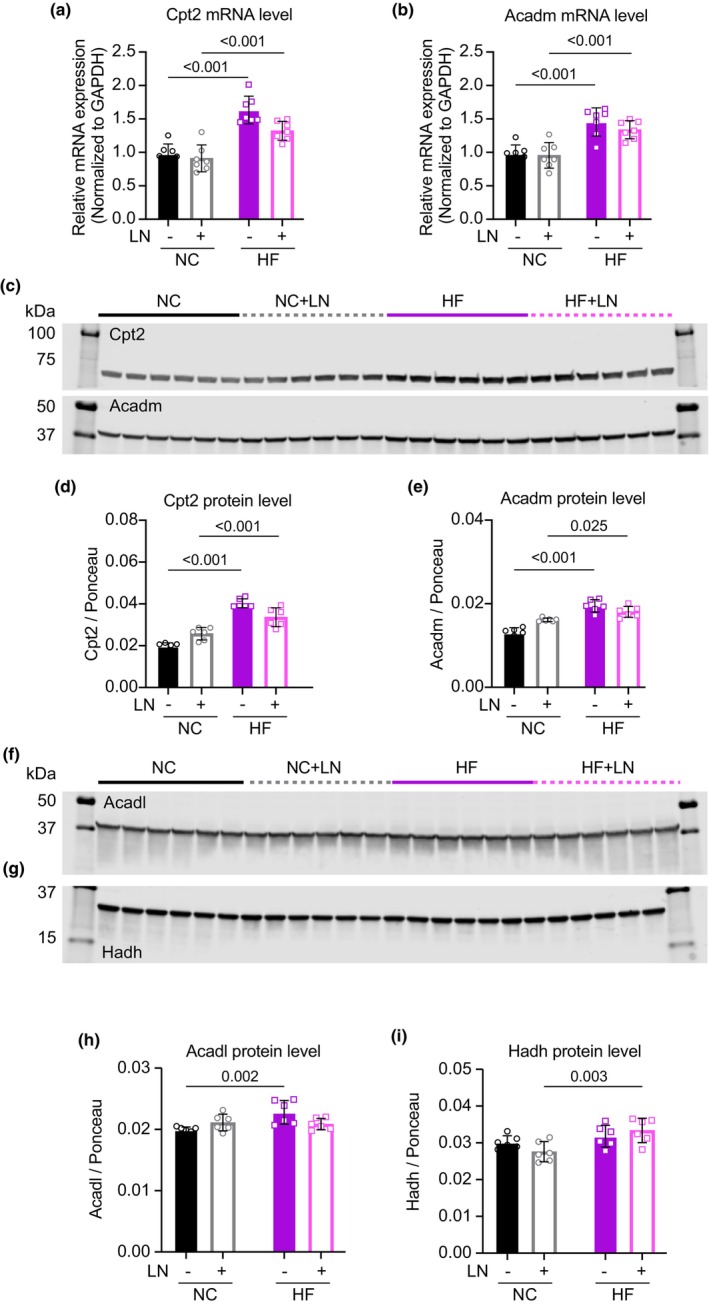
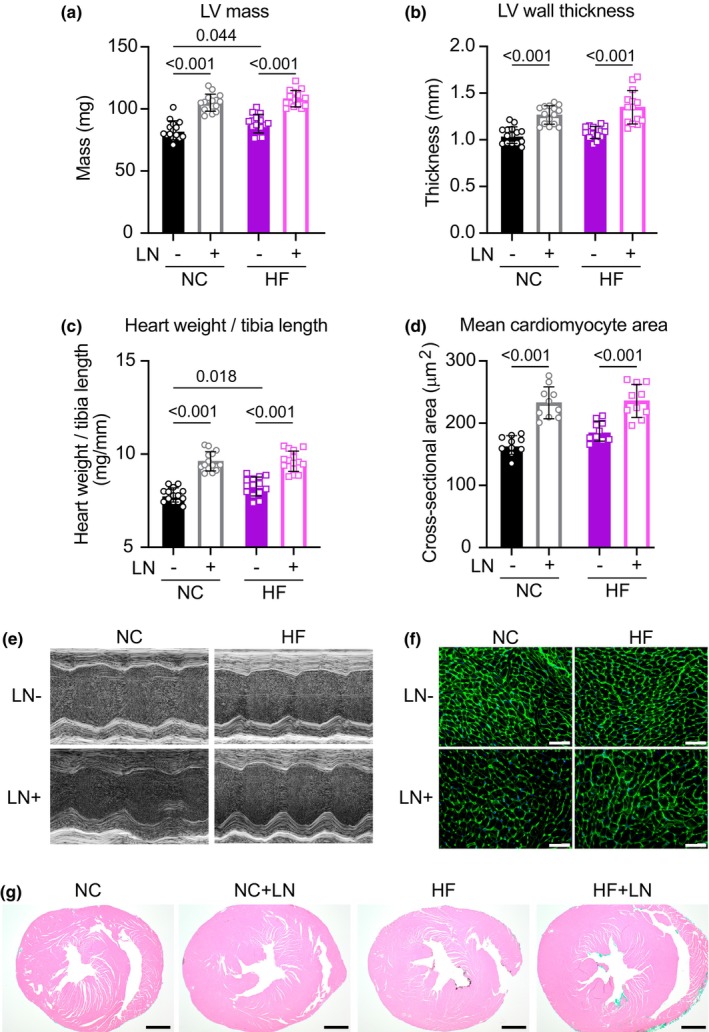
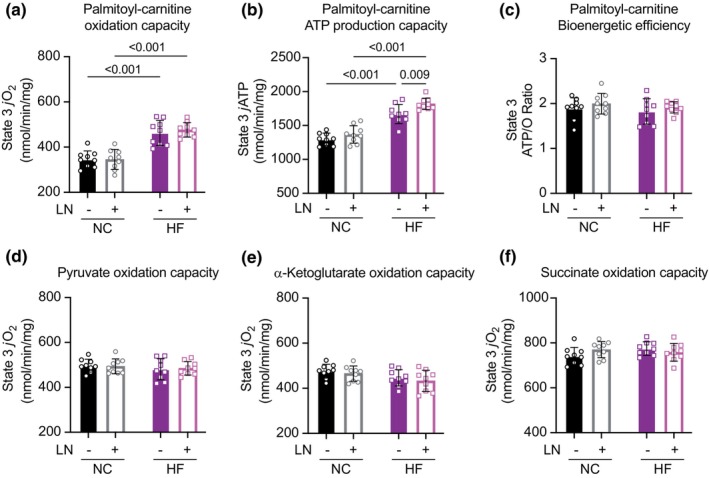
Heart failure with preserved ejection fraction (HFpEF) has recently emerged as an insidiously and increasingly prevalent heart failure phenotype. HFpEF often occurs in the context of hypertension and obesity and presents with diastolic dysfunction, ventricular hypertrophy, and myocardial fibrosis. Despite growing study of HFpEF, the causal links between early metabolic changes, bioenergetic perturbations, and cardiac structural remodeling remain unclear. This study sought to elucidate the contribution of the respective pathophysiological drivers of the HFpEF symptom suite using a recently developed two-hit mouse model. By studying the independent and concomitant consequences of hypertension and obesity-driven metabolic dysfunction on cardiac structure and function, we revealed the causative drivers of cardiac functional, structural, and metabolic remodeling in male HFpEF mice. We found that hypertensive male mice developed diastolic dysfunction and cardiac hypertrophy regardless of obesity status and that obese mice exhibited altered systemic glucose metabolism and increased cardiac mitochondrial fatty-acid metabolism independent of hypertension status. Taken together, our results suggest that the cardiac structural and metabolic HFpEF symptoms in this two-hit model occur as direct results of each of the two "hits." The results of this study help to clarify the pathogenic HFpEF cascade, providing causal insights that may aid in the development of more precisely targeted therapeutics.
射血分数保留的心力衰竭(HFpEF)最近已成为一种隐匿且日益普遍的心力衰竭表型。HFpEF常发生于高血压和肥胖背景下,表现为舒张功能障碍、心室肥厚和心肌纤维化。尽管对HFpEF的研究不断增加,但早期代谢变化、生物能量紊乱与心脏结构重塑之间的因果联系仍不清楚。本研究旨在使用最近开发的双打击小鼠模型阐明HFpEF症状组各自病理生理驱动因素的作用。通过研究高血压和肥胖驱动的代谢功能障碍对心脏结构和功能的独立及伴随影响,我们揭示了雄性HFpEF小鼠心脏功能、结构和代谢重塑的致病驱动因素。我们发现,无论肥胖状态如何,高血压雄性小鼠都会出现舒张功能障碍和心脏肥大,而肥胖小鼠表现出全身葡萄糖代谢改变和心脏线粒体脂肪酸代谢增加,且与高血压状态无关。综上所述,我们的结果表明,在这个双打击模型中,心脏结构和代谢性HFpEF症状是两次“打击”各自直接导致的结果。本研究结果有助于阐明HFpEF的致病级联反应,提供可能有助于开发更精准靶向治疗方法的因果见解。