Werbner Benjamin, Tavakoli-Rouzbehani Omid Mohammad, Fatahian Amir Nima, Boudina Sihem
Department of Nutrition and Integrative Physiology, University of Utah, Salt Lake City, UT 84112, USA.
J Cardiovasc Aging. 2023 Jan;3(1). doi: 10.20517/jca.2022.42. Epub 2023 Jan 3.
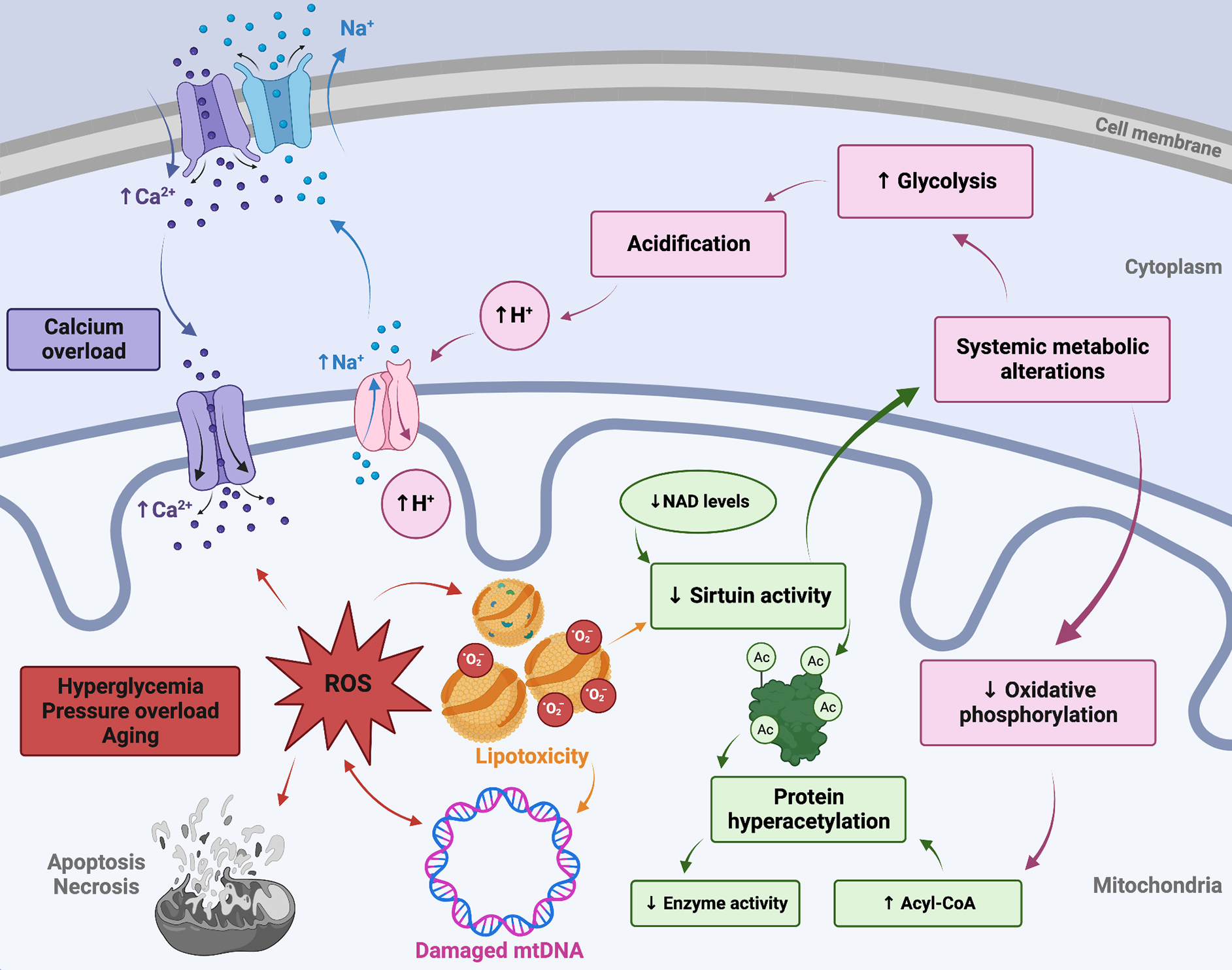
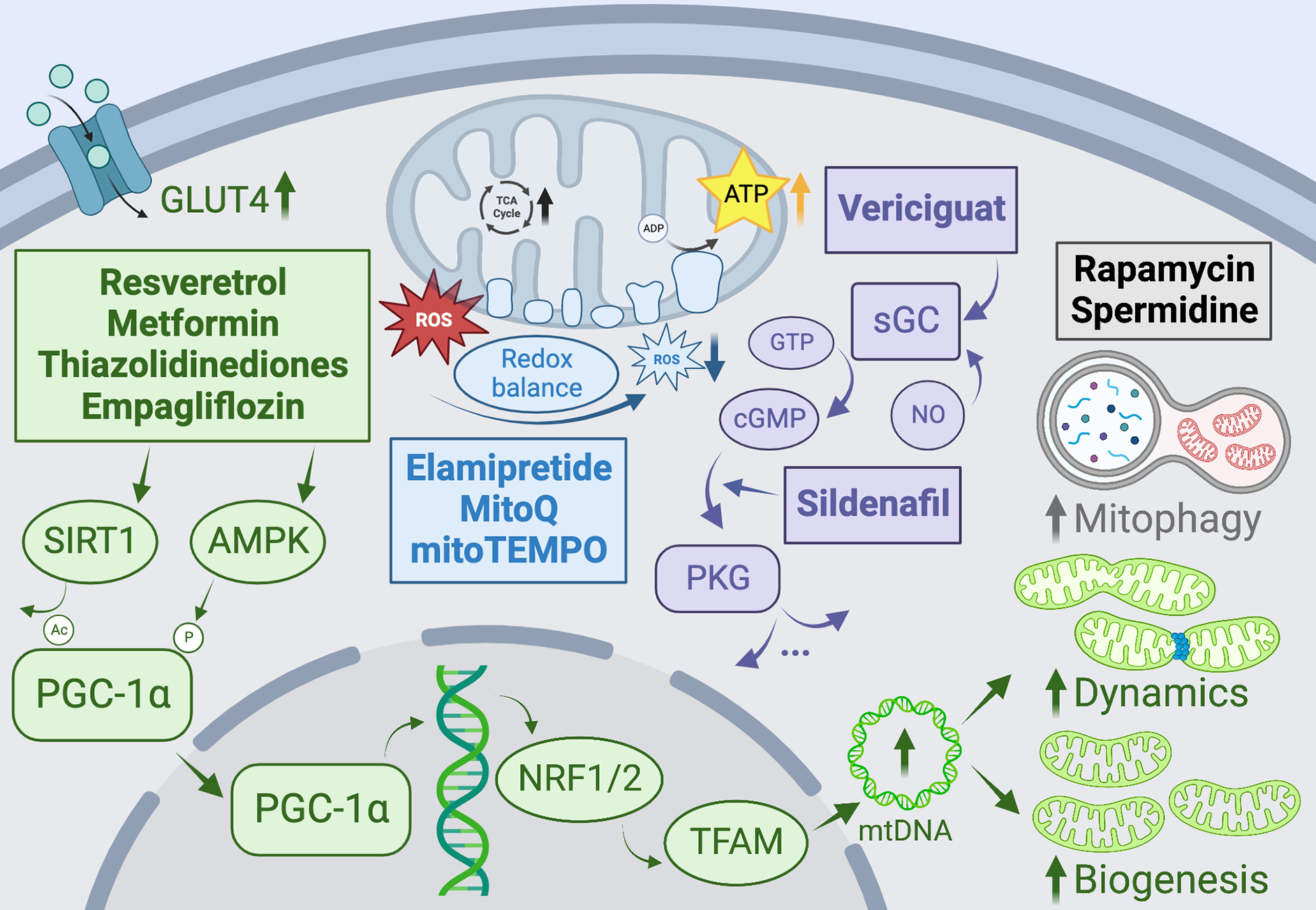
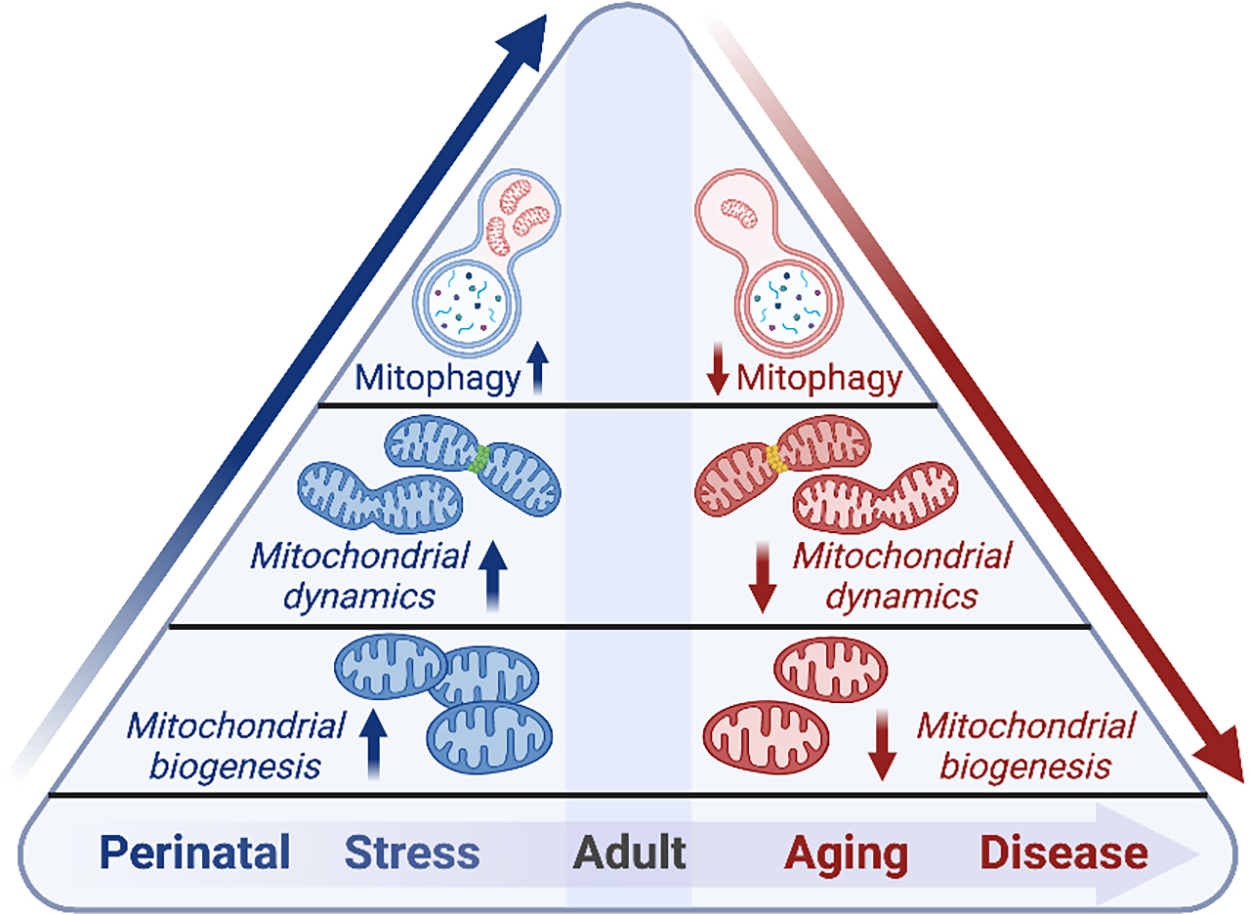
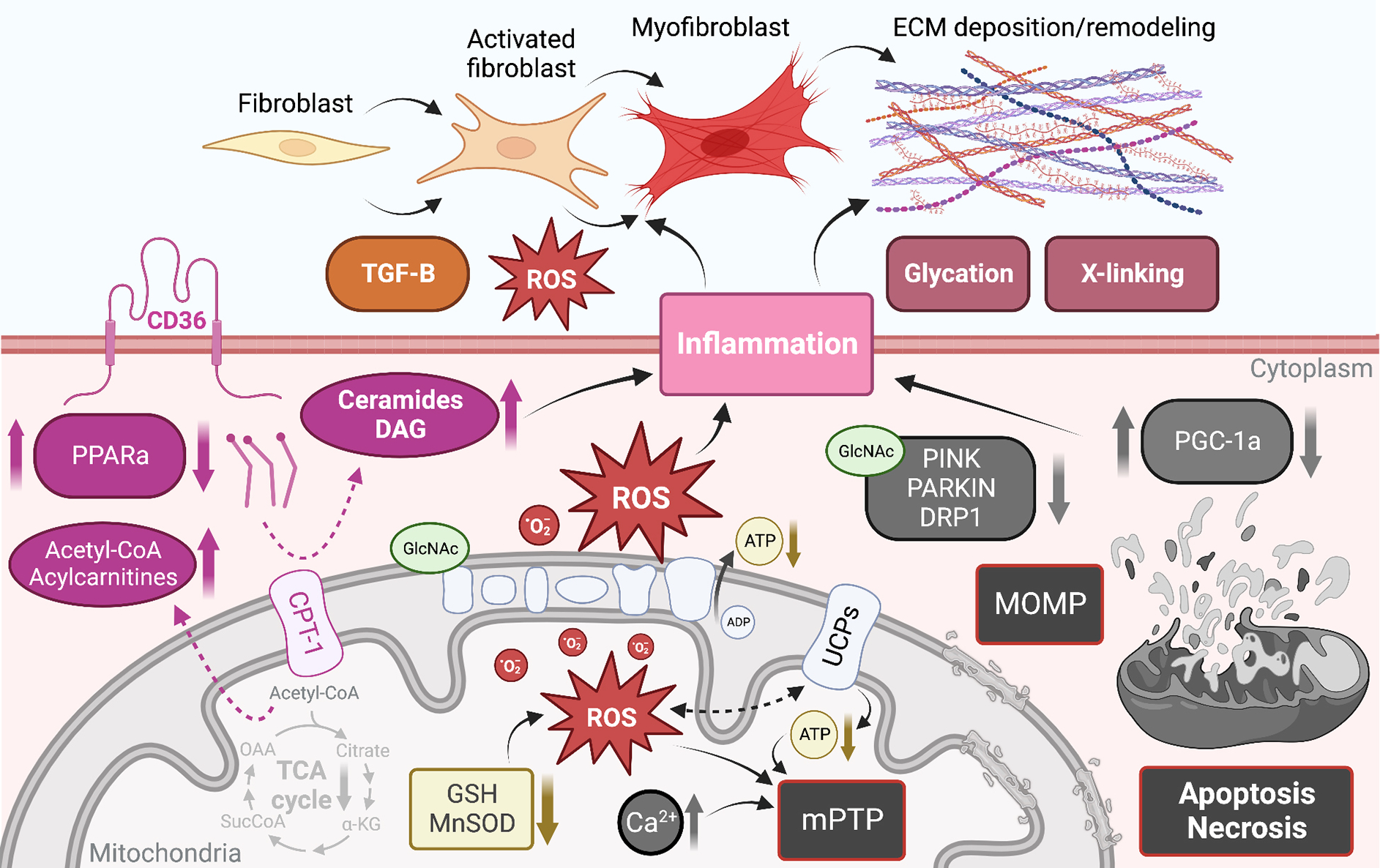
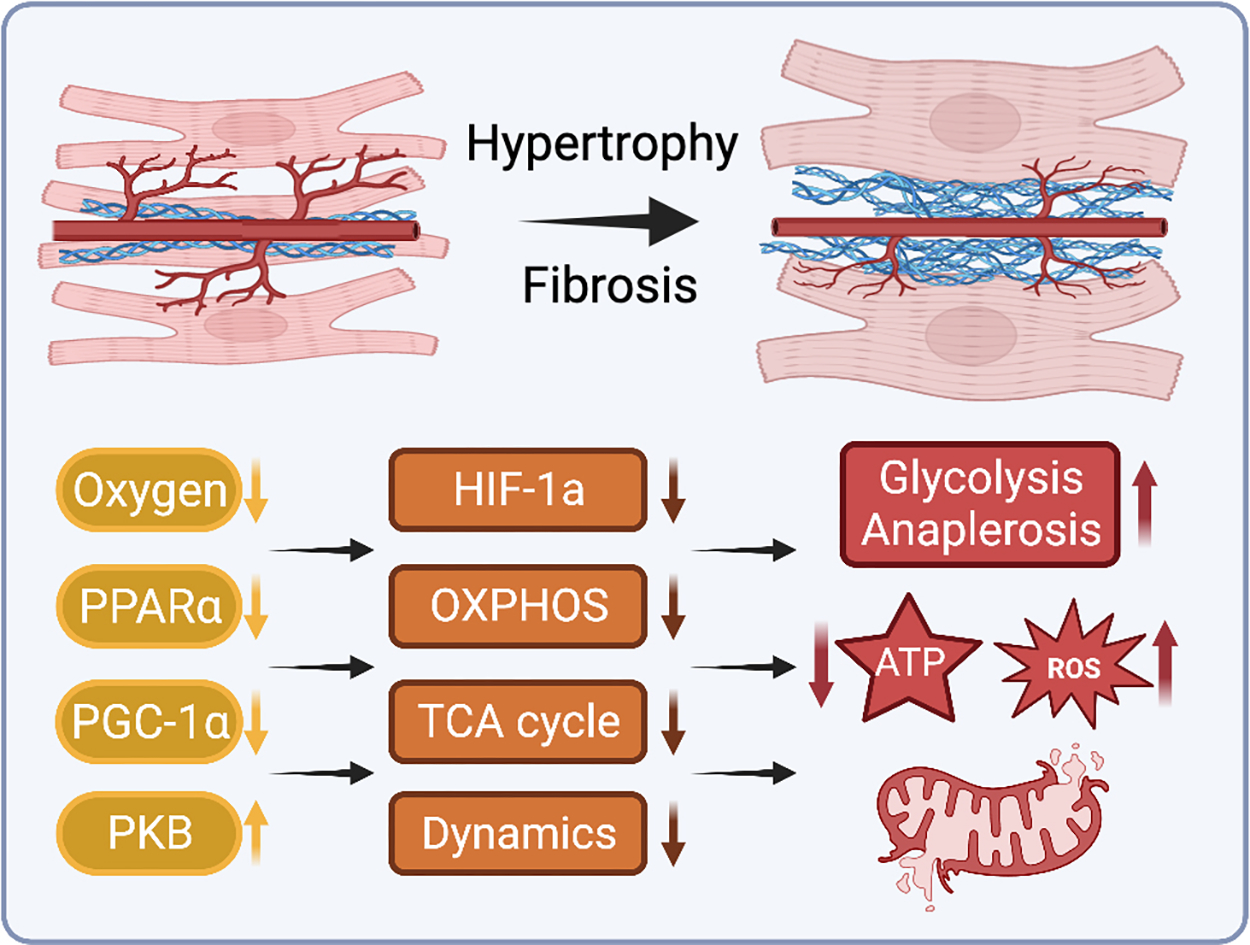
This review provides a holistic perspective on the bi-directional relationship between cardiac mitochondrial dysfunction and myocardial structural remodeling in the context of metabolic heart disease, natural cardiac aging, and heart failure. First, a review of the physiologic and molecular drivers of cardiac mitochondrial dysfunction across a range of increasingly prevalent conditions such as metabolic syndrome and cardiac aging is presented, followed by a general review of the mechanisms of mitochondrial quality control (QC) in the heart. Several important mechanisms by which cardiac mitochondrial dysfunction triggers or contributes to structural remodeling of the heart are discussed: accumulated metabolic byproducts, oxidative damage, impaired mitochondrial QC, and mitochondrial-mediated cell death identified as substantial mechanistic contributors to cardiac structural remodeling such as hypertrophy and myocardial fibrosis. Subsequently, the less studied but nevertheless important reverse relationship is explored: the mechanisms by which cardiac structural remodeling feeds back to further alter mitochondrial bioenergetic function. We then provide a condensed pathogenesis of several increasingly important clinical conditions in which these relationships are central: diabetic cardiomyopathy, age-associated declines in cardiac function, and the progression to heart failure, with or without preserved ejection fraction. Finally, we identify promising therapeutic opportunities targeting mitochondrial function in these conditions.
本综述从整体角度阐述了在代谢性心脏病、心脏自然衰老和心力衰竭的背景下,心脏线粒体功能障碍与心肌结构重塑之间的双向关系。首先,回顾了在一系列日益普遍的情况下,如代谢综合征和心脏衰老,心脏线粒体功能障碍的生理和分子驱动因素,随后对心脏线粒体质量控制(QC)机制进行了全面综述。讨论了心脏线粒体功能障碍触发或促成心脏结构重塑的几个重要机制:累积的代谢副产物、氧化损伤、线粒体QC受损以及线粒体介导的细胞死亡,这些被确定为心脏结构重塑(如肥大和心肌纤维化)的重要机制贡献因素。随后,探讨了研究较少但同样重要的反向关系:心脏结构重塑反馈以进一步改变线粒体生物能量功能的机制。然后,我们总结了几种日益重要的临床病症的简明发病机制,在这些病症中,这些关系是核心:糖尿病性心肌病、与年龄相关的心脏功能下降以及进展为心力衰竭,无论射血分数是否保留。最后,我们确定了在这些情况下针对线粒体功能的有前景的治疗机会。