Taniguchi Hiroaki, Nagasawa Hiroki, Sakai Tatsuro, Ohsaka Hiromichi, Omori Kazuhiko, Yanagawa Youichi
Department of Acute Critical Care Medicine, Shizuoka Hospital, Juntendo University, Japan.
J Rural Med. 2025 Jan;20(1):58-62. doi: 10.2185/jrm.2024-029. Epub 2025 Jan 1.
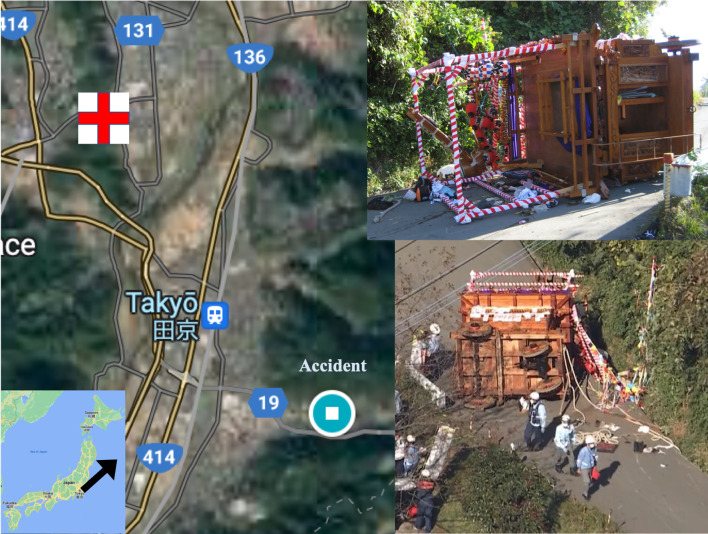
In mass casualty incidents, effective triage, treatment, and transport are critical for efficient management but often deviate from practices and ethical standards. In terms of resource allocation, decentralized transport is the predominant transport method; however, it is not standardized. This report retrospectively analyzed the response to a mass casualty incident at a university emergency center. By centralizing patient transport from the scene, the time to patient transport could be shortened, the burden on the scene related to transport could be reduced, and undertriage at the scene could be avoided. No trauma-related deaths occurred. This case provides a valuable contribution to the understanding of situations in which critical patients may concentrate in emergency centers during future mass-casualty incidents.
在大规模伤亡事件中,有效的分诊、治疗和转运对于高效管理至关重要,但往往偏离了常规做法和道德标准。在资源分配方面,分散式转运是主要的转运方式;然而,它并不规范。本报告回顾性分析了一所大学急诊中心对一起大规模伤亡事件的应对情况。通过集中从现场转运患者,可以缩短患者转运时间,减轻现场与转运相关的负担,并避免现场分诊不足。未发生与创伤相关的死亡。该案例为理解未来大规模伤亡事件中危重症患者可能集中在急诊中心的情况提供了宝贵的参考。