Jiang Xueqiang, Huang Huimin
Sinopharm Dongfeng General Hospital, Hubei Clinical Research Center of Hypertension, Hubei University of Medicine, Shiyan, 442008, China.
Department of Pharmacy, Xi'an Jiaotong University, Xi'an, 710003, China.
Heliyon. 2024 Dec 19;11(1):e41272. doi: 10.1016/j.heliyon.2024.e41272. eCollection 2025 Jan 15.
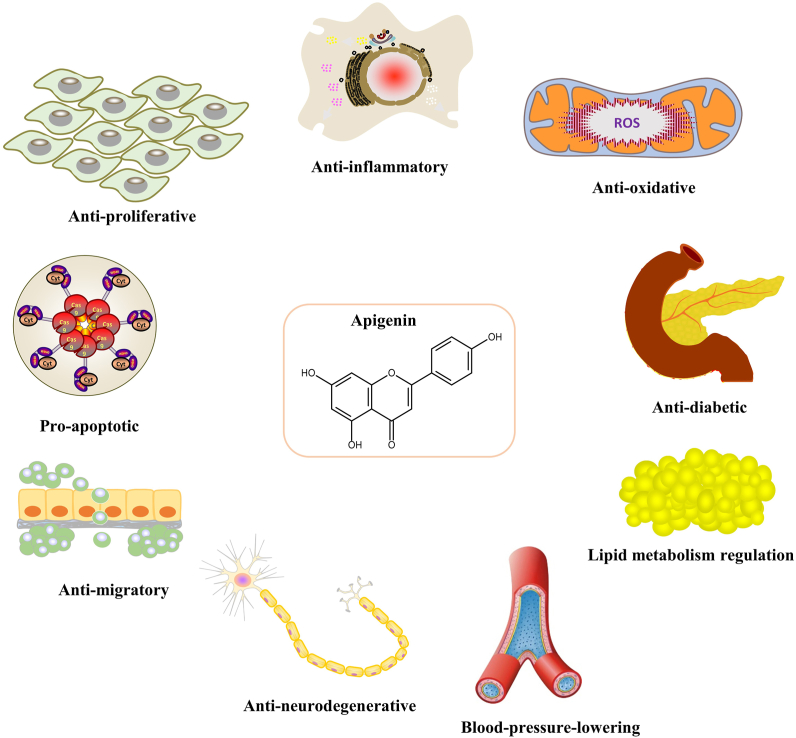
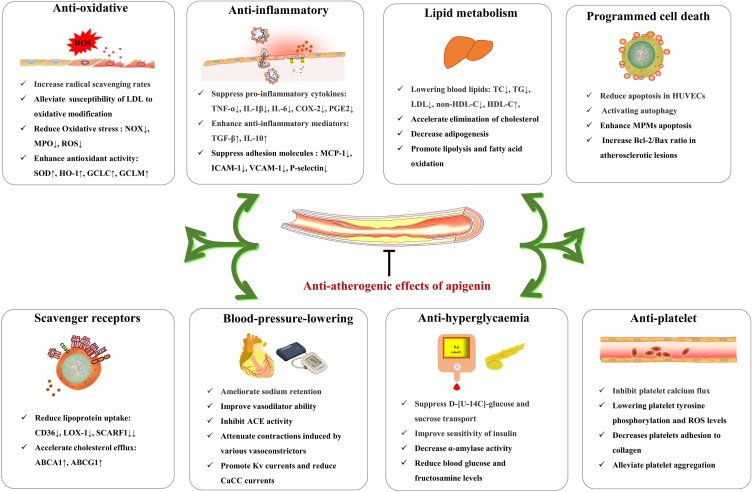
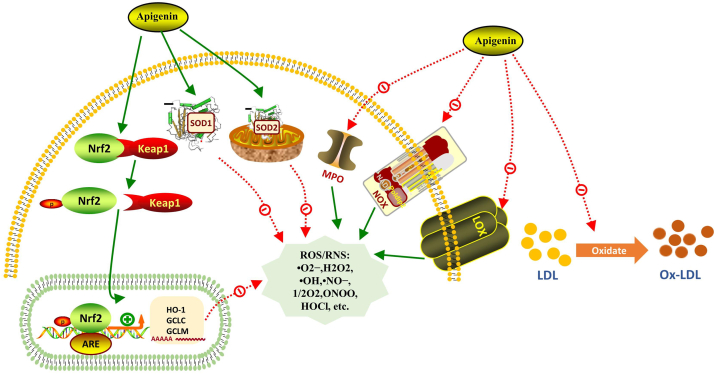
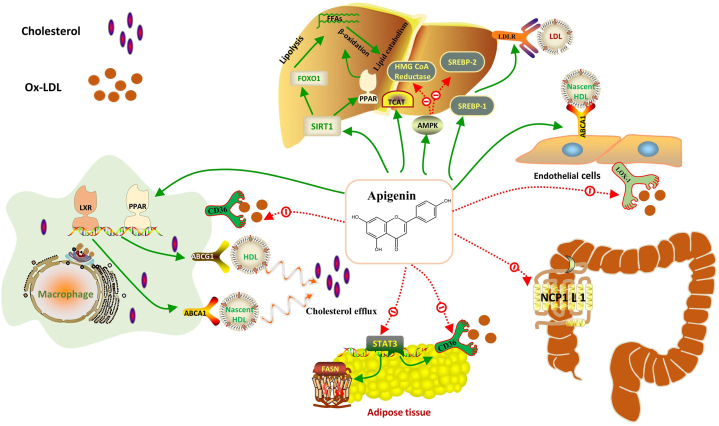
Apigenin is a natural flavonoid abundantly found in fruits, vegetables, and medicinal plants. It possesses protective effects against cancer, metabolic syndrome, dyslipidemia, etc. Atherosclerosis, a chronic immune-mediated inflammatory disease, is the underlying cause of coronary heart disease, stroke, and myocardial infarction. Numerous in vivo and in vitro studies have shown a protective effect of apigenin against atherosclerosis, attributed to its antioxidant and anti-inflammatory properties, as well as its antihypertensive effect and regulation of lipid metabolism. This study aimed to review the effects and mechanisms of apigenin against atherosclerosis for the first time. Apigenin displays encouraging results, and this review confirms the potential value of apigenin as a candidate medication for atherosclerosis.
芹菜素是一种天然黄酮类化合物,大量存在于水果、蔬菜和药用植物中。它对癌症、代谢综合征、血脂异常等具有保护作用。动脉粥样硬化是一种慢性免疫介导的炎症性疾病,是冠心病、中风和心肌梗死的根本原因。大量体内和体外研究表明,芹菜素对动脉粥样硬化具有保护作用,这归因于其抗氧化和抗炎特性,以及其降压作用和对脂质代谢的调节。本研究旨在首次综述芹菜素抗动脉粥样硬化的作用及机制。芹菜素显示出令人鼓舞的结果,本综述证实了芹菜素作为动脉粥样硬化候选药物的潜在价值。