Ting Chuong H, Rahman Md M, Chen Yoke Y, Safii Razitasham, Puteh Sharifa Ew, Saimon Rosalia, Adenan Abg S
Department of Psychological Medicine, Faculty of Medicine and Health Sciences, Universiti Malaysia Sarawak, Kota Samarahan, Malaysia.
Department of Community Medicine and Public Health, Faculty of Medicine and Health Sciences, Universiti Malaysia Sarawak, Sarawak, Malaysia.
Narra J. 2024 Dec;4(3):e1431. doi: 10.52225/narra.v4i3.1431. Epub 2024 Nov 7.
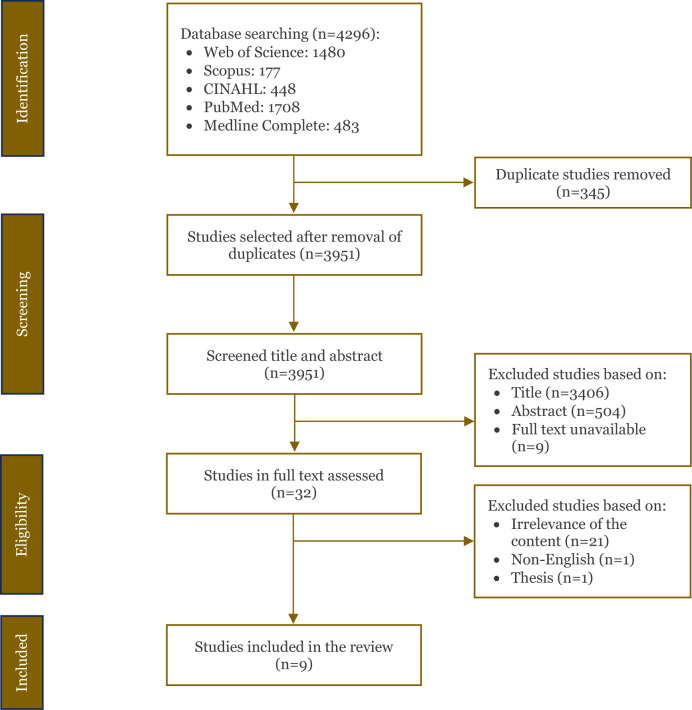
Down syndrome is the most prevalent genetic condition contributing to intellectual disability. Advancements in medical care have significantly increased the life expectancy of people with this condition, making employment a vital component for independent living and quality of life. The aim of this study was to examine the current literature on the employability and employment experiences of individuals with Down syndrome, focusing on the evolution of the employment rate and factors influencing employment such as cognitive and personal factors, societal attitudes, challenges, and effective support systems. Using Arksey and O'Malley's methodology, a scoping review of relevant qualitative and quantitative articles from PubMed, Scopus, Web of Science (WoS), CINAHL, and Medline was conducted. The search focused on the keywords found in the title and abstract of articles from 1980 to 2023. The search strategy utilized medical subject headings (MeSH), including "work", "Down syndrome", and "employment". All articles employing qualitative, quantitative, and mixed methods that were published in English were included. Of an initial 4,296 articles, 32 full-text articles were evaluated, and nine met the inclusion criteria. The data indicated improved employment rates for people with Down syndrome, with a recent employment rate of 53%. However, jobs are often limited to sectors like food service and are underutilizing their skills. Key factors associated with employment status include cognitive abilities, family support, and social attitudes. Despite positive perceptions, significant barriers such as systemic bias persist. Effective support systems are crucial but are often hindered by limited opportunities. In conclusion, employment opportunities for people with Down syndrome have improved, but challenges such as limited job diversity and systemic barriers remain. Comprehensive policies are recommended to promote inclusive employment practices and tailored support systems.
唐氏综合征是导致智力残疾最常见的遗传疾病。医疗护理的进步显著提高了患有这种疾病的人的预期寿命,使就业成为独立生活和生活质量的重要组成部分。本研究的目的是审视关于唐氏综合征患者就业能力和就业经历的现有文献,重点关注就业率的演变以及影响就业的因素,如认知和个人因素、社会态度、挑战和有效的支持系统。采用阿克西和奥马利的方法,对来自PubMed、Scopus、科学网(WoS)、护理学与健康领域数据库(CINAHL)和医学期刊数据库(Medline)的相关定性和定量文章进行了范围综述。搜索集中在1980年至2023年文章标题和摘要中出现的关键词。搜索策略使用了医学主题词(MeSH),包括“工作”、“唐氏综合征”和“就业”。所有以英文发表的采用定性、定量和混合方法的文章均被纳入。在最初的4296篇文章中,评估了32篇全文文章,其中9篇符合纳入标准。数据表明,唐氏综合征患者的就业率有所提高,最近的就业率为53%。然而,工作往往局限于食品服务等行业,他们的技能未得到充分利用。与就业状况相关的关键因素包括认知能力、家庭支持和社会态度。尽管有积极的看法,但系统性偏见等重大障碍仍然存在。有效的支持系统至关重要,但往往受到机会有限的阻碍。总之,唐氏综合征患者的就业机会有所改善,但工作多样性有限和系统性障碍等挑战依然存在。建议制定全面政策,以促进包容性就业实践和量身定制的支持系统。