Puxeddu Silvia, Virdis Valeria, Sacco Daniele, Depau Mario, Atzei Alessandro M, Pisano Lorella, Di Rosa Marcello, Vacquer Stefania, Accardi Giorgio, Cirio Emiliano M, Manzin Aldo, Marinelli Cristiana, Angius Fabrizio
Microbiology and Virology Unit, Department of Biomedical Sciences, University of Cagliari, Cagliari, Italy.
Laboratory of Clinical and Microbiological Analysis, ARNAS "G. Brotzu" Hospital Cagliari, Cagliari, Italy.
Int J Emerg Med. 2025 Jan 17;18(1):17. doi: 10.1186/s12245-025-00814-6.
Here we describe a patient admitted for a stroke that was unexpectedly correlated with subclinical infective endocarditis attributable to a rarely opportunistic pathogen, Abiotrophia defectiva.
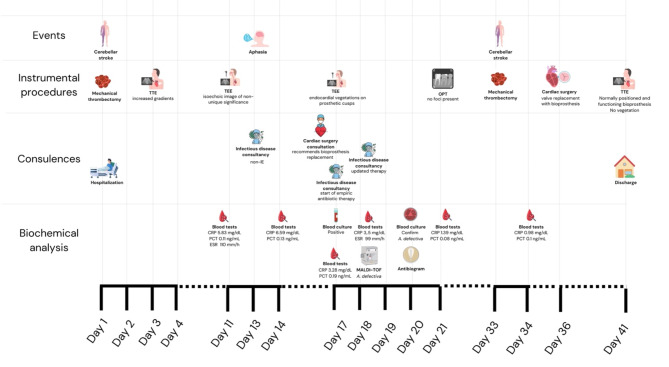
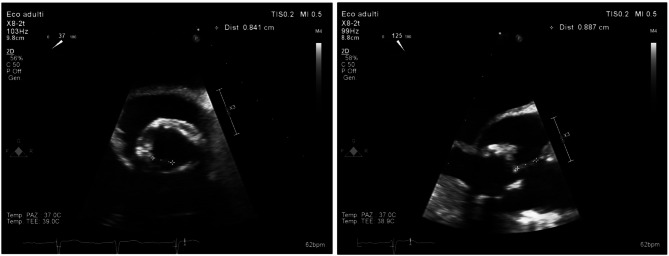
A 75-year-old man presented with a stroke. Transesophageal echocardiography suggested vegetation on all aortic valve cusps, despite the absence of clinical or laboratory signs of infection. Surprisingly, three sets of blood cultures collected without fever were positive for A. defectiva. Although the patient did not exhibit classic signs of infection during hospitalization, the severity of the valve condition necessitated replacement with a bioprosthesis.
This clinical case underscores the importance of investigating the infective origin of endocarditis, even in the absence of clinical or laboratory evidence. Physicians should maintain a high level of suspicion, especially in patients with highly suggestive anamnestic characteristics.
在此,我们描述了一名因中风入院的患者,该中风意外地与由罕见的机会性病原体——缺陷嗜氨基酸菌引起的亚临床感染性心内膜炎相关。
一名75岁男性出现中风症状。经食管超声心动图显示所有主动脉瓣叶上均有赘生物,尽管没有感染的临床或实验室迹象。令人惊讶的是,在无发热情况下采集的三组血培养物中,缺陷嗜氨基酸菌呈阳性。尽管患者在住院期间未表现出典型的感染症状,但瓣膜病变的严重程度使得必须用生物假体进行置换。
本临床病例强调了即使在没有临床或实验室证据的情况下,调查心内膜炎感染源的重要性。医生应保持高度怀疑,尤其是对具有高度提示性既往史特征的患者。