Zhou Zuopu, Jiao Leming, Zheng Zijie, Chen Yue, Han Kaizhen, Kang Yuye, Zhang Dong, Wang Xiaolin, Kong Qiwen, Sun Chen, Xie Jiawei, Gong Xiao
Department of Electrical and Computer Engineering, National University of Singapore (NUS), Singapore, 117576, Singapore.
Nano Converg. 2025 Jan 22;12(1):3. doi: 10.1186/s40580-024-00463-0.
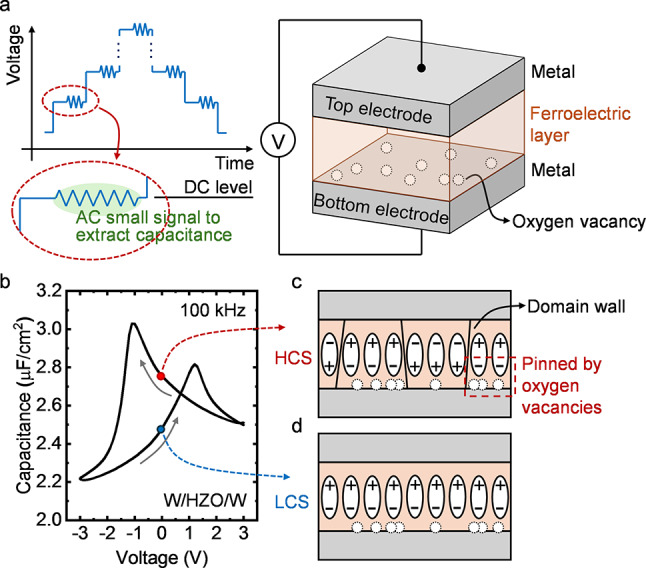
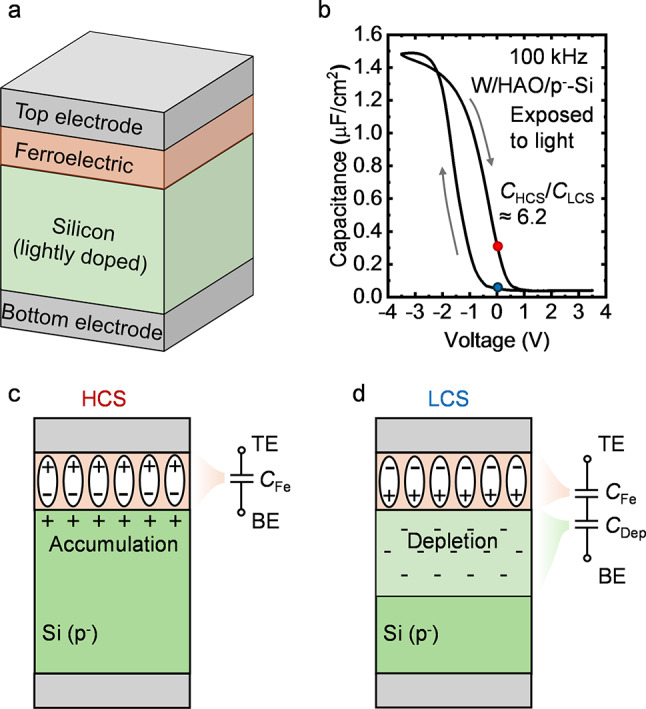
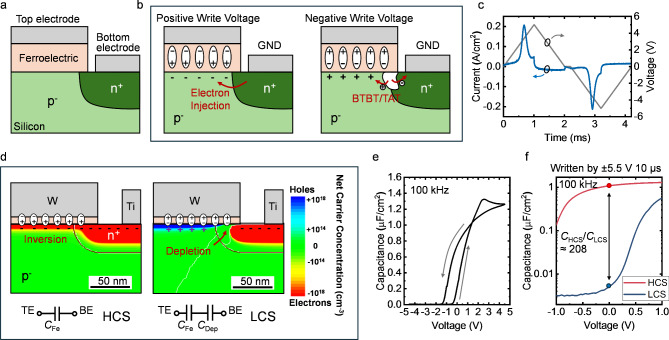
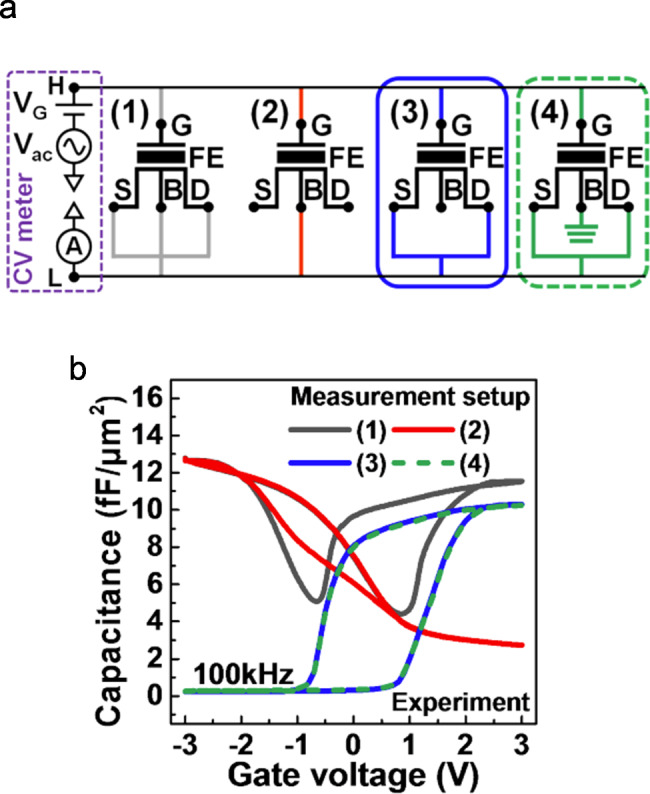
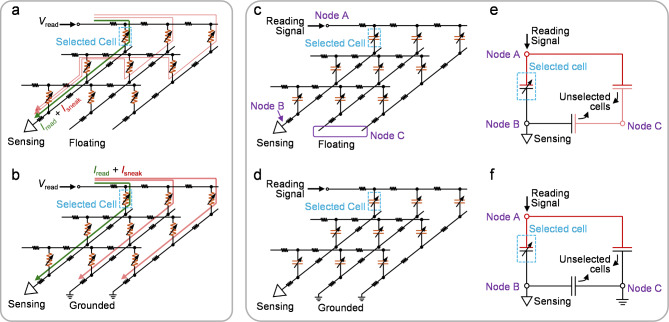
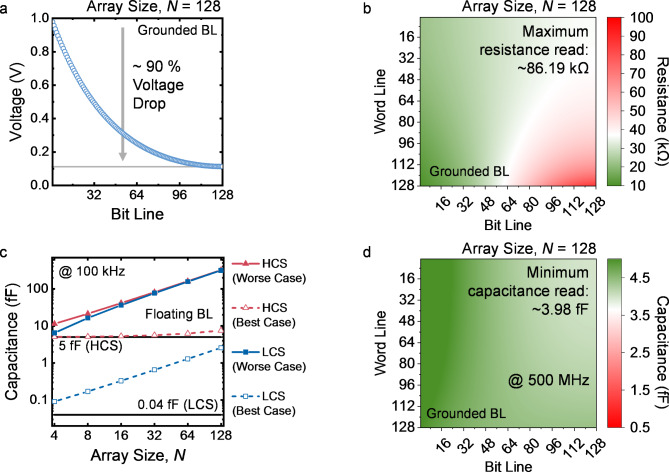
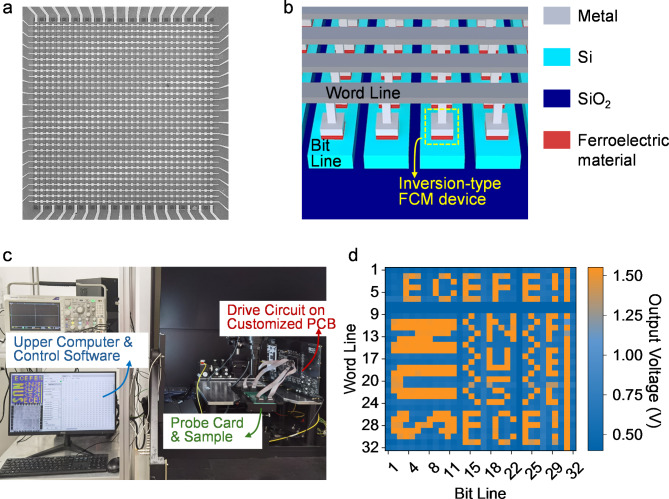
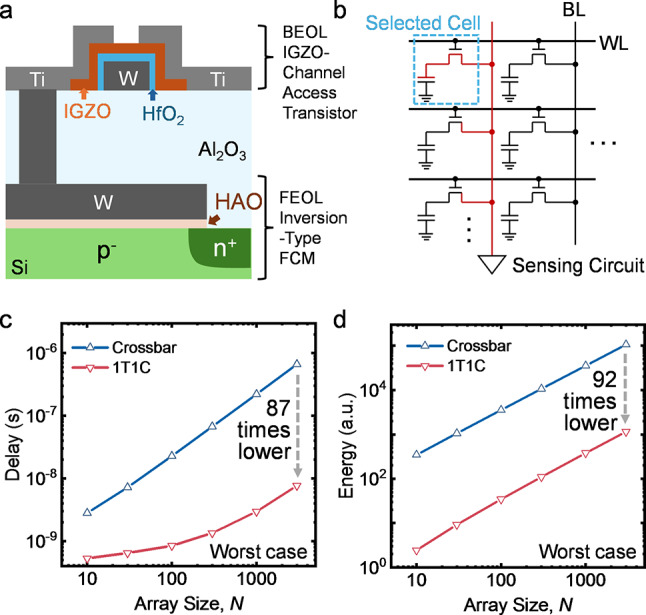
Ferroelectric capacitive memories (FCMs) utilize ferroelectric polarization to modulate device capacitance for data storage, providing a new technological pathway to achieve two-terminal non-destructive-read ferroelectric memory. In contrast to the conventional resistive memories, the unique capacitive operation mechanism of FCMs transfers the memory reading and in-memory computing to charge domain, offering ultra-high energy efficiency, better compatibility to large-scale array, and negligible read disturbance. In recent years, extensive research has been conducted on FCMs. Various device designs were proposed and experimentally demonstrated with progressively enhanced performance, showing remarkable potential of the novel technology. This article summarizes several typical FCM devices by introducing their mechanisms, comparing their performance, and discussing their limitations. We further investigate the capacitive crossbar array operation and review the recent progress in the FCM integration and array-level demonstrations. In addition, we present the computing-in-memory applications of the FCMs to realize ultra-low-power machine learning acceleration for future computing systems.
铁电电容式存储器(FCM)利用铁电极化来调制器件电容以进行数据存储,为实现两端非破坏性读取铁电存储器提供了一条新的技术途径。与传统电阻式存储器相比,FCM独特的电容操作机制将存储器读取和内存计算转移到电荷域,具有超高的能量效率、与大规模阵列更好的兼容性以及可忽略不计的读取干扰。近年来,对FCM进行了广泛的研究。提出了各种器件设计并通过实验进行了验证,性能逐步提高,显示出这项新技术的巨大潜力。本文通过介绍几种典型FCM器件的机制、比较其性能并讨论其局限性来进行总结。我们进一步研究了电容交叉开关阵列操作,并回顾了FCM集成和阵列级演示的最新进展。此外,我们展示了FCM在内存计算中的应用,以实现未来计算系统的超低功耗机器学习加速。