Iyer Saishree S, Chen Fangrui, Ogunmolu Funso E, Moradi Shoeib, Volkov Vladimir A, van Grinsven Emma J, van Hoorn Chris, Wu Jingchao, Andrea Nemo, Hua Shasha, Jiang Kai, Vakonakis Ioannis, Potočnjak Mia, Herzog Franz, Gigant Benoît, Gudimchuk Nikita, Stecker Kelly E, Dogterom Marileen, Steinmetz Michel O, Akhmanova Anna
Cell Biology, Neurobiology and Biophysics, Department of Biology, Faculty of Science, Utrecht University, Utrecht, The Netherlands.
Division of Biology and Chemistry, Laboratory of Biomolecular Research, Paul Scherrer Institut, Villigen, Switzerland.
J Cell Biol. 2025 Mar 3;224(3). doi: 10.1083/jcb.202406061. Epub 2025 Jan 23.
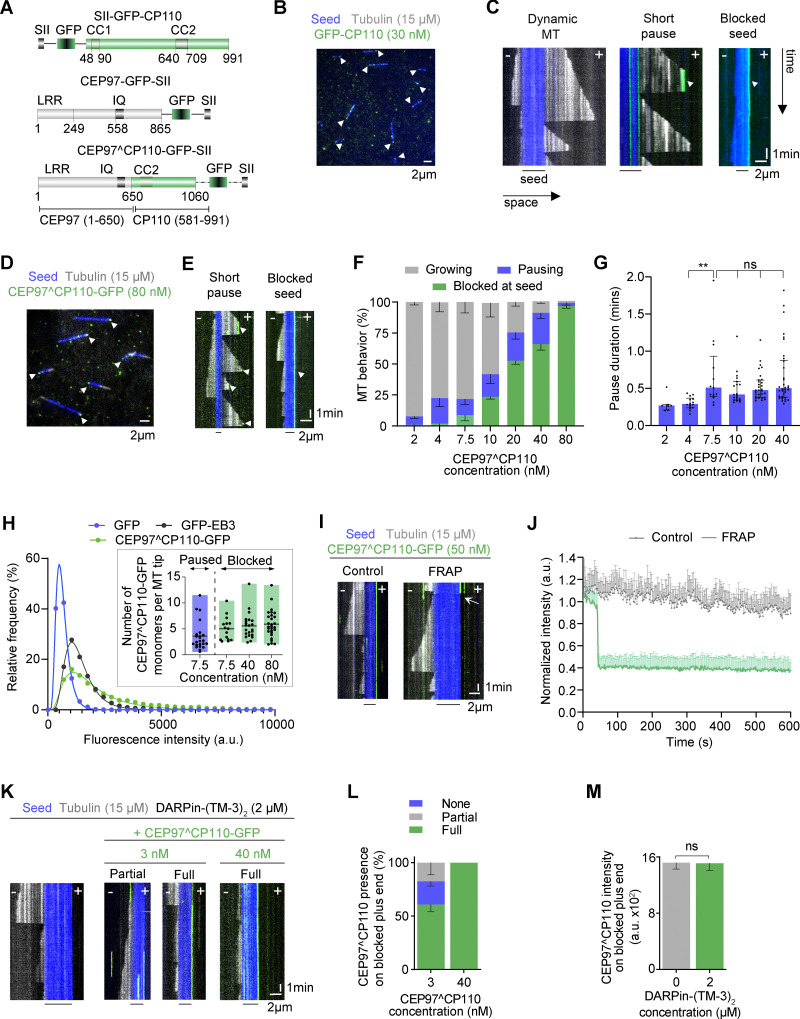
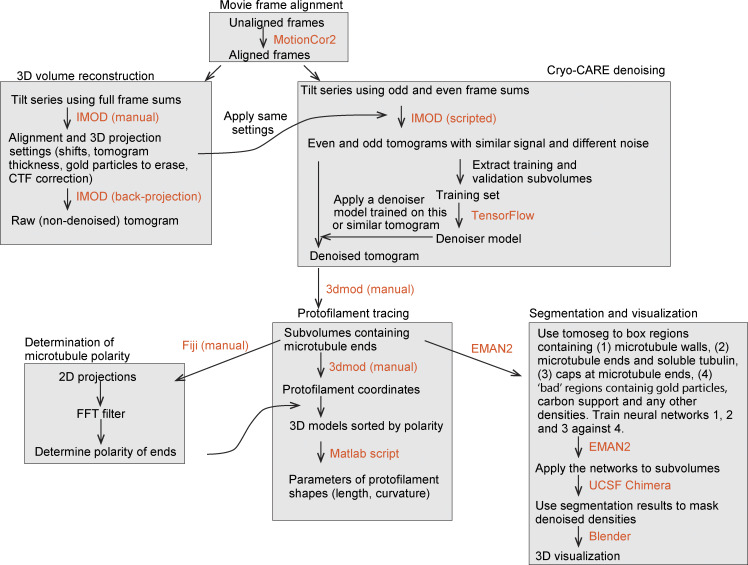
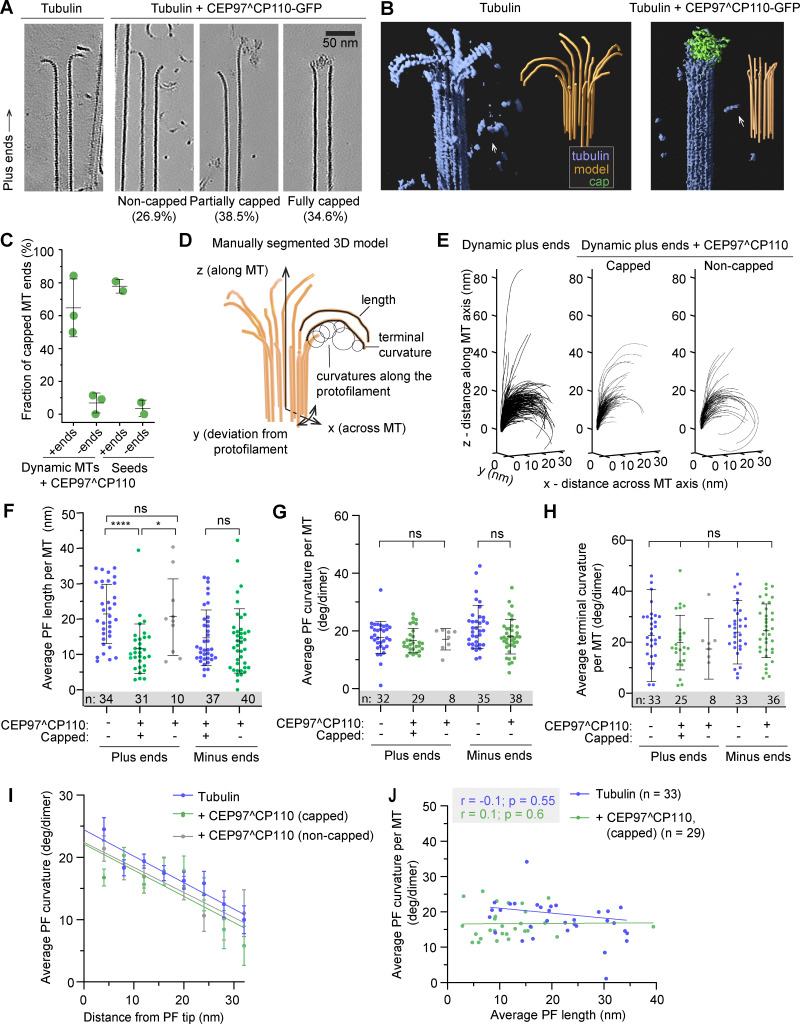
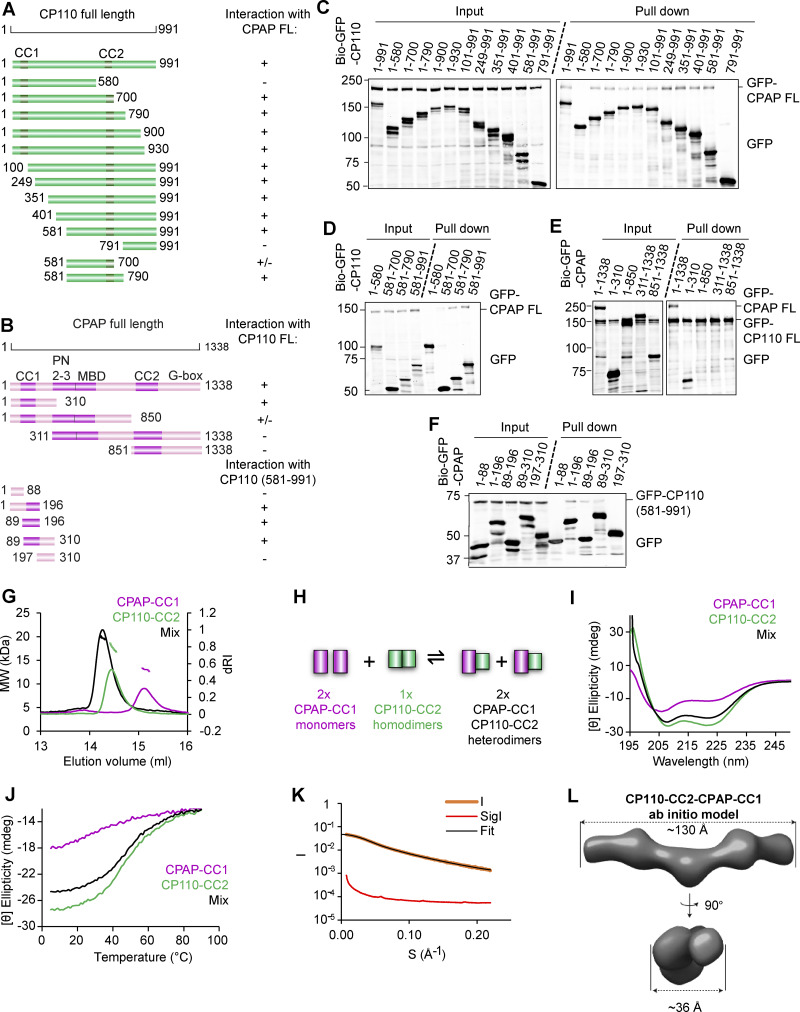
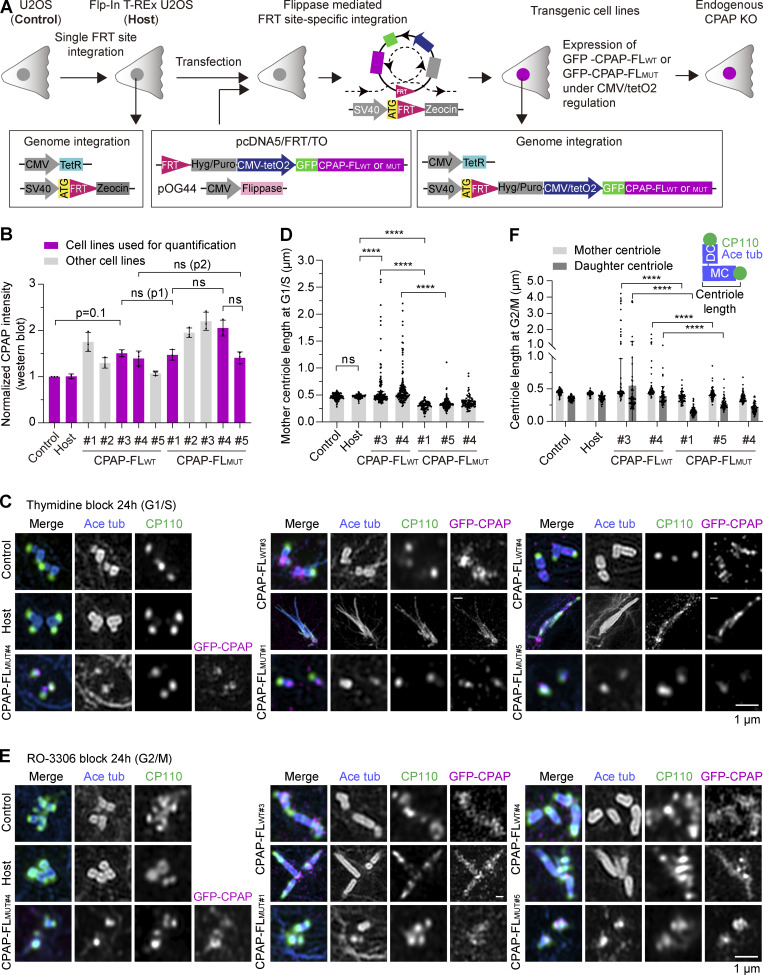
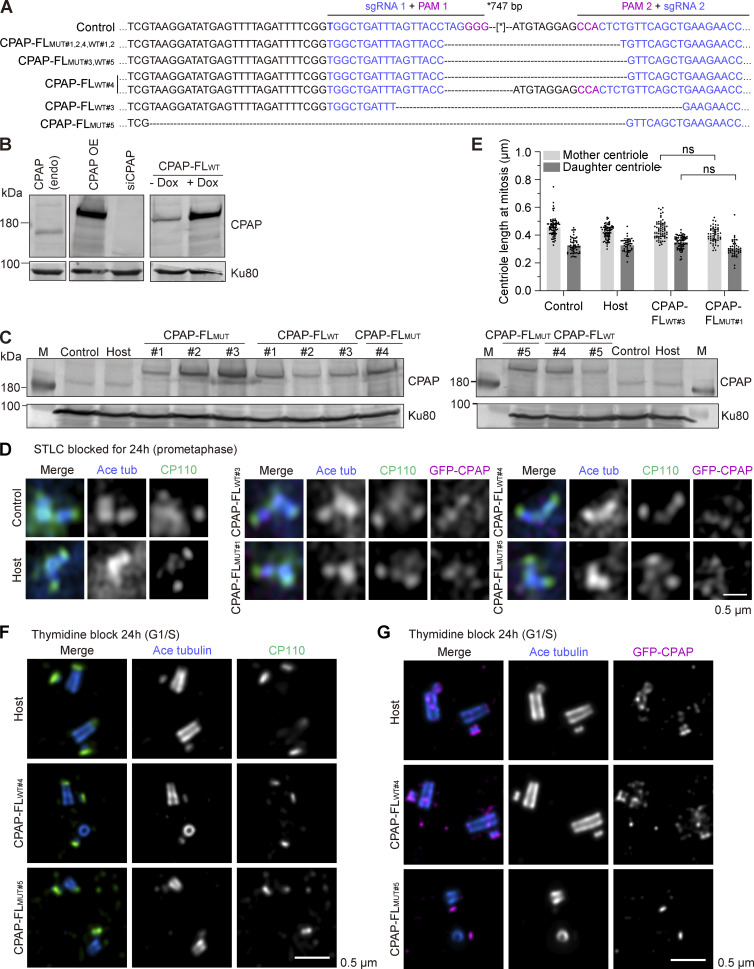
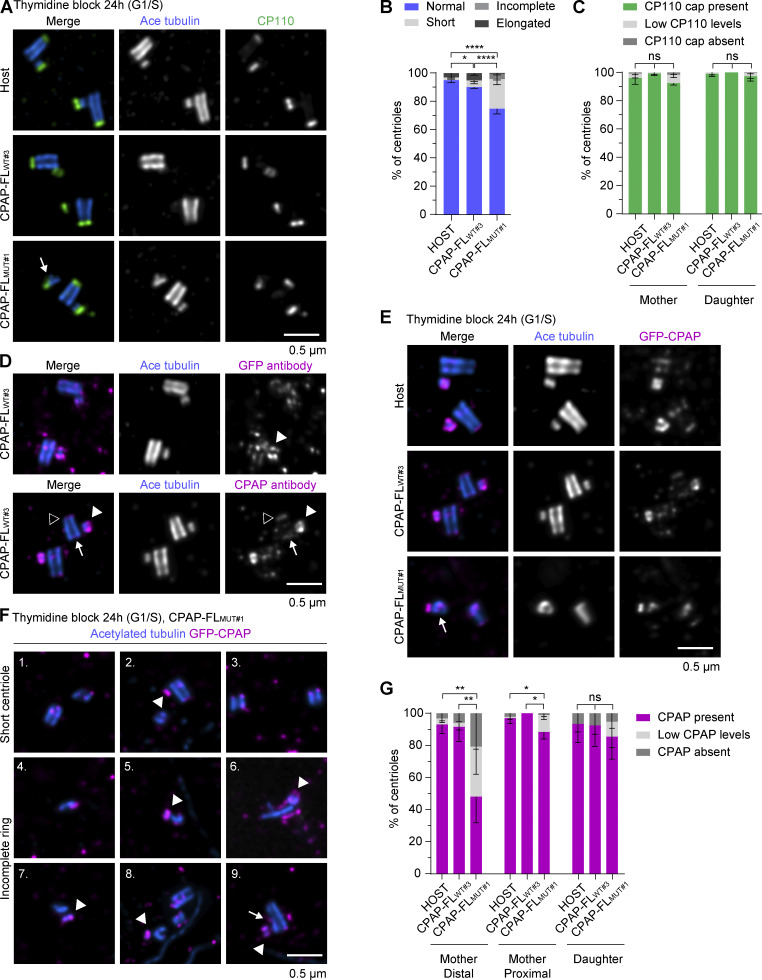
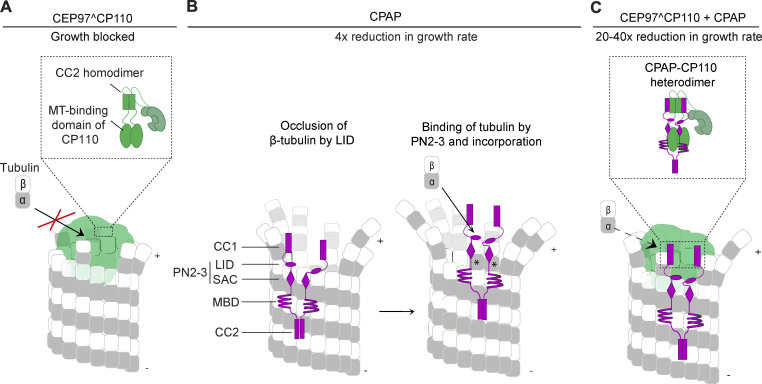
Centrioles are microtubule-based organelles required for the formation of centrosomes and cilia. Centriolar microtubules, unlike their cytosolic counterparts, are stable and grow very slowly, but the underlying mechanisms are poorly understood. Here, we reconstituted in vitro the interplay between the proteins that cap distal centriole ends and control their elongation: CP110, CEP97, and CPAP/SAS-4. We found that whereas CEP97 does not bind to microtubules directly, CP110 autonomously binds microtubule plus ends, blocks their growth, and inhibits depolymerization. Cryo-electron tomography revealed that CP110 associates with the luminal side of microtubule plus ends and suppresses protofilament flaring. CP110 directly interacts with CPAP, which acts as a microtubule polymerase that overcomes CP110-induced growth inhibition. Together, the two proteins impose extremely slow processive microtubule growth. Disruption of CP110-CPAP interaction in cells inhibits centriole elongation and increases incidence of centriole defects. Our findings reveal how two centriolar cap proteins with opposing activities regulate microtubule plus-end elongation and explain their antagonistic relationship during centriole formation.
中心粒是形成中心体和纤毛所必需的基于微管的细胞器。与胞质中的微管不同,中心粒微管是稳定的,生长非常缓慢,但其潜在机制却知之甚少。在这里,我们在体外重建了覆盖中心粒远端并控制其伸长的蛋白质之间的相互作用:CP110、CEP97和CPAP/SAS-4。我们发现,虽然CEP97不直接与微管结合,但CP110能自主结合微管正端,阻止其生长并抑制解聚。冷冻电子断层扫描显示,CP110与微管正端的管腔侧结合并抑制原纤维扩张。CP110直接与CPAP相互作用,CPAP作为一种微管聚合酶,可克服CP110诱导的生长抑制。这两种蛋白质共同作用,使微管生长极其缓慢且持续。细胞中CP110-CPAP相互作用的破坏会抑制中心粒伸长并增加中心粒缺陷的发生率。我们的研究结果揭示了两种具有相反活性的中心粒帽蛋白如何调节微管正端伸长,并解释了它们在中心粒形成过程中的拮抗关系。