• 文献检索
  • 文档翻译
  • 深度研究
  • 学术资讯
  • Suppr Zotero 插件Zotero 插件
  • 邀请有礼
  • 套餐&价格
  • 历史记录
应用&插件
Suppr Zotero 插件Zotero 插件浏览器插件Mac 客户端Windows 客户端微信小程序
定价
高级版会员购买积分包购买API积分包
服务
文献检索文档翻译深度研究API 文档MCP 服务
关于我们
关于 Suppr公司介绍联系我们用户协议隐私条款
关注我们

Suppr 超能文献

核心技术专利:CN118964589B侵权必究
粤ICP备2023148730 号-1Suppr @ 2026

文献检索

告别复杂PubMed语法,用中文像聊天一样搜索,搜遍4000万医学文献。AI智能推荐,让科研检索更轻松。

立即免费搜索

文件翻译

保留排版,准确专业,支持PDF/Word/PPT等文件格式,支持 12+语言互译。

免费翻译文档

深度研究

AI帮你快速写综述,25分钟生成高质量综述,智能提取关键信息,辅助科研写作。

立即免费体验

用于可负担得起的粘膜粘附(纳米)制剂的红茶菌与植物纤维素对比

Kombucha Versus Vegetal Cellulose for Affordable Mucoadhesive (nano)Formulations.

作者信息

Popa-Tudor Ioana, Tritean Naomi, Dima Ștefan-Ovidiu, Trică Bogdan, Ghiurea Marius, Cimpean Anisoara, Oancea Florin, Constantinescu-Aruxandei Diana

机构信息

Polymers and Bioresources Departments, National Institute for Research and Development in Chemistry and Petrochemistry-ICECHIM, Splaiul Independentei nr. 202, Sector 6, 060021 Bucharest, Romania.

Faculty of Biology, University of Bucharest, Splaiul Independentei nr. 91-95, Sector 5, 050095 Bucharest, Romania.

出版信息

Gels. 2025 Jan 4;11(1):37. doi: 10.3390/gels11010037.

DOI:10.3390/gels11010037
PMID:39852008
原文链接:https://pmc.ncbi.nlm.nih.gov/articles/PMC11765165/
Abstract

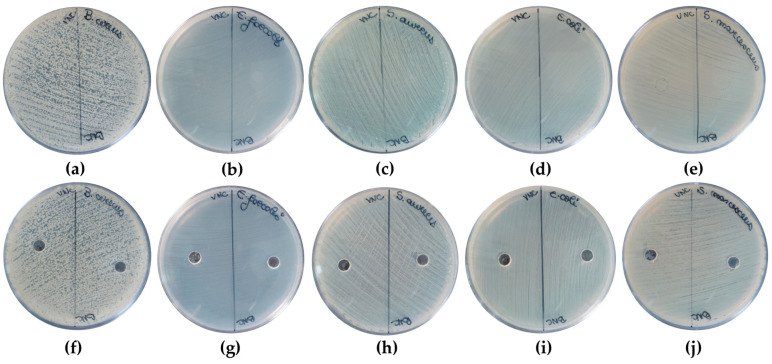
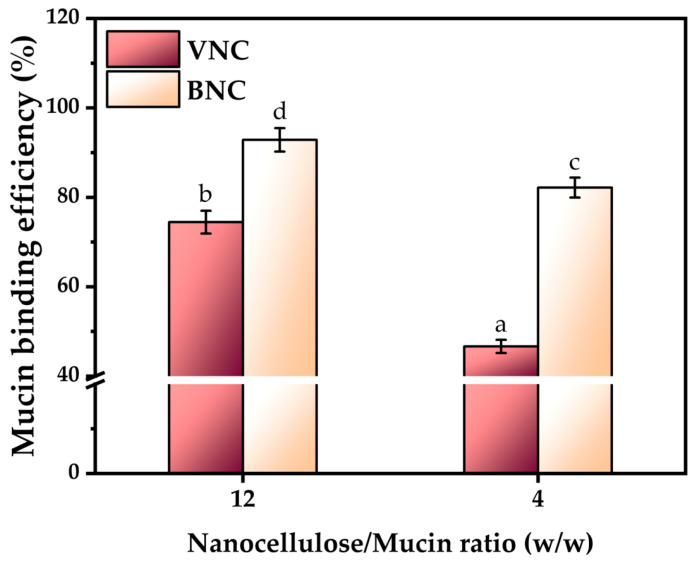
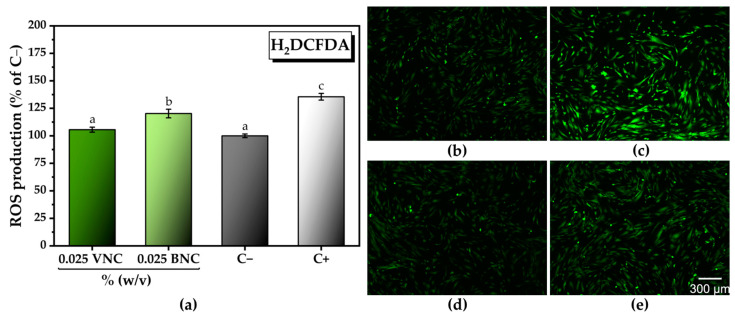
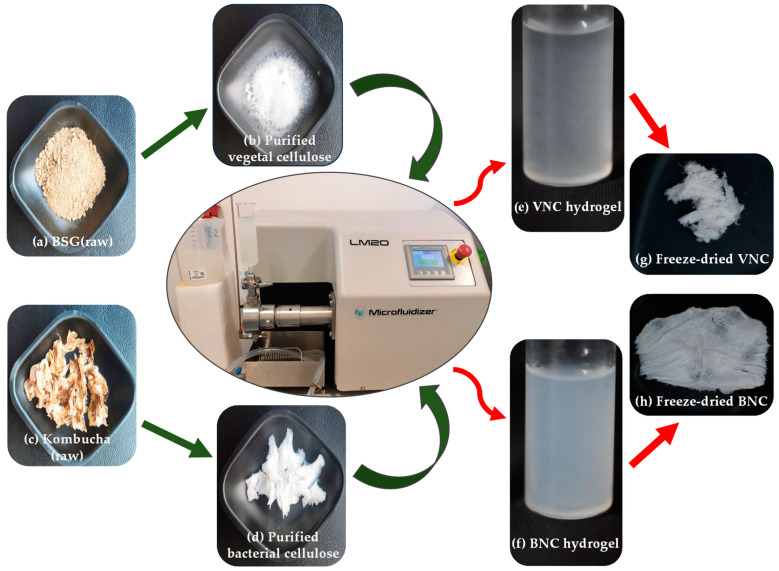
Cellulose nanofibers gained increasing interest in the production of medical devices such as mucoadhesive nanohydrogels due to their ability to retain moisture (high hydrophilicity), flexibility, superior porosity and durability, biodegradability, non-toxicity, and biocompatibility. In this work, we aimed to compare the suitability of selected bacterial and vegetal nanocellulose to form hydrogels for biomedical applications. The vegetal and bacterial cellulose nanofibers were synthesized from brewer's spent grains (BSG) and kombucha membranes, respectively. Two hydrogels were prepared, one based on the vegetal and the other based on the bacterial cellulose nanofibers (VNC and BNC, respectively). VNC was less opaque and more fluid than BNC. The cytocompatibility and in vitro antioxidant activity of the nanocellulose-based hydrogels were investigated using human gingival fibroblasts (HGF-1, ATCC CRL-2014). The investigation of the hydrogel-mucin interaction revealed that the BNC hydrogel had an approx. 2× higher mucin binding efficiency than the VNC hydrogel at a hydrogel/mucin ratio (mg/mg) = 4. The BNC hydrogel exhibited the highest potential to increase the number of metabolically active viable cells (107.60 ± 0.98% of cytotoxicity negative control) among all culture conditions. VNC reduced the amount of reactive oxygen species (ROS) by about 23% (105.5 ± 2.2% of C-) in comparison with the positive control, whereas the ROS level was slightly higher (120.2 ± 3.9% of C-) following the BNC hydrogel treatment. Neither of the two hydrogels showed antibacterial activity when assessed by the diffusion method. The data suggest that the BNC hydrogel based on nanocellulose from kombucha fermentation could be a better candidate for cytocompatible and mucoadhesive nanoformulations than the VNC hydrogel based on nanocellulose from brewer's spent grains. The antioxidant and antibacterial activity of BNC and both BNC and VNC, respectively, should be improved.

摘要

纤维素纳米纤维因其保持水分的能力(高亲水性)、柔韧性、优异的孔隙率和耐久性、生物可降解性、无毒性和生物相容性,在诸如粘膜粘附纳米水凝胶等医疗设备的生产中越来越受到关注。在这项工作中,我们旨在比较选定的细菌和植物纳米纤维素形成用于生物医学应用的水凝胶的适用性。植物和细菌纤维素纳米纤维分别由啤酒糟(BSG)和红茶菌膜合成。制备了两种水凝胶,一种基于植物纤维素纳米纤维,另一种基于细菌纤维素纳米纤维(分别为VNC和BNC)。VNC比BNC透明度更低且流动性更强。使用人牙龈成纤维细胞(HGF-1,ATCC CRL-2014)研究了基于纳米纤维素的水凝胶的细胞相容性和体外抗氧化活性。水凝胶-粘蛋白相互作用的研究表明,在水凝胶/粘蛋白比率(mg/mg)=4时,BNC水凝胶的粘蛋白结合效率比VNC水凝胶高约2倍。在所有培养条件下,BNC水凝胶显示出增加代谢活跃活细胞数量的最高潜力(细胞毒性阴性对照的107.60±0.98%)。与阳性对照相比,VNC使活性氧(ROS)量减少约23%(C-的105.5±2.2%),而BNC水凝胶处理后ROS水平略高(C-的120.2±3.9%)。通过扩散法评估时,两种水凝胶均未显示出抗菌活性。数据表明,与基于啤酒糟纳米纤维素的VNC水凝胶相比,基于红茶菌发酵纳米纤维素的BNC水凝胶可能是细胞相容性和粘膜粘附纳米制剂的更好候选者。BNC以及BNC和VNC的抗氧化和抗菌活性都应得到改善。
https://cdn.ncbi.nlm.nih.gov/pmc/blobs/4a4e/11765165/4474b9dbbee3/gels-11-00037-g014.jpg
https://cdn.ncbi.nlm.nih.gov/pmc/blobs/4a4e/11765165/15f939ec282d/gels-11-00037-g001.jpg
https://cdn.ncbi.nlm.nih.gov/pmc/blobs/4a4e/11765165/e50926350f32/gels-11-00037-g002.jpg
https://cdn.ncbi.nlm.nih.gov/pmc/blobs/4a4e/11765165/e4249be6e930/gels-11-00037-g003.jpg
https://cdn.ncbi.nlm.nih.gov/pmc/blobs/4a4e/11765165/c0fdd6594573/gels-11-00037-g004.jpg
https://cdn.ncbi.nlm.nih.gov/pmc/blobs/4a4e/11765165/3e79c98ed4c8/gels-11-00037-g005.jpg
https://cdn.ncbi.nlm.nih.gov/pmc/blobs/4a4e/11765165/6b91f9579f4b/gels-11-00037-g006.jpg
https://cdn.ncbi.nlm.nih.gov/pmc/blobs/4a4e/11765165/24d2849e832c/gels-11-00037-g007.jpg
https://cdn.ncbi.nlm.nih.gov/pmc/blobs/4a4e/11765165/13609f948afc/gels-11-00037-g008.jpg
https://cdn.ncbi.nlm.nih.gov/pmc/blobs/4a4e/11765165/fcf1cbe7843e/gels-11-00037-g009.jpg
https://cdn.ncbi.nlm.nih.gov/pmc/blobs/4a4e/11765165/411b7b97a33f/gels-11-00037-g010.jpg
https://cdn.ncbi.nlm.nih.gov/pmc/blobs/4a4e/11765165/a27bc0f2e38e/gels-11-00037-g011.jpg
https://cdn.ncbi.nlm.nih.gov/pmc/blobs/4a4e/11765165/9177d0070090/gels-11-00037-g012.jpg
https://cdn.ncbi.nlm.nih.gov/pmc/blobs/4a4e/11765165/8788c381f5e0/gels-11-00037-g013.jpg
https://cdn.ncbi.nlm.nih.gov/pmc/blobs/4a4e/11765165/4474b9dbbee3/gels-11-00037-g014.jpg
https://cdn.ncbi.nlm.nih.gov/pmc/blobs/4a4e/11765165/15f939ec282d/gels-11-00037-g001.jpg
https://cdn.ncbi.nlm.nih.gov/pmc/blobs/4a4e/11765165/e50926350f32/gels-11-00037-g002.jpg
https://cdn.ncbi.nlm.nih.gov/pmc/blobs/4a4e/11765165/e4249be6e930/gels-11-00037-g003.jpg
https://cdn.ncbi.nlm.nih.gov/pmc/blobs/4a4e/11765165/c0fdd6594573/gels-11-00037-g004.jpg
https://cdn.ncbi.nlm.nih.gov/pmc/blobs/4a4e/11765165/3e79c98ed4c8/gels-11-00037-g005.jpg
https://cdn.ncbi.nlm.nih.gov/pmc/blobs/4a4e/11765165/6b91f9579f4b/gels-11-00037-g006.jpg
https://cdn.ncbi.nlm.nih.gov/pmc/blobs/4a4e/11765165/24d2849e832c/gels-11-00037-g007.jpg
https://cdn.ncbi.nlm.nih.gov/pmc/blobs/4a4e/11765165/13609f948afc/gels-11-00037-g008.jpg
https://cdn.ncbi.nlm.nih.gov/pmc/blobs/4a4e/11765165/fcf1cbe7843e/gels-11-00037-g009.jpg
https://cdn.ncbi.nlm.nih.gov/pmc/blobs/4a4e/11765165/411b7b97a33f/gels-11-00037-g010.jpg
https://cdn.ncbi.nlm.nih.gov/pmc/blobs/4a4e/11765165/a27bc0f2e38e/gels-11-00037-g011.jpg
https://cdn.ncbi.nlm.nih.gov/pmc/blobs/4a4e/11765165/9177d0070090/gels-11-00037-g012.jpg
https://cdn.ncbi.nlm.nih.gov/pmc/blobs/4a4e/11765165/8788c381f5e0/gels-11-00037-g013.jpg
https://cdn.ncbi.nlm.nih.gov/pmc/blobs/4a4e/11765165/4474b9dbbee3/gels-11-00037-g014.jpg

相似文献

1
Kombucha Versus Vegetal Cellulose for Affordable Mucoadhesive (nano)Formulations.用于可负担得起的粘膜粘附(纳米)制剂的红茶菌与植物纤维素对比
Gels. 2025 Jan 4;11(1):37. doi: 10.3390/gels11010037.
2
Bioactive Hydrogel Formulation Based on Ferulic Acid-Grafted Nano-Chitosan and Bacterial Nanocellulose Enriched with Selenium Nanoparticles from Kombucha Fermentation.基于阿魏酸接枝纳米壳聚糖和富含来自康普茶发酵的硒纳米粒子的细菌纳米纤维素的生物活性水凝胶配方。
J Funct Biomater. 2024 Jul 22;15(7):202. doi: 10.3390/jfb15070202.
3
Using in situ nanocellulose-coating technology based on dynamic bacterial cultures for upgrading conventional biomedical materials and reinforcing nanocellulose hydrogels.基于动态细菌培养的原位纳米纤维素涂层技术用于升级传统生物医学材料并增强纳米纤维素水凝胶。
Biotechnol Prog. 2016 Jul 8;32(4):1077-84. doi: 10.1002/btpr.2280. Epub 2016 May 4.
4
Biocompatibility evaluation of densified bacterial nanocellulose hydrogel as an implant material for auricular cartilage regeneration.致密化细菌纳米纤维素水凝胶作为耳软骨再生植入材料的生物相容性评价
Appl Microbiol Biotechnol. 2014 Sep;98(17):7423-35. doi: 10.1007/s00253-014-5819-z. Epub 2014 May 28.
5
Edge-functionalized coal-derived graphene oxide in bacterial nanocellulose hydrogel for active wound healing.边缘功能化煤衍生氧化石墨烯在细菌纳米纤维素水凝胶中用于活性伤口愈合。
Int J Biol Macromol. 2024 Jun;272(Pt 1):132589. doi: 10.1016/j.ijbiomac.2024.132589. Epub 2024 May 22.
6
Cytocompatibility, Antimicrobial and Antioxidant Activity of a Mucoadhesive Biopolymeric Hydrogel Embedding Selenium Nanoparticles Phytosynthesized by Sea Buckthorn Leaf Extract.一种包埋由沙棘叶提取物植物合成的硒纳米颗粒的粘膜粘附性生物聚合物水凝胶的细胞相容性、抗菌和抗氧化活性
Pharmaceuticals (Basel). 2023 Dec 22;17(1):23. doi: 10.3390/ph17010023.
7
Use of brewer's residual yeast for production of bacterial nanocellulose with Gluconacetobacter hansenii.利用啤酒废酵母生产醋酸菌属细菌纳米纤维素。
Int J Biol Macromol. 2023 Jul 1;242(Pt 3):124897. doi: 10.1016/j.ijbiomac.2023.124897. Epub 2023 May 15.
8
Cellular and Molecular Interaction of Human Dermal Fibroblasts with Bacterial Nanocellulose Composite Hydrogel for Tissue Regeneration.人真皮成纤维细胞与细菌纳米纤维素复合水凝胶的细胞和分子相互作用用于组织再生。
ACS Appl Mater Interfaces. 2018 Nov 21;10(46):39532-39543. doi: 10.1021/acsami.8b16645. Epub 2018 Nov 12.
9
Human Skeletal Muscle Myoblast Culture in Aligned Bacterial Nanocellulose and Commercial Matrices.人骨骼肌成肌细胞在定向排列的细菌纳米纤维素和商用基质中的培养。
ACS Appl Mater Interfaces. 2024 Sep 11;16(36):47150-47162. doi: 10.1021/acsami.4c07612. Epub 2024 Aug 29.
10
Fabrication and evaluation of bacterial nanocellulose/poly(acrylic acid)/graphene oxide composite hydrogel: Characterizations and biocompatibility studies for wound dressing.细菌纳米纤维素/聚丙烯酸/氧化石墨烯复合水凝胶的制备与评价:用于伤口敷料的特性和生物相容性研究。
J Biomed Mater Res B Appl Biomater. 2019 Aug;107(6):2140-2151. doi: 10.1002/jbm.b.34309. Epub 2019 Feb 13.

本文引用的文献

1
Bioactive Hydrogel Formulation Based on Ferulic Acid-Grafted Nano-Chitosan and Bacterial Nanocellulose Enriched with Selenium Nanoparticles from Kombucha Fermentation.基于阿魏酸接枝纳米壳聚糖和富含来自康普茶发酵的硒纳米粒子的细菌纳米纤维素的生物活性水凝胶配方。
J Funct Biomater. 2024 Jul 22;15(7):202. doi: 10.3390/jfb15070202.
2
Nanocellulose-based hydrogels as versatile materials with interesting functional properties for tissue engineering applications.基于纳米纤维素的水凝胶作为多功能材料,具有用于组织工程应用的有趣功能特性。
J Mater Chem B. 2024 Aug 14;12(32):7692-7759. doi: 10.1039/d4tb00397g.
3
Nanoarchitectonics of Bactericidal Coatings Based on CaCO-Nanosilver Hybrids.
基于 CaCO3-纳米银杂化的杀菌涂层的纳米结构设计。
ACS Appl Bio Mater. 2024 May 20;7(5):2872-2886. doi: 10.1021/acsabm.3c01228. Epub 2024 May 9.
4
Mucin coated protein-polyphenol microcarriers for daidzein delivery.黏蛋白包覆蛋白-多酚微载体用于 delivery 大豆苷元。
Food Funct. 2024 Mar 4;15(5):2645-2654. doi: 10.1039/d3fo03356b.
5
Cytocompatibility, Antimicrobial and Antioxidant Activity of a Mucoadhesive Biopolymeric Hydrogel Embedding Selenium Nanoparticles Phytosynthesized by Sea Buckthorn Leaf Extract.一种包埋由沙棘叶提取物植物合成的硒纳米颗粒的粘膜粘附性生物聚合物水凝胶的细胞相容性、抗菌和抗氧化活性
Pharmaceuticals (Basel). 2023 Dec 22;17(1):23. doi: 10.3390/ph17010023.
6
Bioactive-Loaded Hydrogels Based on Bacterial Nanocellulose, Chitosan, and Poloxamer for Rebalancing Vaginal Microbiota.基于细菌纳米纤维素、壳聚糖和泊洛沙姆的载生物活性水凝胶用于恢复阴道微生物群平衡
Pharmaceuticals (Basel). 2023 Nov 30;16(12):1671. doi: 10.3390/ph16121671.
7
Selenium-Fortified Kombucha-Pollen Beverage by In Situ Biosynthesized Selenium Nanoparticles with High Biocompatibility and Antioxidant Activity.通过具有高生物相容性和抗氧化活性的原位生物合成硒纳米颗粒制备的富硒康普茶花粉饮料。
Antioxidants (Basel). 2023 Sep 2;12(9):1711. doi: 10.3390/antiox12091711.
8
Nanomaterial-Based Scaffolds for Tissue Engineering Applications: A Review on Graphene, Carbon Nanotubes and Nanocellulose.基于纳米材料的组织工程应用支架:石墨烯、碳纳米管和纳米纤维素的综述。
Tissue Eng Regen Med. 2023 Jun;20(3):411-433. doi: 10.1007/s13770-023-00530-3. Epub 2023 Apr 15.
9
Bacterial Cellulose-Based Materials as Dressings for Wound Healing.基于细菌纤维素的材料作为伤口愈合敷料
Pharmaceutics. 2023 Jan 27;15(2):424. doi: 10.3390/pharmaceutics15020424.
10
Bacterial Cellulose-Based Polymer Nanocomposites: A Review.基于细菌纤维素的聚合物纳米复合材料:综述
Polymers (Basel). 2022 Nov 2;14(21):4670. doi: 10.3390/polym14214670.