Einbond Linda Saxe, Zhou Jing, Huang Kunhui, Castellanos Mario R, Mbazor Emeka, Balick Michael, Ma Hongbao, DeVoti James A, Redenti Stephen, Wu Hsan-Au
Center for Plants, People and Culture, The New York Botanical Garden, New York, NY 10458, USA.
Lehman College and the Graduate Center, City University of New York, New York, NY 10468, USA.
Viruses. 2024 Dec 31;17(1):55. doi: 10.3390/v17010055.
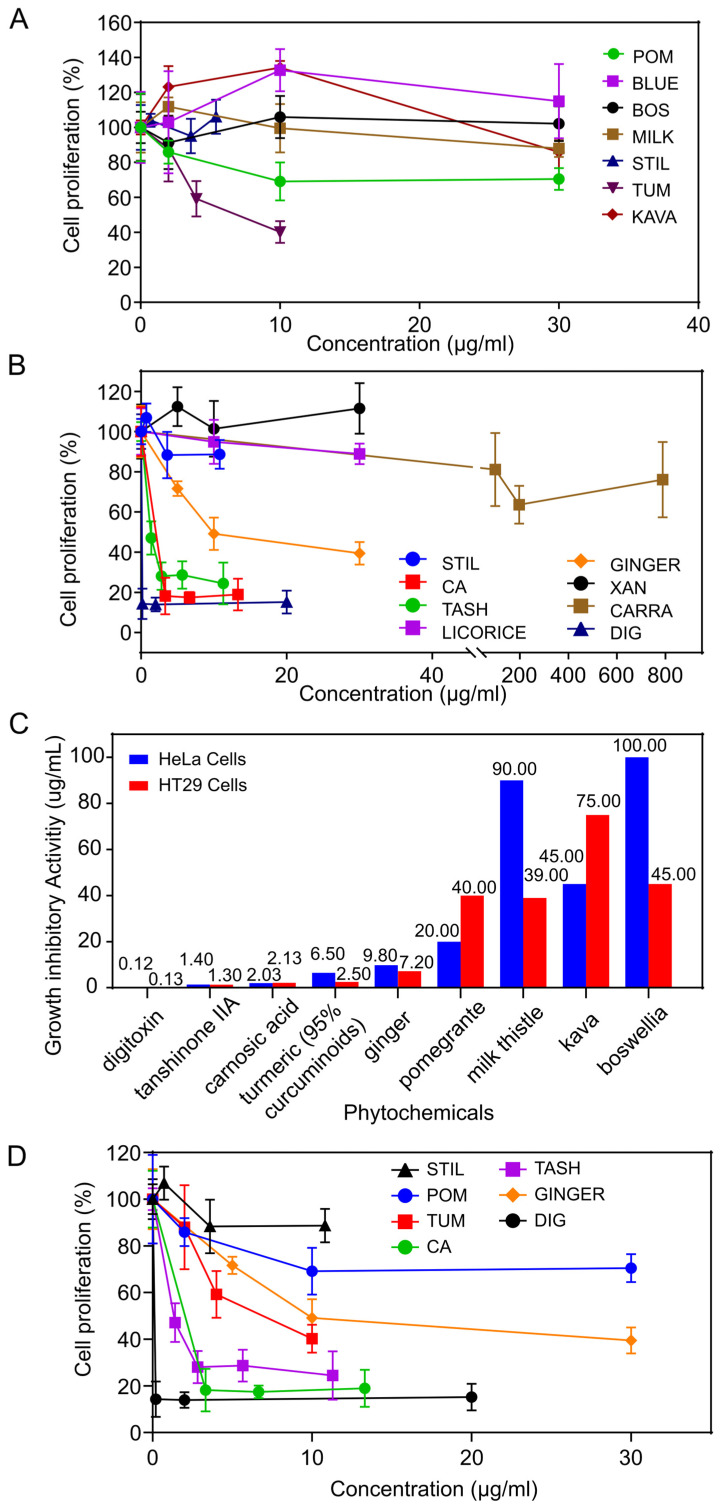
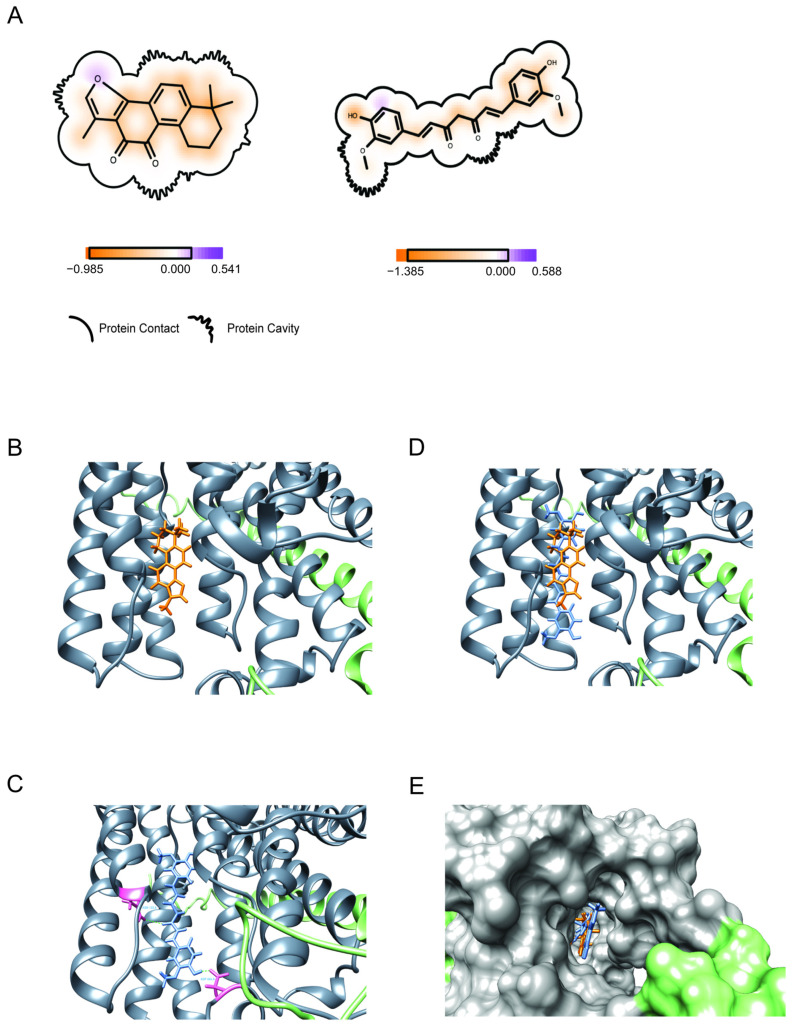
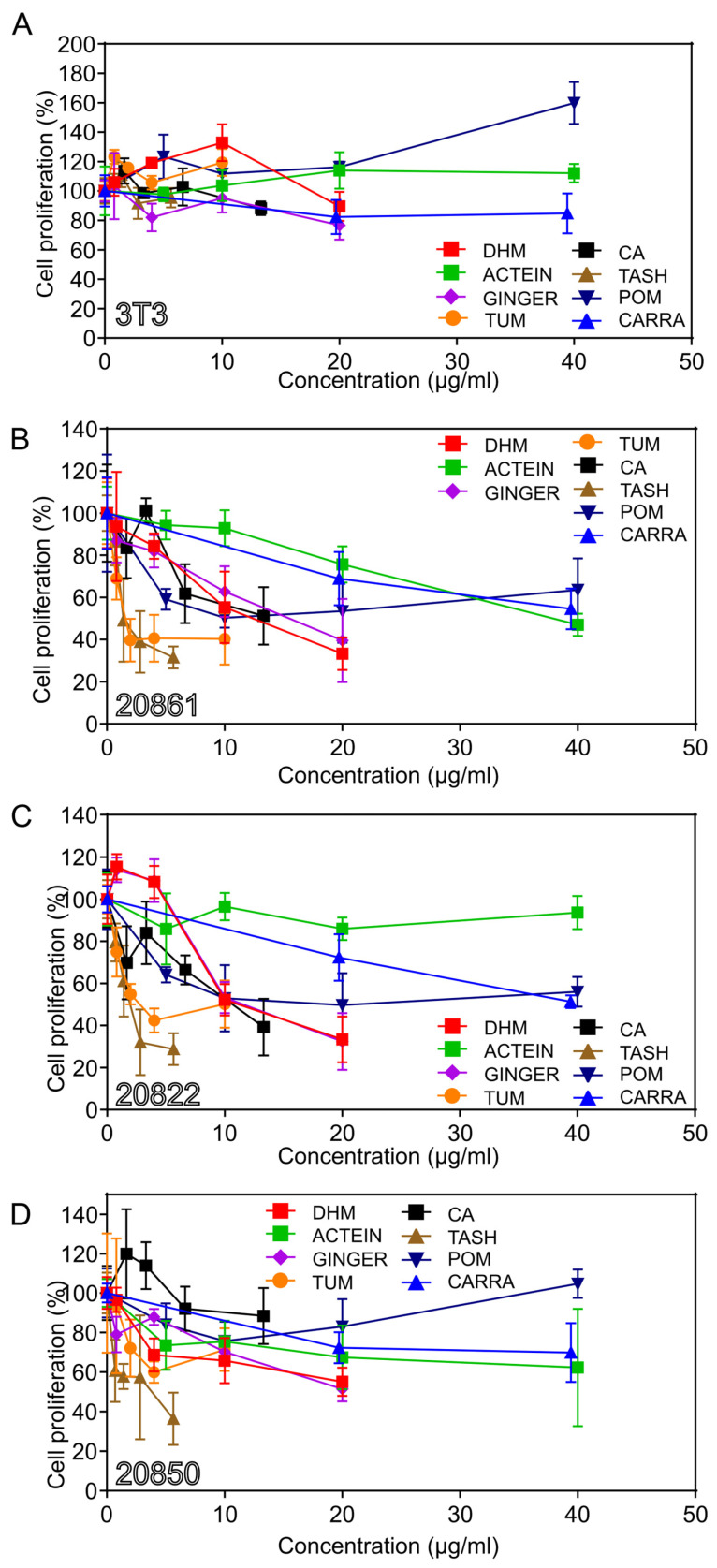
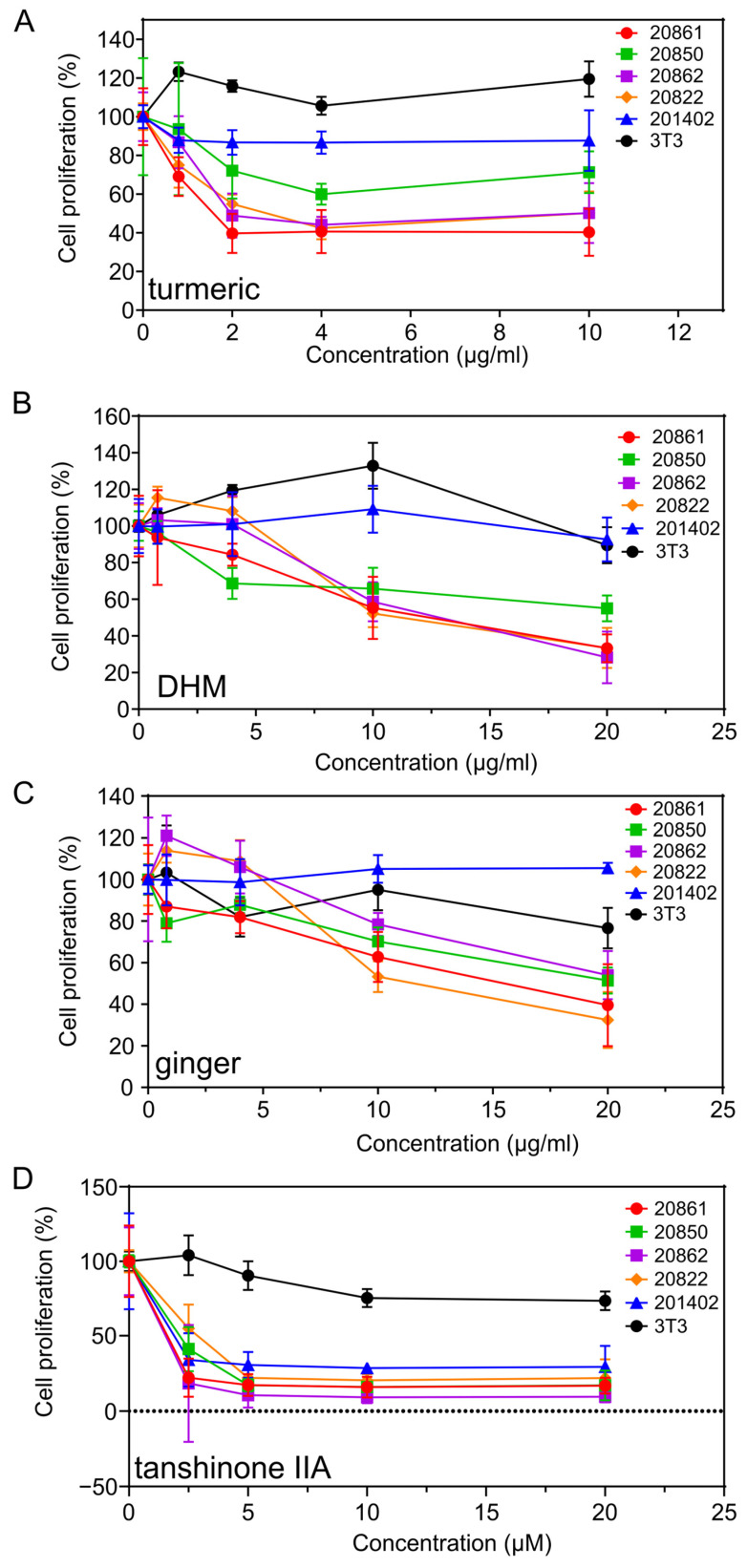
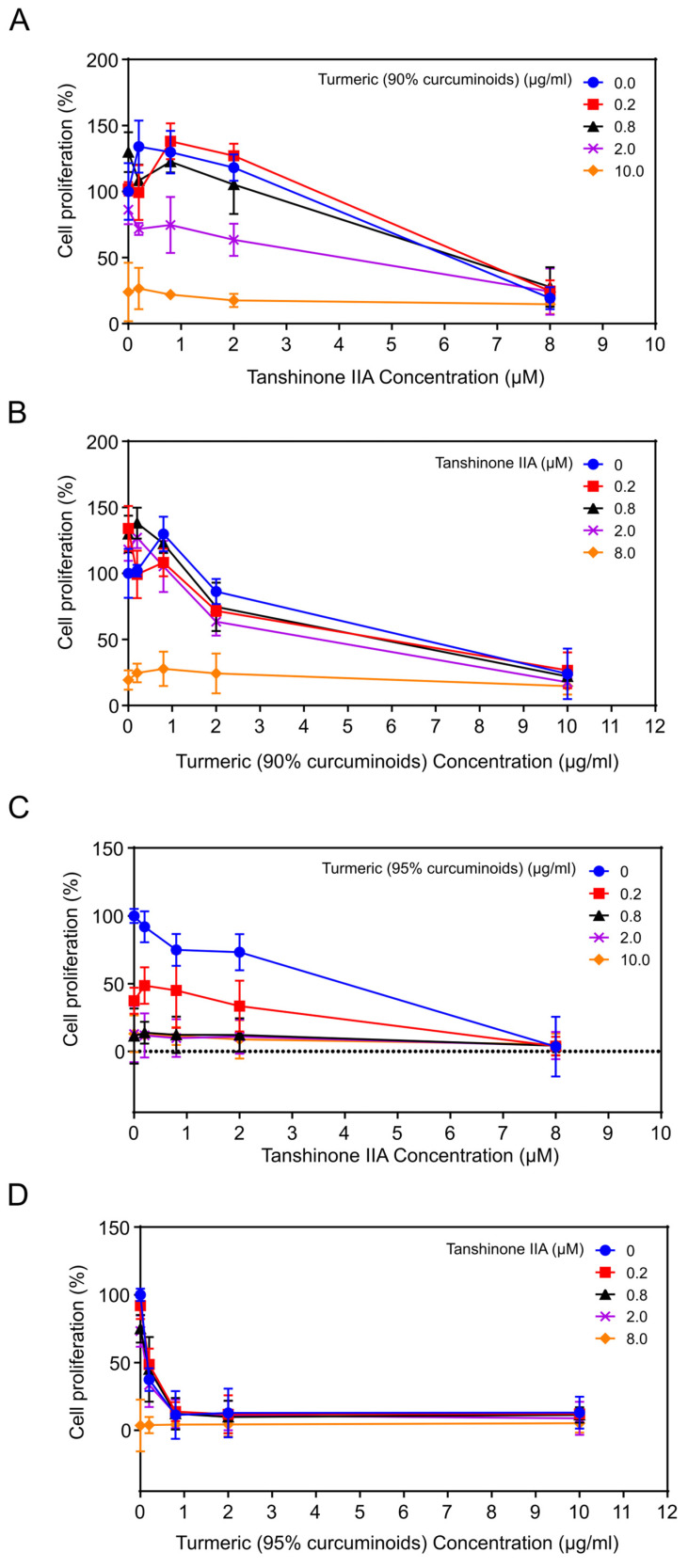
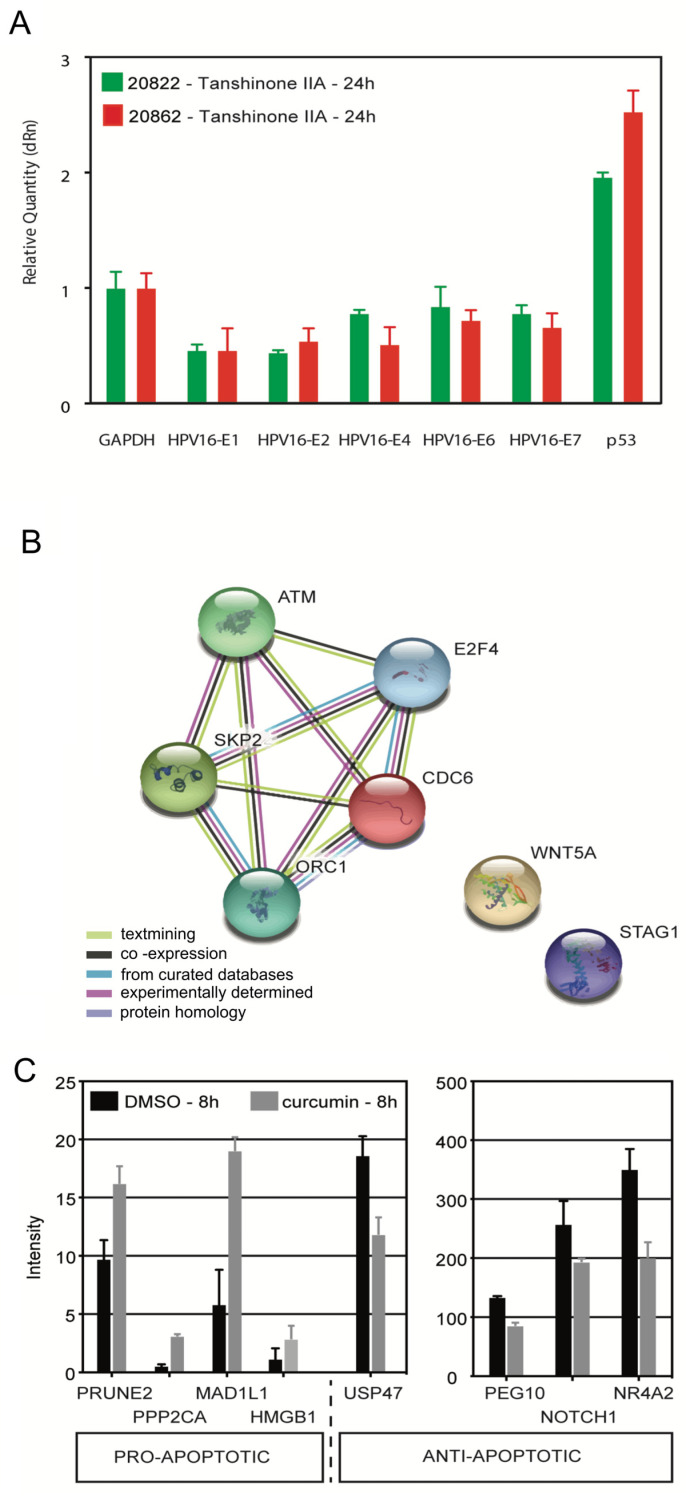
This study explores the effects of plant compounds on human papillomavirus (HPV)-induced W12 cervical precancer cells and bioelectric signaling. The aim is to identify effective phytochemicals, both individually and in combination, that can prevent and treat HPV infection and HPV associated cervical cancer. Phytochemicals were tested using growth inhibition, combination, gene expression, RT PCR, and molecular docking assays. W12 cells, derived from a cervical precancerous lesion, contain either episomal or integrated HPV16 DNA. Several compounds, including digoxin, tanshinone IIA, dihydromethysticin and carrageenan, as well as fractions of turmeric, ginger and pomegranate inhibited the growth of W12 precancer and cervical cancer cells. Curcumin and tanshinone IIA were the most active and relatively nontoxic compounds. RT-PCR analysis showed that tanshinone IIA activated the expression of p53, while repressing the expression of HPV16 E1, E2, E4, E6, and E7 viral transcripts in W12 (type 1 and 2) integrant cells. In addition, curcumin synergized with tanshinone IIA in HeLa cells. Molecular docking studies suggested tanshinone IIA and curcumin bind to the Na/K-ATPase ion channel, with curcumin binding with higher affinity. Our findings highlight the potential of these multifaceted phytochemicals to prevent and treat HPV-induced cervical cancer, offering a promising approach for combinatorial therapeutic intervention.
本研究探讨植物化合物对人乳头瘤病毒(HPV)诱导的W12宫颈癌细胞和生物电信号的影响。目的是确定单独和联合使用时可预防和治疗HPV感染及HPV相关宫颈癌的有效植物化学物质。使用生长抑制、联合、基因表达、逆转录聚合酶链反应(RT-PCR)和分子对接试验对植物化学物质进行了测试。源自宫颈癌前病变的W12细胞含有游离型或整合型HPV16 DNA。几种化合物,包括地高辛、丹参酮IIA、二氢紫铆素和角叉菜胶,以及姜黄、生姜和石榴的提取物,均抑制了W12癌前细胞和宫颈癌细胞的生长。姜黄素和丹参酮IIA是活性最强且相对无毒的化合物。RT-PCR分析表明,丹参酮IIA激活了p53的表达,同时抑制了W12(1型和2型)整合细胞中HPV16 E1、E2、E4、E6和E7病毒转录本的表达。此外,在HeLa细胞中,姜黄素与丹参酮IIA具有协同作用。分子对接研究表明,丹参酮IIA和姜黄素与钠钾ATP酶离子通道结合,其中姜黄素的结合亲和力更高。我们的研究结果突出了这些多方面植物化学物质在预防和治疗HPV诱导的宫颈癌方面的潜力,为联合治疗干预提供了一种有前景的方法。