Tonoyan L, Mounier C, Fassy J, Leymarie S, Mouraret S, Monneyron P, Vincent-Bugnas S, Mari B, Doglio A
MICORALIS, Faculté de Chirurgie Dentaire, Université Côte d'Azur, Nice, France.
IPMC, CNRS, Université Côte d'Azur, Sophia Antipolis, France.
J Dent Res. 2025 Apr;104(4):449-458. doi: 10.1177/00220345241303138. Epub 2025 Jan 28.
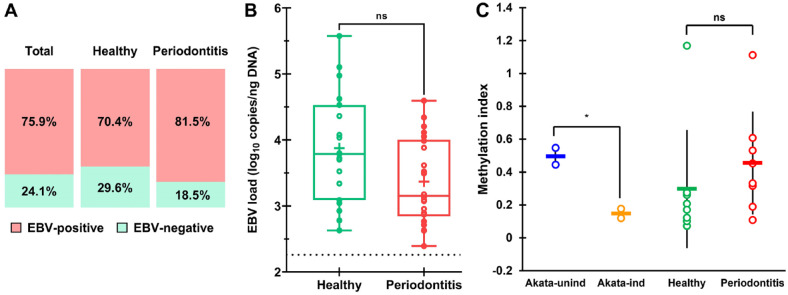
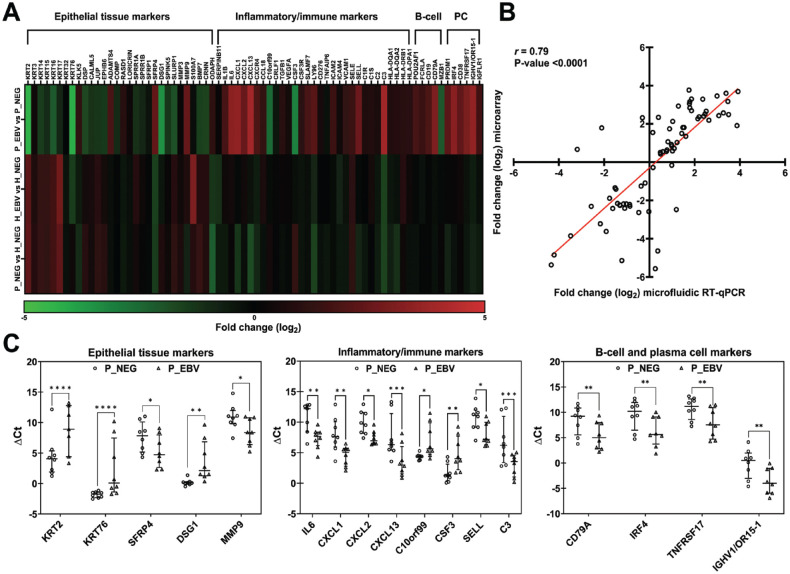
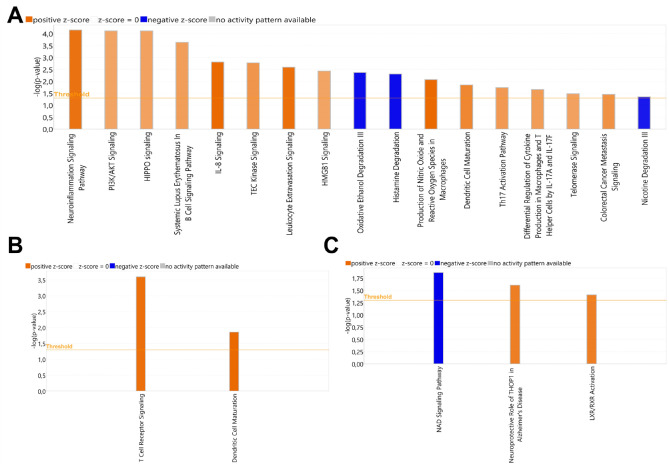
Periodontitis, a prevalent and costly oral disease, remains incompletely understood in its etiopathogenesis. The conventional model attributes it to pathogenic bacteria, but emerging evidence suggests dysbiosis involving bacteria, herpesviruses, and an exaggerated host immune response. Among herpesviruses, Epstein-Barr virus (EBV) closely links to severe periodontitis, yet the mechanisms underlying EBV-related pathogenesis remain elusive. This study examined the presence, methylation patterns, and infection states of EBV in gingival tissues from healthy patients and those with periodontitis. It also assessed gene expression differences associated with EBV through whole-genome transcriptomic profiling in healthy and periodontitis-affected tissues. EBV DNA was found at similar frequencies in healthy and periodontitis tissues, suggesting common EBV infection even before disease manifestation. In healthy tissues, mostly unmethylated EBV genomes indicated lytic infection in gums, consistent with the literature on lytic EBV spread in epithelia and continual significant virus release in the saliva of healthy carriers. Conversely, EBV DNA in periodontitis tissues showed both methylated and unmethylated patterns, suggesting a mix of latent and lytic genomes. This indicates the coexistence of latent EBV in B-cells and lytic EBV in plasma cells (PCs), linking EBV presence with both cell types in periodontitis. Whole-genome transcriptomic analysis revealed distinct expression profiles in EBV-positive periodontitis tissues, with upregulated genes associated with inflammatory/immune responses and B-cell and PC markers, while downregulated genes were related to epithelial structure and organization. The EBV-positive periodontitis signature differed distinctly from that of EBV-positive healthy gums, eliciting only a typical viral-induced immune response. These findings provide new insights into EBV physiopathology in the gum, notably assigning a direct etiopathogenetic contribution to EBV in periodontitis. The results suggest a model where EBV can commonly, and apparently asymptomatically, spread in healthy gingiva but may also aggravate inflammation in the context of gum dysbiosis, involving infiltration of B-cells and PCs and loss of epithelial integrity.
牙周炎是一种常见且代价高昂的口腔疾病,其发病机制仍未完全明了。传统模型将其归因于病原菌,但新出现的证据表明,微生物群落失调涉及细菌、疱疹病毒以及过度的宿主免疫反应。在疱疹病毒中,爱泼斯坦 - 巴尔病毒(EBV)与重度牙周炎密切相关,然而EBV相关发病机制背后的原因仍不清楚。本研究检测了健康患者和牙周炎患者牙龈组织中EBV的存在情况、甲基化模式及感染状态。通过对健康组织和受牙周炎影响组织进行全基因组转录组分析,评估了与EBV相关的基因表达差异。在健康组织和牙周炎组织中,EBV DNA的检出频率相似,这表明在疾病表现出来之前就存在常见的EBV感染。在健康组织中,大多数未甲基化的EBV基因组表明牙龈中存在裂解感染,这与文献中关于裂解性EBV在上皮细胞中传播以及健康携带者唾液中持续大量释放病毒的报道一致。相反,牙周炎组织中的EBV DNA呈现甲基化和未甲基化模式,表明潜伏基因组和裂解基因组混合存在。这表明B细胞中潜伏性EBV与浆细胞(PC)中裂解性EBV共存,将EBV的存在与牙周炎中的这两种细胞类型联系起来。全基因组转录组分析显示,EBV阳性的牙周炎组织具有独特的表达谱,与炎症/免疫反应以及B细胞和PC标记物相关的基因上调,而与上皮结构和组织相关的基因下调。EBV阳性的牙周炎特征与EBV阳性的健康牙龈明显不同,仅引发典型的病毒诱导免疫反应。这些发现为牙龈中EBV的生理病理学提供了新的见解,特别是确定了EBV在牙周炎发病机制中的直接病因学作用。结果提示了一种模型,即EBV通常可在健康牙龈中无症状地传播,但在牙龈微生物群落失调的情况下,也可能加剧炎症,涉及B细胞和PC的浸润以及上皮完整性的丧失。