Feizi Hadi, Kafil Hossein Samadi, Plotnikov Andrey, Kataev Vladimir, Balkin Alexander, Filonchikova Ekaterina, Rezaee Mohammad Ahangarzadeh, Ghotaslou Reza, Sadrkabir Mohammad, Kadkhoda Hiva, Kamounah Fadhil S, Nikitin Sergei
Drug Applied Research Center, Faculty of Medicine, Tabriz University of Medical Sciences, Tabriz, Iran.
Department of Medical Microbiology, Aalinasab Hospital, Social Security Organization, Tabriz, Iran.
Ann Clin Microbiol Antimicrob. 2025 Jan 29;24(1):9. doi: 10.1186/s12941-025-00777-9.
Highly frequent colorectal cancer (CRC) is predicted to have 3.2 million novel cases by 2040. Tumor microenvironment (TME) bacteriome and metabolites are proposed to be involved in CRC development. In this regard, we aimed to investigate the bacteriome and metabolites of healthy, adenomatous polyp, and CRC tissues.
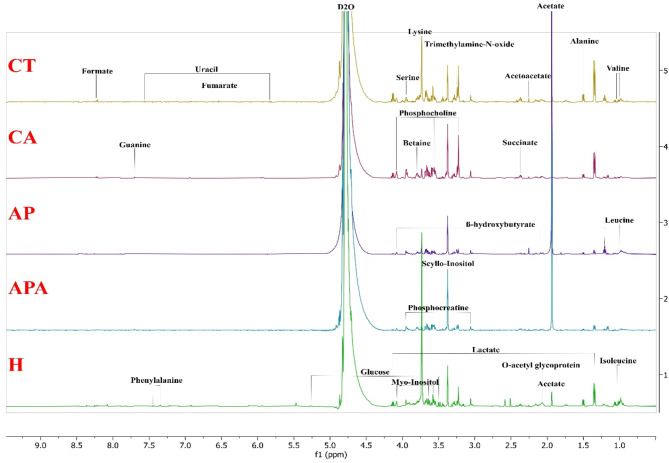
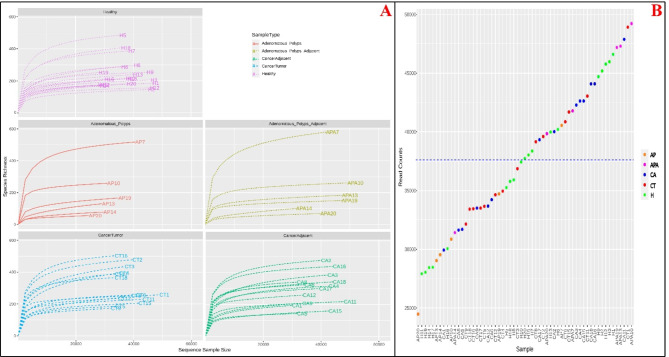
Sixty samples including healthy (H), adenomatous polyps (AP), adenomatous polyps-adjacent (APA), cancer tumor (CT), and cancer tumor-adjacent (CA) tissues were collected and analyzed by 16 S rRNA sequencing and H NMR spectroscopy.
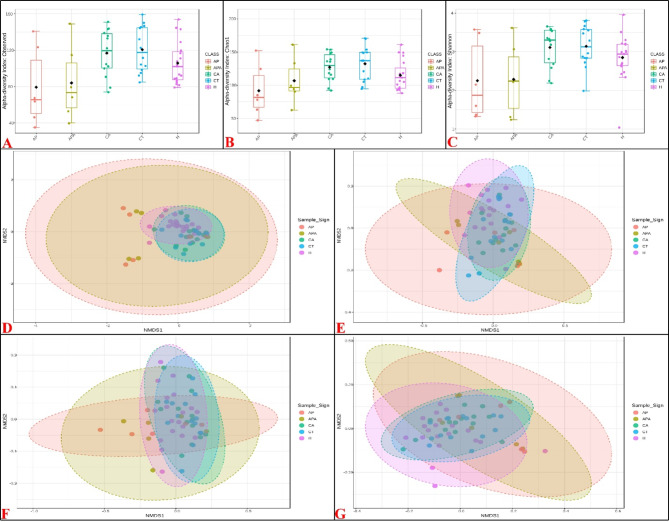
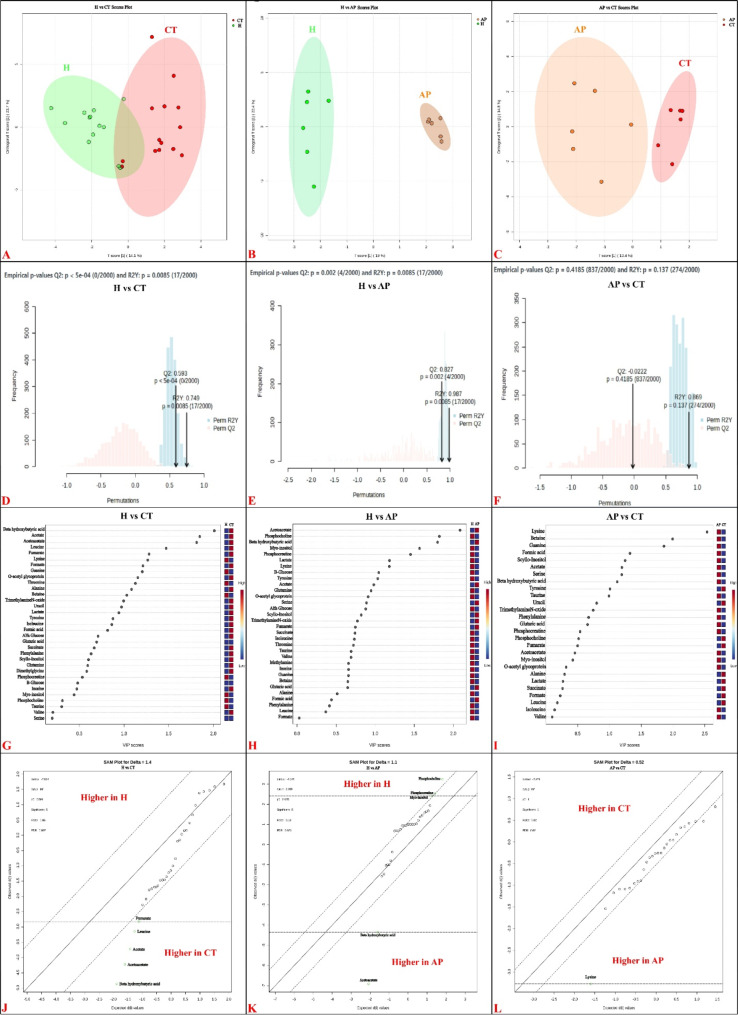
Our results revealed that the bacteriome and metabolites of the H, AP, and CT groups were significantly different. We observed that the Lachnospiraceae family depleted concomitant with acetoacetate and beta-hydroxybutyric acid (BHB) accumulations in the AP tissues. In addition, some bacterial species including Gemella morbillorum, and Morganella morganii were enriched in the AP compared to the H group. Furthermore, fumarate was accumulated concomitant to Aeromonas enteropelogenes, Aeromonas veronii, and Fusobacterium nucleatum subsp. animalis increased abundance in the CT compared to the H group.
These results proposed that beneficial bacteria including the Lachnospiraceae family depletion cross-talk with acetoacetate and BHB accumulations followed by an increased abundance of driver bacteria including G. morbillorum, and M. morganii may reprogram polyp microenvironment leading to tumor initiation. Consequently, passenger bacteria accumulation like A. enteropelogenes, A.veronii, and F. nucleatum subsp. animalis cross-talking fumarate in the TME may aggravate cancer development. So, knowledge of TME bacteriome and metabolites might help in cancer prevention, early diagnosis, and a good prognosis.
预计到2040年,结直肠癌(CRC)新发病例将高达320万。肿瘤微环境(TME)中的细菌群落和代谢产物被认为与结直肠癌的发生发展有关。在这方面,我们旨在研究健康组织、腺瘤性息肉组织和结直肠癌组织中的细菌群落和代谢产物。
收集了60份样本,包括健康组织(H)、腺瘤性息肉(AP)、腺瘤性息肉旁组织(APA)、癌组织(CT)和癌旁组织(CA),并通过16S rRNA测序和核磁共振氢谱(H NMR)进行分析。
我们的结果显示,H组、AP组和CT组的细菌群落和代谢产物存在显著差异。我们观察到,在AP组织中,毛螺菌科减少,同时乙酰乙酸和β-羟基丁酸(BHB)积累。此外,与H组相比,一些细菌种类,包括麻疹孪生球菌和摩根氏摩根菌,在AP中富集。此外,与H组相比,产气肠杆菌、维氏气单胞菌和具核梭杆菌亚种动物亚种丰度增加,同时富马酸盐积累。
这些结果表明,有益细菌如毛螺菌科减少与乙酰乙酸和BHB积累相互作用,随后驱动细菌如麻疹孪生球菌和摩根氏摩根菌丰度增加,可能会重新编程息肉微环境,导致肿瘤发生。因此,像产气肠杆菌、维氏气单胞菌和具核梭杆菌亚种动物亚种等过客细菌在TME中与富马酸盐相互作用,可能会加剧癌症发展。所以,了解TME中的细菌群落和代谢产物可能有助于癌症预防、早期诊断和良好预后。