Su Huiling, Shen Jie, Gao Chenzi, Zhao Yue, Deng Wanyu, Qin Bo, Zhang Xin, Lai Juan, Wang Qian, Dou Jie, Guo Min
State Key Laboratory of Natural Medicines, School of Life Science & Technology, Pharmaceutical University, 210009, Nanjing, China.
Key Laboratory of Human Functional Genomics of Jiangsu Province, Department of Biochemistry and Molecular Biology, Nanjing Medical University, 210029, Nanjing, China.
Cell Biosci. 2025 Feb 5;15(1):14. doi: 10.1186/s13578-025-01358-1.
The abnormal expression and overactivation of the epidermal growth factor receptor (EGFR), a typical cancer marker for non-small cell lung cancer (NSCLC), are closely related to the tumorigenesis and progression of NSCLC. However, the endocytosis mechanism of EGFR in lung cancer is not yet known. Epsin3 (EPN3), a member of the endocytic adaptor protein family, is essential for the endocytosis of multiple receptors. In this study, we aimed to investigate the role of EPN3 in modulating EGFR function, its effects on NSCLC progression, and its potential involvement in tyrosine kinase inhibitor (TKI) resistance, which remains a significant hurdle in NSCLC treatment.
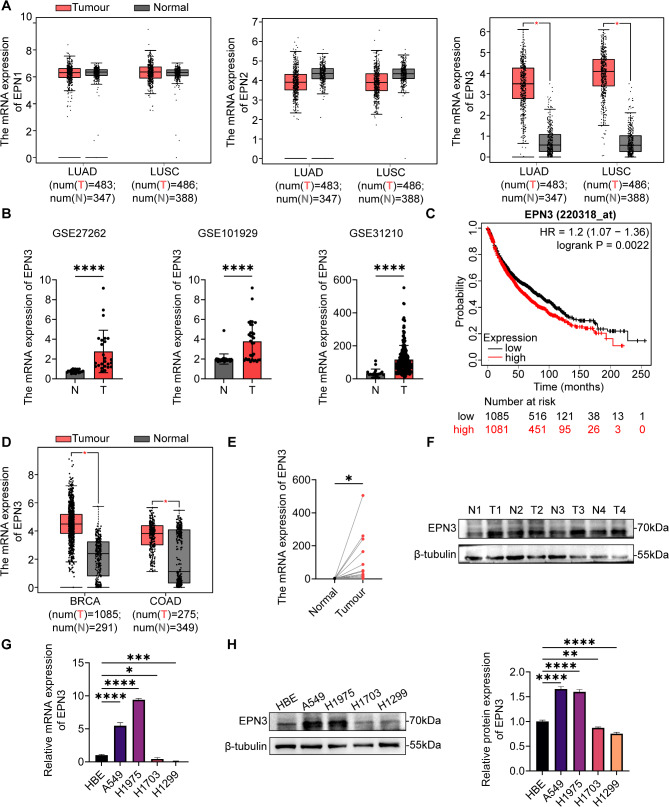
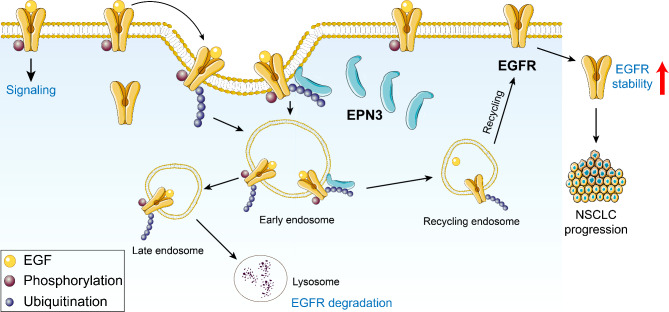
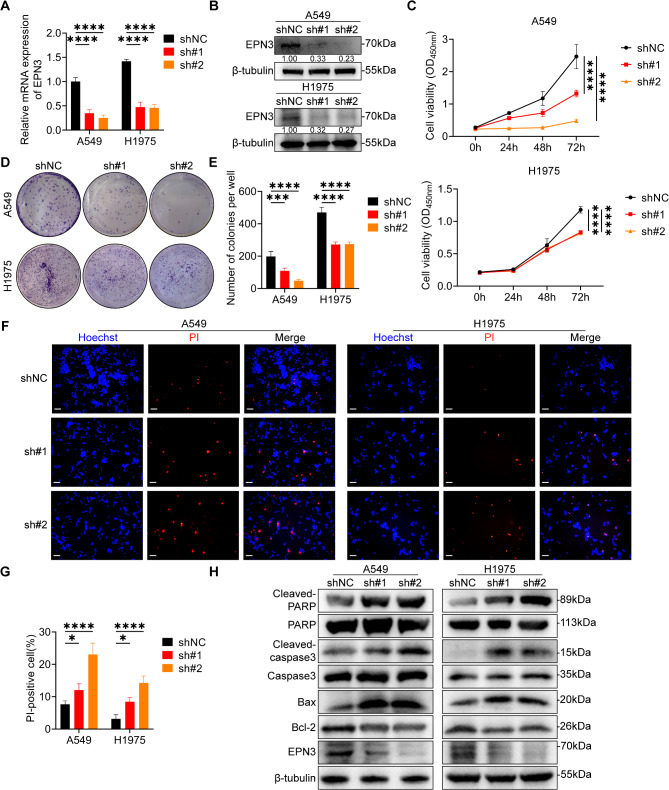
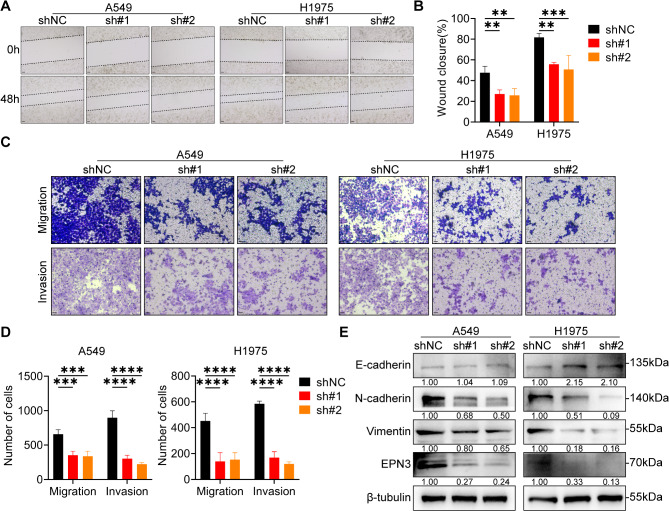
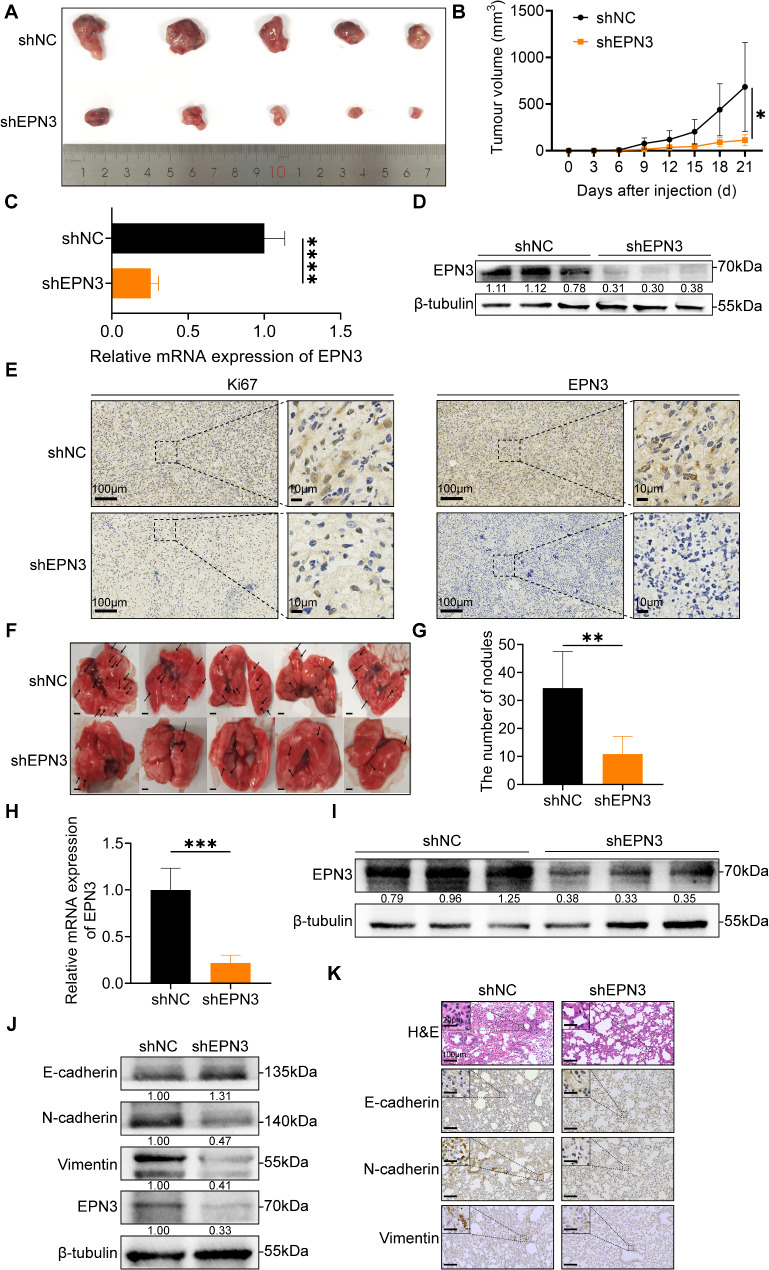
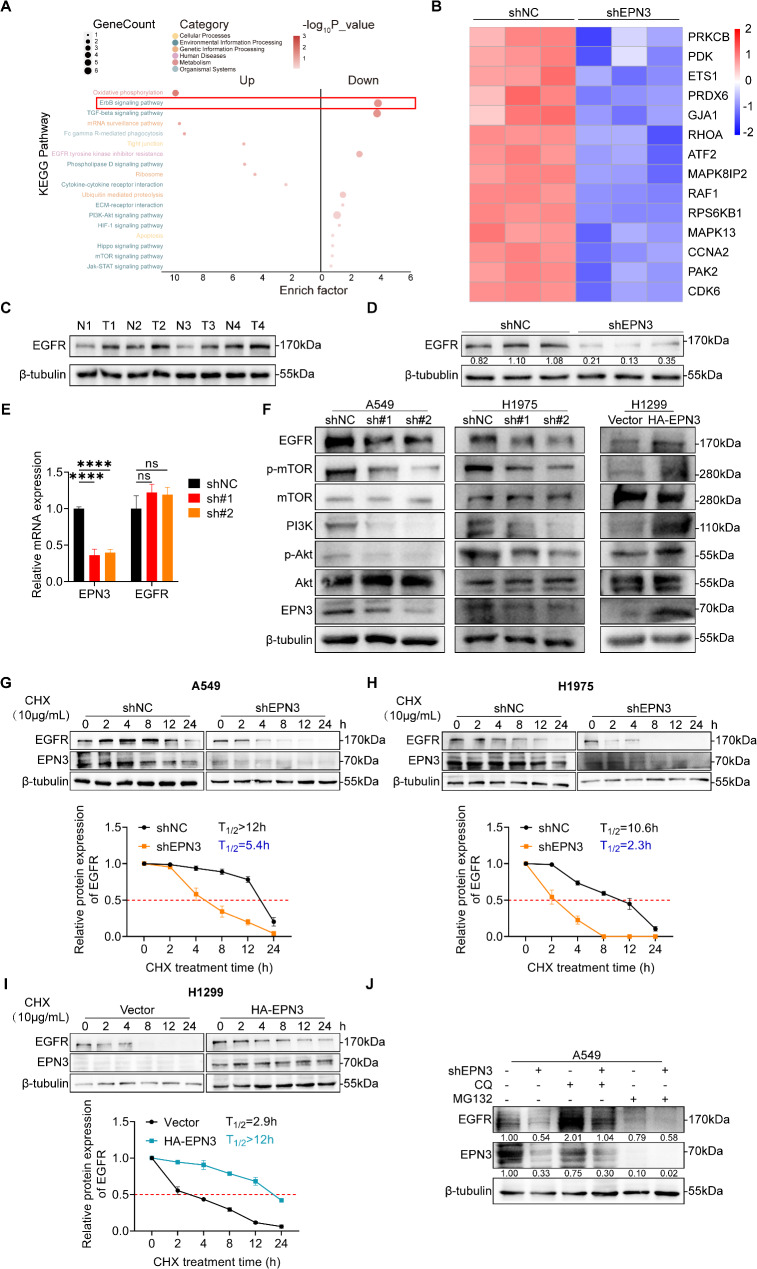
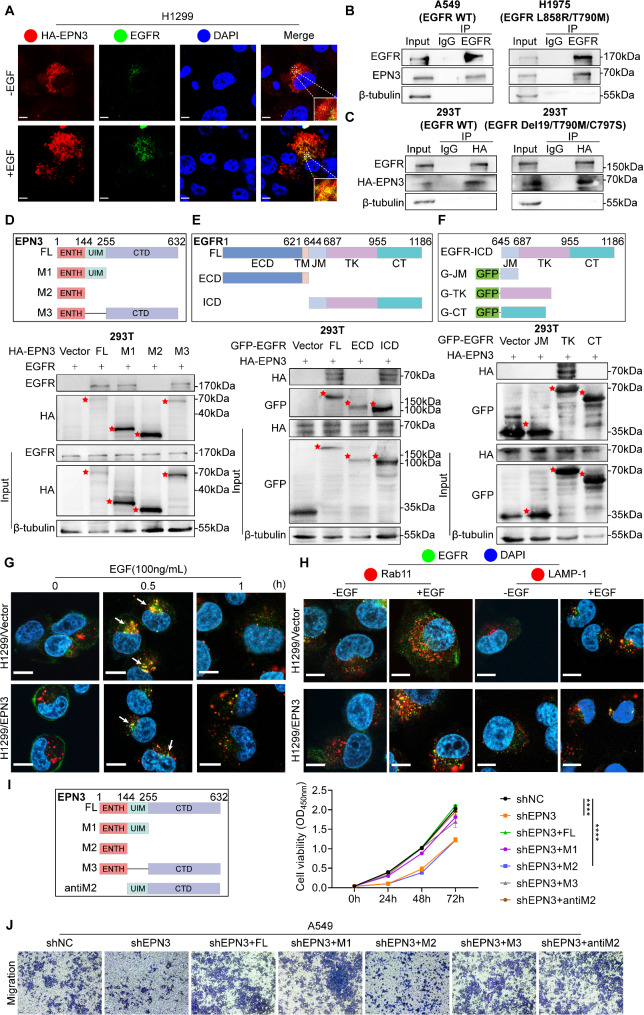
Our findings revealed that the expression of EPN3 is significantly up-regulated in NSCLC patients. Elevated EPN3 expression was proportional to shorter overall survival in patients with NSCLC. Functional analyses revealed that EPN3 directly interacts with EGFR, enhancing its recycling to the plasma membrane and preventing its degradation via the lysosomal pathway. This stabilization of EGFR led to sustained downstream signalling, promoting NSCLC cell proliferation and migration. Notably, mutations in the EGFR tyrosine kinase domain, which typically confer resistance to TKIs, did not alter the regulatory effect of EPN3.
EPN3 enhances EGFR signalling by promoting its recycling and stability, contributing to NSCLC progression and TKI resistance. Targeting EPN3 could offer a novel therapeutic strategy to overcome drug resistance in EGFR-driven NSCLC.
表皮生长因子受体(EGFR)是一种非小细胞肺癌(NSCLC)的典型癌症标志物,其异常表达和过度激活与NSCLC的发生和进展密切相关。然而,肺癌中EGFR的内吞作用机制尚不清楚。Epsin3(EPN3)是内吞衔接蛋白家族的成员,对多种受体的内吞作用至关重要。在本研究中,我们旨在研究EPN3在调节EGFR功能中的作用、其对NSCLC进展的影响以及其在酪氨酸激酶抑制剂(TKI)耐药性中的潜在作用,TKI耐药性仍然是NSCLC治疗中的一个重大障碍。
我们的研究结果显示,NSCLC患者中EPN3的表达显著上调。EPN3表达升高与NSCLC患者较短的总生存期成正比。功能分析表明,EPN3直接与EGFR相互作用,增强其循环回到质膜,并防止其通过溶酶体途径降解。EGFR的这种稳定导致持续的下游信号传导,促进NSCLC细胞增殖和迁移。值得注意的是,EGFR酪氨酸激酶结构域中的突变通常会导致对TKI的耐药性,但并未改变EPN3的调节作用。
EPN3通过促进EGFR的循环和稳定性来增强EGFR信号传导,从而促进NSCLC进展和TKI耐药性。靶向EPN3可能提供一种新的治疗策略,以克服EGFR驱动的NSCLC中的耐药性。