Lu Xiaoyan, Liu Yali, Hao Longxia, Li Junqiong, Hua Linjuan
Department of Children's Rehabilitation, The Eighth Hospital of Shijiazhuang, Shijiazhuang050000, People's Republic of China.
Department of Pediatrics, Xingtang County People's Hospital, Shijiazhuang050600, People's Republic of China.
Br J Nutr. 2025 Feb 28;133(4):491-496. doi: 10.1017/S0007114525000169. Epub 2025 Feb 7.
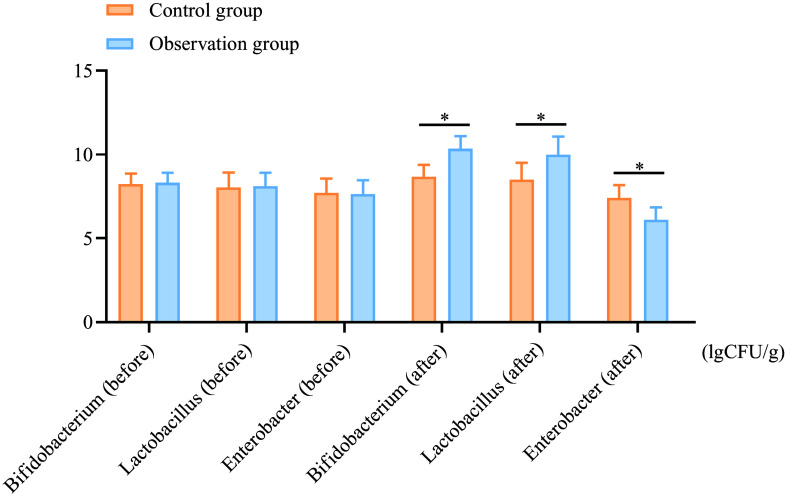
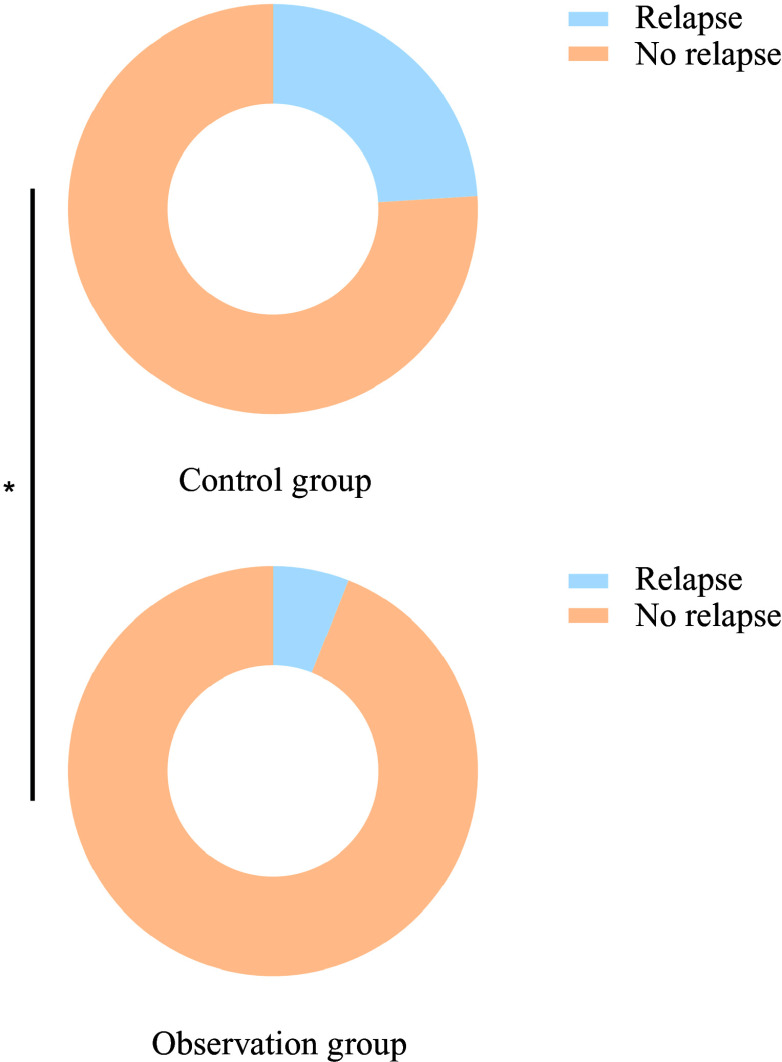
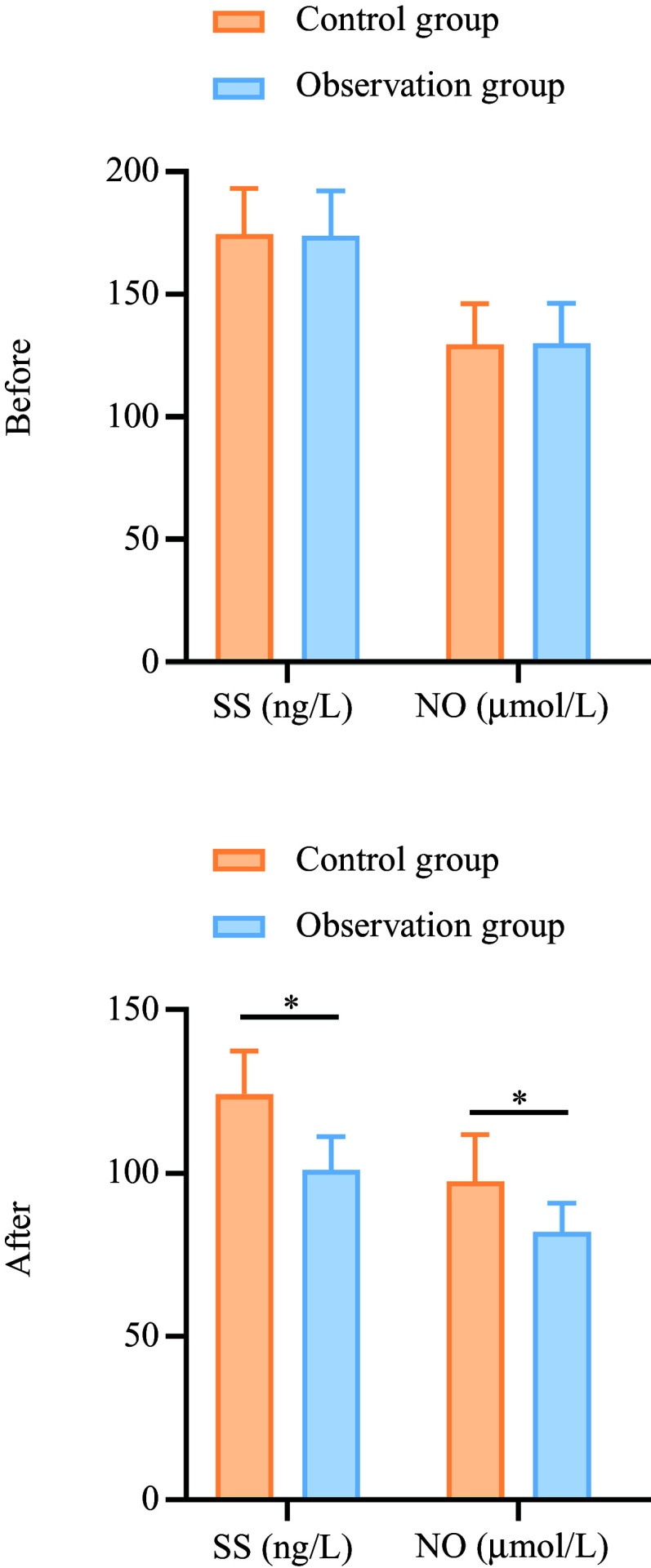
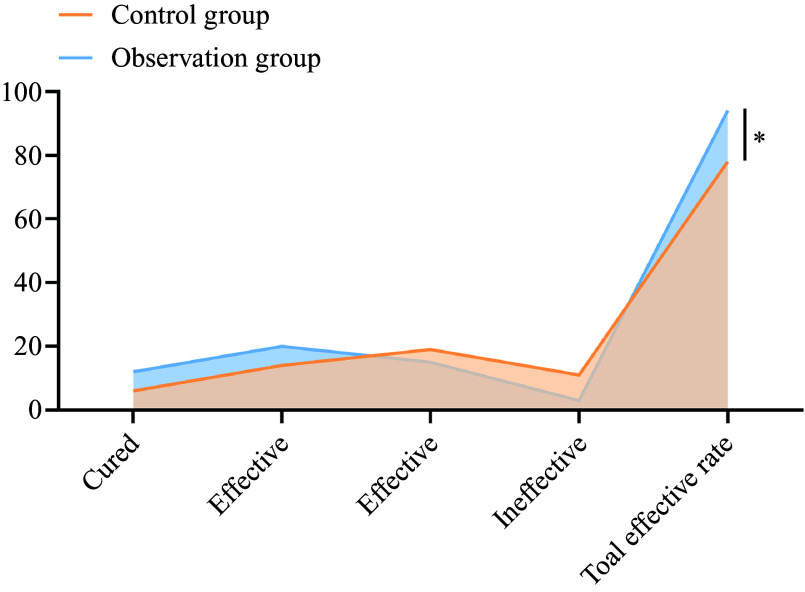
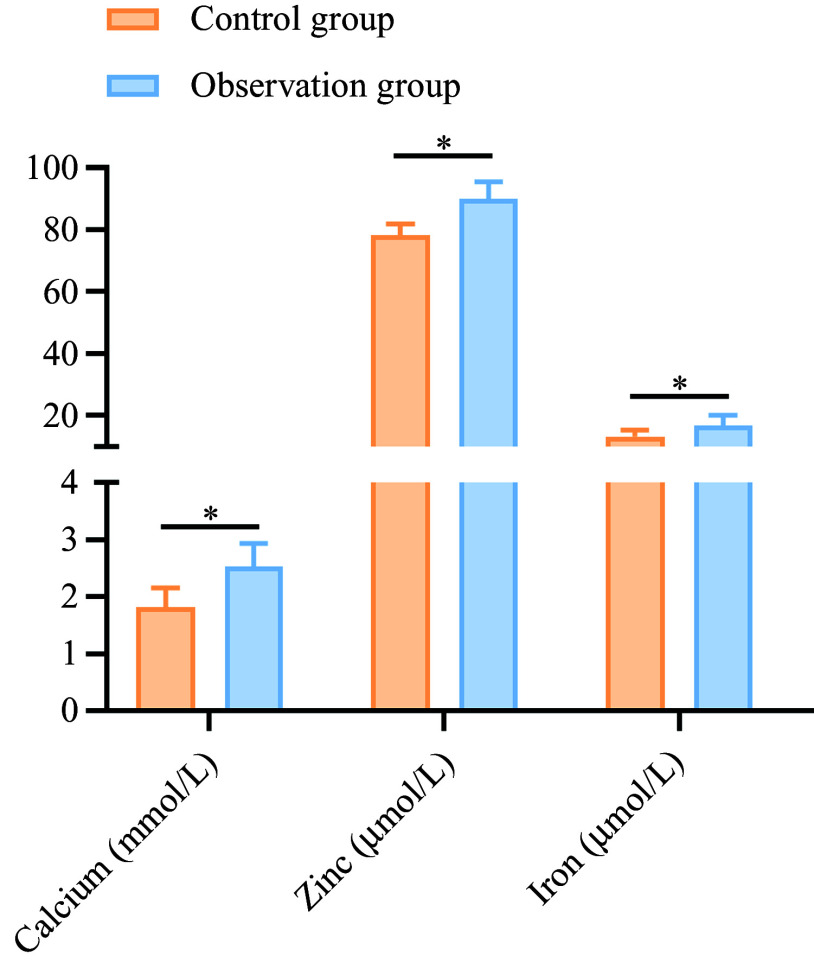
This study aims to assess the therapeutic effects of probiotic oral therapy in paediatric patients with anorexia nervosa (AN) and to investigate its impact on intestinal flora composition, brain-gut peptide levels and overall clinical outcomes. A retrospective study was conducted involving 100 children diagnosed with AN at Xingtang County People's Hospital between January 2023 and June 2024. Patients were divided into two groups: a control group ( 50) receiving zinc gluconate oral solution alone and an observation group ( 50) receiving zinc gluconate plus probiotics. Outcome measures included intestinal flora analysis, brain-gut peptide levels (somatostatin (SS) and nitric oxide (NO)), clinical efficacy, serum trace element levels (Ca, Zn and Fe) and prognosis, including recurrence rates 6 months post-treatment. Baseline characteristics were similar between the two groups ( > 0·05). After treatment, the observation group showed significantly higher levels of Bifidobacterium and Lactobacillus and lower levels of Enterobacter compared with the control group ( < 0·05). Additionally, the observation group had lower levels of SS and NO ( < 0·05), indicating improved brain-gut communication. Clinical efficacy was significantly higher in the observation group ( < 0·05), with improved serum trace element levels ( < 0·05 for Ca, Zn and Fe). Furthermore, the recurrence rate 6 months post-treatment was significantly lower in the observation group compared with the control group ( < 0·05). Probiotic supplementation in children with AN effectively modulates intestinal flora, improves brain-gut peptide levels and enhances clinical outcomes.
本研究旨在评估益生菌口服疗法对神经性厌食症(AN)患儿的治疗效果,并探讨其对肠道菌群组成、脑肠肽水平和总体临床结局的影响。进行了一项回顾性研究,纳入了2023年1月至2024年6月期间在行唐县人民医院诊断为AN的100名儿童。患者分为两组:对照组(50例)仅接受葡萄糖酸锌口服溶液,观察组(50例)接受葡萄糖酸锌加益生菌。观察指标包括肠道菌群分析、脑肠肽水平(生长抑素(SS)和一氧化氮(NO))、临床疗效、血清微量元素水平(钙、锌和铁)以及预后,包括治疗后6个月的复发率。两组的基线特征相似(>0.05)。治疗后,观察组的双歧杆菌和乳酸杆菌水平显著高于对照组,而肠杆菌水平低于对照组(<0.05)。此外,观察组的SS和NO水平较低(<0.05),表明脑肠沟通得到改善。观察组的临床疗效显著更高(<0.05),血清微量元素水平有所改善(钙、锌和铁均<0.05)。此外,观察组治疗后6个月的复发率显著低于对照组(<0.05)。对AN患儿补充益生菌可有效调节肠道菌群,改善脑肠肽水平,并提高临床结局。